








Yarrow
$4.95
Achillea Millefolium
- Seed Count 5000
- Many Uses
- Perennial
- Height 1.2 m
In stock
Description
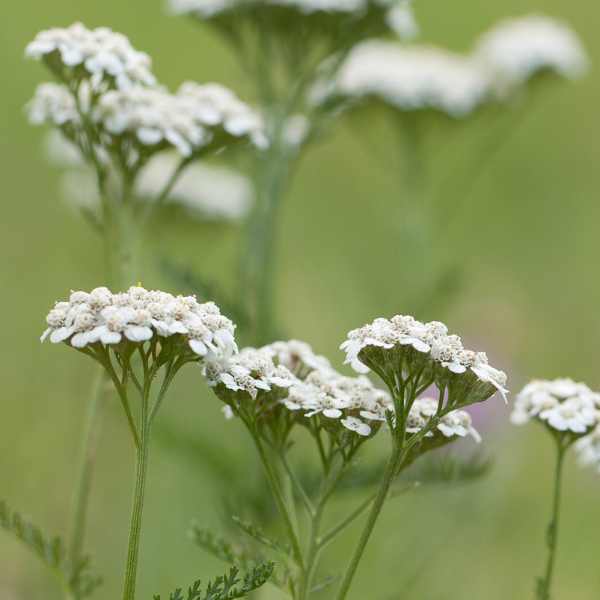
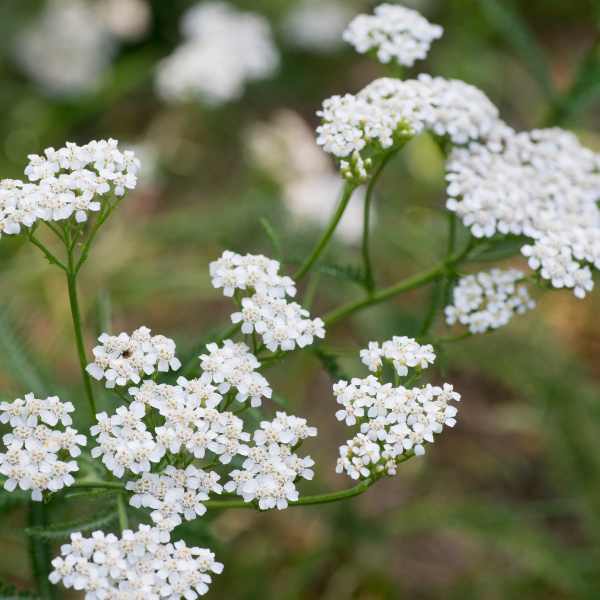
The first thing you’ll notice about White Yarrow is its foliage. Finely divided and soft to the touch, the leaves form a dense, fern-like mat that stays green for much of the year. Then, as the weather warms, strong, slender stems rise up to hold flat-topped clusters of tiny white flowers. Each cluster is made up of dozens of miniature blooms, forming a soft cloud of white that seems to float above the foliage. When the light hits just right, those flowers almost seem to glow, giving the plant an understated elegance that suits both formal and wild gardens alike.
In the garden, White Yarrow earns its place many times over. It’s hardy, long-lived, and unbothered by poor soils or hot, dry conditions. It’s a plant that gets on quietly with the job, thriving where others might struggle. Once it’s settled in, it will come back reliably each year, spreading gently to form neat clumps. Many gardeners appreciate it for its ability to fill gaps between perennials or soften the edges of paths and borders. Because it has such fine foliage and open flower heads, it never feels heavy or crowded, even when grown en masse.
White Yarrow has a special knack for blending in while still standing out. In mixed borders, it provides the perfect backdrop for more colourful blooms. The pure white flowers make a natural companion for plants with purple, blue, or pink tones, helping to lift and balance the overall look. It also pairs beautifully with ornamental grasses, creating a soft, textured contrast that moves gracefully in the breeze. In cottage gardens, it sits comfortably among traditional favourites like lavender, salvia, and echinacea. In more modern settings, it adds a note of simplicity and structure.
Beyond its visual appeal, White Yarrow is a magnet for pollinators. Bees, butterflies, and beneficial insects are drawn to its broad, flat flower clusters, which provide an easy landing platform and a rich source of nectar. This makes it a valuable addition to any garden that aims to support local wildlife. It’s often one of the busiest plants in bloom, humming with life from morning until evening. The plant’s extended flowering period means it continues to feed pollinators long after many other plants have finished their display.
It’s drought-tolerant once established, needing little water, and it doesn’t rely on fertiliser or fuss. It’s also known to improve the health of surrounding plants by attracting predatory insects that help keep pest populations under control. Some gardeners even use it as a companion plant in vegetable gardens, believing it enriches the soil and supports the growth of nearby crops. It’s the kind of plant that quietly works behind the scenes, making the garden a better, healthier place overall.
There’s a lovely timelessness about Yarrow. It feels like a plant that could belong in any garden, from a rustic country cottage to a neat suburban plot. Its colour may be simple, but there’s power in that simplicity. A sweep of white Yarrow in full bloom can light up a space, drawing the eye and lending a sense of calm. Even when the flowers begin to fade, they hold their form beautifully, turning a soft straw colour that adds texture and interest well into autumn. The dried flower heads stand tall through winter, catching frost and morning light in a way that’s quietly beautiful.
For those who enjoy cutting flowers, White Yarrow is a wonderful choice. The long stems and flat-topped flower heads add structure to arrangements, and they combine beautifully with both delicate and bold blooms. The flowers last well in a vase and can also be dried easily for long-lasting displays. When dried, they hold their shape and subtle colour, making them a favourite for rustic wreaths and dried flower crafts..
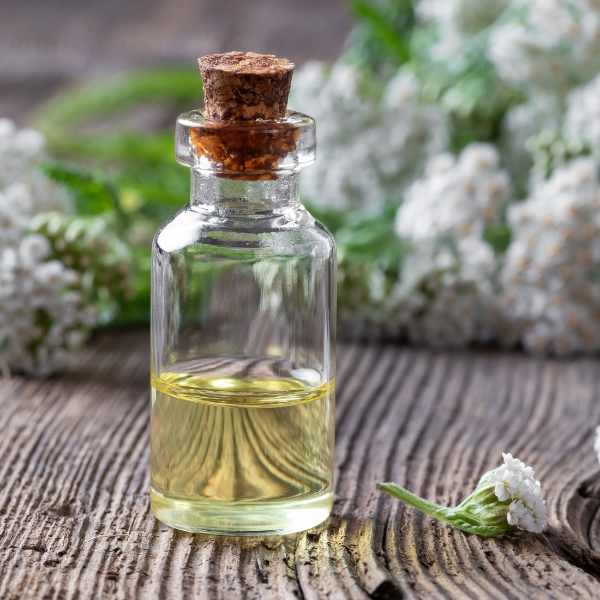
The leaves and flowers can be used fresh or dried to make yarrow tea, which has been a traditional herbal remedy for centuries. The tea has a light, earthy, and slightly bitter flavour—often compared to chamomile but more aromatic and herbal. It’s usually enjoyed for its soothing qualities and is sometimes blended with other herbs like lemon balm, peppermint, or chamomile to soften the taste.
| Method: Start in trays | Soil Temp: 21°C - 24°C |
| When: Cool Mountain Sep - Dec | Position: Full sun |
| When: Temperate Aug-Nov, Mar-Jun | Soil: Rich, good drainage |
| When: Sub Tropical Aug-Nov, Mar-Jun | Planting Depth: 3mm |
| When: Arid Jun-Jul, Apr-May | Row Spacing: 30cm apart |
| When: Tropical Apr - Jul | Plant Height: 1.2 m |
🌼 Yarrow Grow Guide
Yarrow is a hardy, aromatic perennial flower grown for its flat-topped flower clusters, ferny foliage, drought tolerance, and strong value in pollinator gardens. It is a beautiful plant for cottage gardens, herb beds, wildflower-style plantings, borders, dry garden areas, and beneficial insect patches. Once established, yarrow is tough, long lived, and very low maintenance.
Yarrow is especially useful for attracting bees, hoverflies, ladybirds, lacewings, tiny wasps, and butterflies. Its flowers provide an easy landing platform for beneficial insects, while its deep roots and resilient growth make it a dependable choice in gardens that need hardy flowering plants. It can spread over time, so it is best grown where it has room or where you can manage it with pruning and division.
🌱 Sowing in Trays Versus Direct Sowing
Yarrow can be grown by direct sowing or by starting seed in trays, but sowing in trays is usually the best method. The seed is very small, and young seedlings can be slow and delicate at first. Tray sowing gives better control over moisture, spacing, light, and protection from weeds or pests.
To sow in trays, use a fine, free-draining seed-raising mix. Scatter the seed thinly over the surface and press it gently into the mix. Do not bury yarrow seed deeply, as it needs light to germinate well. A very light dusting of fine mix or vermiculite is enough, or the seed can be left on the surface if it has good contact with the mix. Mist gently and keep the surface lightly moist, not wet.
Once seedlings are large enough to handle, pot them on into small individual pots or cells. Grow them until they are sturdy and well-rooted before planting into their final position. Handle seedlings carefully, as the stems are fine when young.
Direct sowing can work in a clean, weed-free bed with fine soil. Scatter the seed thinly, press it into the soil surface, and water with a fine spray. The main challenge is that the seed is easy to wash away, bury too deeply, or lose among weeds.
For most gardeners, tray sowing is preferred because it produces stronger young plants and makes spacing much easier.
🌾 Seed Pre-Treatment
Yarrow seed does not usually require special pre-treatment, but a short cold, moist pre-treatment can improve germination if seed is older or slow to sprout.
For the simplest method, sow fresh seed shallowly on the surface of moist seed-raising mix and give it good light. Keep the mix evenly moist but not soggy. Most fresh seed will germinate without soaking or scarifying.
If you want to improve germination, place the seed on a lightly damp paper towel, fold it over, and put it inside a labelled bag or small container. Keep it in the fridge for about 2 to 4 weeks, then sow the seed on the surface of the mix. The towel should be slightly moist, not wet.
Do not soak yarrow seed in water for long periods. The seed is tiny and can become difficult to handle or rot if kept too wet.
🌞 Soil and Position
Yarrow grows best in full sun. A bright, open position encourages strong stems, compact growth, better flowering, and good aromatic foliage. It can tolerate light partial shade, but too much shade may cause weak, floppy growth and fewer flowers.
The soil should be free-draining and moderately fertile to lean. Yarrow does not need rich soil. In fact, overly fertile soil can make plants soft, tall, and more likely to flop. It performs very well in average garden soil as long as drainage is good.
Avoid heavy, wet soil that stays soggy. If your soil is clay-based, improve drainage with compost and consider planting on a slight mound or raised bed. If your soil is sandy or poor, yarrow will usually cope well, though a small amount of compost can help young plants establish.
In containers, use a pot with excellent drainage and a free-draining potting mix. Yarrow can grow in large pots, but it is generally happiest in the ground where its roots have room to spread.
💧 Care and Maintenance
Yarrow is easy to care for once established. Water young plants regularly until they settle in. After that, yarrow is quite drought tolerant and usually only needs extra water during long dry spells. Deep, occasional watering is better than frequent shallow watering.
Feeding should be minimal. Too much fertiliser can encourage lush leafy growth and weak stems. A light layer of compost is usually enough if the soil is poor. Avoid high-nitrogen fertilisers.
Deadheading spent flowers helps keep the plant tidy and can encourage further flowering. Cut old flower stems back to a lower set of leaves. If you want to save seed or feed wildlife, leave some flower heads to mature.
Yarrow can spread by underground growth and self-seeding. To keep it controlled, remove unwanted seedlings, deadhead before seed drops, and divide clumps when they become too large. Division also helps refresh older plants that have become woody or open in the centre.
If plants become floppy, it is usually because of too much shade, rich soil, crowding, or lack of pruning. Cut back untidy growth and avoid overfeeding.
🐝 Companion Planting Guide
Yarrow is one of the best companion flowers for attracting beneficial insects. Its broad flower heads are especially useful for hoverflies, ladybirds, lacewings, tiny wasps, bees, and butterflies. These insects help support a more balanced garden ecosystem.
Good companions include lavender, thyme, rosemary, sage, oregano, chamomile, calendula, marigold, alyssum, echinacea, cosmos, snapdragon, cornflower, nasturtium, cabbage, broccoli, kale, tomatoes, capsicum, eggplant, beans, carrots, beetroot, and lettuce.
Yarrow works beautifully near vegetable beds because it draws in beneficial insects without needing rich soil or heavy watering. It also makes a strong companion for dry-loving herbs and cottage garden flowers.
Avoid planting yarrow beside delicate, moisture-loving plants that need constantly damp soil. Also avoid placing it where it will crowd small herbs or low-growing flowers. Give it space, especially in mixed borders, because mature clumps can widen over time.
✂️ How to Harvest
Harvest yarrow flowers when the flower clusters are fully open but still fresh and brightly coloured. Use clean scissors or snips and cut stems in the cooler part of the day. For fresh arrangements, place stems straight into clean water.
For drying, cut flower stems when they are open and firm. Tie them into small loose bundles and hang them upside down in a warm, shaded, airy place. You can also dry flower heads flat on a mesh rack. Once completely dry, store them in a clean jar or paper bag away from heat, moisture, and direct light.
The leaves can also be harvested lightly. Pick young, healthy leaves and dry them the same way as the flowers. Yarrow has a strong traditional herbal history, but it should be used with care. Do not use yarrow medicinally without qualified advice, especially during pregnancy, while breastfeeding, when taking blood-thinning medication, or if you are allergic to daisy-family plants.
⚠️ Common Issues and Fixes
| Issue | Likely Cause | Fix |
|---|---|---|
| Poor germination | Seed buried too deeply, old seed, dry surface | Surface sow, use fresh seed, keep mix lightly moist |
| Patchy seedlings | Fine seed clumping, uneven moisture, natural dormancy | Mix seed with sand, mist gently, allow extra time |
| Seed washing away | Heavy watering or rain | Water with a fine mist or from below |
| Seedlings collapse | Overwatering, poor airflow, fungal disease | Use clean seed mix, avoid soggy conditions, improve ventilation |
| Leggy seedlings | Not enough light or overcrowding | Move to brighter light and thin seedlings early |
| Few flowers | Too much shade, too much nitrogen, overcrowding | Increase sun, reduce feeding, divide crowded clumps |
| Floppy stems | Rich soil, shade, weak airflow, tall growth | Avoid overfeeding, grow in full sun, cut back lightly |
| Yellowing leaves | Waterlogging, poor drainage, old growth | Improve drainage and trim tired foliage |
| Brown crispy leaves | Dry stress in young plants, heat, root restriction | Water deeply, mulch lightly, use a larger pot if needed |
| Powdery mildew | Poor airflow, crowded growth, dry roots with humid air | Thin plants, water at soil level, remove affected leaves |
| Aphids | Soft new growth attracting sap-sucking insects | Hose off gently, prune affected tips, encourage beneficial insects |
| Root rot | Heavy wet soil or overwatering | Improve drainage, reduce watering, replant into freer-draining soil |
| Plant spreads too much | Self-seeding or expanding clump | Deadhead early, remove seedlings, divide and contain clumps |
| Centre of plant dies out | Old crowded clump | Lift, divide, and replant strong outer sections |
🌰 Detailed Seed Saving Guide
Saving yarrow seed is simple, though the seed is small and mixed with dry flower material. Choose healthy, strong plants with good flower colour, sturdy stems, dense growth, and no signs of disease. Avoid saving seed from plants that are weak, floppy, mildew-prone, or poor flowering.
Allow some flower heads to remain on the plant after blooming. The flower clusters will fade, dry, and turn brown or straw-coloured. Seed is ready when the heads are dry and papery, and the small seeds rub free easily.
Cut the dry flower heads into a paper bag or onto a clean tray. Label the bag straight away. Place the seed heads in a dry, shaded, airy spot for another week or two so they finish drying completely.
Once dry, gently rub the flower heads between your fingers over a clean sheet of paper. The seed is small, so work slowly and avoid doing this outdoors in wind. Separate the seed from the chaff as best you can. A fine sieve can help remove larger pieces of dry flower material, but a little chaff mixed with the seed is not a problem.
Spread the cleaned seed on paper for several more days before storage. Store it in a labelled paper envelope or small airtight jar. Include the plant name, flower colour, and collection date. Keep the seed in a cool, dark, dry place.
For stronger future plants, save seed from several healthy plants rather than just one. If different colours or forms are growing close together, saved seed may produce some variation in flower colour and plant habit, which can be enjoyable in informal gardens.
🌿 Final Thoughts
Yarrow is a tough, beautiful, and highly useful garden plant. It is best started in trays because the seed is tiny and needs light, even moisture, and careful handling. No special pre-treatment is usually required, though cold, moist pre-treatment can help with stubborn seed.
Once established, yarrow thrives with sun, sharp drainage, light feeding, and occasional pruning. It attracts beneficial insects, handles dry conditions, provides long-lasting flowers, and gives structure to herb beds and pollinator gardens. Give it space, manage its spread, and it will reward you with years of hardy, colourful growth.
3 reviews for Yarrow
| 5 star | 100% | |
| 4 star | 0% | |
| 3 star | 0% | |
| 2 star | 0% | |
| 1 star | 0% |

Postage Charge
Orders under $35 attract a $4.95 shipping charge. Orders $35 and above have free shipping.
Order Times
Seed orders are normally dispatched within three business days. You will receive an email when seeds are mailed out.
Postage Days
Seeds are mailed out Tuesday to Friday at 1pm. Except for the Friday of long weekends.
Postage Times
WA 2-3 Days: SA,NT 3-5 Days: NSW, ACT, QLD, VIC: 5-7 Days
Carrier
We use Australia Post Letter Postage for the majority of orders
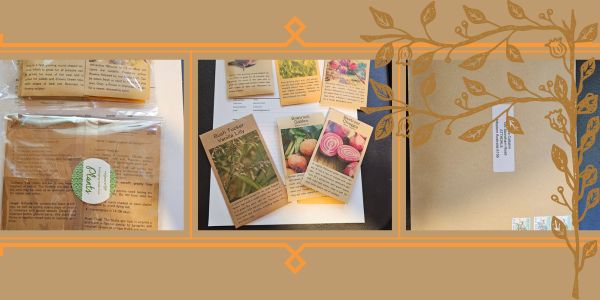
Not only are our seeds packed in recycled paper envelopes, we keep the theme going when we post out website orders. To protect your seeds from moisture and the letter box munchers (snails), we use a very special plastic free material made from plants. They are then put into recycled mailing envelopes. Green all the way ????????
Delivery Guarantee
We take great care to make sure your seeds arrive safely. If your order is lost or damaged in transit, we’ll happily send a replacement. Unfortunately, we can’t replace or refund orders that arrive later than the estimated delivery date, as delays can sometimes occur that are outside our control.
Please note that all dispatch and delivery times listed are estimates only. While we do our best to post promptly, delivery timeframes can vary due to postal service delays, weather events, or other unforeseen circumstances. We’re unable to take responsibility for any loss, damage, or cost that results from a late delivery.
An order is not considered missing until at least 20 business days have passed from the postage date. You’ll receive an email once your seeds have been posted, letting you know they’re on their way. If you don’t see it in your main inbox, please check your Spam or Promotions folders as sometimes our emails like to hide there.

See all our verified customer reviews on our official CusRev profile.
See all our verified customer reviews on our official CusRev profile.
See all our verified customer reviews on our official CusRev profile.