





Wormwood
$4.95
Artemisia Absinthium
- Seed Count 10,000
- Insect Repellent
- Perennial
Out of stock
Email when stock available
Description
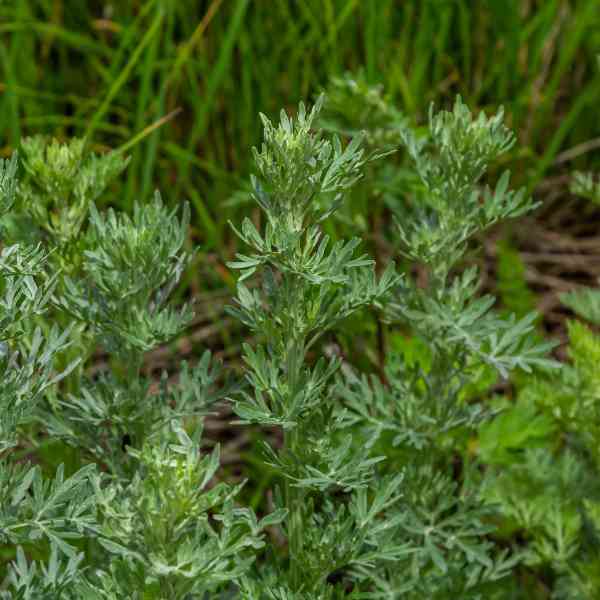
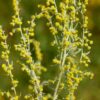
A mature Wormwood plant is an impressive feature, often forming a shrubby mound that looks soft and airy from a distance. The foliage is feathery, almost lace-like, with tiny yellow flowers that appear in late summer. While the blooms are not showy, they add to the plant’s charm and usefulness, providing food for certain beneficial insects and contributing to the overall texture of the garden.
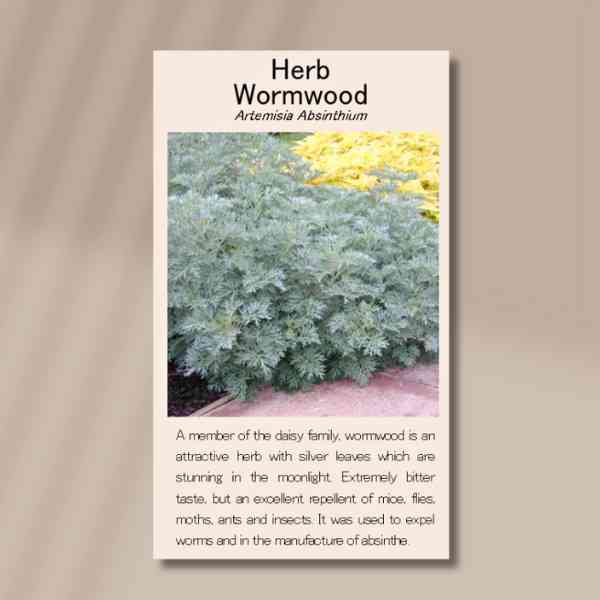
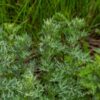
In the garden, Wormwood is instantly recognisable for its silvery, finely divided leaves that shimmer in sunlight and glow softly under the moon. The effect is striking, especially when planted among darker greens or near a garden path where that pale foliage can catch the eye in the evening causing many gardeners call it a “moonlight plant.
For centuries, it has been valued for its strong aroma and powerful bitterness, traits that make it both a medicinal treasure and a natural pest deterrent. The plant’s name itself hints at its early purpose: once upon a time, it was commonly used to expel intestinal worms from the human body, an application that gave it the common name “Wormwood.” That same bitterness, intense and unmistakable, also lies at the heart of Wormwood’s role in one of the world’s most notorious spirits: Absinthe.
Beyond its connection to the famous spirit, Wormwood has been valued as a versatile household herb. Long before synthetic pest repellents came along, people relied on herbs like Wormwood to keep insects at bay. It’s said to repel flies, moths, ants, mice, and other pests, making it a practical ally in both the home and the garden. Bundles of dried Wormwood were once hung in cupboards and tucked into linen chests to deter moths. In old cottages and barns, it might have been strewn along floors or added to thatch to discourage rodents. These uses are not just quaint tradition; modern observations still confirm that its strong aroma and natural compounds make it unwelcome to many common pests..
Many gardeners grow Wormwood as a companion plant, especially near vegetables or herbs that might attract pests. Its aromatic foliage acts as a natural deterrent, and its presence can help reduce insect pressure without resorting to sprays. It thrives with minimal fuss, tolerating poor soil, wind, and dry conditions with admirable toughness.
- Useful if you have chickens see Wormwood: The Secret Superhero for Your Chickens!
| Method: Sow seedlings | Soil Temp: 18°C - 22°C |
| Cool Mountain: Nov - Dec | Position: Part Shade |
| Arid : Aug - Jan | Row Spacing: 60 cm |
| Temperate : Sep/Nov - Mar/May | Planting Depth: 1 mm |
| Sub Tropical: May - Oct | Harvest: 365 Days |
| Tropical: Jun - Aug | Plant Height: 1 m |
🌿 Wormwood Grow Guide
Wormwood is a hardy, silver-grey perennial herb grown for its aromatic foliage, drought tolerance, ornamental value, and strong presence in herb gardens. It has finely divided leaves, a sharp herbal scent, and a tough nature once established. It suits dry garden areas, medicinal-style herb gardens, pollinator edges, silver foliage borders, large pots, and low-water plantings.
Wormwood is best grown with intention. It can become woody, spreading, and dominant if ignored, and its strong aromatic compounds may affect nearby sensitive plants. For that reason, it is often best placed at the edge of a garden bed or grown in a large container where it can be managed easily.
🌱 Sowing in Trays Versus Direct Sowing
Wormwood can be direct sown, but sowing in trays is usually the best method. The seed is extremely fine, seedlings are delicate at first, and direct sowing can lead to seed being washed away, buried too deeply, or lost among weeds.
To sow in trays, use a fine, free-draining seed-raising mix. Scatter the seed thinly across the surface and press it down gently so it has good contact with the mix. Do not bury the seed deeply, as wormwood seed needs light to germinate well. A very light dusting of fine vermiculite or seed-raising mix is enough, or the seed can be left on the surface if pressed in firmly.
Mist gently with water and keep the surface lightly moist, not wet. Good airflow is important, so avoid sealing trays in heavy humidity for too long. Once seedlings appear, keep them in bright light and water carefully so the fine stems do not collapse.
When seedlings are large enough to handle, pot them on into small individual pots. Grow them until they are sturdy and well-rooted before planting into their final position.
Direct sowing can work in a very fine, weed-free bed, but it is less reliable. If direct sowing, scatter seed thinly, press it onto the soil surface, and water with a very fine spray. For most gardeners, tray sowing is preferred because it gives much better control over such tiny seed.
🌾 Seed Pre-Treatment
Wormwood seed does not always require special pre-treatment, but cold, moist pre-treatment can improve germination, especially if seed is older or slow to sprout.
For the simplest approach, surface sow fresh seed into trays and keep it lightly moist with good light. If germination is poor or you want to improve reliability, place the seed on a lightly damp paper towel, fold it over, and put it inside a labelled bag or small container. Keep it in the fridge for about 2 to 4 weeks, then sow the seed onto the surface of seed-raising mix.
Do not soak wormwood seed in water for long periods. The seed is very fine and can become difficult to handle or rot if kept too wet. The most important requirements are light, shallow sowing, gentle moisture, and patience.
🌞 Soil and Position
Wormwood grows best in full sun with excellent drainage. A bright, open position encourages compact growth, strong silver foliage, and better aroma. In too much shade, plants may become leggy, soft, and less attractive.
The soil should be free-draining, lean to moderately fertile, and not constantly damp. Wormwood does not need rich soil. In fact, overly fertile soil can produce soft, floppy growth and reduce the plant’s natural toughness.
If your soil is heavy or clay-based, improve drainage before planting. Raised beds, mounds, gravelly herb beds, and large pots are all suitable. If your soil is sandy, wormwood will usually cope well, though a small amount of compost can help young plants establish.
In containers, use a pot with excellent drainage and a free-draining potting mix. Avoid water-holding mixes and avoid letting the pot sit in a saucer of water. Wormwood dislikes wet feet and may rot if the root zone remains soggy.
💧 Care and Maintenance
Wormwood is low maintenance once established, but it benefits from regular trimming. Water young plants until they settle in, then reduce watering as the plant becomes established. Mature wormwood is drought tolerant and usually prefers deep, occasional watering rather than frequent light watering.
Feeding should be minimal. A small amount of compost is enough in poor soil. Avoid high-nitrogen fertilisers, as they can cause weak, soft growth.
Pruning is important. Tip-prune young plants to encourage a bushier shape. Trim regularly to prevent the plant becoming woody, open, or untidy. Cut back spent flower stems if you want to keep the plant focused on foliage.
Do not cut hard into old bare wood unless there are visible shoots below the cut. Wormwood may not always regrow well from completely woody stems. A better approach is regular light pruning while growth is still leafy.
Mulch lightly with gravel, small stones, or a thin dry mulch if needed. Avoid thick wet organic mulch against the crown, as this can encourage rot.
🐝 Companion Planting Guide
Wormwood should be used carefully as a companion plant. Its strong aromatic foliage may help confuse some pests, but the plant can also suppress or interfere with sensitive neighbours. It is best grown near companion plants rather than crowded among them.
Good nearby companions include rosemary, thyme, sage, oregano, lavender, yarrow, echinacea, calendula, marigold, chamomile, native daisies, fruit trees, cabbage, kale, broccoli, and silverbeet.
Wormwood works best at the edge of a bed, in a pot, or in a dry herb border with other tough plants that enjoy sun and drainage. It can also be useful near orchard edges or poultry areas where its strong scent and hardy growth are valued.
Avoid planting wormwood directly beside tiny seedlings, delicate herbs, moisture-loving plants, or shallow-rooted crops. It is not ideal next to basil, coriander, lettuce, young carrots, or other soft leafy plants. If unsure, grow wormwood in a container so its roots are contained and nearby plants are protected.
✂️ How to Harvest
Harvest wormwood by cutting young leafy stems with clean scissors or snips. The best foliage is fresh, silver, aromatic, and not overly woody. Pick lightly from established plants and avoid stripping one section bare.
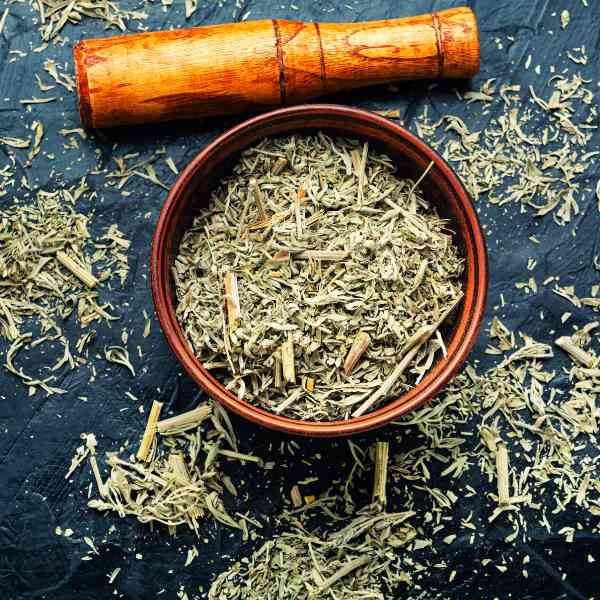
For drying, cut healthy stems and tie them into small loose bundles. Hang them upside down in a warm, shaded, airy place until the leaves are fully dry and crisp. You can also strip the leaves and dry them on a mesh rack or clean tray.
Once dry, store the leaves in an airtight jar away from heat, light, and moisture. Make sure the foliage is completely dry before storage to prevent mould.
Wormwood has a strong traditional herbal history, but it should be treated with caution. Do not use wormwood internally or medicinally without qualified advice, and avoid use during pregnancy, breastfeeding, seizure disorders, liver conditions, or when taking medication. It is a powerful bitter herb, not a casual culinary green.
⚠️ Common Issues and Fixes
| Issue | Likely Cause | Fix |
|---|---|---|
| Poor germination | Seed buried too deeply, old seed, dry surface | Surface sow, use fresh seed, keep lightly moist |
| Patchy germination | Natural dormancy, uneven moisture, fine seed clumping | Try cold moist pre-treatment, mist gently, sow thinly |
| Seed washing away | Heavy watering or rain | Water with a fine mist or from below |
| Seedlings collapse | Overwatering, poor airflow, fungal disease | Use free-draining mix, reduce watering, improve ventilation |
| Leggy seedlings | Not enough light or overcrowding | Move to brighter light and thin seedlings early |
| Yellowing leaves | Waterlogged soil, poor drainage, old growth | Improve drainage, water less often, trim tired growth |
| Plant becomes floppy | Too much shade, rich soil, excess water | Grow in full sun, reduce feeding, improve drainage |
| Weak aroma | Too much water, too much fertiliser, low light | Grow leaner, sunnier, and drier |
| Root rot | Heavy wet soil or pot sitting in water | Replant into free-draining soil and avoid soggy conditions |
| Woody open growth | Lack of pruning, old plant, uneven harvesting | Trim lightly and regularly while stems are leafy |
| Poor regrowth after cutting | Pruned into old bare wood | Cut only into leafy growth and renew old plants gradually |
| Powdery mildew | Crowding, poor airflow, dry roots with humid air | Space plants well, prune lightly, water at soil level |
| Aphids | Soft new growth after overfeeding | Hose off gently, reduce nitrogen, encourage beneficial insects |
| Spider mites | Hot, dry stress and poor plant health | Water deeply when needed, rinse foliage gently, improve plant vigour |
| Plant affecting nearby crops | Strong root competition or aromatic compounds | Move to a pot or plant at the edge of the bed |
| Unwanted seedlings | Flower heads left to mature and drop seed | Remove flowers before seed falls or collect seed heads early |
🌰 Detailed Seed Saving Guide
Saving wormwood seed is possible, but the seed is tiny and must be collected carefully. Choose healthy, vigorous plants with strong silver foliage, good aroma, compact growth, and no signs of disease. Avoid saving seed from weak, floppy, mildew-prone, or poorly shaped plants.
Allow some flower stems to remain on the plant. Wormwood flowers are small and not especially showy. As the seed matures, the flower clusters dry and turn brownish or straw-coloured. Watch them closely, as the fine seed can shed easily once fully dry.
When the flower heads are dry but before they scatter, cut the stems and place them upside down in a paper bag. Label the bag straight away. Keep it in a dry, shaded, airy place for one to two weeks so the flower heads finish drying.
Once fully dry, rub the flower heads gently between your fingers over a clean tray or sheet of white paper. The seed is very small, so work indoors and away from wind. Separate the seed from the dry flower material as best you can. A fine sieve may help remove larger chaff, but a little dry material mixed with the seed is not a major problem.
Spread the cleaned seed on paper for several extra days to make sure it is completely dry. Store it in a labelled paper envelope or small airtight jar. Include the plant name, collection date, and notes about the parent plant’s foliage colour, scent, and growth habit.
Keep stored seed in a cool, dark, dry place. Because wormwood seed is fine and can lose strength over time, it is best to save fresh seed regularly if you want to keep growing it from seed.
🌿 Final Thoughts
Wormwood is a tough, striking, silver-leaved herb that thrives with sun, sharp drainage, light feeding, and firm pruning. It is best started in trays because the seed is tiny and needs careful moisture control. Cold, moist pre-treatment is not always essential, but it can improve germination when seed is slow or older.
Once established, wormwood becomes drought tolerant and easy to maintain, but it should be placed thoughtfully. Grow it where its strong nature is useful, keep it away from delicate plants, and prune it regularly to maintain attractive foliage. With good boundaries and sensible care, wormwood can be a beautiful, resilient, and distinctive feature in the herb garden.
2 reviews for Wormwood
| 5 star | 100% | |
| 4 star | 0% | |
| 3 star | 0% | |
| 2 star | 0% | |
| 1 star | 0% |

Postage Charge
Orders under $35 attract a $4.95 shipping charge. Orders $35 and above have free shipping.
Order Times
Seed orders are normally dispatched within three business days. You will receive an email when seeds are mailed out.
Postage Days
Seeds are mailed out Tuesday to Friday at 1pm. Except for the Friday of long weekends.
Postage Times
WA 2-3 Days: SA,NT 3-5 Days: NSW, ACT, QLD, VIC: 5-7 Days
Carrier
We use Australia Post Letter Postage for the majority of orders
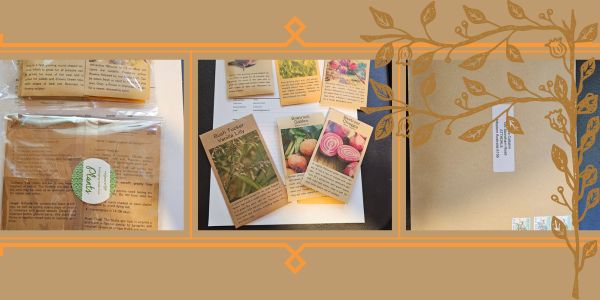
Not only are our seeds packed in recycled paper envelopes, we keep the theme going when we post out website orders. To protect your seeds from moisture and the letter box munchers (snails), we use a very special plastic free material made from plants. They are then put into recycled mailing envelopes. Green all the way ????????
Delivery Guarantee
We take great care to make sure your seeds arrive safely. If your order is lost or damaged in transit, we’ll happily send a replacement. Unfortunately, we can’t replace or refund orders that arrive later than the estimated delivery date, as delays can sometimes occur that are outside our control.
Please note that all dispatch and delivery times listed are estimates only. While we do our best to post promptly, delivery timeframes can vary due to postal service delays, weather events, or other unforeseen circumstances. We’re unable to take responsibility for any loss, damage, or cost that results from a late delivery.
An order is not considered missing until at least 20 business days have passed from the postage date. You’ll receive an email once your seeds have been posted, letting you know they’re on their way. If you don’t see it in your main inbox, please check your Spam or Promotions folders as sometimes our emails like to hide there.
See all our verified customer reviews on our official CusRev profile.
See all our verified customer reviews on our official CusRev profile.