

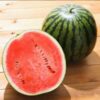


Watermelon Crimson Sweet
$4.95
Citrullus Vulgaris
- Seed Count 15
- High Sugar Content
- Annual
In stock
Description
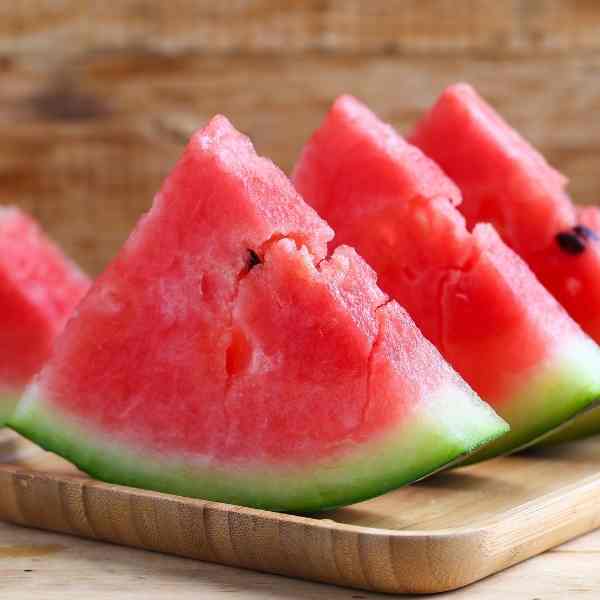
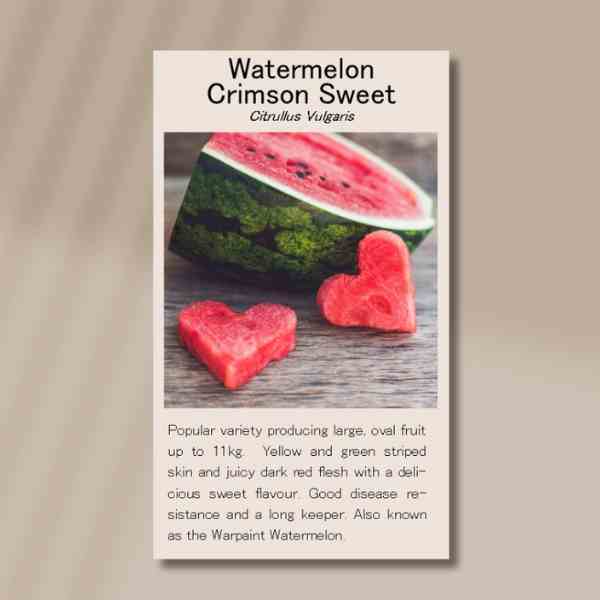
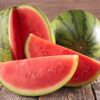
Watermelon Crimson Sweet is a reliable favourite, that delivers exactly what its name promises: deep crimson flesh, an irresistible sweetness, and that quintessential juiciness that makes every bite a delight.
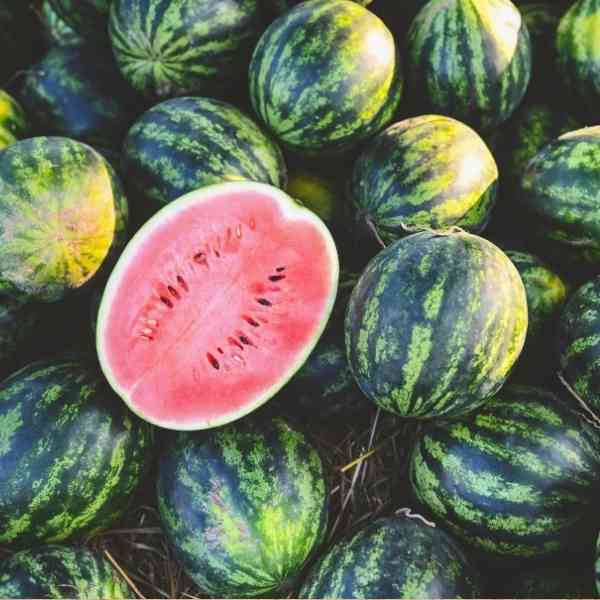
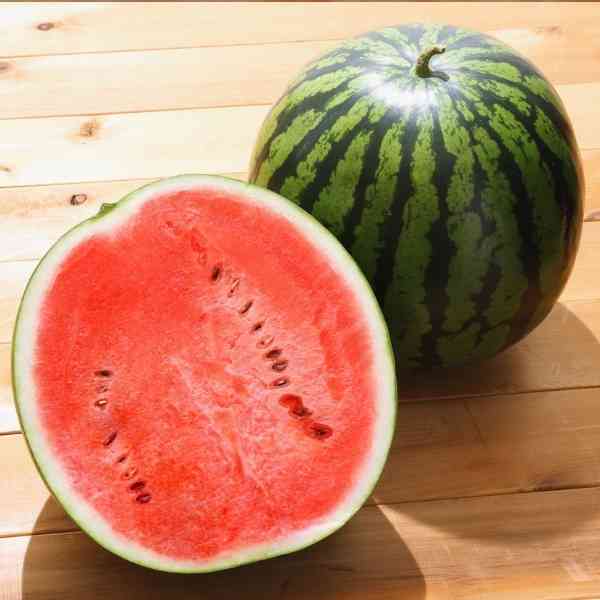
The fruits are typically large, averaging between 9 to 14 kg, with a sturdy, slightly striped rind that transitions from green to a duller shade when ripe. Inside, the flesh is a vibrant red, fine-textured, and most importantly, bursting with that unmistakable watermelon sweetness. Watermelon Crimson Sweet remains a benchmark for flavour, striking the perfect balance between sugar and water content.
The vines are vigorous, spreading generously, which is part of what makes this watermelon such a productive grower. Each plant can yield multiple fruits, so a few seeds go a long way in filling a summer table.
Another appealing aspect of Watermelon Crimson Sweet is its versatility. Of course, it’s perfect for eating fresh, sliced straight from the fridge or tossed into a fruit salad but its high sugar content also makes it excellent for juicing, sorbets, or even pickling the rind if you’re feeling adventurous.
It’s a no-nonsense watermelon that does what it’s supposed to do, grow big, sweet, and juicy. There’s a reason this variety remains popular, it simply works. So whether you’re a seasoned gardener or just starting out, Watermelon Crimson Sweet seeds offer a dependable way to bring a taste of summer to your backyard.
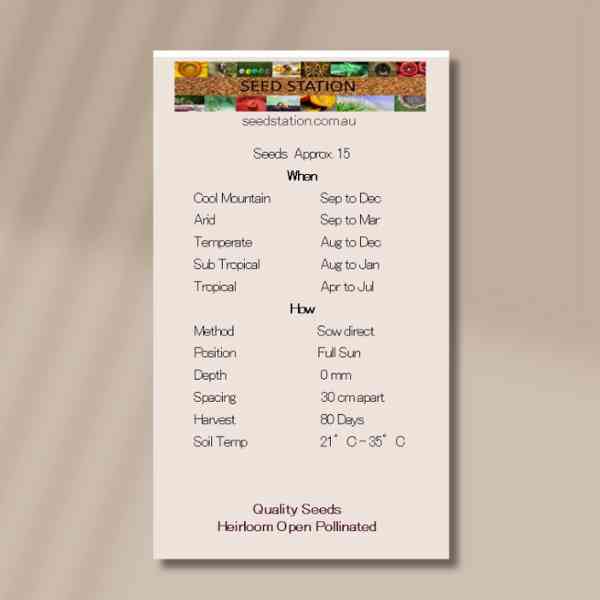
| Method: Sow direct | Soil Temp: 21°C - 35°C |
| Cool Mountain: Sep - Dec | Position: Full sun |
| Arid: Sep - Mar | Row Spacing: 75 cm |
| Temperate: Aug - Dec | Planting Depth: 10 mm |
| Sub Tropical: Aug - Jan | Harvest: 80 Days |
| Tropical: Apr - Jul | Plant Height: 20 cm |
🍉 Watermelon Grow Guide
Watermelon is a vigorous, sprawling fruiting plant grown for its sweet, juicy fruit and large leafy vines. It is a rewarding crop for gardeners with enough space, rich soil, strong sunlight, and patience. A healthy watermelon plant can produce impressive fruit, but it needs room to run, steady moisture, good pollination, and warm growing conditions to perform well.
Watermelon vines can spread widely, so planning the planting area is important. Smaller-fruited types are easier to manage in home gardens, while large-fruited types need more space, stronger growth, and more consistent care. Watermelon can also be grown on strong supports for smaller varieties, but fruit will need slings once it begins to gain weight.
🌱 Sowing in Trays Versus Direct Sowing
Watermelon can be grown by direct sowing or by starting seed in trays, and both methods can work. However, direct sowing is usually the best method when the soil is prepared and seedlings can be protected. Watermelon dislikes root disturbance, and direct sowing allows the plant to establish its roots naturally without transplant shock.
To direct sow, prepare a rich, loose, weed-free planting mound or bed. Sow seeds about 2 to 3 cm deep, cover with soil, and water gently. Keep the soil evenly moist but not soggy until seedlings emerge. If sowing more than one seed in a spot, keep the strongest seedling and remove the weaker ones once plants are established.
Tray sowing is useful if pests are a problem or if you want extra control over early growth. Use small pots or deep cells rather than shallow trays. Sow one seed per pot, cover lightly, and keep the mix moist but never waterlogged. Plant seedlings into their final position while they are still young, before roots circle the pot. Handle the whole root ball gently and avoid loosening or teasing out the roots.
For most gardeners, direct sowing is preferred, but tray sowing in individual pots is a good option when young plants need extra protection.
🌾 Seed Pre-Treatment
Watermelon seed does not require special pre-treatment. There is usually no need for soaking, chilling, or scarifying.
Fresh seed normally germinates well when planted at the correct depth into moist, free-draining soil or seed-raising mix. If seed is older or very dry, it can be soaked in room-temperature water for a few hours before sowing, but this is optional. Do not soak seed for too long, as overly wet seed can rot.
The most important factor is avoiding cold, compacted, or waterlogged soil. Watermelon seed is large and can rot if it sits in wet soil for too long before germinating.
🌞 Soil and Position
Watermelon grows best in full sun with plenty of open space. Strong sunlight supports healthy vines, flower production, fruit development, and sweetness. A shaded position usually leads to weak growth, poor flowering, and bland fruit.
The soil should be deep, fertile, loose, moisture-retentive, and free-draining. Watermelon has a strong root system and performs best in soil improved with compost, aged manure, worm castings, or well-rotted organic matter before sowing or planting.
A slightly raised mound or wide planting hill works well because it improves drainage and helps the root zone stay warm and aerated. The soil should hold enough moisture for steady growth, but excess water must drain away freely.
Avoid heavy, compacted soil, as it restricts root growth and can cause poor plant performance. If your soil is sandy, add compost to improve moisture and nutrient holding. If your soil is clay-based, improve structure with compost and plant on a raised mound.
Watermelon can be grown in very large containers, but it is more demanding this way. Choose a deep, wide container with excellent drainage and use a premium potting mix. Compact or smaller-fruited types are best for containers. Vining plants will still need space to trail or strong support.
💧 Care and Maintenance
Watermelon needs steady care during vine growth and fruit development. Water deeply and consistently, especially while plants are flowering and setting fruit. Irregular watering can lead to stressed vines, poor fruit set, splitting fruit, or bland flavour.
Water at the base of the plant rather than over the leaves. Keeping foliage dry helps reduce fungal problems. Mulch around the plant once seedlings are established to conserve moisture, suppress weeds, and keep fruit off damp soil. Straw, sugarcane mulch, or dry leaves work well. Keep mulch slightly away from the main stem to reduce the risk of rot.
Feed regularly once vines begin growing strongly. Watermelon is a heavy feeder, but feeding should be balanced. Too much nitrogen can create huge vines with fewer fruit. Early growth benefits from compost and balanced nutrition, while flowering and fruiting benefit from potassium-rich feeding.
Watermelon produces separate male and female flowers on the same plant. Male flowers grow on thin stems, while female flowers have a small swelling behind the flower that becomes the fruit. Bees and other pollinators are very important. If small fruit begin to form and then shrivel, poor pollination is often the cause. Hand pollination can help by transferring pollen from a fresh male flower to the centre of a female flower.
Once fruit begin to grow, place straw, cardboard, a tile, or a small board underneath them to keep them clean and reduce rotting. Avoid moving fruit too much, as twisting the stem can damage the vine.
Limit heavy pruning. Watermelon leaves feed the fruit, so removing too much foliage can reduce sweetness and plant strength. Only remove dead, diseased, badly damaged, or overcrowded growth when needed.
🐝 Companion Planting Guide
Watermelon benefits from companion plants that attract pollinators, improve garden diversity, and help support beneficial insects. Because watermelon relies heavily on pollination, flowering companions are especially useful.
Good companions include corn, beans, peas, radish, lettuce, basil, parsley, coriander, dill, chives, spring onions, calendula, marigold, nasturtium, alyssum, borage, cosmos, yarrow, and chamomile.
Flowers such as borage, calendula, alyssum, cosmos, marigold, and yarrow are especially useful because they help attract bees and beneficial insects. Radish and lettuce can be grown nearby while vines are still young, but they may become shaded once watermelon spreads.
Corn can provide light wind protection, but it should not shade the vines heavily. Beans and peas can be useful nearby, provided they have their own support and do not tangle through the watermelon vines.
Avoid planting watermelon too close to other large, hungry crops unless there is plenty of space, water, and fertility. Also avoid dense groundcovers that restrict airflow or hide pests. Watermelon needs open space, sunlight, and good air movement.
✂️ How to Harvest
Harvesting watermelon at the right time is one of the most important parts of growing it. Unlike some fruit, watermelon does not continue to ripen much after picking, so it should be harvested when mature.
Look for several signs together rather than relying on only one. The tendril closest to the fruit stem often turns brown and dry when the fruit is ready. The underside where the fruit rests on the ground changes from pale white to creamy yellow. The skin becomes duller rather than shiny, and the fruit feels heavy for its size.
A ripe watermelon may also make a deeper, hollow sound when tapped, though this method takes practice and is less reliable on its own.
Use clean secateurs or a sharp knife to cut the fruit from the vine, leaving a short stem attached. Do not pull or twist the fruit, as this can damage the vine and nearby fruit. Handle harvested watermelon gently to avoid bruising.
⚠️ Common Issues and Fixes
| Issue | Likely Cause | Fix |
|---|---|---|
| Poor germination | Old seed, soil too wet, seed rotting, seed sown too deeply | Use fresh seed, sow into free-draining soil, avoid soggy conditions |
| Seedlings collapse | Overwatering, poor airflow, fungal disease | Use clean mix, water carefully, improve airflow |
| Chewed seedlings | Slugs, snails, beetles, caterpillars, or birds | Protect young plants, inspect regularly, use barriers or covers |
| Lots of vines but few fruit | Too much nitrogen, poor pollination, not enough sun | Reduce nitrogen feeding, attract pollinators, grow in full sun |
| Small fruit shrivel and drop | Poor pollination or water stress | Hand pollinate female flowers and water consistently |
| Misshapen fruit | Incomplete pollination or uneven watering | Encourage bees, hand pollinate, keep moisture steady |
| Fruit splits | Irregular watering after dry stress | Water consistently and mulch well |
| Fruit tastes bland | Not enough sun, harvested too early, too much water near maturity | Grow in full sun, wait for maturity signs, avoid sudden overwatering |
| Yellowing leaves | Nutrient shortage, water stress, old leaves, poor drainage | Feed regularly, water deeply, improve drainage, remove old leaves |
| Powdery mildew | Poor airflow, stressed plants, crowded vines | Space plants well, water at soil level, remove affected leaves |
| Downy mildew | Damp foliage, poor airflow, wet conditions | Avoid overhead watering, improve spacing, remove badly affected leaves |
| Aphids | Soft new growth attracting sap-sucking insects | Hose off gently, encourage beneficial insects, use insecticidal soap if needed |
| Whitefly | Warm sheltered conditions and dense foliage | Improve airflow, use sticky traps, remove heavily affected leaves |
| Spider mites | Hot, dry, stressed plants | Water consistently, rinse foliage gently, encourage beneficial insects |
| Fruit rotting underneath | Fruit sitting on wet soil | Place straw, cardboard, tile, or board under fruit |
| Plant suddenly wilts | Root damage, stem rot, severe water stress, vine disease | Check stem base and roots, improve drainage, water deeply but not constantly |
🌰 Detailed Seed Saving Guide
Saving watermelon seed is simple, but it should be done from fully ripe fruit. Choose healthy, productive plants with strong vines, good fruit shape, sweet flavour, and no signs of disease. Avoid saving seed from weak plants, poor producers, bland fruit, or plants that suffered badly from disease.
Watermelon can cross with other watermelon varieties flowering nearby. If you want predictable seed, grow only one type for seed saving or separate different types by a generous distance. Hand pollination and covering selected flowers can also help keep seed more controlled.
Choose a fruit from one of the best plants and allow it to ripen fully on the vine. The fruit should be mature enough to eat, with good flavour and fully developed seed. Do not save seed from immature or poor-quality fruit.
Cut the ripe watermelon open and scoop out the seeds. Place the seeds in a bowl of water and rub them gently to remove pulp. Mature seeds are usually firm, plump, and well-coloured. Discard pale, flat, soft, cracked, or damaged seeds.
Rinse the good seeds well, then spread them in a single layer on a plate, mesh screen, or baking paper. Dry them in a shaded, airy place. Turn the seeds daily so they dry evenly and do not stick together. Do not dry seeds in harsh direct sun or in an oven, as too much heat can damage them.
Seeds are ready for storage when they are completely dry, hard, and snap rather than bend. This may take several days or longer depending on humidity.
Store dried seed in a labelled paper envelope or small airtight jar. Include the plant name, fruit colour or type, and collection date. Keep seed in a cool, dark, dry place. Make sure seed is fully dry before sealing it in an airtight container, as trapped moisture can cause mould.
For stronger future crops, save seed from more than one healthy fruit if possible. This helps maintain vigour and gives you a better selection of seedlings.
🌿 Final Thoughts
Watermelon is a generous and exciting crop, but it needs space, sunlight, rich soil, steady moisture, and good pollination. It is best direct sown when conditions are suitable because the roots dislike disturbance, though sowing in individual pots is useful when young seedlings need protection.
No special seed pre-treatment is required. Give watermelon deep fertile soil, regular feeding, careful watering, and plenty of room for vines to spread. Encourage bees, protect young plants, support developing fruit off wet soil, and harvest only when several ripeness signs agree. With patient care, watermelon can reward the garden with sweet, juicy fruit and a very satisfying harvest.
4 reviews for Watermelon Crimson Sweet
| 5 star | 100% | |
| 4 star | 0% | |
| 3 star | 0% | |
| 2 star | 0% | |
| 1 star | 0% |

Postage Charge
Orders under $35 attract a $4.95 shipping charge. Orders $35 and above have free shipping.
Order Times
Seed orders are normally dispatched within three business days. You will receive an email when seeds are mailed out.
Postage Days
Seeds are mailed out Tuesday to Friday at 1pm. Except for the Friday of long weekends.
Postage Times
WA 2-3 Days: SA,NT 3-5 Days: NSW, ACT, QLD, VIC: 5-7 Days
Carrier
We use Australia Post Letter Postage for the majority of orders
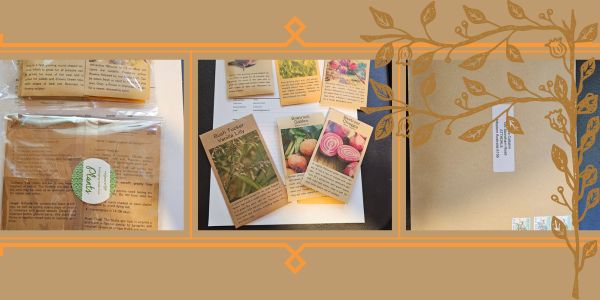
Not only are our seeds packed in recycled paper envelopes, we keep the theme going when we post out website orders. To protect your seeds from moisture and the letter box munchers (snails), we use a very special plastic free material made from plants. They are then put into recycled mailing envelopes. Green all the way ????????
Delivery Guarantee
We take great care to make sure your seeds arrive safely. If your order is lost or damaged in transit, we’ll happily send a replacement. Unfortunately, we can’t replace or refund orders that arrive later than the estimated delivery date, as delays can sometimes occur that are outside our control.
Please note that all dispatch and delivery times listed are estimates only. While we do our best to post promptly, delivery timeframes can vary due to postal service delays, weather events, or other unforeseen circumstances. We’re unable to take responsibility for any loss, damage, or cost that results from a late delivery.
An order is not considered missing until at least 20 business days have passed from the postage date. You’ll receive an email once your seeds have been posted, letting you know they’re on their way. If you don’t see it in your main inbox, please check your Spam or Promotions folders as sometimes our emails like to hide there.

Really good quality, healthy seeds…can’t wait to have the best watermelons this season.
See all our verified customer reviews on our official CusRev profile.
See all our verified customer reviews on our official CusRev profile.
See all our verified customer reviews on our official CusRev profile.
See all our verified customer reviews on our official CusRev profile.