




Tomato Black Russian
$4.95
Lycopersicon Esculentum
- Seed Count 40
- Complex, well balanced flavour
- Annual
In stock
Description
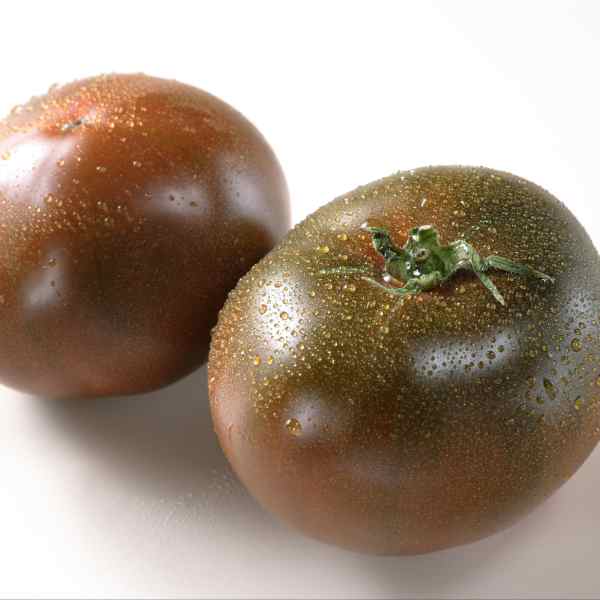
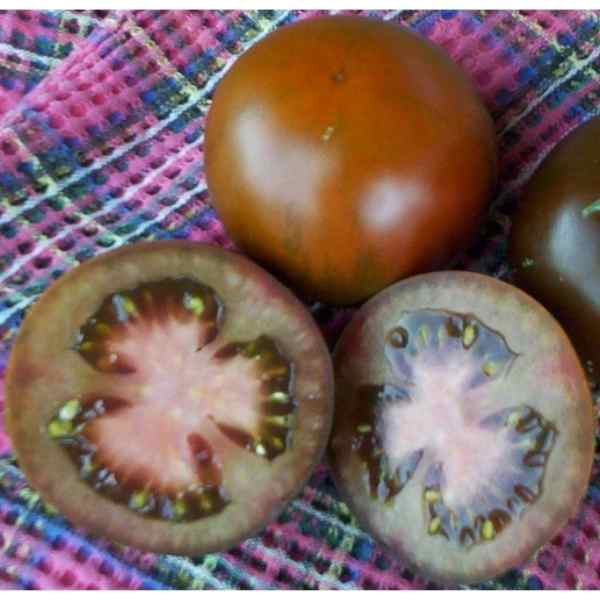
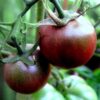
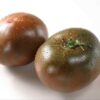
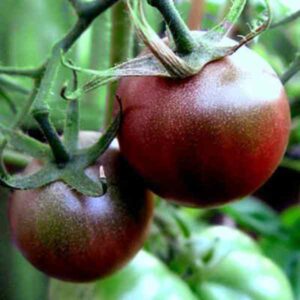
What makes the Tomato Black Russian stand apart is its colour as much as its flavour. The fruit develops into a deep, dusky mahogany brown, almost burgundy with hints of purple, often with green shoulders near the stem. Its taste is distinctive with a perfect blend of sweetness and acidity, offering a depth of flavour that lingers pleasantly on the palate.
They are excellent fresh, whether sliced into sandwiches, added to a salad, or eaten straight from the vine with a sprinkle of salt. At the same time, their richness makes them ideal for cooking, where the sugars caramelise beautifully in sauces, soups, or slow roasts.
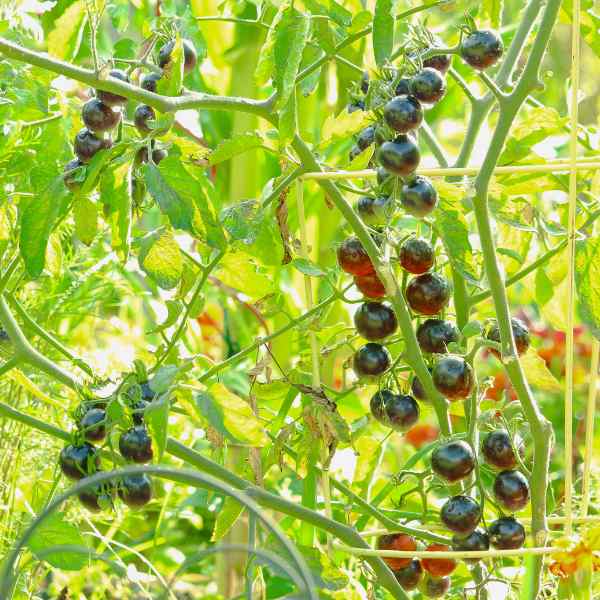
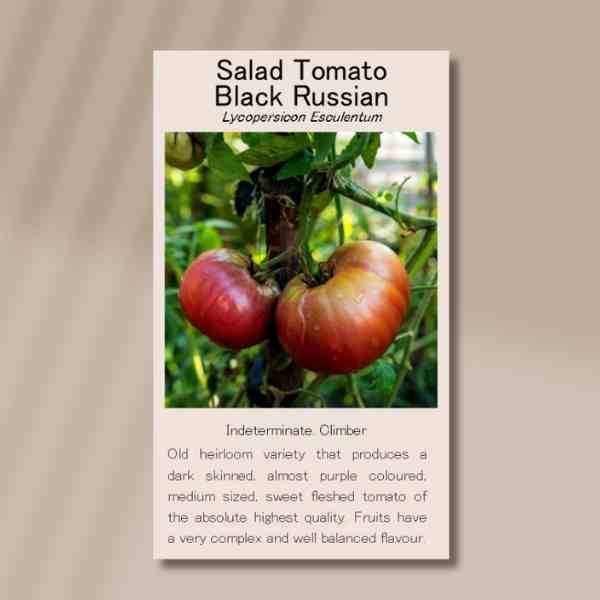
The Black Russian is indeterminate, which means it is a climbing type that keeps on producing throughout the season rather than finishing in one flush. They keep fruiting steadily, giving you a generous supply week after week. Of course, as with most indeterminate tomatoes, staking or trellising is essential. Their habit is vigorous but not unruly, and with a bit of support they channel their energy into the steady production of those dusky fruits.
The Black Russian tomato has found a steady following in Australia, where gardeners appreciate its ability to deliver high-quality fruit with exceptional flavour. The long, warm days bring out the best in its sugars and acids, giving the fruit a depth that rivals any other heirloom. For many home growers, it has become a reliable favourite, tucked alongside other classics like Oxheart or Burnley Gem, but always standing out for its unique character. To grow it is to keep that legacy alive and to treat yourself to one of the finest tomatoes you will ever eat.
Related Articles
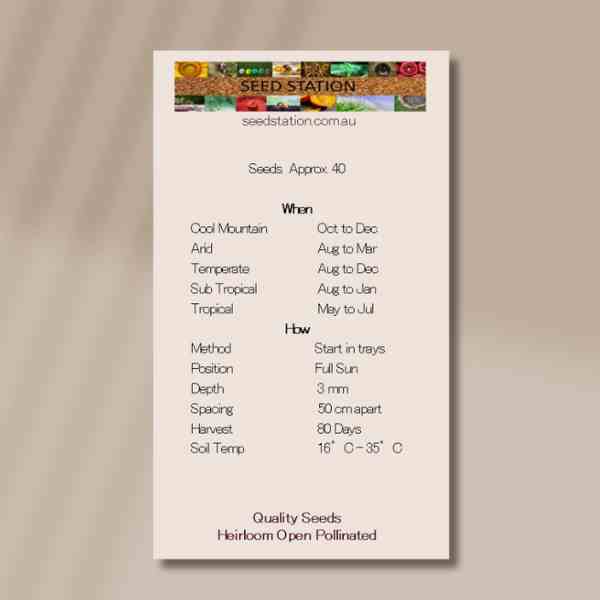
| Method: Raise seedlings | Soil Temp: 16°C - 35°C |
| Cool Mountain: Oct - Dec | Position: Full sun |
| Arid: Aug - Mar | Row Spacing: 50cm |
| Temperate: Aug - Dec | Planting Depth: 3mm |
| Sub Tropical: Aug - Jan | Harvest: 80 Days |
| Tropical: May - Jul | Plant Height: 2m |
🍅 Tomato Grow Guide
Tomatoes are one of the most popular edible plants to grow from seed because they are productive, flavourful, and wonderfully varied. Fruit can be tiny and sweet, large and meaty, round, pear-shaped, ribbed, long, red, yellow, orange, pink, purple, green, striped, or almost black depending on the type.
Tomatoes are grown mainly in two growth habits: determinate and indeterminate. Understanding the difference helps you choose the right support, pruning style, spacing, harvesting approach, and seed-saving plan.
Determinate tomatoes are bush types. They grow to a more limited size, set most of their fruit over a shorter period, and usually need less pruning. They are useful for pots, smaller spaces, and gardeners who want a concentrated harvest.
Indeterminate tomatoes are vining types. They keep growing, flowering, and fruiting for a longer period while conditions suit them. They need stronger support, more pruning, and more regular training, but they can produce steadily over a longer time.
🌱 Sowing in Trays Versus Direct Sowing
Tomatoes can be direct sown, but sowing in trays is usually the best method. Tomato seedlings benefit from controlled conditions while they are small, and tray sowing allows you to protect them from pests, heavy rain, drying soil, weeds, and uneven moisture.
To sow in trays, use a fine seed-raising mix and sow seed about 5 mm deep. Cover lightly, water gently, and keep the mix evenly moist but not soggy. Once seedlings develop their first true leaves, pot them on into individual pots so they can form strong roots before planting into their final position.
Tomatoes are one of the few vegetables that can be planted slightly deeper when moved into larger pots or into the garden. Roots can form along the buried stem, creating a stronger root system. Remove the lowest leaves before deeper planting so no leaves are buried.
Direct sowing can work in a clean, prepared bed, but it is less reliable. The seedlings are small at first and can be damaged by pests, weeds, or inconsistent moisture. For most gardeners, tray sowing is strongly preferred.
For determinate tomatoes, tray sowing allows you to raise compact, sturdy plants and place them at the right final spacing without disturbing their limited growth cycle.
For indeterminate tomatoes, tray sowing is especially useful because strong early seedlings are needed before the plant begins its long climbing or staking phase.
🌾 Seed Pre-Treatment
Tomato seed does not require special pre-treatment. There is usually no need for soaking, chilling, or scarifying.
Fresh seed normally germinates well when sown shallowly into moist, free-draining seed mix. A short soak in room-temperature water for a few hours is optional for older seed, but it is not necessary. If soaking, sow promptly and avoid leaving seed wet for too long.
The most important requirements are fresh seed, shallow sowing, steady moisture, warmth, and good light after germination.
There is no major difference between determinate and indeterminate tomatoes at the seed pre-treatment stage. Both are treated the same.
🌞 Soil and Position
Tomatoes grow best in full sun with fertile, free-draining soil and good airflow. Strong light supports sturdy growth, flowering, fruit set, and good flavour. Poor light often leads to leggy plants, fewer flowers, and reduced fruit quality.
The soil should be rich, loose, moisture-retentive, and well-drained. Before planting, improve the soil with compost, aged manure, worm castings, or well-rotted organic matter. Tomatoes need steady nutrition, but soil should not be overloaded with nitrogen, as this can produce leafy plants with fewer fruit.
Good drainage is essential. Tomatoes like consistent moisture, but they dislike waterlogged roots. In heavy soil, improve structure with compost and plant slightly raised if needed. In sandy soil, organic matter helps hold moisture and nutrients.
For containers, choose a large pot with drainage holes and use a premium potting mix. Small pots dry out quickly and can lead to stressed plants, blossom end rot, and poor fruiting.
Determinate tomatoes are usually better for pots and smaller spaces because they stay more compact. They still need a generous container, but they usually do not need the same height of support as vining types.
Indeterminate tomatoes need deeper soil, more root space, and stronger support. They are best placed where a tall stake, trellis, cage, or string system can be installed securely.
💧 Care and Maintenance
Tomatoes need consistent water, regular feeding, support, pruning where appropriate, and good airflow. Water deeply at the base of the plant rather than over the leaves. Keeping foliage dry helps reduce disease pressure. Irregular watering can cause fruit splitting, blossom end rot, flower drop, and stressed growth.
Mulch around plants once they are established. Mulch helps conserve moisture, suppress weeds, and reduce soil splash onto leaves. Keep mulch slightly away from the stem to reduce the risk of rot.
Feed regularly once plants begin growing strongly. Use compost, worm tea, liquid seaweed, fish emulsion, or a balanced vegetable fertiliser. Once flowering begins, choose feeding that supports flowers and fruit rather than only leafy growth. Too much nitrogen can delay fruiting and encourage soft, pest-prone growth.
Support should be installed early. Tomatoes can become heavy quickly once fruit begins forming.
Determinate tomatoes need a cage, short stake, or low support to hold the bush upright. They should not be heavily pruned, because many of their flowers and fruit form on the side shoots. Removing too many side shoots can reduce the total harvest. Lightly remove lower leaves that touch the soil and any diseased or crowded foliage.
Indeterminate tomatoes need strong vertical support. A tall stake, trellis, cage, or string line is important. They usually benefit from regular pruning of side shoots, often called suckers, especially if you want a tidier plant with better airflow and larger fruit. Train one or two main stems upward and tie them gently with soft ties.
For both types, remove yellowing, diseased, or soil-touching leaves. Avoid stripping too many healthy leaves at once, as leaves feed the fruit and protect it from sunscald.
🌿 Determinate Versus Indeterminate at Each Growing Stage
At the seedling stage, both types are grown almost the same way. They need good light, steady moisture, and protection from pests. The main difference is planning ahead: determinate plants are prepared for bush support, while indeterminate plants are prepared for taller staking or trellising.
At the transplanting stage, both types can be planted slightly deeper to encourage extra roots along the stem. Determinate tomatoes should be planted where they have enough room to form a bush. Indeterminate tomatoes should be planted near their final tall support.
At the early growth stage, determinate tomatoes should be allowed to branch naturally. Only remove weak, damaged, or very low growth. Indeterminate tomatoes can begin training to one or two main stems, with unwanted side shoots removed regularly.
At the flowering stage, determinate tomatoes often set many flowers over a shorter window. Keep watering and feeding steady, as stress at this stage can reduce the main crop. Indeterminate tomatoes flower progressively, so ongoing care and training are needed over a longer period.
At the fruiting stage, determinate tomatoes often ripen a large amount of fruit in a shorter flush. This is useful for sauces, preserving, and batch cooking. Indeterminate tomatoes ripen more gradually, making them excellent for a steady supply of fresh fruit.
At the pruning stage, determinate tomatoes need minimal pruning. Indeterminate tomatoes usually need regular pruning, tying, and airflow management.
At the harvest stage, determinate tomatoes are usually picked heavily over a shorter period. Indeterminate tomatoes are checked and harvested regularly as new fruit continues forming.
At the seed-saving stage, both types are saved in the same way, but choose parent plants based on the habit you want. Save from compact, productive bush plants if you want determinate traits. Save from vigorous, long-cropping vines if you want indeterminate traits.
🐝 Companion Planting Guide
Tomatoes grow well with companions that attract pollinators, support beneficial insects, improve garden diversity, or make good use of space around the plant.
Good companions include basil, parsley, chives, spring onions, carrots, lettuce, spinach, silverbeet, beetroot, radish, celery, beans, marigold, calendula, alyssum, nasturtium, borage, yarrow, chamomile, cosmos, and dill.
Basil is a classic tomato companion because it enjoys similar soil, light, and watering. Flowers such as calendula, alyssum, marigold, borage, and yarrow help attract bees, hoverflies, ladybirds, and other beneficial insects.
Determinate tomatoes pair well with low-growing companions around the edge of the bed or pot because the bush stays more compact.
Indeterminate tomatoes should not be crowded at the base. Use low companions sparingly and keep airflow clear around the main stem.
Avoid planting tomatoes where they will be crowded by large, hungry crops. Also avoid placing them too close to plants that need very dry soil, such as rosemary, thyme, sage, oregano, and lavender, unless each plant has its own watering zone.
✂️ How to Harvest
Harvest tomatoes when the fruit has developed good colour, feels slightly soft for its type, and separates easily from the plant. Some tomatoes are best picked fully ripe, while others can be picked just as they begin to colour and allowed to finish ripening indoors.
Use clean snips or gently twist fruit from the stem. For larger fruit, cutting is safer because pulling can damage the plant. Handle fruit carefully, as ripe tomatoes bruise easily.
Determinate tomatoes often produce a concentrated harvest. Check plants often once fruit begins ripening, as several fruit may mature close together. This makes them excellent for cooking, sauces, drying, and preserving.
Indeterminate tomatoes produce over a longer period. Harvest regularly to keep the plant productive and to prevent overripe fruit attracting pests.
Do not leave damaged or rotting fruit on the plant or soil. Remove it promptly to reduce pest and disease buildup.
⚠️ Common Issues and Fixes
| Issue | Likely Cause | Fix |
|---|---|---|
| Poor germination | Old seed, cold mix, seed buried too deeply, uneven moisture | Use fresh seed, sow shallowly, keep mix evenly moist |
| Seedlings collapse | Overwatering, poor airflow, fungal disease | Use clean seed mix, avoid soggy conditions, improve ventilation |
| Leggy seedlings | Not enough light or overcrowding | Move to brighter light and pot on early |
| Slow growth | Poor soil, low warmth, root restriction, nutrient shortage | Improve soil, use larger pots, feed lightly, avoid stress |
| Yellowing leaves | Nutrient shortage, waterlogging, old leaves, root stress | Improve drainage, feed regularly, remove tired leaves |
| Lots of leaves but few fruit | Too much nitrogen, not enough sun, over-pruning stress | Reduce nitrogen feeding, increase light, prune appropriately |
| Flowers drop | Water stress, heat stress, poor pollination, weak plants | Water consistently, mulch, feed steadily, gently tap flowers |
| Blossom end rot | Irregular watering affecting calcium movement | Keep moisture even, mulch well, avoid drying out between waterings |
| Fruit splitting | Heavy watering after dry stress | Water consistently and mulch deeply |
| Sunscald | Fruit suddenly exposed to harsh sun after heavy pruning | Keep healthy leaf cover and avoid stripping plants |
| Small fruit | Poor feeding, dry stress, overcrowding, too many fruit | Feed regularly, water deeply, space well |
| Poor fruit set | Low pollination, heat stress, too much shade | Encourage pollinators, gently tap flowers, grow in stronger light |
| Leaf curl | Water stress, heat, root damage, heavy pruning, pests | Check moisture, avoid over-pruning, inspect for pests |
| Brown leaf spots | Fungal or bacterial disease, wet foliage, poor airflow | Water at soil level, remove affected leaves, improve spacing |
| Powdery mildew | Poor airflow, dry roots with humid air | Improve spacing, water deeply, remove affected leaves |
| Aphids | Soft new growth attracting sap-sucking insects | Hose off gently, encourage ladybirds and hoverflies |
| Whitefly | Dense foliage and sheltered conditions | Improve airflow, use sticky traps, remove badly affected leaves |
| Spider mites | Hot, dry, stressed plants | Water consistently, rinse foliage gently, support plant health |
| Caterpillar damage | Chewed leaves, flowers, or fruit | Inspect regularly and hand-pick pests |
| Fruit fly damage | Eggs laid in ripening fruit | Pick promptly, use exclusion bags, remove fallen fruit |
| Root rot | Heavy wet soil or overwatering | Improve drainage, reduce watering, grow in raised beds or pots |
| Determinate plant gives small crop | Heavy pruning removed fruiting shoots | Prune lightly and keep natural bush shape |
| Indeterminate plant becomes tangled | Not trained or pruned regularly | Tie to support and remove excess side shoots |
🌰 Detailed Seed Saving Guide
Saving tomato seed is simple and very worthwhile. Choose healthy, productive plants with good flavour, strong growth, disease resistance, and fruit that matches the type you want to keep. Avoid saving seed from weak plants, badly diseased plants, or fruit that is poor quality.
For determinate tomatoes, save seed from plants that stay compact, crop well, and produce good fruit over their natural shorter harvest period.
For indeterminate tomatoes, save seed from plants that vine strongly, keep producing, and carry healthy fruit over a longer period.
Select fully ripe fruit from the best plants. The fruit should be mature, well-shaped, and typical of the plant. Do not save seed from underripe fruit.
Cut the tomato open and squeeze the seeds and gel into a small jar. Add a little water if needed. Cover loosely and leave the mixture to ferment for 1 to 3 days, stirring once daily. Fermentation helps remove the gel coating around the seed.
Do not leave the seed fermenting too long, as seed quality can decline. Once a thin film forms on the surface and the seeds begin separating from the gel, add water, stir, and let the good seed sink. Pour off floating pulp and poor seed. Repeat with clean water until the seed is clean.
Spread the cleaned seed on baking paper, a plate, or a fine screen in a shaded, airy place. Stir or move the seed daily so it dries evenly and does not clump. Do not dry seed in harsh direct sun or in an oven.
Seed is ready for storage when it is completely dry and no longer bends or feels soft. Store in a labelled paper envelope or small airtight jar. Include the plant name, fruit colour, fruit shape, growth habit, and collection date. Keep seed in a cool, dark, dry place.
Tomatoes are mostly self-pollinating, but insects can occasionally move pollen between plants. If you are growing several types and want very predictable seed, separate varieties or bag selected flowers before they open.
🌿 Final Thoughts
Tomatoes are generous, flavourful, and deeply satisfying to grow from seed. They are best started in trays because seedlings benefit from protection and controlled early growth. No special seed pre-treatment is required.
The main choice is whether you are growing determinate or indeterminate tomatoes. Determinate tomatoes are compact, bushy, lightly pruned, and suited to concentrated harvests. Indeterminate tomatoes are tall, vining, regularly trained, and suited to ongoing harvests.
Give tomatoes full sun, rich free-draining soil, steady moisture, regular feeding, strong support, and good airflow. Prune according to the plant type, harvest often, and save seed from the healthiest plants with the best fruit. With thoughtful care, tomatoes can become one of the most productive and rewarding crops in the edible garden.

Postage Charge
Orders under $35 attract a $4.95 shipping charge. Orders $35 and above have free shipping.
Order Times
Seed orders are normally dispatched within three business days. You will receive an email when seeds are mailed out.
Postage Days
Seeds are mailed out Tuesday to Friday at 1pm. Except for the Friday of long weekends.
Postage Times
WA 2-3 Days: SA,NT 3-5 Days: NSW, ACT, QLD, VIC: 5-7 Days
Carrier
We use Australia Post Letter Postage for the majority of orders
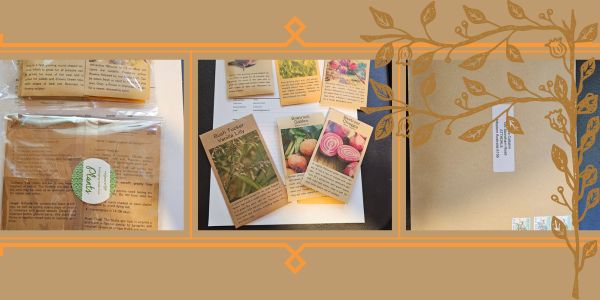
Not only are our seeds packed in recycled paper envelopes, we keep the theme going when we post out website orders. To protect your seeds from moisture and the letter box munchers (snails), we use a very special plastic free material made from plants. They are then put into recycled mailing envelopes. Green all the way ????????
Delivery Guarantee
We take great care to make sure your seeds arrive safely. If your order is lost or damaged in transit, we’ll happily send a replacement. Unfortunately, we can’t replace or refund orders that arrive later than the estimated delivery date, as delays can sometimes occur that are outside our control.
Please note that all dispatch and delivery times listed are estimates only. While we do our best to post promptly, delivery timeframes can vary due to postal service delays, weather events, or other unforeseen circumstances. We’re unable to take responsibility for any loss, damage, or cost that results from a late delivery.
An order is not considered missing until at least 20 business days have passed from the postage date. You’ll receive an email once your seeds have been posted, letting you know they’re on their way. If you don’t see it in your main inbox, please check your Spam or Promotions folders as sometimes our emails like to hide there.
Reviews
There are no reviews yet