
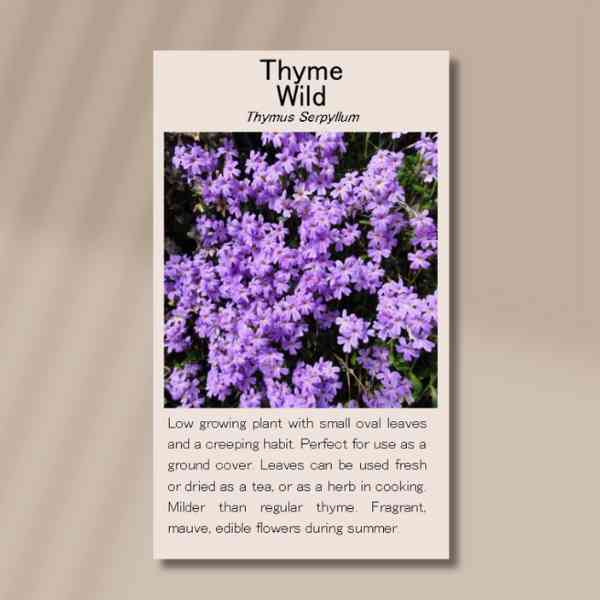





Thyme Wild
$4.95
Thymus Serpyllum
- Seed count 500
- Mauve Flowers
- Perennial
Out of stock
Email when stock available
Description
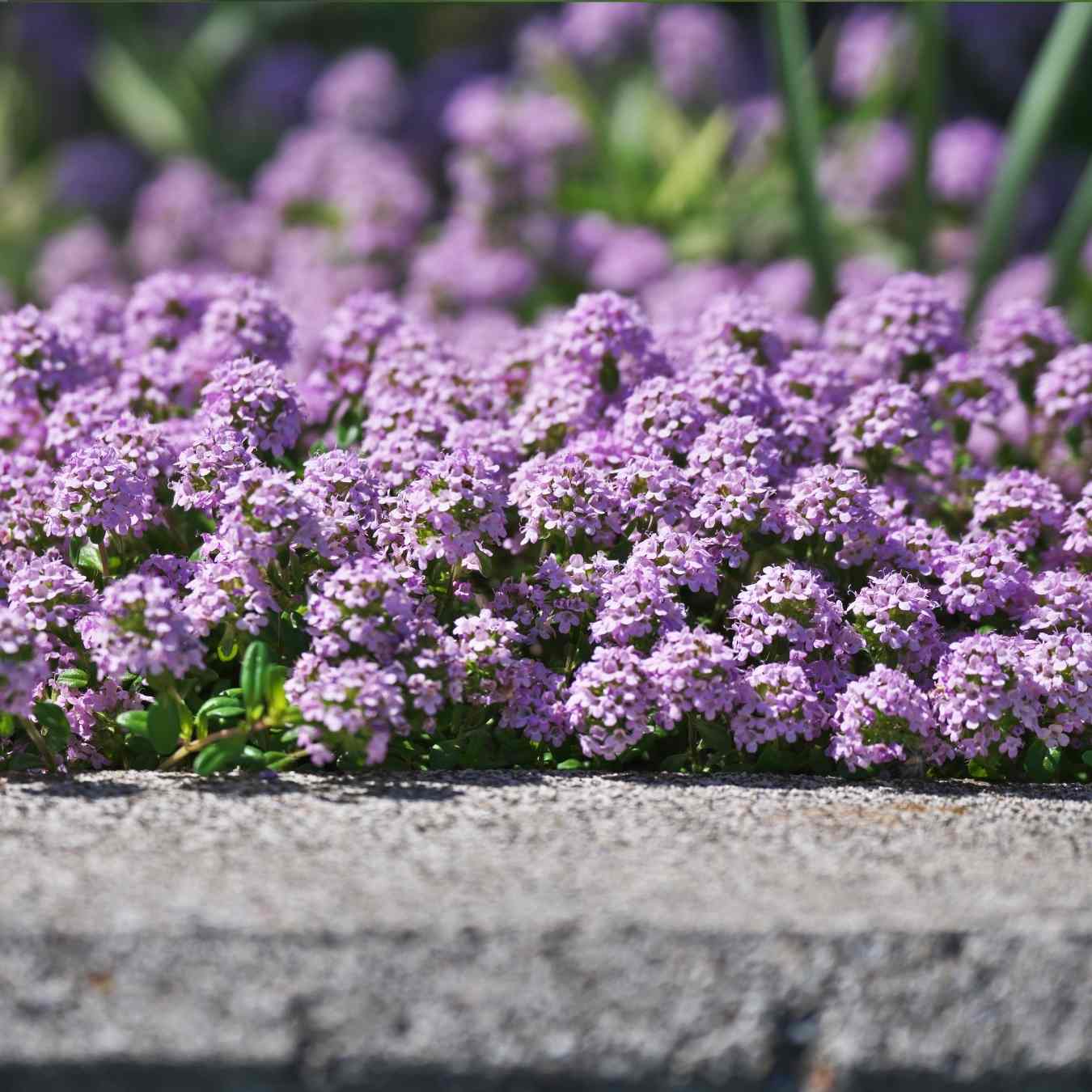
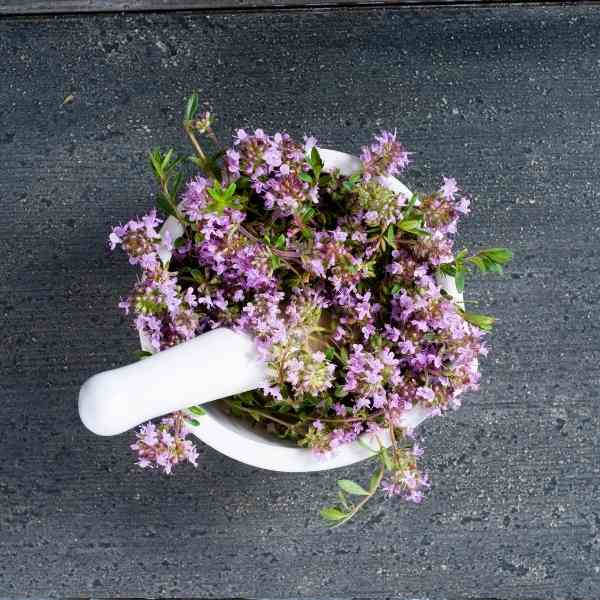
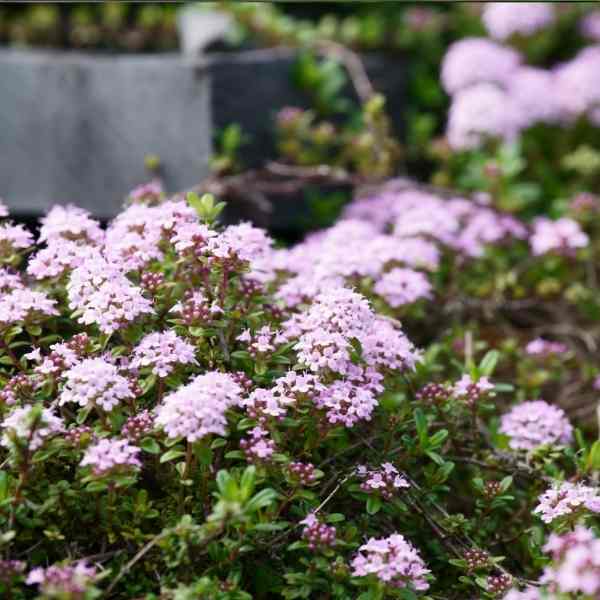
One of the best low growing ground covers, forming evergreen dense cushions where the stems creep along the ground rather than rise vertically. Blooming from November through to May with prolific clusters of flowers in shades of mauve. Leaves can be used fresh or dried as a tea, or as an herb in cooking. Milder than regular thyme with fragrant, edible flowers during summer.
There are very few ground covers that can be walked-on, but creeping thyme is one of them. It is suitable as a lawn substitute in small areas, an ideal ground cover to use between stepping-stones or near to patios and walkways. Hardy with good drought tolerance, these low maintenance plants don’t require mowing, watering or care, and can take a lot of abuse. When you step on them, they emit a lovely fragrance.
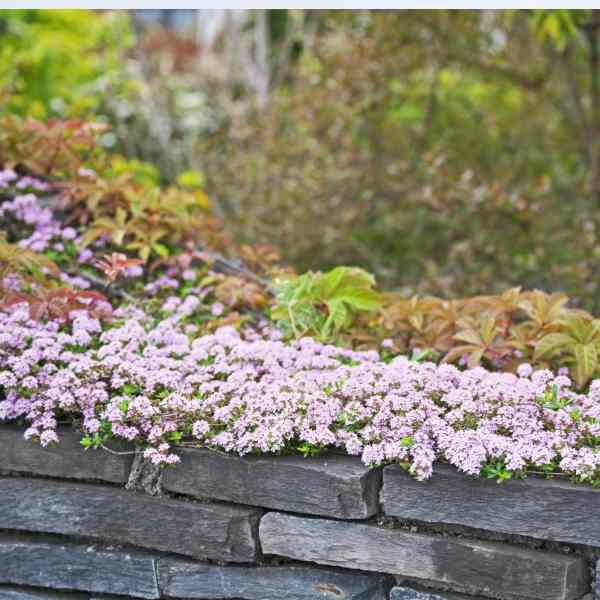
Because of its low growth habit this diminutive Thyme can be used effectively in the foreground of just about any planting in the landscape. It can be used in borders where it is an excellent ground cover between taller plants. It is especially popular to use in spots where the plants can cascade over a rockery or wall. It is an easy plant to maintain, does not tend to take-over and can easily be confined to a specific area. It tolerates many soil types, including heavy clay. Its leaves can be used as a culinary herb and the flowers are very attractive to bees and butterflies. A versatile, low maintenance groundcover, its uses in the garden are almost unlimited.
| Method: Start in Trays | Soil Temp: 15°C - 25°C |
| Cool Mountain: Sep - Nov | Position: Full sun |
| Arid: May - Jul | Row Spacing: 30 cm |
| Temperate: Aug - Nov | Planting Depth: 3 mm |
| Sub Tropical: Jul - Nov | Harvest: 90 Days |
| Tropical: Jul - Aug | Plant Height: 30 cm |
🌿 Thyme Grow Guide
Thyme is a hardy, aromatic herb grown for its tiny flavour-packed leaves, low spreading habit, and excellent usefulness in the kitchen garden. It is a wonderful choice for herb beds, rockeries, pots, edging, dry garden areas, and sunny vegetable garden borders. Once established, thyme is tough, drought tolerant, and long lived when given the right drainage.
Thyme is not a plant that enjoys rich, wet soil or too much fuss. It prefers a leaner life with sun, airflow, and free-draining ground. The most common mistake is overwatering or planting it in soil that stays damp for too long. If you keep the roots dry enough, trim it regularly, and avoid overfeeding, thyme can become one of the most dependable herbs in the garden.
🌱 Sowing in Trays Versus Direct Sowing
Thyme can be grown by direct sowing or by starting seed in trays, but sowing in trays is usually the best method. The seed is very small, seedlings are slow at first, and young plants can be easily lost among weeds if sown directly into the garden.
To sow in trays, fill a seed tray or small cells with a fine, free-draining seed-raising mix. Scatter the seed thinly over the surface and press it down gently. Cover with only the lightest dusting of fine mix or vermiculite. Thyme seed should not be buried deeply, as shallow sowing gives much better results. Mist gently and keep the mix lightly moist, not wet.
Germination can be slow and uneven, so patience is important. Once seedlings are large enough to handle, prick them out carefully into small pots or cells. Grow them on until they are sturdy and well-rooted before planting into their final position.
Direct sowing can work in a very fine, weed-free bed, but it is less reliable. The seed is tiny, can wash away easily, and seedlings grow slowly enough that weeds may overtake them. If direct sowing, press the seed onto prepared soil, cover very lightly, water with a fine spray, and keep the area just moist until seedlings establish.
For most gardeners, tray sowing is preferred because it gives better control, stronger young plants, and fewer losses.
🌾 Seed Pre-Treatment
Thyme seed does not require special pre-treatment. There is usually no need for soaking, chilling, or scarifying.
The most important factors are fresh seed, shallow sowing, good light, gentle moisture, and patience. The seed is fine and can fail if buried too deeply or kept too wet. Avoid soaking thyme seed because it is small and can become difficult to handle.
A good trick is to mix the seed with a little dry sand before sowing. This helps spread it more evenly across the tray surface and reduces clumping.
🌞 Soil and Position
Thyme grows best in full sun with excellent drainage. A bright, open position encourages strong aroma, compact growth, and healthier plants. Too much shade can make thyme leggy, weak, and less flavourful.
The soil should be free-draining, gritty, and not overly rich. Thyme prefers soil that is slightly lean rather than heavy with fertiliser. If your soil is clay-based or holds water, improve drainage before planting. Raised beds, mounds, rock garden edges, and pots are all useful ways to keep the roots from sitting wet.
If growing thyme in containers, choose a pot with plenty of drainage holes and use a free-draining potting mix. Adding coarse sand, fine gravel, or perlite can help improve drainage. Avoid large amounts of rich compost or water-holding mixes, as thyme dislikes soggy roots.
Thyme also appreciates good airflow. Avoid planting it where dense plants will crowd over it or shade it heavily.
💧 Care and Maintenance
Thyme is low maintenance once established, but it needs careful watering while young. Keep seedlings and newly planted thyme lightly moist until they settle in. Once established, water only when the soil has dried out. Deep, occasional watering is better than frequent shallow watering.
Feeding should be minimal. Too much fertiliser creates soft growth with weaker flavour and can make the plant more prone to disease. A small amount of compost or a very light herb fertiliser is enough if the plant is growing in poor soil.
Pruning is important for keeping thyme healthy. Trim lightly after harvests to encourage fresh growth and prevent the plant from becoming woody. Do not cut hard into old bare wood unless there are visible shoots below the cut, as thyme may not regrow strongly from completely woody stems.
Remove dead, weak, or crowded growth to improve airflow. If the centre of an older plant becomes woody and open, take cuttings or start fresh plants from seed so you always have young productive thyme available.
Mulching with gravel or small stones can work well around thyme because it keeps foliage off damp soil and improves drainage around the crown. Avoid thick wet organic mulch against the stems.
🐝 Companion Planting Guide
Thyme is an excellent companion plant because its flowers attract bees and other beneficial insects, while its strong scent adds diversity to mixed plantings. It is especially useful around vegetable beds, herb gardens, and pollinator areas.
Good companions include rosemary, sage, oregano, lavender, marjoram, chives, parsley, basil, tomatoes, capsicum, eggplant, cabbage, broccoli, kale, carrots, strawberries, calendula, alyssum, marigold, chamomile, and nasturtium.
Thyme works beautifully near brassicas such as cabbage, broccoli, and kale. It also pairs well with Mediterranean-style herbs that enjoy sun and drainage. In vegetable gardens, it can be planted along bed edges where it will not be shaded by taller crops.
Avoid planting thyme beside moisture-loving plants that need constantly damp soil. It is also not a good match for vigorous groundcovers that can smother its low growth. Give thyme its own breathing room and keep taller plants from shading it too heavily.
✂️ How to Harvest
Harvest thyme once the plant is established and growing strongly. Snip small stems using clean scissors rather than pulling at the plant. Cut just above a leafy point to encourage branching and fresh growth.
For the best flavour, harvest young leafy stems before the plant becomes too woody. Regular light harvesting keeps thyme compact and productive. Avoid removing more than one-third of the plant at once, especially from young plants.
Thyme can be used fresh or dried. To dry it, cut healthy stems, tie them into small loose bundles, and hang them upside down in a warm, shaded, airy place. You can also lay stems on a drying rack or paper towel. Once fully dry, strip the leaves from the stems and store them in an airtight jar away from heat and light.
Thyme flowers are also edible and can be used as a garnish, though leaving some flowers is helpful for bees and other pollinators.
⚠️ Common Issues and Fixes
| Issue | Likely Cause | Fix |
|---|---|---|
| Poor germination | Seed buried too deeply, old seed, mix too wet or too dry | Use fresh seed, surface sow lightly, keep mix just moist |
| Patchy seedlings | Fine seed clumping, uneven moisture, slow germination | Mix seed with sand, mist gently, allow extra time |
| Seedlings collapse | Overwatering, poor airflow, fungal disease | Use free-draining mix, avoid soggy trays, improve ventilation |
| Leggy seedlings | Not enough light or overcrowding | Move to stronger light and thin seedlings early |
| Slow growth | Cool damp soil, poor light, root disturbance | Provide sun, improve drainage, avoid overwatering |
| Yellowing leaves | Waterlogged soil, overwatering, poor drainage | Let soil dry, improve drainage, move to a raised or potted position |
| Brown brittle growth | Severe dryness, old woody stems, root restriction | Water deeply when needed, trim lightly, refresh old plants |
| Plant becomes woody | Age, lack of pruning, irregular harvesting | Trim lightly and often, start new plants if centre becomes bare |
| Weak flavour | Too much fertiliser, too much water, too much shade | Reduce feeding, water less often, grow in full sun |
| Root rot | Heavy wet soil or pot without drainage | Replant into free-draining mix, use pots with drainage holes |
| Powdery mildew | Poor airflow, crowded growth, damp conditions | Thin nearby plants, prune lightly, avoid overhead watering |
| Aphids | Soft new growth, excess nitrogen | Hose off gently, reduce feeding, encourage beneficial insects |
| Spider mites | Hot dry stress, poor plant health | Water deeply when dry, rinse foliage gently, remove badly affected stems |
| Plant dies back after hard pruning | Cut into old bare wood | Prune lightly into leafy growth only and renew old plants gradually |
🌰 Detailed Seed Saving Guide
Saving thyme seed is possible, though the seed is very small and can be fiddly to collect. Choose healthy, strongly scented plants with compact growth, good flavour, and no signs of disease. Avoid saving seed from weak, woody, poorly flavoured, or mildew-prone plants.
Allow some flowers to remain on the plant after blooming. The flower heads will gradually dry and turn brown. Seed is ready when the spent flower clusters are dry and papery, but before they shatter completely.
Cut the dry flowering stems and place them upside down in a paper bag. Label the bag straight away. Keep it in a dry, shaded, airy place for one to two weeks so the seed heads finish drying.
Once fully dry, gently rub the flower heads between your fingers over a clean tray or sheet of white paper. The seed is tiny, so work slowly and avoid doing this in wind. Separate the seed from the dry flower material as best you can. A fine sieve can help remove larger pieces of chaff, but a small amount of dry material mixed with the seed is not a problem.
Spread the cleaned seed on paper for several extra days to make sure it is completely dry. Store it in a labelled paper envelope or small airtight jar. Include the plant name, collection date, and any notes about flavour, flower colour, or growth habit. Keep stored seed in a cool, dark, dry place.
For better future plants, save seed from several healthy thyme plants rather than only one. This helps maintain vigour and gives you a wider selection of seedlings to choose from.
🌿 Final Thoughts
Thyme is a tough, useful, and beautifully aromatic herb, but it succeeds best when treated like a dry-loving plant rather than a leafy vegetable. It is best started in trays because the seed is tiny and seedlings are slow. No special seed pre-treatment is needed, but shallow sowing and careful moisture control are essential.
Give thyme full sun, sharp drainage, light feeding, and regular gentle trimming. Avoid wet soil, heavy fertiliser, and deep shade. With the right conditions, thyme will provide fragrant leaves, edible flowers, pollinator value, and reliable harvests for a long time.
5 reviews for Thyme Wild

Postage Charge
Orders under $40 attract a $5.50 shipping charge. Orders $35 and above have free shipping.
*** We cannot deliver to Parcel Lockers ***
Order Times
Seed orders are normally dispatched within three business days. You will receive an email when seeds are mailed out.
Postage Days
Seeds are mailed out Tuesday to Friday at 1pm. Except for the Friday of long weekends.
Postage Times
WA 2-3 Days: SA,NT 3-5 Days: NSW, ACT, QLD, VIC: 5-7 Days
Carrier
We use Australia Post Letter Postage for the majority of orders.
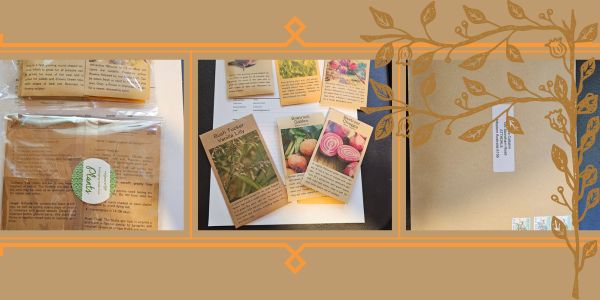
Not only are our seeds packed in recycled paper envelopes, we keep the theme going when we post out website orders. To protect your seeds from moisture and the letter box munchers (snails), we use a very special plastic free material made from plants. They are then put into recycled mailing envelopes. Green all the way ????????
Delivery Guarantee
We take great care to make sure your seeds arrive safely. If your order is lost or damaged in transit, we’ll happily send a replacement. Unfortunately, we can’t replace or refund orders that arrive later than the estimated delivery date, as delays can sometimes occur that are outside our control.
Please note that all dispatch and delivery times listed are estimates only. While we do our best to post promptly, delivery timeframes can vary due to postal service delays, weather events, or other unforeseen circumstances. We’re unable to take responsibility for any loss, damage, or cost that results from a late delivery.
An order is not considered missing until at least 20 business days have passed from the postage date. You’ll receive an email once your seeds have been posted, letting you know they’re on their way. If you don’t see it in your main inbox, please check your Spam or Promotions folders as sometimes our emails like to hide there.
See all our verified customer reviews on our official CusRev profile.
See all our verified customer reviews on our official CusRev profile.
See all our verified customer reviews on our official CusRev profile.
See all our verified customer reviews on our official CusRev profile.
See all our verified customer reviews on our official CusRev profile.