
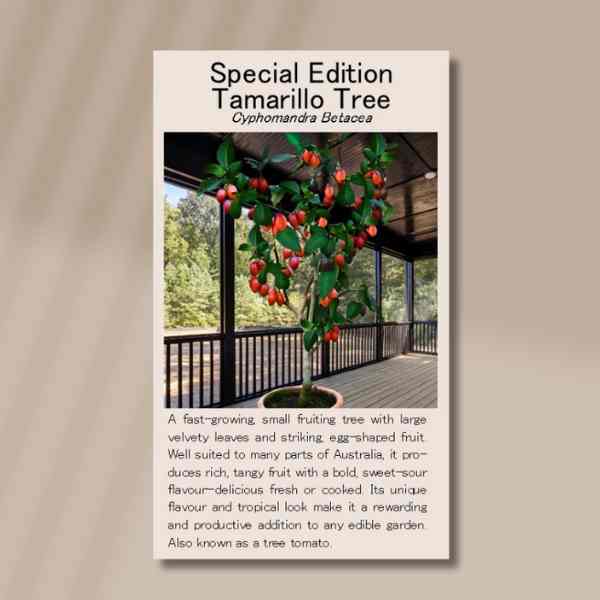




Tamarillo Tree
$6.59
Cyphomandra Betacea
- Seed Count 30
- Sweet And Sour Notes
- Short Lived Perennial to 3m
In stock
Description
The tamarillo tree or tree tomato has been quietly adored in Aussie gardens for decades, especially among those who love to grow a little something different.
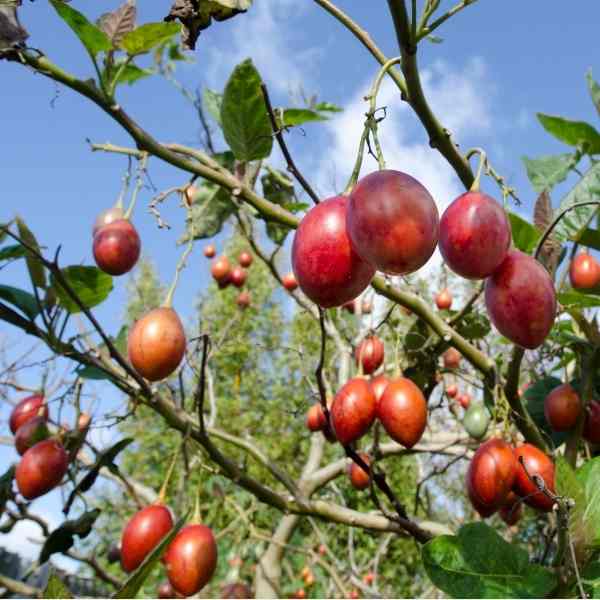
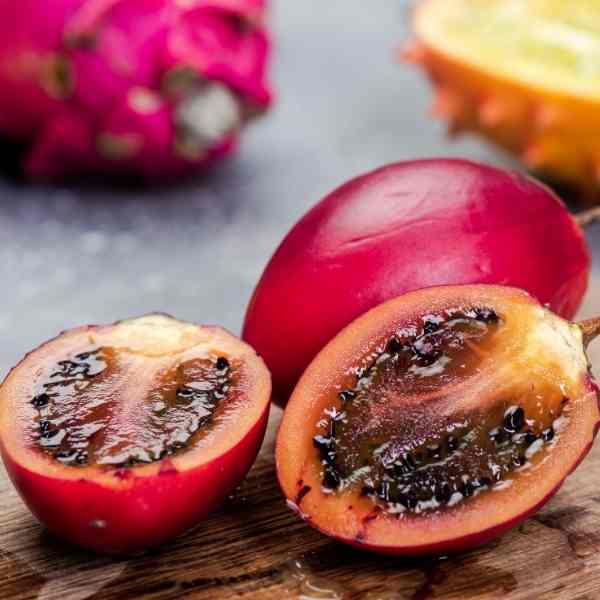
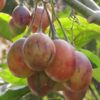
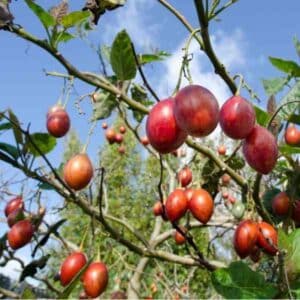
The fruit it produces are egg-shaped with the inner flesh ranging from deep orange to ruby red, with bold black seeds nestled in a juicy interior. The flavour is complex and refreshing and slightly astringent with sweet and sour notes, perfect for chutneys, sauces, and even eaten fresh with a sprinkle of sugar.
The tamarillo belongs to the Solanaceae family which is the same family as tomatoes, capsicums, and eggplants but unlike its relatives, this one grows as a small, fast-growing tree. It’s a short-lived perennial that can reach up to two or three metres tall in just a couple of seasons. In the right conditions, it forms a softly branching canopy with large, lush, heart-shaped leaves that give it a slightly tropical look.
Tamarillo is native to the Andes of South America, where it grows in cool, subtropical conditions which something that makes it surprisingly well-suited to many parts of Australia. Gardeners in areas with mild winters and warm summers will often find that this tree thrives with very little fuss. It prefers a little shelter from strong winds and doesn’t like frost, but once established, it’s a hardy and forgiving plant that can yield generously for years with just a little seasonal care.
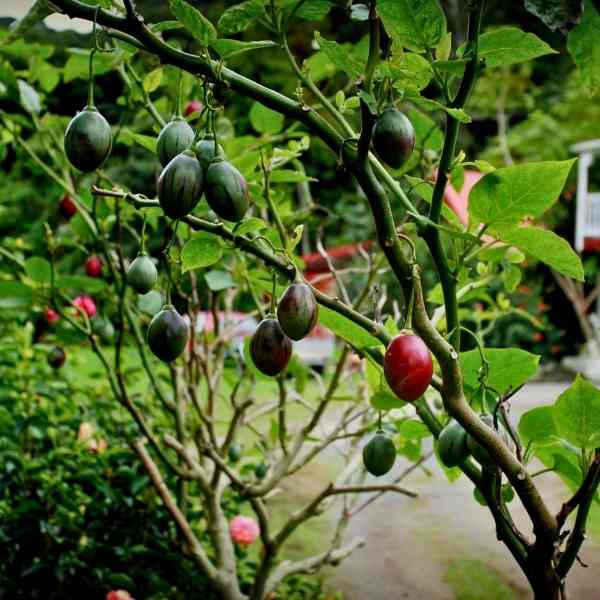
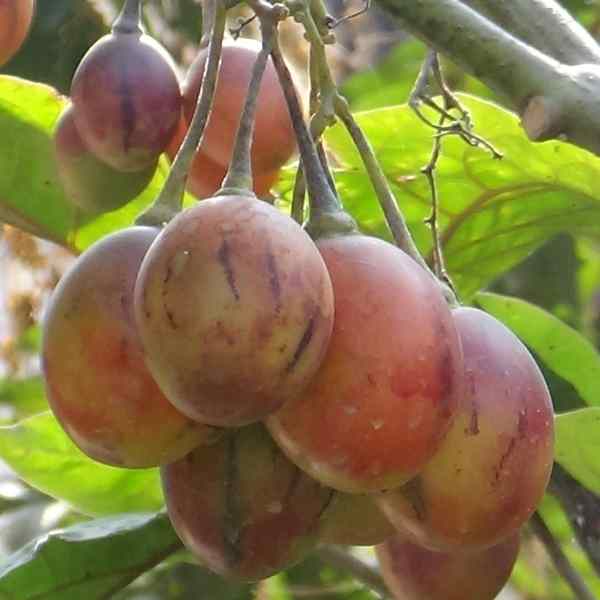
In terms of yield, a healthy tamarillo tree can produce dozens of fruit in a season, particularly in its second and third years. The fruit develop in small clusters, starting as pale green ovals before ripening into shades of amber, red, or purple. Even the flowering stage is worth a mention—the blossoms are delicate and star-shaped, tinged with soft pink and white, and they’re lightly fragrant, especially in the morning.
Because it grows quickly and doesn’t require a huge footprint, the tamarillo is a popular choice for small-space gardeners looking to add a little vertical interest. It can be pruned to shape if needed, and while it prefers being in the ground, it can also do well in a large pot if given rich soil and regular feeding. Its shallow root system means it appreciates mulch and regular water—but this isn’t a fussy diva of a plant. It’s a solid performer, happy to settle in and get on with the job.
What also sets tamarillo apart is its culinary versatility. Once harvested, the fruit can be eaten fresh, stewed, poached, or turned into sauces, jams, and relishes. Its bold flavour holds up beautifully in both sweet and savoury dishes. Many gardeners enjoy roasting them with honey or blending them into smoothies for a vibrant burst of flavour. It’s also an excellent fruit for preserving; a few jars of tamarillo chutney can go a long way when summer harvests are in full swing.
| Method: Start in trays | Soil Temp: 21°C - 27°C |
| Cool Mountain: Sep - Nov | Position: Full sun |
| Arid: Aug - Oct | Row Spacing: 3 m apart |
| Temperate: Aug - Nov | Planting Depth: 5 mm |
| Sub Tropical: Jul - Oct | Harvest: 700 days |
| Tropical: Apr - Aug | Plant Height: 3 m |
🍅 Tamarillo Grow Guide
🌿 Overview
Tamarillo is a fast-growing, small fruiting tree valued for its glossy leaves, attractive form, and egg-shaped fruits with a rich sweet-tart flavour. The fruit is often eaten fresh when fully ripe, scooped from the skin, or used in sauces, chutneys, jams, desserts, juices, and savoury dishes. It is sometimes called a tree tomato because of its fruit shape and flavour, but it grows more like a soft-wooded small tree than a typical tomato plant.
Tamarillo is productive, ornamental, and rewarding, but it is also somewhat brittle and shallow-rooted. It needs shelter from strong wind, steady moisture, fertile soil, and protection from harsh stress while young. With good care, it can become a generous backyard fruiting plant that produces large clusters of colourful fruit.
🌱 Sowing in Trays vs Direct Sowing
Tamarillo can be grown from seed either in trays or by direct sowing, but starting in trays or small pots is the best method. The seedlings are delicate when young, and tray sowing gives much better control over moisture, warmth, pests, and spacing.
For tray sowing, use a fine, free-draining seed-raising mix. Sow the seed shallowly and cover with a light layer of mix. Keep the surface evenly moist but not soggy. A fine mist or bottom-watering method is helpful because heavy watering can dislodge the seed or compact the mix. Once seedlings are large enough to handle, move them carefully into individual pots. Grow them on until they have a strong root system before planting into their final position.
Direct sowing is not usually recommended. Seeds may dry out, rot in heavy soil, be eaten by pests, or be overwhelmed by weeds before the seedlings are strong enough. If direct sowing is attempted, sow into a sheltered, weed-free, well-prepared bed and protect the area carefully.
For tamarillo, tray or pot sowing is strongly recommended because it produces stronger plants and greatly improves early survival.
💧 Seed Pre-Treatment
Tamarillo seed does not require special pre-treatment. Fresh seed usually germinates well when sown shallowly into a moist, free-draining mix.
If saving seed from fruit, clean the seed well before sowing. The pulp around the seed can encourage mould if left attached. Rinse the seed thoroughly and allow it to dry briefly before sowing or storing.
A short soak in room-temperature water for a few hours can help older seed hydrate evenly, but it is optional. Do not soak for too long, as wet seed can become prone to rotting.
🌞 Soil and Position
Tamarillo grows best in a sheltered, sunny to lightly shaded position. It enjoys strong light, but protection from damaging wind is very important because the branches are brittle and can snap easily. A warm, protected spot near a fence, wall, windbreak, or among other sheltering plants is ideal.
The soil should be fertile, loose, moisture-retentive, and well-drained. Tamarillo needs regular moisture, but it does not like waterlogged ground. Before planting, improve the soil with compost, aged manure, worm castings, or well-rotted organic matter. This helps feed the plant while also improving soil structure.
Avoid planting in heavy clay that stays wet, very dry sandy soil with no organic matter, or exposed windy sites. If drainage is poor, plant on a raised mound. If soil dries quickly, use generous compost and mulch to help hold moisture.
Tamarillo can also be grown in a large pot, but the container must be wide, deep, and stable. Use a premium fruiting plant potting mix, and make sure drainage is excellent.
🌿 Care and Maintenance
Tamarillo grows quickly and needs steady care to perform well. Water deeply and regularly, especially while the plant is young and during flowering and fruit development. The soil should stay evenly moist, but never saturated. Irregular watering can cause stress, leaf drop, poor fruiting, and smaller fruit.
Mulch generously around the root zone to conserve moisture, reduce weeds, and protect the shallow roots. Keep mulch slightly away from the trunk so the base does not stay damp. Because tamarillo has shallow roots, avoid digging around the plant once it is established.
Feed regularly during active growth with compost, aged manure, worm castings, or a balanced fruiting fertiliser. Tamarillo is a hungry plant and responds well to steady nutrition. Avoid excessive high-nitrogen feeding, as this can encourage soft leafy growth that is more vulnerable to pests and wind damage.
Pruning helps shape the plant and improve strength. When young, tip prune to encourage branching at a manageable height. Remove weak, damaged, crossing, or crowded growth. Because the wood is brittle, aim for a balanced framework rather than a tall, top-heavy plant. After fruiting, prune lightly to encourage fresh growth and maintain shape.
Staking may be needed while the plant is young. Use soft ties and allow some movement so the trunk can strengthen. In windy areas, shelter is more important than heavy staking.
🌼 Companion Planting Guide
Tamarillo grows well with companions that help protect the soil, attract pollinators, and improve garden diversity. Good companions include comfrey, nasturtium, calendula, alyssum, basil, parsley, coriander, dill, marigold, borage, lemon balm, chives, garlic, beans, lettuce, and clover.
Flowering companions such as alyssum, calendula, borage, dill, coriander, and parsley help attract bees, hoverflies, and other beneficial insects. These can improve pollination and help balance pest pressure.
Low-growing plants such as clover, lettuce, nasturtium, and calendula can help shade the soil and reduce moisture loss. Chives, garlic, and herbs add diversity around the base without becoming too competitive if kept under control.
Avoid planting tamarillo with large, thirsty, aggressive plants that compete heavily for water and nutrients. Also avoid planting it where roots will be disturbed often, as tamarillo dislikes root damage.
🧺 How to Harvest
Tamarillo fruit is ready to harvest when it has developed full colour, feels slightly softened, and comes away from the plant easily. Depending on the type, ripe fruit may be red, orange, yellow, or deep purple-red. Fruit picked too early may be sharp and underdeveloped, while fully ripe fruit has better flavour and aroma.
Harvest by gently twisting the fruit or cutting the stem with clean secateurs. Avoid pulling hard, as the branches can be brittle and may snap. Handle fruit carefully to prevent bruising.
The skin is usually tough and bitter, so the flesh is commonly scooped out with a spoon. Fruit can also be briefly blanched to loosen the skin before cooking. Tamarillos are excellent in chutneys, sauces, jams, desserts, smoothies, and savoury glazes.
⚠️ Common Issues and Fixes
| Issue | Likely Cause | Fix |
|---|---|---|
| Poor germination | Old seed, seed buried too deeply, mix drying out | Use fresh seed, sow shallowly, keep mix evenly moist |
| Seedlings collapsing | Damping off from excess moisture or poor airflow | Use clean seed mix, avoid overwatering, improve airflow |
| Slow seedling growth | Low warmth, poor light, weak mix, overcrowding | Provide bright light, pot on early, use quality seed mix |
| Yellowing leaves | Nutrient deficiency, overwatering, poor drainage, root stress | Check drainage, feed with compost or balanced fertiliser, water evenly |
| Leaf drop | Dry stress, cold stress, root disturbance, sudden changes | Mulch well, water consistently, avoid disturbing roots |
| Few flowers | Too much shade, poor nutrition, young plant, excessive pruning | Improve light, feed steadily, allow plant to mature, prune lightly |
| Flowers dropping | Water stress, heat stress, poor pollination, weak plant | Water deeply, mulch, attract pollinators, avoid overfeeding nitrogen |
| Small fruit | Lack of water, low nutrients, too much crop load | Feed regularly, maintain moisture, thin weak clusters if needed |
| Branches snapping | Wind exposure, heavy fruit load, brittle wood | Plant in shelter, prune for balance, support heavy branches if needed |
| Aphids or whitefly | Soft new growth, poor airflow, low beneficial insects | Spray off with water, improve airflow, attract beneficial insects |
| Chewed leaves | Caterpillars, beetles, grasshoppers, snails | Inspect regularly, hand-remove pests, protect young plants |
| Root rot | Waterlogged soil, poor drainage, overwatering | Improve drainage, plant on a mound, reduce watering |
| Sunburnt fruit or leaves | Sudden exposure, harsh reflected heat, poor canopy cover | Maintain healthy foliage, provide light protection in extreme exposure |
| Poor pot growth | Small pot, drying out, exhausted mix, weak feeding | Use a large pot, water consistently, refresh mix, feed regularly |
🌾 Detailed Seed Saving Guide
Saving tamarillo seed is simple and worthwhile, especially from fruit with excellent flavour, good size, strong colour, and healthy parent plants. Begin by choosing ripe fruit from the healthiest and most productive plant available. Avoid saving seed from weak, diseased, poor-flavoured, or badly misshapen fruit unless there is no better option.
Cut the ripe fruit open and scoop the pulp and seeds into a small bowl or jar. Add a little water and stir well. The seed is surrounded by slippery pulp, so it needs to be cleaned before drying. Leave the mixture for a short fermentation period of one to two days, stirring daily. This helps separate the seed from the pulp.
After fermentation, add more water, stir, and allow the heavier seed to settle. Pour off floating pulp and poor-quality seed. Repeat rinsing until the water is mostly clear and the seed looks clean.
Spread the cleaned seed in a thin layer on a ceramic plate, glass dish, baking paper, or fine mesh screen. Dry it in a shaded, airy place. Stir the seed each day so it does not clump. Avoid drying on paper towel, as the seed can stick firmly.
Once completely dry, store the seed in a labelled paper envelope or airtight container. Include the plant name, fruit colour, parent plant notes, and year collected. Keep the seed in a cool, dark, dry place. A small moisture absorber can be added to the storage jar if humidity is high.
For best future results, save seed from several good fruits and, where possible, from more than one strong plant. Seed-grown tamarillos may show natural variation, so keep the strongest seedlings and remove weak or poor-growing ones.
🌟 Final Thoughts
Tamarillo is a fast-growing, productive, and attractive fruiting plant that rewards good care with colourful, tangy fruit and lush garden presence. It is best started in trays or pots, then planted into a sheltered, fertile, well-drained position where its shallow roots and brittle branches are protected.
The keys to success are tray sowing, clean seed, steady moisture, rich soil, good drainage, wind protection, regular feeding, mulch, and careful pruning. With the right care, tamarillo can become a generous and beautiful fruiting feature in the garden, offering fresh eating, cooking, preserving, and easy seed saving for future plants.
2 reviews for Tamarillo Tree
| 5 star | 50% | |
| 4 star | 0% | |
| 3 star | 0% | |
| 2 star | 0% | |
| 1 star | 50% |

Postage Charge
Orders under $35 attract a $4.95 shipping charge. Orders $35 and above have free shipping.
Order Times
Seed orders are normally dispatched within three business days. You will receive an email when seeds are mailed out.
Postage Days
Seeds are mailed out Tuesday to Friday at 1pm. Except for the Friday of long weekends.
Postage Times
WA 2-3 Days: SA,NT 3-5 Days: NSW, ACT, QLD, VIC: 5-7 Days
Carrier
We use Australia Post Letter Postage for the majority of orders

Not only are our seeds packed in recycled paper envelopes, we keep the theme going when we post out website orders. To protect your seeds from moisture and the letter box munchers (snails), we use a very special plastic free material made from plants. They are then put into recycled mailing envelopes. Green all the way ????????
Delivery Guarantee
We take great care to make sure your seeds arrive safely. If your order is lost or damaged in transit, we’ll happily send a replacement. Unfortunately, we can’t replace or refund orders that arrive later than the estimated delivery date, as delays can sometimes occur that are outside our control.
Please note that all dispatch and delivery times listed are estimates only. While we do our best to post promptly, delivery timeframes can vary due to postal service delays, weather events, or other unforeseen circumstances. We’re unable to take responsibility for any loss, damage, or cost that results from a late delivery.
An order is not considered missing until at least 20 business days have passed from the postage date. You’ll receive an email once your seeds have been posted, letting you know they’re on their way. If you don’t see it in your main inbox, please check your Spam or Promotions folders as sometimes our emails like to hide there.
See all our verified customer reviews on our official CusRev profile.
Hi John, Many apologies, I was not aware that you had not received your order. I will contact you by email to confirm delivery address. Kind regards Jacqueline
See all our verified customer reviews on our official CusRev profile.
See all our verified customer reviews on our official CusRev profile.