

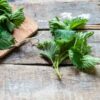

Nettle Stinging
$4.95
Urtica Dioca
- Seed Count 1500
- Medicinal And Culinary Herb
- Perennial
In stock
Description
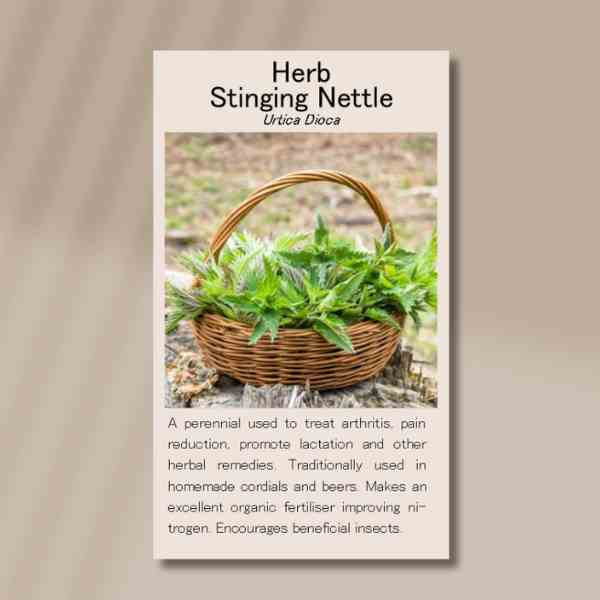
Stinging Nettle might not win any popularity contests at first glance with those tiny hairs that leave a prickly memory on bare skin that are hard to forget but it’s one of the most useful, nourishing, and resilient plants we have at our disposal. from its remarkable nutritional value to its many uses around the garden.
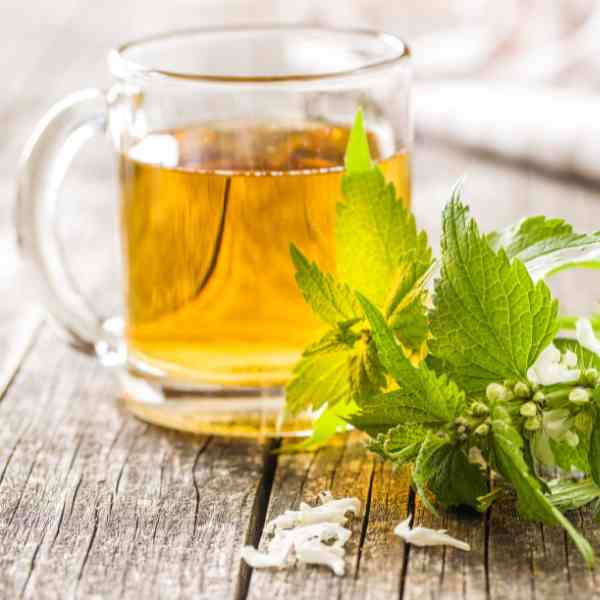
In the kitchen, Stinging Nettle has long been valued as a traditional leafy green that is used much like spinach in soups, stews, and even pesto’s. The leaves are rich in iron, magnesium, calcium, vitamin A, vitamin C, and a host of beneficial compounds that make them a deeply nourishing addition to the diet. If you’re feeling run down or looking to support your immune system naturally, nettle tea or nettle juice might be just the ticket.
Cooking neutralises the stinging hairs and unlocks the plant’s full flavour and nutritional value. A bowl of nettle soup is as comforting as it is good for you and nettle makes a surprisingly good addition to homemade beer and cordials, for those who like to experiment in the kitchen.
From a gardener’s point of view, Stinging Nettle is one of those quiet multitaskers that gives back to the garden in ways many other plants simply can’t. The leaves and stems can be soaked in water to create a potent nitrogen-rich liquid fertiliser which gives leafy crops a real boost, particularly during their growth stage.
Add nettles to your compost heap and they act as a natural compost activator, speeding up decomposition and helping to break down tough organic matter. They bring balance to the pile and get things cooking faster and it’s a fantastic way to recycle the clippings after harvest.
Because it grows so vigorously once established, nettle also makes a handy plant to grow near your compost heap or tucked into a “wild corner” of your garden. Its roots help improve soil structure, and it often acts as a refuge for beneficial insects like ladybirds and certain species of butterfly, who lay their eggs on the leaves.
Whether you’re adding it to your diet, using it to nourish your garden, or simply keeping it as part of a biodiverse backyard, nettle is a plant that truly rewards. It might not be the showiest thing in the patch, but it’s one of the most valuable and once you grow it, you’ll wonder how you ever did without it.
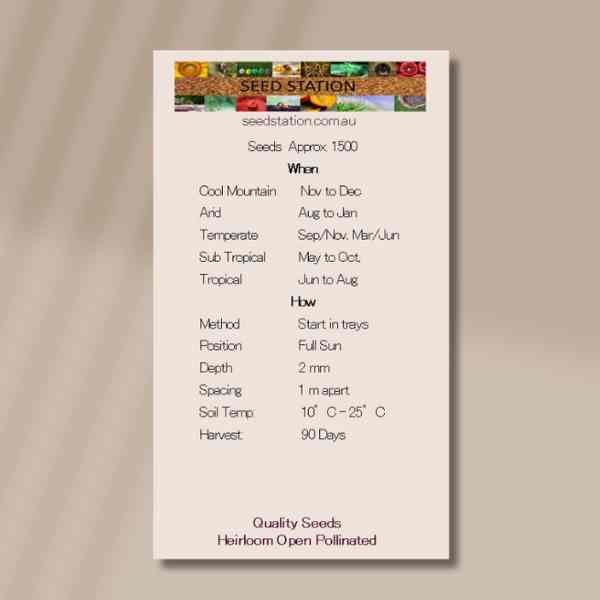
| Method: Start in trays | Soil Temp: 10°C - 25°C |
| Cool Mountain: Nov - Dec | Position: Part sun |
| Arid: Aug - Jan | Row Spacing: 1 m |
| Temperate: Sep-Nov, Mar-Jun | Planting Depth: 3 mm |
| Sub Tropical: May - Oct | Harvest: 90 Days |
| Tropical: Jun - Aug | Plant Height: 1 m |
🌿 Stinging Nettle Grow Guide
🌱 Overview
Stinging nettle is a vigorous, nutrient-rich herb grown for its edible young shoots, mineral-rich leaves, compost value, liquid plant feed, wildlife benefits, and seed production. It is a plant with a strong personality: generous, useful, and resilient, but also capable of spreading aggressively if allowed to grow unchecked.
The leaves and stems are covered in tiny stinging hairs that can irritate skin, so this is a plant best grown with intention. It should be placed where it can be managed easily, away from paths, children’s play areas, pets, and high-traffic garden spaces. A contained bed, large pot, or dedicated wild corner is usually best.
Once cooked, dried, blended, or crushed properly, the sting is neutralised. Young leaves are commonly used in teas, soups, cooked greens, sauces, and herbal preparations. In the garden, nettle is also valuable for attracting beneficial insects, supporting biodiversity, and making a strong liquid feed for leafy vegetables.
🌱 Sowing in Trays vs Direct Sowing
Stinging nettle can be grown from seed either in trays or by direct sowing, but sowing in trays is usually the better method.
The seeds are very small and can be slow or uneven to germinate. Tray sowing gives better control over moisture, light, spacing, and early weed competition. Use a fine seed-raising mix, scatter seed thinly over the surface, and press it down gently rather than burying it deeply. A very light dusting of fine mix is enough, as seed that is covered too heavily may struggle to germinate.
Keep the tray evenly moist but not waterlogged. A misting bottle or gentle watering rose is best because strong watering can wash the tiny seeds away. Once seedlings are large enough to handle, transplant them carefully into small pots or directly into their final position.
Direct sowing is possible, especially in a prepared bed or contained patch, but it is less reliable. Tiny nettle seedlings are easily lost among weeds and can dry out quickly. Direct sowing also makes it harder to control where the plant establishes.
For most home gardeners, tray sowing is the best choice because it allows you to grow only the number of plants you need and place them exactly where they can be controlled.
💧 Seed Pre-Treatment
Stinging nettle seed can germinate without special treatment, but a cold, moist pre-treatment can improve germination.
For better results, mix the seed with a small amount of barely damp sand, vermiculite, or seed-raising mix, then place it in a sealed bag or container in the fridge for several weeks. The mix should be moist, not wet. After chilling, sow the seed thinly on the surface of a seed-raising mix and keep it evenly moist.
This pre-treatment helps mimic natural conditions and can encourage more even germination. It is not always essential, but it is worthwhile if the seed is older, germination has been poor in the past, or you want a more reliable result.
🌞 Soil and Position
Stinging nettle grows best in rich, moist, fertile soil with plenty of organic matter. It naturally favours soil that is high in nutrients, especially nitrogen. Compost-enriched soil, the edge of a compost area, or a dedicated herb patch with steady moisture suits it well.
The ideal position is part shade to full sun, with part shade often producing softer, more tender leafy growth in warm conditions. Full sun is suitable if the soil stays consistently moist. Dry, exposed positions can lead to tough leaves, stressed plants, and faster decline in quality.
Good drainage is still important. Nettle likes moisture, but it should not sit in stagnant, waterlogged soil. A deep container with drainage holes is a practical option for gardeners who want the benefits of nettle without allowing it to spread freely.
Because nettle can spread by underground runners once established, it is wise to grow it in a large pot, bottomless contained bed, root barrier area, or managed corner where it can be cut back regularly.
🌾 Care and Maintenance
Stinging nettle is easy to grow, but it should be managed firmly. The main care tasks are watering, harvesting, containment, and cutting back.
Keep the soil evenly moist, especially while seedlings are young or plants are grown in containers. Established plants are tougher, but regular moisture produces better leaf quality.
Feed lightly with compost or aged organic matter if growth slows, although nettle usually thrives in fertile soil without much extra help. Avoid excessive feeding in open ground, as this can make an already vigorous plant even more aggressive.
Wear thick gloves, long sleeves, and covered skin when handling, harvesting, pruning, or seed collecting. The sting can be unpleasant and may cause raised, itchy irritation. Use scissors or secateurs rather than pulling stems by hand.
Cut plants back regularly to encourage fresh young shoots. Older stems become coarse, fibrous, and less useful for eating. Regular cutting also helps prevent unwanted self-seeding.
If growing nettle in the ground, inspect the edges of the patch often and remove spreading shoots. In containers, refresh the potting mix occasionally and divide overcrowded clumps when needed.
🌼 Companion Planting Guide
Stinging nettle is not usually planted among delicate vegetables because it can sting, spread, and compete strongly. Instead, it is best grown near the garden rather than inside the main vegetable bed.
It can be useful near compost bays, orchard edges, wildlife strips, herb gardens, and pollinator areas. Its flowers and foliage support insects, and its leaves can be harvested to make compost activator or liquid plant feed.
Good nearby companions include fruit trees, comfrey, yarrow, chamomile, mint in pots, lemon balm in pots, borage, calendula, brassicas, and leafy greens. It can help build a beneficial insect zone close to productive crops.
Avoid planting nettle directly beside small seedlings, low-growing herbs, root crops, paths, children’s areas, pet areas, or any crop that needs frequent hand harvesting. It is also best kept away from beans and peas if it will shade or crowd them.
A practical layout is to grow nettle in a large container beside a compost area, or in a managed wildlife corner near fruit trees. This gives access to the plant’s benefits while keeping it away from everyday harvesting spaces.
✂️ How to Harvest
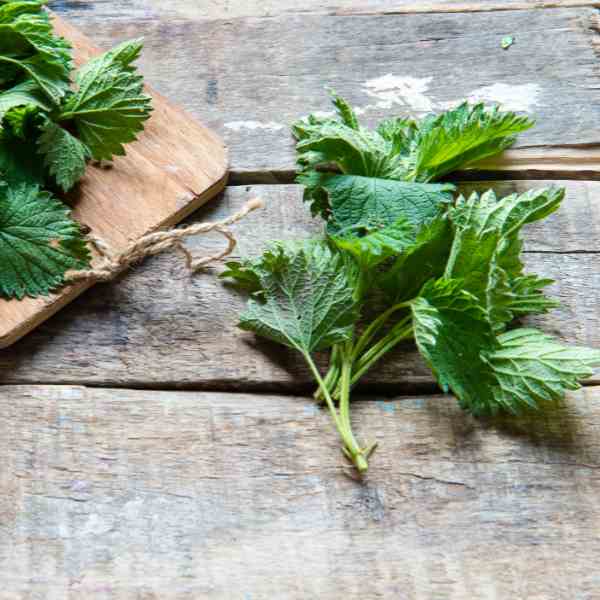
Harvest stinging nettle carefully and only take young, tender growth. The best edible parts are the soft shoot tips and upper leaves before the plant becomes coarse or heavily flowered.
Wear gloves and long sleeves. Use clean scissors to snip the top sections of the plant, leaving lower growth behind so the plant can regrow. Harvesting regularly encourages fresh shoots.
Do not eat raw nettle leaves unless they have been properly processed to neutralise the sting. Cooking, drying, blending, crushing, or steeping in hot water removes the sting. Young leaves can be used like cooked spinach, added to soups, made into tea, blended into sauces, or dried for later use.
For garden use, cut larger stems and leaves for compost, mulch in controlled areas, or liquid feed. To make a simple nettle feed, place chopped leaves in a bucket, cover with water, weigh them down, and let them steep until dark and strong-smelling. Dilute before applying to plants.
Avoid harvesting from roadsides, sprayed areas, contaminated soil, or places where animals frequently foul the ground.
🛠️ Common Issues and Fixes
| Issue | Likely Cause | Fix |
|---|---|---|
| Poor germination | Seed too old, sown too deeply, inconsistent moisture | Use fresh seed, surface sow, keep evenly moist, try cold moist pre-treatment |
| Seedlings disappearing | Drying out, weed competition, slugs or snails | Start in trays, water gently, protect seedlings, remove weeds |
| Leggy weak growth | Too much shade or overcrowding | Move to brighter light, thin seedlings, improve airflow |
| Tough leaves | Dry soil, old growth, too much heat stress | Water more consistently, harvest younger tips, cut back for fresh regrowth |
| Plant spreading too far | Underground runners or self-seeding | Grow in pots, install barriers, cut flowers before seed drop |
| Leaves yellowing | Poor nutrition, waterlogging, exhausted potting mix | Add compost, improve drainage, refresh container mix |
| Pest damage | Caterpillars, aphids, or general chewing insects | Tolerate minor damage, prune affected growth, encourage beneficial insects |
| Skin irritation during harvest | Contact with stinging hairs | Wear gloves, long sleeves, closed shoes, and handle with tools |
| Plants collapsing | Dryness, severe cutting, root restriction in pots | Water deeply, allow recovery after cutting, divide or repot |
| Unwanted seedlings | Flower heads allowed to mature and drop seed | Remove flowers early, bag seed heads if saving seed |
🌰 Detailed Seed Saving Guide
Saving stinging nettle seed is straightforward, but it requires careful handling because mature plants still sting. Choose strong, healthy plants with good leaf growth and no signs of disease. Avoid saving seed from weak, stressed, or poorly performing plants.
Allow selected plants to flower and form seed. Stinging nettle produces small, greenish flowers in hanging clusters. As the seeds mature, the clusters become heavier and begin to dry. Watch the plants closely because seed can drop naturally once fully ripe.
Wear gloves, long sleeves, and eye protection if working close to dry seed heads. Cut seed-bearing stems when the clusters are mature and beginning to dry, then place them upside down in a paper bag. Do not use a plastic bag, as trapped moisture can cause mould.
Hang or lay the bag in a warm, dry, airy place until the seed heads are fully dry. Once dry, shake the bag and gently rub the seed clusters to release the seed. There will be a lot of fine plant material mixed in with the seed, so clean it by sieving or carefully blowing away the lighter chaff.
Spread the cleaned seed on paper for several more days to make sure it is completely dry. Store it in a labelled paper envelope or airtight jar in a cool, dark, dry place. Include the plant name and collection date.
Because nettle can self-seed readily, only allow seed to mature if you truly want to collect it. Otherwise, cut plants back before seed drops. For a controlled patch, seed saving should be done from bagged seed heads or from plants grown in containers.
🌟 Final Thoughts
Stinging nettle is a powerful and useful garden plant, but it is not a casual choice for every space. It offers edible leaves, herbal tea, compost value, liquid feed, wildlife habitat, and seed-saving potential, yet it must be handled with respect and kept under control.
For most gardeners, sowing in trays and transplanting into a contained position is the best approach. This gives strong early establishment while preventing the plant from appearing where it is not wanted.
Grow it in rich, moist soil, harvest young shoots regularly, wear protective clothing, and cut it back before it spreads too freely. Managed well, stinging nettle becomes less of a nuisance and more of a productive, nutrient-rich support plant for both the kitchen and the garden.
2 reviews for Nettle Stinging
| 5 star | 100% | |
| 4 star | 0% | |
| 3 star | 0% | |
| 2 star | 0% | |
| 1 star | 0% |

Postage Charge
Orders under $35 attract a $4.95 shipping charge. Orders $35 and above have free shipping.
Order Times
Seed orders are normally dispatched within three business days. You will receive an email when seeds are mailed out.
Postage Days
Seeds are mailed out Tuesday to Friday at 1pm. Except for the Friday of long weekends.
Postage Times
WA 2-3 Days: SA,NT 3-5 Days: NSW, ACT, QLD, VIC: 5-7 Days
Carrier
We use Australia Post Letter Postage for the majority of orders
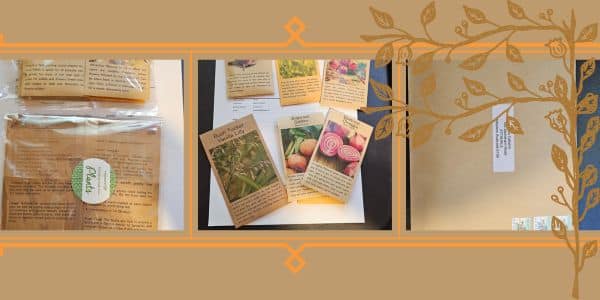
Not only are our seeds packed in recycled paper envelopes, we keep the theme going when we post out website orders. To protect your seeds from moisture and the letter box munchers (snails), we use a very special plastic free material made from plants. They are then put into recycled mailing envelopes. Green all the way ????????
Delivery Guarantee
We take great care to make sure your seeds arrive safely. If your order is lost or damaged in transit, we’ll happily send a replacement. Unfortunately, we can’t replace or refund orders that arrive later than the estimated delivery date, as delays can sometimes occur that are outside our control.
Please note that all dispatch and delivery times listed are estimates only. While we do our best to post promptly, delivery timeframes can vary due to postal service delays, weather events, or other unforeseen circumstances. We’re unable to take responsibility for any loss, damage, or cost that results from a late delivery.
An order is not considered missing until at least 20 business days have passed from the postage date. You’ll receive an email once your seeds have been posted, letting you know they’re on their way. If you don’t see it in your main inbox, please check your Spam or Promotions folders as sometimes our emails like to hide there.

See all our verified customer reviews on our official CusRev profile.
See all our verified customer reviews on our official CusRev profile.