




Spinach Perpetual
$4.95
Beta vulgaris var. Cicla
- Seed count 20
- Good For Small Spaces
- Biennial
In stock
Description
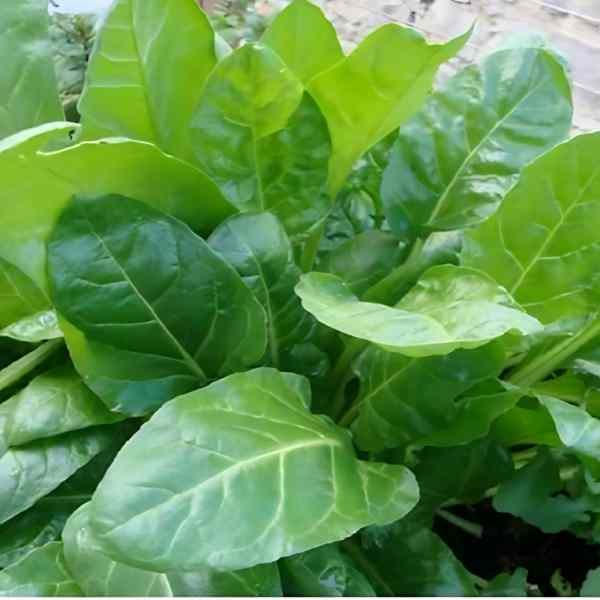
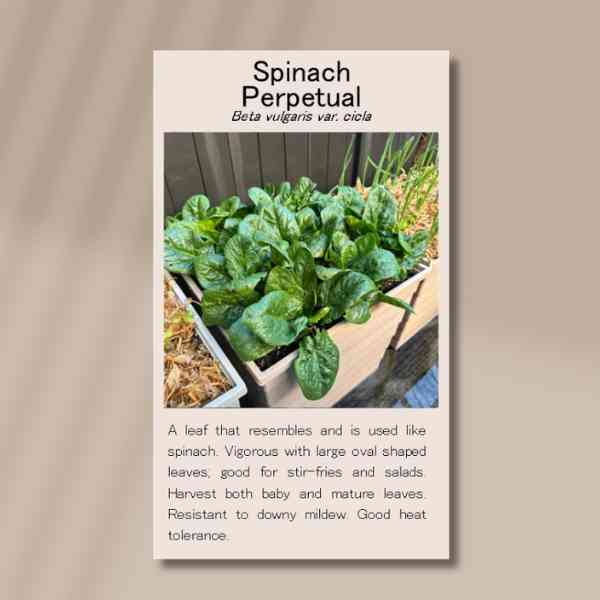
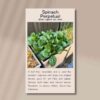
Spinach Perpetual is not spinach, nor is it perpetual, but it does grow reliably for quite a long time in the garden. This old heirloom is, in fact a relative of chard.
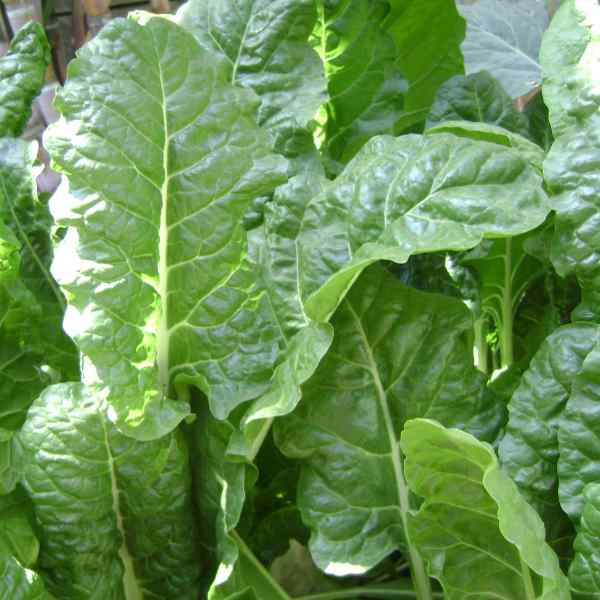
You rarely see it in the shops because it ideally needs to be picked soon before eating. The leaves are shiny green with white midribs, the steamed stalks taste something like mild asparagus.
It has an upright habit and dark green compact leaves that contrast sharply with bright white stems. It can be grown as a baby leaf or left to grow to maturity.
It responds particularly well to repeat cutting and is one of the easiest and most productive vegetables for a small space.
Perpetual Spinach is extremely resistant to bolting, so with just one sowing you can feast on these succulent dark green leaves and white stalks the entire summer and through autumn and winter.
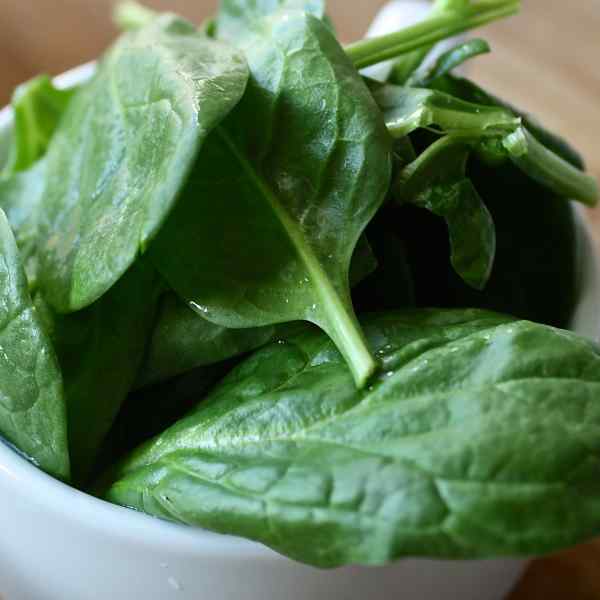
Use raw in salads, steamed with other greens or in place of spinach. Include in quiche or lasagna for a savoury change of pace.
| Method: Sow direct | Soil Temp: 10°C - 30°C |
| Cool Mountain: Sep - Mar | Position: Part sun |
| Arid: Jan - Dec | Row Spacing: 30cm apart |
| Temperate: Sep - May | Planting Depth: 10mm |
| Sub Tropical: Jan - Dec | Harvest: 60 days |
| Tropical: Apr - Jul | Plant Height: 40cm |
🌿 Perpetual Spinach Grow Guide
Perpetual spinach is a dependable leafy green grown for its smooth, tender leaves and long harvest window. Despite the name, it is not true spinach. It is closer in habit to silverbeet, but with softer leaves, slimmer stems, and a milder flavour. It is one of the easiest greens for home gardeners because it produces repeat harvests, handles regular picking well, and is less fussy than many delicate leafy crops.
This plant is ideal for vegetable beds, raised gardens, containers, kitchen gardens, and mixed edible borders. It is especially useful where a steady supply of cooking greens is wanted without needing to resow constantly. The leaves can be steamed, sautéed, added to soups, stirred through pasta, used in pies, mixed into omelettes, or harvested young for salads.
🌱 Sowing in Trays vs Direct Sowing
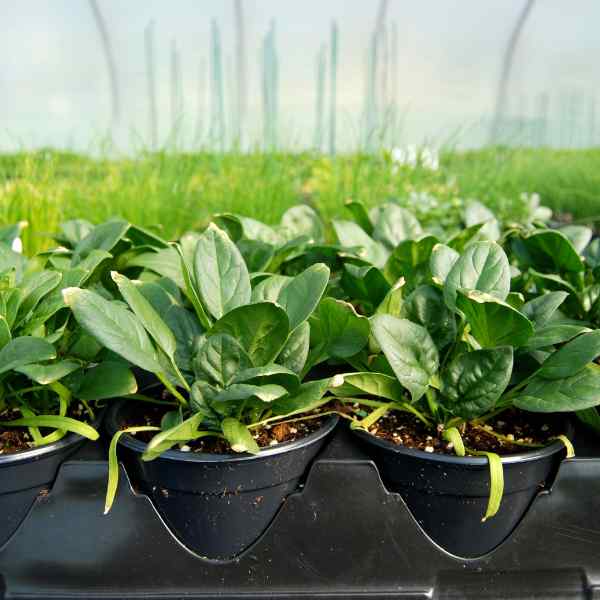
Perpetual spinach can be grown successfully by direct sowing or by starting in trays, and both methods are reliable. The best method depends on your garden setup, but for most home gardeners, starting in trays or small cells is the most controlled and efficient option.
Sowing in trays gives better protection from slugs, snails, birds, heavy rain, drying soil, and weed competition. It also lets you raise strong seedlings while preparing the garden bed. Use a good-quality seed-raising mix, sow the seed about 1 to 2 cm deep, cover lightly, and water gently. Keep the mix evenly moist, but not soggy. Once seedlings are sturdy and have several true leaves, transplant them into their final position.
Direct sowing is also a very good option because perpetual spinach grows a strong root system and dislikes being checked by stress. Prepare the soil well first by removing weeds, stones, and hard clods. Sow seed shallowly into damp soil, cover lightly, and keep the area moist until seedlings appear. Thin seedlings early so each plant has enough room to form a healthy leafy crown.
One important detail is that what looks like one seed is often a seed cluster, meaning several seedlings may emerge from one spot. Thin to the strongest seedling or gently separate extras while they are still small.
Best choice: trays or small cells are best for reliability and pest protection, especially in small gardens or when seed is limited. Direct sowing is best for larger rows or broad plantings where thinning is easy.
💧 Seed Pre-Treatment
Perpetual spinach seed does not require special pre-treatment, but soaking can improve and speed up germination.
A simple soak in room-temperature water for 2 to 6 hours before sowing can help soften the outer seed cluster. This is optional, not essential. Do not soak for too long, as overly wet seed can become oxygen-starved or more prone to rotting once planted.
There is no need for smoke treatment, chilling, boiling water, or scarification. The main requirements are fresh seed, shallow sowing, even moisture, and a loose seed mix or fine garden soil.
☀️ Soil and Position
Perpetual spinach grows best in a sunny to lightly shaded position. Strong light encourages steady growth, but light shade can help keep leaves tender in hot or exposed gardens. Too much shade can make plants weak, stretched, and less productive.
The soil should be fertile, loose, moisture-retentive, and well drained. This is a leafy crop, so it appreciates compost, aged manure, worm castings, and organic matter worked into the soil before planting. The goal is soil that holds moisture without becoming boggy.
Avoid compacted soil, as it can restrict root growth and slow the plant down. Raised beds and large containers work very well, provided they are watered consistently. For containers, choose a pot at least 25 to 30 cm deep with drainage holes and fill it with a quality vegetable potting mix.
Perpetual spinach grows best when it has enough space. Crowded plants produce smaller leaves and are more prone to fungal issues. Allow roughly 25 to 35 cm between plants, depending on whether you want baby leaves or larger harvests.
🌿 Care and Maintenance
Perpetual spinach is easy to maintain when kept growing steadily. The most important care task is consistent watering. Irregular moisture can make leaves tougher, reduce production, or stress the plant into flowering. Water deeply at the base rather than sprinkling the leaves whenever possible.
Mulch around plants with straw, sugarcane mulch, lucerne, composted bark, or another organic mulch. Mulch helps conserve moisture, suppress weeds, and keep soil temperature more stable. Keep mulch slightly away from the plant crown to reduce the chance of rot.
Feed regularly but gently. Perpetual spinach is grown for leaves, so it responds well to compost, worm castings, liquid seaweed, fish emulsion, or a balanced organic fertiliser. Avoid extremely strong feeding, as overly soft growth can attract aphids and other sap-sucking pests.
Remove yellowing or damaged leaves as they appear. This improves airflow and keeps the plant productive. Regular picking is one of the best maintenance habits because it encourages new leaves and prevents the plant from becoming old and coarse.
If flower stems appear, remove them early if you want to keep harvesting leaves. Once the plant puts energy into flowering and seed, leaf quality often declines.
🥬 Companion Planting Guide
Perpetual spinach fits well into mixed vegetable beds because it is upright, productive, and not overly aggressive. It grows well with plants that enjoy similar fertile soil and regular watering.
Good companions include lettuce, spring onion, chives, garlic, onion, beetroot, carrot, radish, celery, peas, beans, cabbage, broccoli, cauliflower, kale, parsley, coriander, calendula, marigold, nasturtium, and dill.
Flowers such as calendula, marigold, and nasturtium help attract pollinators and beneficial insects. Herbs such as dill, coriander, chives, and parsley add diversity and can help support predatory insects that feed on pests.
Avoid planting perpetual spinach too close to very large, sprawling crops that block light and airflow. It is also not ideal beside dry-loving herbs such as rosemary, thyme, and lavender, because they prefer leaner soil and less water. Keep it away from plants that need very different conditions.
✂️ How to Harvest
Perpetual spinach is best harvested as a cut-and-come-again crop. Pick the outer leaves first, leaving the central growing point intact. This allows the plant to continue producing fresh leaves for repeated harvests.
For baby leaves, harvest when the leaves are small, tender, and glossy. For cooking greens, allow leaves to grow larger, then cut them close to the base with clean scissors or a knife. Do not strip the entire plant unless you are finished with it. Leaving several healthy leaves behind helps the plant recover quickly.
Harvest in the cooler part of the day when leaves are crisp. Wash leaves well and use them fresh for the best flavour and texture. They can be stored briefly in the fridge wrapped in a slightly damp towel or kept in a container, but they are best eaten soon after picking.
Older leaves are still useful for cooking, but they may become stronger in flavour and slightly tougher. Regular harvesting keeps the plant producing younger, better-quality leaves.
⚠️ Common Issues and Fixes
| Issue | Likely Cause | Fix |
|---|---|---|
| Poor germination | Old seed, dry soil, seed sown too deeply, or hard seed clusters | Use fresh seed, soak briefly if desired, sow 1 to 2 cm deep, and keep moisture even |
| Several seedlings from one seed | Natural seed cluster producing multiple sprouts | Thin to the strongest seedling or separate extras while small |
| Seedlings collapse | Damping off from wet mix and poor airflow | Use clean seed mix, avoid overwatering, and improve ventilation |
| Leggy seedlings | Not enough light or overcrowding | Move to brighter light and thin or pot on seedlings early |
| Slow growth | Low fertility, dry soil, or compacted ground | Add compost, water consistently, and loosen soil before planting |
| Yellow leaves | Nitrogen deficiency, overwatering, poor drainage, or old leaves | Feed lightly, check drainage, water correctly, and remove old leaves |
| Tough leaves | Irregular watering, plant stress, or leaves left too long | Keep moisture steady and harvest younger leaves regularly |
| Bitter or strong flavour | Stress, dryness, or overmature leaves | Water consistently, mulch well, and harvest earlier |
| Holes in leaves | Slugs, snails, caterpillars, or beetles | Inspect often, handpick pests, use barriers, and protect young plants |
| Aphids | Soft new growth and pest pressure | Spray off with water, encourage ladybirds and lacewings, and avoid excessive nitrogen |
| Leaf spots | Wet foliage, poor airflow, or fungal disease | Water at soil level, space plants well, and remove affected leaves |
| Plants flowering early | Stress, age, dryness, or crowding | Keep plants watered, harvest regularly, and remove flower stems early |
| Root rot | Waterlogged soil or poor drainage | Improve drainage, reduce watering, and grow in raised beds or containers if needed |
🌾 Detailed Seed Saving Guide
Saving seed from perpetual spinach requires patience because the plant must be allowed to flower and complete its seed cycle. Choose the strongest, healthiest plants for seed saving. Select plants with good leaf production, strong stems, disease resistance, tender leaves, and slow flowering habits.
Do not save seed from weak, diseased, very early-flowering, or poor-tasting plants unless you are willing to carry those traits forward. The goal is to save seed from the plants that performed best in your garden.
Allow selected plants to remain in the ground and stop harvesting heavily from them. They will send up tall flowering stems and eventually form clusters of dry seed. The plant may become less useful for eating during this stage because its energy shifts from leaf production to seed production.
As the seed matures, the clusters will turn dry, firm, and brown. Wait until most of the seed is dry on the plant, but do not leave it so long that it drops everywhere. Cut the seed stems and place them upside down in a paper bag or lay them on a clean tray in a dry, shaded, airy place.
Once fully dry, rub the seed clusters gently from the stems. Remove leaves, stems, and loose chaff by hand sorting or sieving. The seed clusters may look rough and corky rather than smooth, which is normal.
Before storage, make sure the seed is completely dry. Store it in a labelled paper envelope or small airtight jar in a cool, dark, dry place. Label with the plant name and collection date. Properly dried seed can remain useful for several years, though fresher seed usually germinates more strongly.
Perpetual spinach can cross with closely related leafy beet and root beet types if they are flowering nearby at the same time. For reliable seed, save from plants that are separated from those relatives, or grow only one seed-producing type at once.
🌼 Final Thoughts
Perpetual spinach is one of the most practical leafy greens for home gardens. It is productive, forgiving, space-efficient, and useful in the kitchen. Unlike delicate spinach, it keeps producing through repeated picking and is less likely to disappoint when conditions are less than perfect.
The keys to success are fertile soil, consistent moisture, regular harvesting, good spacing, and gentle feeding. Start in trays for reliable seedlings or direct sow into a well-prepared bed for simple row planting. Once established, perpetual spinach becomes a steady, dependable crop that can provide generous harvests of tender leaves with very little fuss.
3 reviews for Spinach Perpetual
| 5 star | 66% | |
| 4 star | 0% | |
| 3 star | 33% | |
| 2 star | 0% | |
| 1 star | 0% |

Postage Charge
Orders under $35 attract a $4.95 shipping charge. Orders $35 and above have free shipping.
Order Times
Seed orders are normally dispatched within three business days. You will receive an email when seeds are mailed out.
Postage Days
Seeds are mailed out Tuesday to Friday at 1pm. Except for the Friday of long weekends.
Postage Times
WA 2-3 Days: SA,NT 3-5 Days: NSW, ACT, QLD, VIC: 5-7 Days
Carrier
We use Australia Post Letter Postage for the majority of orders

Not only are our seeds packed in recycled paper envelopes, we keep the theme going when we post out website orders. To protect your seeds from moisture and the letter box munchers (snails), we use a very special plastic free material made from plants. They are then put into recycled mailing envelopes. Green all the way ????????
Delivery Guarantee
We take great care to make sure your seeds arrive safely. If your order is lost or damaged in transit, we’ll happily send a replacement. Unfortunately, we can’t replace or refund orders that arrive later than the estimated delivery date, as delays can sometimes occur that are outside our control.
Please note that all dispatch and delivery times listed are estimates only. While we do our best to post promptly, delivery timeframes can vary due to postal service delays, weather events, or other unforeseen circumstances. We’re unable to take responsibility for any loss, damage, or cost that results from a late delivery.
An order is not considered missing until at least 20 business days have passed from the postage date. You’ll receive an email once your seeds have been posted, letting you know they’re on their way. If you don’t see it in your main inbox, please check your Spam or Promotions folders as sometimes our emails like to hide there.

See all our verified customer reviews on our official CusRev profile.
See all our verified customer reviews on our official CusRev profile.
See all our verified customer reviews on our official CusRev profile.