


Salt Bush
$6.59
Atriplex Nummularia
- Seed Count 100
- Bush Tucker
- Perennial
In stock
Description
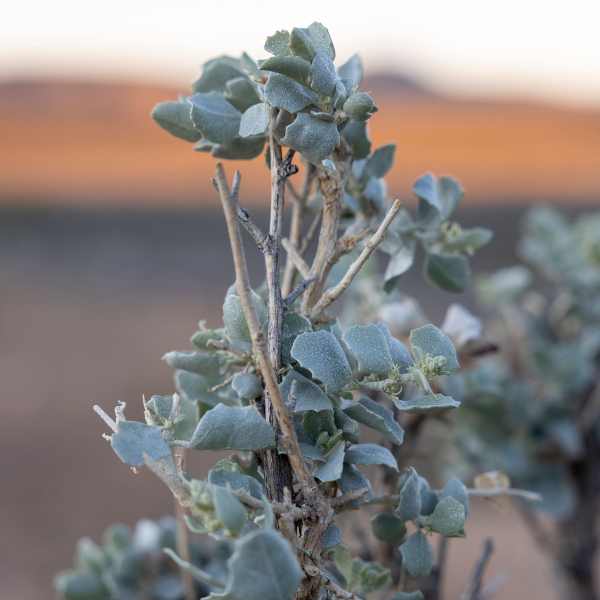
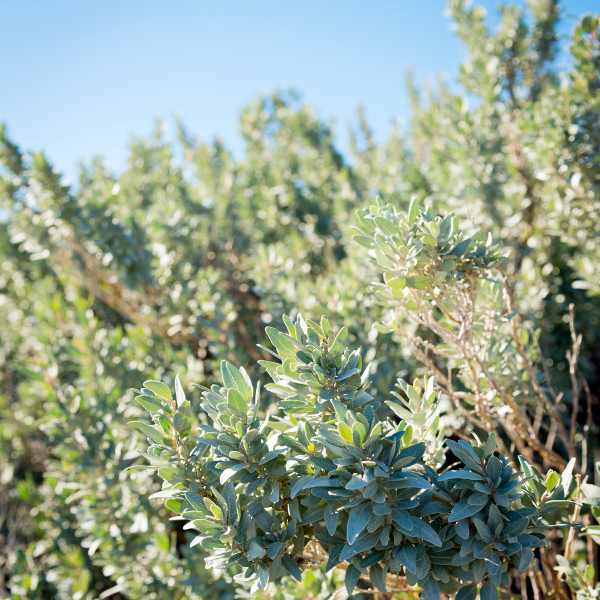
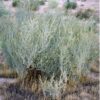
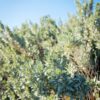
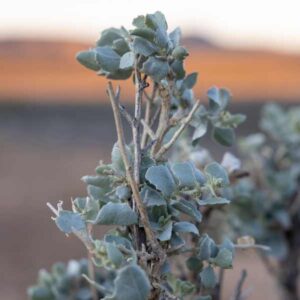
Old Man Salt Bush is a familiar sight over large areas of the dry inland of Australia. It is a sprawling grey-blue shrub, up to 3 metres high and sometimes spreading to 5 metres wide.
A long living plant, it grows strongly after periods of summer rain, producing long tassels of flowering seed heads.
It is valued for its ability to thrive in saline and arid conditions, making it an excellent choice for soil rehabilitation, livestock forage, and windbreaks.
Salt bush seeds were ground and roasted for damper but these days we utilise the large fresh or blanched Salt bush leaves as a wrap around meat or fish, in salads or as a leafy bed for grilled meat or vegetables.
Its dried leaves with their unique salty flavour, make a superb crunchy herb sprinkle.
The leaves are also dried for use in bread, as well as low sodium seasoning on grills, pasta and dukkah and they can be harvested year round.
The plants can an be kept small and grown in pots if harvested regularly and with regular pruning they make a great gap filler or edible hedge.
🌿 Saltbush Grow Guide
Saltbush is a hardy, silver-leaved shrub grown for its savoury edible leaves, drought tolerance, wind resistance, and usefulness in low-water gardens. It is a strong choice for gardeners who want a resilient edible plant that can also act as a shelter plant, background shrub, wildlife plant, or low-maintenance feature.
The leaves have a naturally salty, earthy flavour and can be used fresh, cooked, dried, or finely crushed as a seasoning. They are best harvested lightly and regularly, which keeps the plant compact and encourages fresh new growth. Saltbush is very tough once established, but young plants need careful watering, protection, and patience during the early stages.
🌱 Sowing in Trays Versus Direct Sowing
Saltbush can be grown by direct sowing or by starting seed in trays, but sowing in trays or small pots is usually the best method. The seed can germinate unevenly, young seedlings are small, and direct seeding can fail if the soil dries out, crusts, becomes waterlogged, or is disturbed by pests.
For tray sowing, use a free-draining seed-raising mix. Sow the seed shallowly, around 2 mm deep, then cover lightly with fine mix or vermiculite. Water gently with a fine spray and keep the mix lightly moist, not wet. Saltbush seed may germinate slowly and unevenly, so do not discard trays too early.
Once seedlings are large enough to handle, pot them on carefully into individual tubes or small pots. Grow them until they have a strong root system and a sturdy top. Plant them out before they become pot-bound, but not while they are still fragile.
Direct sowing can work in a carefully prepared bed, especially if you are sowing a larger area. The soil must be weed-free, fine, lightly firmed, and protected from drying out. Sow shallowly, water gently, and protect the area from birds, ants, slugs, snails, and heavy rain.
For a home garden, tray sowing is the preferred method because it gives much better control and usually wastes fewer seeds.
🌾 Seed Pre-Treatment
Saltbush seed often benefits from soaking before sowing. Place the seed in clean room-temperature water and soak overnight, then sow promptly. This helps soften and rinse the papery fruiting material around the seed, which may slow or reduce germination.
Some seed is sold still enclosed in dry bracts or papery coverings. If the seed is very chaffy, gently rubbing or cleaning away some of the dry outer material can help improve contact with the seed-raising mix. Do this carefully, as the true seed is small and can be damaged.
Do not soak for several days, as overly wet seed may rot. After soaking, drain well and sow into a moist but free-draining mix. The goal is moisture and oxygen together, not saturation.
🌞 Soil and Position
Saltbush grows best in full sun with open airflow. A bright position encourages dense growth, strong silver foliage, and better flavour. It can tolerate exposed conditions once established, but young plants should be protected from harsh wind until their roots are settled.
The soil should be well-drained, moderately fertile, and not acidic. Saltbush is famous for tolerating salty and alkaline soils, but it does not need salty soil to grow well. Ordinary garden soil is suitable if drainage is good. Heavy, sour, constantly wet soil is much more dangerous than poor soil.
Before planting, loosen the soil deeply and mix in compost if the ground is sandy, compacted, or low in organic matter. Avoid rich, wet, heavily fertilised soil, as this can cause soft growth and root problems.
In containers, use a large pot with excellent drainage and a quality free-draining potting mix. A small pot is not ideal because saltbush can become a broad, woody shrub with a strong root system.
💧 Care and Maintenance
Saltbush needs regular moisture while young, then becomes much tougher once established. Water seedlings and newly planted shrubs deeply, allowing the soil to partially dry between waterings. Avoid constant shallow watering because it encourages weak surface roots.
Once established, saltbush is generally low maintenance. It tolerates dry spells, salty conditions, and lean soils, but it will produce better edible leaf growth with occasional deep watering. In very dry periods, a good soak is better than frequent light watering.
Feeding should be light. A small amount of compost or a gentle slow-release fertiliser is enough in poor soil. Avoid heavy nitrogen feeding, as it can produce soft, watery growth with less flavour.
Pruning is important if you want a compact, harvestable shrub. Tip-prune young plants to encourage branching. Once the plant is growing strongly, harvest by cutting leafy shoots rather than stripping the same branches bare. Regular light pruning keeps the plant bushy and prevents it from becoming woody and open.
Mulch around the base to reduce weeds and conserve moisture, but keep mulch away from the stem to prevent collar rot. Saltbush dislikes being smothered at the crown.
🐝 Companion Planting Guide
Saltbush is a useful companion in dry, exposed, coastal-style, and low-water garden areas. Its silver foliage contrasts beautifully with herbs, flowers, and vegetables, while its shrub form can provide light shelter for smaller plants.
Good companions include rosemary, thyme, sage, oregano, lavender, calendula, marigold, alyssum, yarrow, native daisies, beetroot, silverbeet, kale, cabbage, tomatoes, capsicum, eggplant, and bush beans.
It works well near plants that enjoy good drainage and open sun. Flowering companions such as alyssum, calendula, marigold, and yarrow help attract pollinators and beneficial insects. Hardy herbs make especially good neighbours because they prefer similar drainage and do not need rich, wet soil.
Avoid planting saltbush beside moisture-loving plants that need constantly damp soil. Also avoid placing it where vigorous creepers or dense groundcovers will climb through the shrub and make harvesting difficult. Because mature plants can become wide, give saltbush enough space so it does not shade out smaller crops.
✂️ How to Harvest
Harvest saltbush by picking individual leaves or cutting soft leafy tips. Take small amounts regularly rather than removing large sections at once. This keeps the plant productive and helps it regrow evenly.
Choose young to medium leaves for the best texture. Older leaves can be stronger, saltier, and tougher, but they are still useful when dried and crushed into seasoning.
The leaves can be used fresh in salads in small amounts, blanched, sautéed, wrapped around meat or vegetables, added to stuffing, or dried for a savoury sprinkle.
To dry leaves, rinse lightly if needed, pat dry, and spread them in a single layer in a warm, airy, shaded place. Once crisp, crumble and store in a clean airtight jar. Because the leaves are naturally salty, use them thoughtfully in cooking and reduce added salt where needed.
⚠️ Common Issues and Fixes
| Issue | Likely Cause | Fix |
|---|---|---|
| Poor germination | Hard or enclosed seed, old seed, seed buried too deeply | Soak overnight, sow shallowly, use fresh seed, keep mix lightly moist |
| Seed rotting | Mix too wet, poor airflow, over-soaking | Use free-draining mix, avoid soggy trays, soak only overnight |
| Patchy seedlings | Natural uneven germination, dry surface, chaffy seed | Keep trays longer, mist gently, clean excess papery material before sowing |
| Seedlings collapse | Overwatering, fungal disease, poor airflow | Reduce watering, use clean mix, improve ventilation |
| Slow early growth | Weak light, root restriction, dry mix | Provide brighter light, pot on before root-bound, keep evenly moist |
| Yellowing leaves | Waterlogging, poor drainage, nutrient stress | Improve drainage, water less often, feed lightly if soil is poor |
| Brown leaf edges | Drought stress, windburn, transplant shock | Water deeply, protect young plants, mulch lightly |
| Plant becomes woody and open | Not pruned, harvested unevenly, old growth dominant | Tip-prune regularly and cut back lightly after harvests |
| Few fresh leaves | Dry soil, poor pruning, very lean soil | Deep water occasionally, prune tips, add light compost |
| Root rot | Heavy wet soil or mulch against stem | Replant into better drainage, keep mulch off the crown |
| Aphids or scale | Soft new growth, poor airflow, stressed plants | Prune affected tips, encourage beneficial insects, use horticultural soap if needed |
| Powdery mildew | Humid still air, crowded growth | Improve airflow, prune lightly, avoid overhead watering |
| Unwanted seedlings | Seed-bearing branches left to drop | Harvest seed heads before they shed or prune after flowering |
🌰 Detailed Seed Saving Guide
Saving saltbush seed requires patience and observation. Choose the healthiest plants for seed saving. Look for strong growth, good leaf flavour, dense branching, drought resilience, and no signs of disease. Avoid saving seed from weak plants, poor growers, or plants that collapse in wet soil.
Allow some flowering stems to remain on the plant. The seed-bearing structures become dry, papery, and often tan or pale brown as they mature. Do not harvest too early, as immature seed may not germinate well. At the same time, do not leave seed heads too long once dry, because wind and birds may scatter them.
When the seed heads are dry and papery, cut whole stems and place them upside down in a paper bag. Label the bag immediately. Keep it in a dry, shaded, airy place for one to two weeks so the material finishes drying.
Once fully dry, rub the seed heads gently between your hands over a clean tray. Separate the small seed from the papery bracts and chaff. This can take patience because saltbush seed is often mixed with dry plant material. Use a fine sieve if helpful, but do not crush the seed.
After cleaning, spread the seed on paper for several more days to make sure it is completely dry. Store in a labelled paper envelope or small airtight jar. Include the plant name, leaf type, location in the garden, and collection date. Keep stored seed in a cool, dark, dry place.
For stronger future plants, save seed from several healthy shrubs rather than just one. This helps maintain vigour and gives you a better chance of raising resilient seedlings.
🌿 Final Thoughts
Saltbush is a tough, useful, and attractive edible shrub that rewards patience. It is best started in trays or small pots because seed can be uneven and direct sowing is less reliable. A simple overnight soak, shallow sowing, free-draining mix, and careful moisture management will give the best chance of success.
Once established, saltbush becomes a low-care plant with excellent tolerance to dry, bright, and exposed conditions. Prune it lightly, harvest often, avoid overwatering, and give it enough space to develop into a strong, productive shrub. With its silver leaves, savoury flavour, and resilient nature, saltbush is a valuable plant for edible landscapes, herb gardens, and hardy mixed plantings.
1 review for Salt Bush
| 5 star | 0% | |
| 4 star | 100% | |
| 3 star | 0% | |
| 2 star | 0% | |
| 1 star | 0% |

Postage Charge
Orders under $35 attract a $4.95 shipping charge. Orders $35 and above have free shipping.
Order Times
Seed orders are normally dispatched within three business days. You will receive an email when seeds are mailed out.
Postage Days
Seeds are mailed out Tuesday to Friday at 1pm. Except for the Friday of long weekends.
Postage Times
WA 2-3 Days: SA,NT 3-5 Days: NSW, ACT, QLD, VIC: 5-7 Days
Carrier
We use Australia Post Letter Postage for the majority of orders
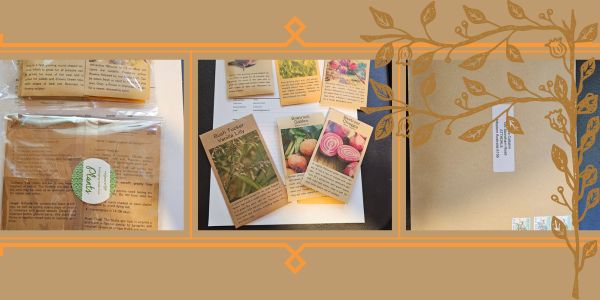
Not only are our seeds packed in recycled paper envelopes, we keep the theme going when we post out website orders. To protect your seeds from moisture and the letter box munchers (snails), we use a very special plastic free material made from plants. They are then put into recycled mailing envelopes. Green all the way ????????
Delivery Guarantee
We take great care to make sure your seeds arrive safely. If your order is lost or damaged in transit, we’ll happily send a replacement. Unfortunately, we can’t replace or refund orders that arrive later than the estimated delivery date, as delays can sometimes occur that are outside our control.
Please note that all dispatch and delivery times listed are estimates only. While we do our best to post promptly, delivery timeframes can vary due to postal service delays, weather events, or other unforeseen circumstances. We’re unable to take responsibility for any loss, damage, or cost that results from a late delivery.
An order is not considered missing until at least 20 business days have passed from the postage date. You’ll receive an email once your seeds have been posted, letting you know they’re on their way. If you don’t see it in your main inbox, please check your Spam or Promotions folders as sometimes our emails like to hide there.
They haven’t been planted yet. Your survey is a bit too soon for this question
See all our verified customer reviews on our official CusRev profile.