



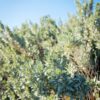
Salt Bush
$6.59
Atriplex Nummularia
- Seed Count 100
- Bush Tucker
- Perennial
In stock
Description
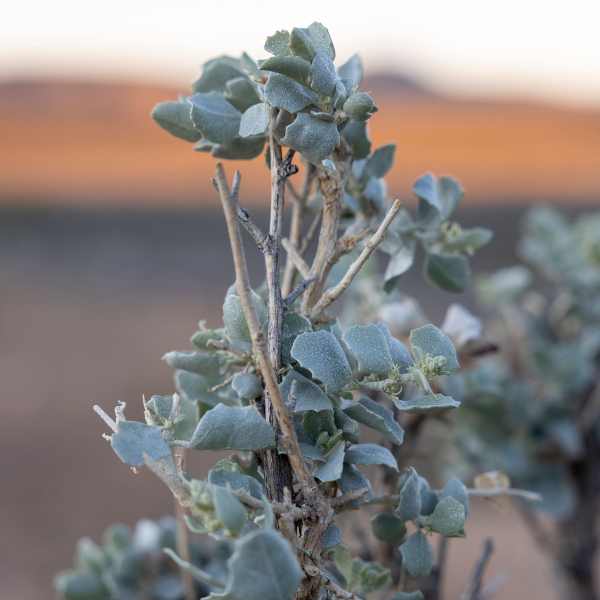
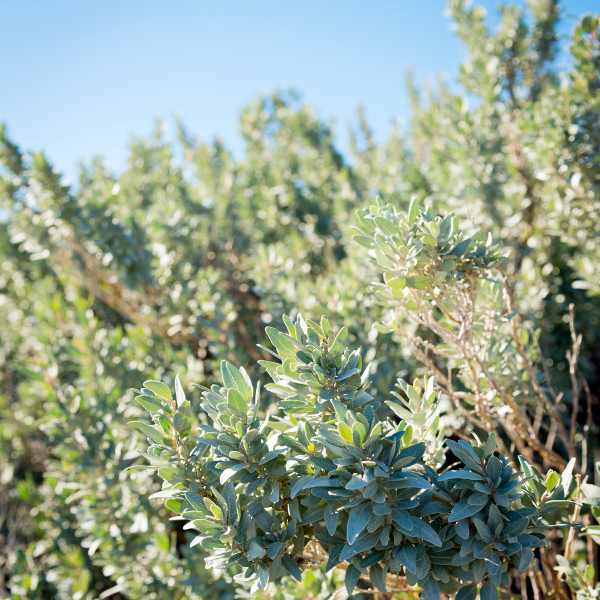
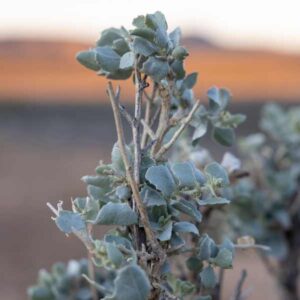
Old Man Salt Bush is a familiar sight over large areas of the dry inland of Australia. It is a sprawling grey-blue shrub, up to 3 metres high and sometimes spreading to 5 metres wide.
A long living plant, it grows strongly after periods of summer rain, producing long tassels of flowering seed heads.
It is valued for its ability to thrive in saline and arid conditions, making it an excellent choice for soil rehabilitation, livestock forage, and windbreaks.
Salt bush seeds were ground and roasted for damper but these days we utilise the large fresh or blanched Salt bush leaves as a wrap around meat or fish, in salads or as a leafy bed for grilled meat or vegetables.
Its dried leaves with their unique salty flavour, make a superb crunchy herb sprinkle.
The leaves are also dried for use in bread, as well as low sodium seasoning on grills, pasta and dukkah and they can be harvested year round.
The plants can an be kept small and grown in pots if harvested regularly and with regular pruning they make a great gap filler or edible hedge.
???? Sowing Saltbush: Trays vs Direct Sowing
Saltbush seeds can be sown either in trays for transplanting or directly into the ground, though each method has its benefits depending on your setup and climate.
???? Sowing in Trays (Recommended for Most Gardeners)
Sowing in trays gives better control over germination and early growth, particularly helpful in cooler climates or where soil conditions are tricky.
- When to Sow: Late winter to early spring in cooler regions; autumn or early spring in warmer zones.
- Tray Setup: Use seedling trays or small pots filled with a free-draining native mix or sandy loam blended with compost.
- Depth: Sow seeds about 0.5–1 cm deep. Lightly cover with soil.
- Watering: Keep moist but not wet—overwatering can cause rot.
- Germination Time: 2–4 weeks, though it can take longer if seeds are dormant or untreated.
Once seedlings have developed 2–3 sets of true leaves and are around 10–15 cm tall, harden off for a week before transplanting to their final position.
???? Direct Sowing
This method is suitable in areas with mild, predictable weather and well-prepared soil.
- Timing: Autumn is ideal in warm climates where summer heat may stress seedlings.
- Technique: Loosen the soil and rake in compost. Sow directly where you want them to grow. Mark the rows—saltbush seedlings are small and slow at first!
- Protection: Mulch lightly and protect from slugs and ants, which may nibble on emerging shoots.
???? Seed Pre-Treatment
Saltbush seeds have a hard outer casing that may benefit from scarification or soaking to speed up germination.
- Soak seeds in warm (not boiling) water for 12–24 hours before sowing. This softens the seed coat and encourages germination.
- Optional: Lightly rub seeds between sandpaper to nick the surface for even better results—particularly helpful if you’re seeing low germination rates.
???? Soil & Position
Saltbush is wonderfully unfussy, but it’ll reward good preparation with strong growth.
- Soil: Free-draining, sandy or loamy soils are ideal. It thrives in low fertility and alkaline soils—perfect for dryland and coastal gardens.
- pH: Tolerates pH from 6.0 to 8.5.
- Position: Full sun is a must. Saltbush loves heat and light, and will sulk in shade.
- Drainage: Avoid heavy, boggy soils. If you’ve got clay, raise the bed or add coarse sand.
???? Care & Maintenance
Once established, saltbush is low-maintenance and highly drought-resistant.
- Watering: Water young seedlings regularly until established (about 6–8 weeks). After that, water only in extended dry spells.
- Fertilising: Not usually necessary—saltbush evolved in poor soils. If you must feed, go very light with seaweed solution or compost tea.
- Pruning: Lightly prune to shape and encourage bushiness. It can get leggy if left untrimmed.
- Mulching: Helps suppress weeds and retain soil moisture—especially useful during the establishment phase.
???? Companion Planting Guide
Saltbush isn’t fussy about its neighbours, but here are a few smart companions that play well together:
| Companion Plant | Benefit |
|---|---|
| Kangaroo Grass | Similar dry-climate needs; boosts biodiversity |
| Wattles (Acacias) | Fix nitrogen into soil; native synergy |
| Bush Tomatoes | Prefers the same sun and drainage |
| Rosemary or Thyme | Similar growth habits and drought tolerance |
| Pollinator plants like native daisies | Attract beneficial insects and help ecosystem health |
Avoid crowding saltbush—give each plant space to grow and breathe.
✂️ Harvesting Saltbush
You can begin harvesting young, tender leaves once plants are about 30–40 cm tall and well established.
- How: Pick small handfuls of soft new growth. Older leaves are edible too, but tougher.
- When: Anytime during active growth (spring through early autumn), although it can be lightly harvested year-round in milder regions.
- Use: Fresh leaves in salads, or use as a salty, herby green in stir-fries, stews, or dried as a bush spice.
???? Common Issues & Fixes
| Problem | Symptom | Cause | Fix |
|---|---|---|---|
| Poor germination | No sprouts after 4 weeks | Hard seed coat or poor conditions | Soak seeds before sowing; try scarifying |
| Yellowing leaves | General yellowing, slow growth | Poor drainage or overwatering | Improve soil, water less, ensure drainage |
| Insect damage | Chewed leaves | Grasshoppers, slugs, or caterpillars | Use netting, or companion plant with strong scents |
| Leggy growth | Sparse, tall stems | Lack of sunlight or pruning | Move to sunnier spot, tip prune regularly |
| Powdery mildew (rare) | White coating on leaves | High humidity | Improve airflow, prune and space plants |
???? Seed Saving Guide
Saltbush produces small flowers followed by papery seed capsules. Saving seeds is simple and satisfying:
- Wait for maturity: Allow the plant to flower and dry naturally on the plant. Seed heads will turn pale and papery.
- Harvesting: Cut seed heads and place in a paper bag. Allow to dry further in a warm, airy spot for 1–2 weeks.
- Processing: Rub seed heads gently to release seeds. Winnow out the chaff by blowing or sifting.
- Storage: Store in a cool, dry place in labelled envelopes or jars. Viable for up to 3 years if kept dry.
Note: Some saltbush species can self-seed, so you might find volunteers popping up in the garden the following season.
???? Final Thoughts
Growing saltbush from seed is a slow burn—but once it’s established, it’s one of the most rewarding natives to have in your garden. It’s a tough, resilient plant that thrives on neglect, offering both beauty and bush tucker potential. Whether you’re edging a permaculture bed, filling out a low-water landscape, or just experimenting with native edibles, saltbush has a place in your patch.
It teaches us the value of patience, adaptability, and working with nature—not against it. And that’s the kind of lesson every gardener, new or seasoned, can appreciate. ????
Happy growing!
1 review for Salt Bush
| 5 star | 0% | |
| 4 star | 100% | |
| 3 star | 0% | |
| 2 star | 0% | |
| 1 star | 0% |

Postage Charge
Orders under $35 attract a $4.95 shipping charge. Orders $35 and above have free shipping.
Order Times
Seed orders are normally dispatched within three business days. You will receive an email when seeds are mailed out.
Postage Days
Seeds are mailed out Tuesday to Friday at 1pm. Except for the Friday of long weekends.
Postage Times
WA 2-3 Days: SA,NT 3-5 Days: NSW, ACT, QLD, VIC: 5-7 Days
Carrier
We use Australia Post Letter Postage for the majority of orders
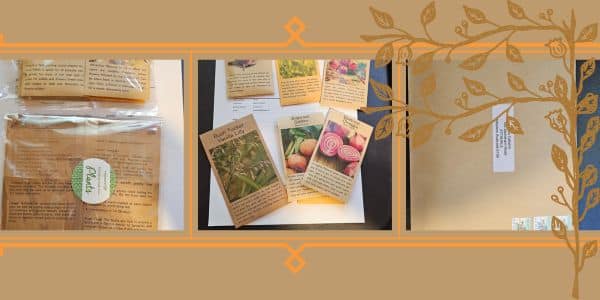
Not only are our seeds packed in recycled paper envelopes, we keep the theme going when we post out website orders. To protect your seeds from moisture and the letter box munchers (snails), we use a very special plastic free material made from plants. They are then put into recycled mailing envelopes. Green all the way ????????
Delivery Guarantee
We take great care to make sure your seeds arrive safely. If your order is lost or damaged in transit, we’ll happily send a replacement. Unfortunately, we can’t replace or refund orders that arrive later than the estimated delivery date, as delays can sometimes occur that are outside our control.
Please note that all dispatch and delivery times listed are estimates only. While we do our best to post promptly, delivery timeframes can vary due to postal service delays, weather events, or other unforeseen circumstances. We’re unable to take responsibility for any loss, damage, or cost that results from a late delivery.
An order is not considered missing until at least 20 business days have passed from the postage date. You’ll receive an email once your seeds have been posted, letting you know they’re on their way. If you don’t see it in your main inbox, please check your Spam or Promotions folders as sometimes our emails like to hide there.
They haven’t been planted yet. Your survey is a bit too soon for this question
See all our verified customer reviews on our official CusRev profile.