




Sage
$4.95
Salvia Officinalis
- Seed Count 30
- Culinary & Medicinal
- Perennial
- Height 60 cm
Only 11 left in stock
Description
Sage, known botanically as Salvia officinalis, is one of those herbs that has quietly held its place in gardens and kitchens for centuries. The Latin name tells its own story. “Officinalis” was traditionally given to plants with recognised medicinal or culinary value.
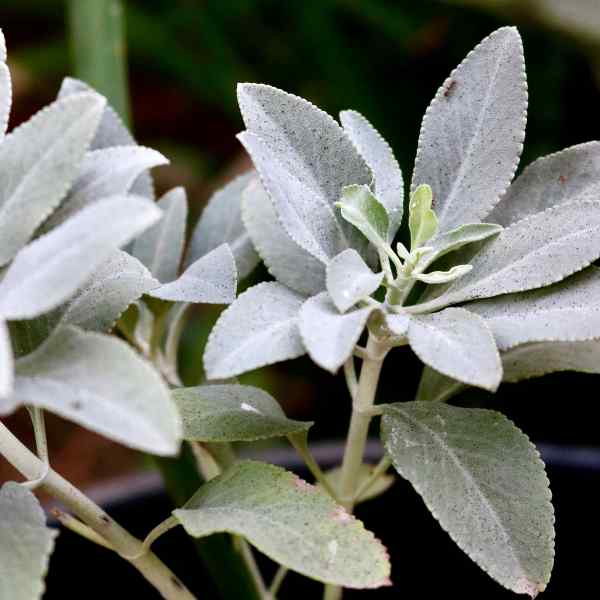
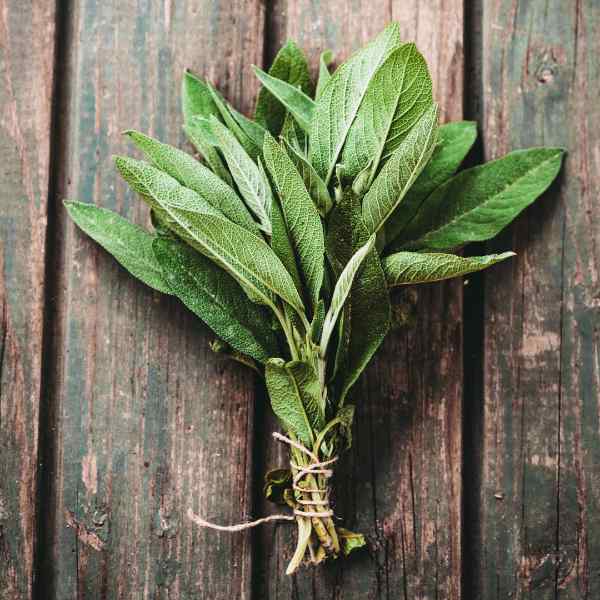
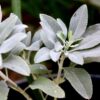
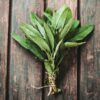
The foliage is unmistakable. Soft grey green leaves, slightly puckered and velvety to the touch, carry a strong, earthy fragrance that deepens as the leaves mature. Sage has long been valued as the backbone of classic stuffing. Its flavour cuts through rich ingredients, balancing fats and bringing harmony to hearty dishes. .
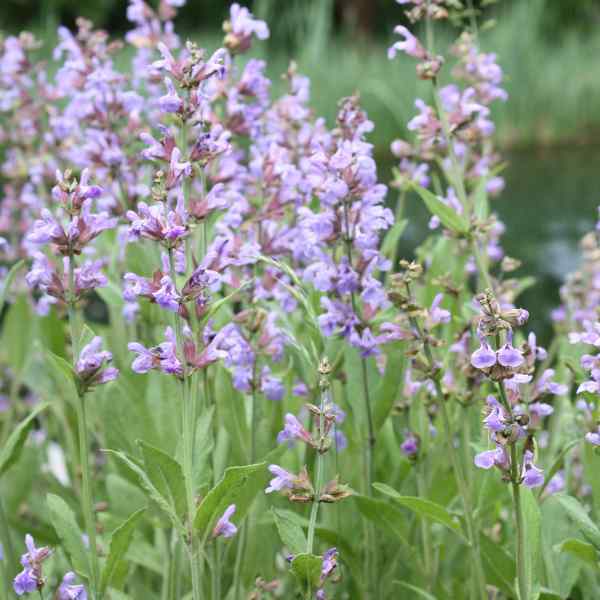
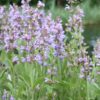
It produces light blue flowers that rival many of its ornamental Salvia cousins. The floral display is soft and elegant rather than showy, but it holds its own in any mixed planting. The flowers are edible and make an attractive garnish in salads.
Beyond the kitchen, sage has a long history in traditional herbal use. Sage tea has been enjoyed for centuries. Its reputation as a plant of wisdom and healing runs deep in folklore and old garden traditions.
In the garden setting, sage is far more than a functional herb. It sits comfortably in a herb garden, of course, but it is equally at home in perennial gardens, cottage gardens and even containers on a sunny patio. The grey green foliage acts as a wonderful foil for brighter flowers adding texture and softness.
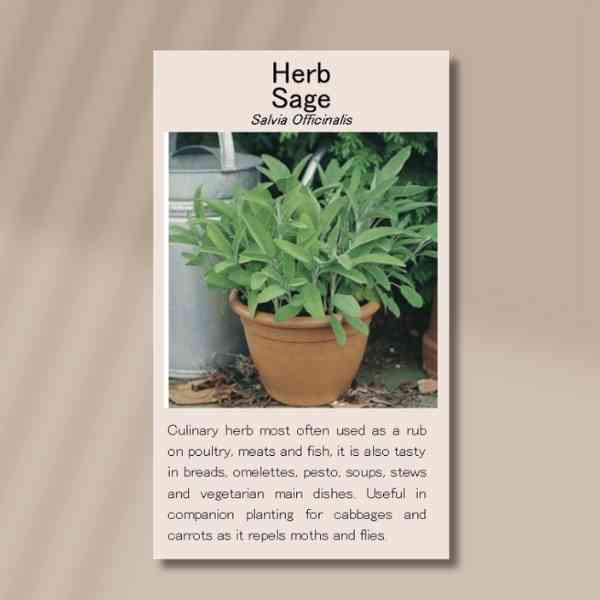
Its suitability for container gardening makes it a practical choice for smaller spaces. A pot of sage near the kitchen door offers both visual appeal and ready access for cooking. Even in limited space, this herb brings a sense of abundance. The foliage remains attractive for much of the year, giving structure and interest beyond its flowering period.
| Method: Sow direct | Soil Temp:10°C - 25°C |
| Cool Mountain: Oct - Dec | Position: Full sun |
| Arid: Jun - Jul | Row Spacing: 50cm apart |
| Temperate: Sep - Dec | Planting Depth: 5 mm |
| Sub Tropical: Aug - Nov | Harvest: 75 Days |
| Tropical: May - Jul | Plant Height: 60 cm |
🌿 Sage Grow Guide
🌱 Overview
Sage is a hardy, aromatic perennial herb grown for its soft grey-green leaves, savoury flavour, attractive flowers, and strong value in herb gardens, edible borders, pots, dry garden beds, and companion planting areas. Its leaves have a warm, earthy, slightly peppery flavour that pairs beautifully with poultry, pumpkin, potatoes, beans, pasta, butter sauces, stuffing, breads, roasted vegetables, and herbal teas.
Sage is a long-lived woody herb when grown in the right position. It prefers sun, excellent drainage, moderate fertility, and good airflow. It does not enjoy wet feet, heavy shade, or rich soggy soil. Once established, sage becomes quite tough and drought tolerant, but young seedlings need gentle care while they build roots.
Seed-grown sage is rewarding, though plants may vary slightly in leaf shape, growth habit, and strength of flavour. Named garden forms are often kept more reliably by cuttings, but growing sage from seed is still a practical and satisfying way to raise strong plants for everyday kitchen use.
🌾 Sowing in Trays Versus Direct Sowing
Sage can be grown by sowing in trays or by direct sowing, but tray sowing is usually the best method. Sage seed is not difficult, but seedlings are small and slow at first. Starting in trays gives better control over moisture, drainage, light, spacing, and protection from slugs, snails, ants, birds, heavy rain, and weeds.
To sow in trays, fill a punnet, cell tray, or small pot with a fine, free-draining seed-raising mix. Moisten the mix first, then sow the seed about 3 to 5 mm deep. Cover lightly and water gently with a mist spray or from below so the seed is not disturbed. Keep the mix lightly moist, not wet. Once seedlings have several true leaves and are sturdy enough to handle, pot them on individually before planting into their final position.
Direct sowing can work in a finely prepared, weed-free bed, but it is less reliable. Young sage seedlings are easy to lose among weeds and can suffer if soil becomes too wet or crusted. If direct sowing, sow shallowly, cover lightly, water gently, and thin seedlings early.
Best method: tray sowing is recommended because sage seedlings benefit from controlled moisture, protection, and careful early growth before being moved into a permanent garden position.
💧 Seed Pretreatment
Sage seed does not require pretreatment. No soaking, chilling, scarifying, or smoke treatment is needed. Fresh seed, shallow sowing, free-draining mix, gentle warmth, and steady moisture are the main requirements.
A short soak is optional but usually unnecessary. If seed is soaked, keep it brief and sow immediately afterward. Overly wet seed or soggy seed mix can lead to poor germination and fungal problems.
The most common causes of poor germination are old seed, seed buried too deeply, seed mix drying out completely, or the mix being kept too wet.
🪴 Soil and Position
Sage grows best in full sun with good airflow. A bright position encourages compact growth, stronger flavour, healthier foliage, and better flowering. In too much shade, plants may become leggy, soft, and more prone to mildew.
The soil should be well drained and moderately fertile. Sage does not need rich, damp soil. Sandy loam, light loam, raised beds, herb beds, gravel gardens, and open free-draining soil are ideal. If the soil is heavy clay, grow sage in a raised mound, raised bed, or pot where water can drain away freely.
For pots, use a quality herb or vegetable potting mix improved with coarse sand, perlite, or fine gravel for extra drainage. Choose a pot with drainage holes and avoid leaving it sitting in a saucer of water.
Sage prefers soil that is not constantly wet. Deep watering followed by a drying period is better than frequent shallow watering.
🌿 Care and Maintenance
Sage is easy to care for once established, but it needs careful watering while young. Keep seedlings lightly moist until they settle in. Once plants are stronger, allow the top layer of soil to dry before watering again. Mature sage is more tolerant of dry conditions than wet conditions.
Mulch lightly around plants if needed, but avoid thick damp mulch against the stem. Gravel, coarse bark, straw, or a thin layer of composted leaves can help reduce weeds and protect the soil surface. Keep the crown dry and open.
Feed lightly. Sage does not need heavy fertiliser. A small amount of compost or a mild organic herb feed is usually enough. Too much nitrogen can create soft leafy growth with weaker flavour and greater pest pressure.
Prune regularly but gently. Tip pruning encourages bushier growth and prevents the plant from becoming too woody too quickly. After flowering, trim back spent flower stems and lightly shape the plant. Avoid cutting hard into old bare wood unless there are visible new shoots below the cut.
Replace old tired plants when they become woody, sparse, or weak. Sage can live for several years, but younger plants usually produce better leaves.
Good airflow is important. Space plants well, remove dead leaves, and avoid overhead watering where possible.
🌼 Companion Planting Guide
Sage is a useful companion herb because its aromatic foliage helps add scent diversity to the garden, while its flowers attract bees and other beneficial insects. It works especially well in dry herb gardens, vegetable bed edges, raised beds, and pollinator-friendly plantings.
Good companions include rosemary, thyme, oregano, lavender, parsley, chives, calendula, alyssum, marigold, yarrow, chamomile, strawberries, tomatoes, capsicum, eggplant, carrots, beetroot, cabbage, broccoli, kale, beans, and peas.
Sage is often placed near brassicas such as cabbage, broccoli, and kale, where its strong scent may help confuse some pests. It also pairs beautifully with Mediterranean-style herbs that enjoy sun and drainage.
Avoid planting sage beside moisture-loving herbs or vegetables that need constantly wet soil. Mint, watercress, celery, and heavily irrigated leafy greens are not ideal neighbours. Also avoid allowing vigorous plants such as pumpkins, melons, or sweet potato vines to smother it.
✂️ How to Harvest
Sage leaves can be harvested once the plant is established and has enough growth to recover. Pick individual leaves or cut short leafy stems just above a leaf node. Regular light harvesting encourages fresh shoots and keeps the plant compact.
The best leaves are healthy, firm, aromatic, and grey-green. Young leaves are softer and milder, while older leaves have a stronger flavour. Harvest in the morning once the foliage is dry for the best aroma.
Fresh sage can be used whole, chopped, fried in butter, added to roasts, stirred into sauces, or used sparingly in teas. The flavour is strong, so a small amount often goes a long way.
To dry sage, cut healthy stems before they become old or dusty. Tie small bunches and hang them upside down in a dry, shaded, airy place. Once crisp, strip the leaves from the stems and store them in an airtight jar away from light and moisture.
Avoid harvesting heavily from young plants. Always leave enough foliage for the plant to keep growing strongly.
⚠️ Common Issues and Fixes
| Issue | Likely Cause | Fix |
|---|---|---|
| Poor germination | Old seed, deep sowing, dry mix, or soggy conditions | Use fresh seed, sow shallowly, keep lightly moist, and use free-draining mix |
| Seedlings collapse | Damping off from excess moisture or poor airflow | Use clean seed mix, avoid overwatering, and improve ventilation |
| Leggy seedlings | Not enough light or overcrowding | Move to brighter light and thin or pot on early |
| Seedlings disappear | Slugs, snails, ants, birds, or heavy rain | Start in trays and protect young plants |
| Yellow leaves | Waterlogging, poor drainage, or nutrient stress | Improve drainage, water less often, and feed lightly only if needed |
| Leaves turn soft and weak | Too much water, too much shade, or excess nitrogen | Grow in sun, reduce watering, and avoid rich feeding |
| Plant wilts despite wet soil | Root rot from soggy conditions | Stop watering, improve drainage, and repot into a freer draining mix |
| Brown leaf tips | Heat stress, dry wind, root stress, or salt build-up in pots | Water deeply when needed, shelter young plants, and flush pots occasionally |
| Powdery mildew | Poor airflow, shade, crowding, or moisture stress | Space plants well, prune lightly, and water at soil level |
| Aphids | Soft new growth or stressed plants | Hose off gently, encourage ladybirds, and avoid excess nitrogen |
| Spider mites | Hot dry stress, especially in pots | Keep plants evenly watered and remove badly affected growth |
| Few leaves | Old woody plant, poor soil, or lack of pruning | Lightly prune, feed gently, or replace very old plants |
| Weak flavour | Too much shade, excess feeding, or very soft growth | Give more sun, reduce feeding, and harvest mature leaves |
| Plant becomes woody | Natural ageing or lack of pruning | Tip prune regularly and refresh with younger plants when needed |
| Crown rot | Mulch or wet soil sitting against the stem base | Keep mulch away from the crown and improve drainage |
🌰 Detailed Seed Saving Guide
Saving sage seed is simple if plants are allowed to flower and set seed. Choose the healthiest plants with the best flavour, strongest scent, compact growth, good leaf colour, and no serious pest or disease problems. Avoid saving seed from weak, bland, diseased, or poorly shaped plants.
Allow selected flower stems to remain on the plant after blooming. The flowers will fade, and small seed capsules will begin to mature along the stems. Leave them until the flower stems turn dry and papery.
Because sage seed can drop when fully mature, check seed heads regularly. When most capsules are dry, cut the stems and place them upside down in a paper bag. Keep the bag in a dry, shaded, airy place for several days so the seed heads finish drying completely.
Once fully dry, rub the seed heads gently between your fingers over a white plate or sheet of paper. The seed will fall out mixed with fine chaff. Remove larger stem pieces by hand, then gently blow away lighter debris or use a fine sieve.
Spread the cleaned seed on a plate for another week to ensure it is completely dry. Store it in a labelled paper envelope inside an airtight jar. Keep it somewhere cool, dark, and dry. Add a silica gel sachet if humidity is an issue.
Label the packet with the plant name, collection date, flavour notes, leaf colour, plant habit, and useful observations such as “strong flavour”, “compact plant”, “best leaves”, or “good flowering plant”.
Seed-grown sage may vary slightly, especially if several sage types are flowering nearby. Raise several seedlings, then keep the strongest, healthiest, and best-flavoured plants.
🌿 Final Thoughts
Sage is a beautiful, practical, and long-lasting herb for gardeners who want flavour, fragrance, pollinator value, and a tough plant for sunny, well-drained spaces. It is not a thirsty lush herb, so it should be grown with restraint rather than constant watering and feeding.
For the best results, start seed in trays, sow shallowly, use free-draining soil, grow in full sun, avoid overwatering, feed lightly, prune regularly, and harvest small amounts often. With the right care, sage becomes a dependable kitchen herb and a handsome feature in pots, borders, herb beds, and edible gardens.
2 reviews for Sage

Postage Charge
Orders under $40 attract a $5.50 shipping charge. Orders $35 and above have free shipping.
*** We cannot deliver to Parcel Lockers ***
Order Times
Seed orders are normally dispatched within three business days. You will receive an email when seeds are mailed out.
Postage Days
Seeds are mailed out Tuesday to Friday at 1pm. Except for the Friday of long weekends.
Postage Times
WA 2-3 Days: SA,NT 3-5 Days: NSW, ACT, QLD, VIC: 5-7 Days
Carrier
We use Australia Post Letter Postage for the majority of orders.
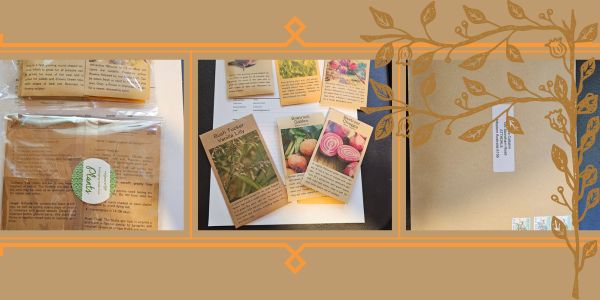
Not only are our seeds packed in recycled paper envelopes, we keep the theme going when we post out website orders. To protect your seeds from moisture and the letter box munchers (snails), we use a very special plastic free material made from plants. They are then put into recycled mailing envelopes. Green all the way ????????
Delivery Guarantee
We take great care to make sure your seeds arrive safely. If your order is lost or damaged in transit, we’ll happily send a replacement. Unfortunately, we can’t replace or refund orders that arrive later than the estimated delivery date, as delays can sometimes occur that are outside our control.
Please note that all dispatch and delivery times listed are estimates only. While we do our best to post promptly, delivery timeframes can vary due to postal service delays, weather events, or other unforeseen circumstances. We’re unable to take responsibility for any loss, damage, or cost that results from a late delivery.
An order is not considered missing until at least 20 business days have passed from the postage date. You’ll receive an email once your seeds have been posted, letting you know they’re on their way. If you don’t see it in your main inbox, please check your Spam or Promotions folders as sometimes our emails like to hide there.

See all our verified customer reviews on our official CusRev profile.
See all our verified customer reviews on our official CusRev profile.