






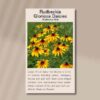

Rudbeckia Gloriosa Daisies
$4.95
Rudbeckia Hirta
- Seed Count 400
- Long Flowering Period
- Perennial
- Height 90 cm
Only 5 left in stock
Description
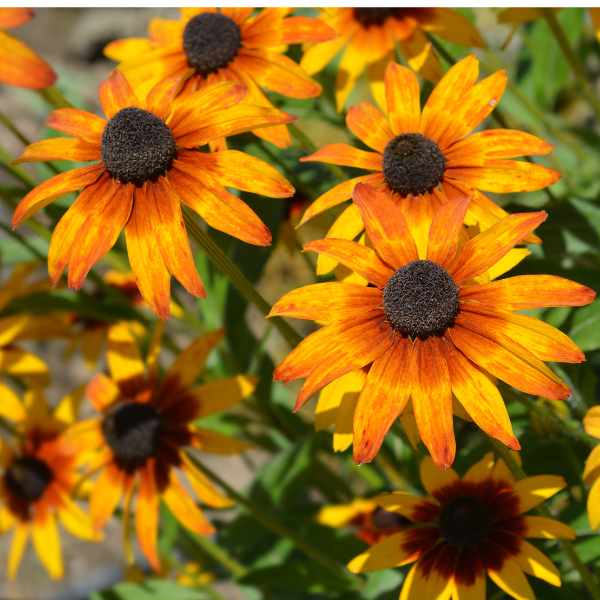
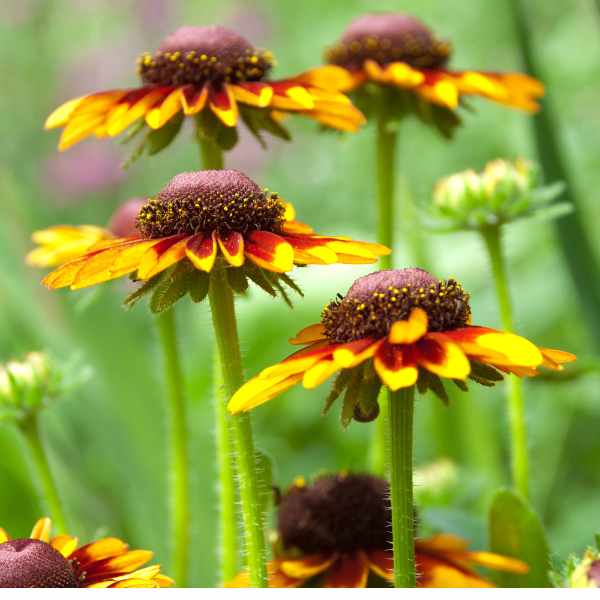
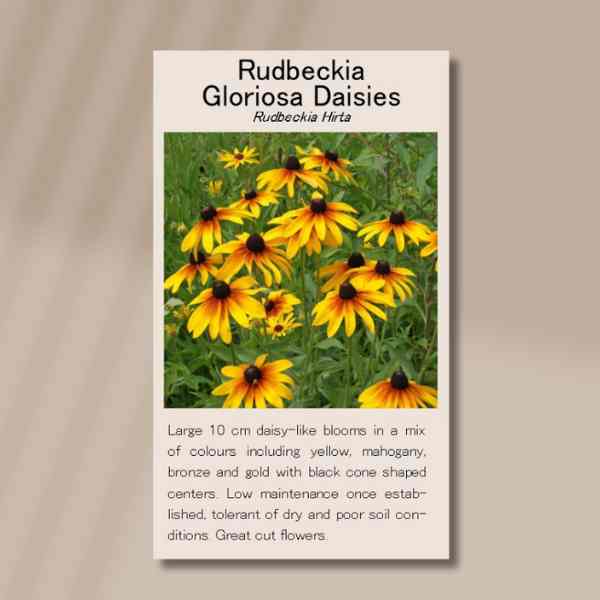
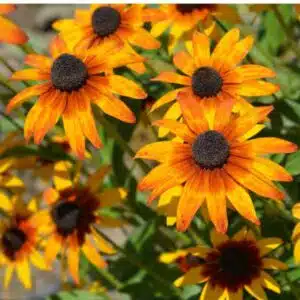
Rudbeckia Gloriosa Daisies has big, bold., 10 cm daisy shaped blooms that stand proudly on tall stems, swaying gently in the breeze. This variety is known for its stunning range of colours: gold, bronze, mahogany, and buttery yellow, sometimes all on the same plant. Some flowers are single-coloured and simple, others boast a painterly mix of tones, bi-coloured petals with dusky rings or flame-like tips, all anchored by that distinctive black cone at the centre. They have a sort of rustic beauty to them that is unfussy, a bit wild, and very much at home in both country gardens and suburban flower beds.
It fits into so many styles from cottage gardens, wildflower meadows, formal borders, to even the scrappy corner of the yard where nothing else seems to thrive. It blooms for months, often from late spring right through to early autumn, putting on a steady show when other plants have faded under the summer sun.
These are tall, bushy plants that know how to hold their space. They grow with a sense of structure and enough height to stand behind shorter border plants, but not so tall they become awkward. And once established, they need very little from you. That’s one of the biggest reasons they’re so loved in Australian gardens. They don’t mind dry spells, cope well in poorer soils, and thrive in full sun. You won’t need to fuss with constant watering or baby them through hot days. Give them a good start, and they’ll do the rest.
Of course, the flowers aren’t just lovely to look at. They’re also incredibly useful. For starters, they’re excellent for cutting. The blooms last surprisingly well in water, and the sturdy stems mean they don’t bend or collapse after a day in a vase. Whether you’re filling jars for your kitchen table, building wild seasonal bouquets, or selling posies at a local market, Gloriosa gives you colour and charm in spades. They pair beautifully with other warm-toned flowers such as zinnias, strawflowers, or cosmos but they’re also striking enough to stand on their own.
Beyond the vase, Rudbeckia Gloriosa brings other quiet benefits to the garden. It’s a magnet for pollinators. The open, nectar-rich flowers draw in bees, butterflies, and all sorts of beneficial insects, helping to create a buzzing, lively patch that supports the wider garden. You’ll often see bees gathering around the centres, or butterflies pausing mid-flight to land.
It doesn’t demand rich soil or perfect drainage. It doesn’t fuss over humidity or an unexpected cold snap. And while it’s a short-lived perennial or biennial in some climates, many gardeners treat it as an annual, sowing new seeds each year for a fresh burst of colour.
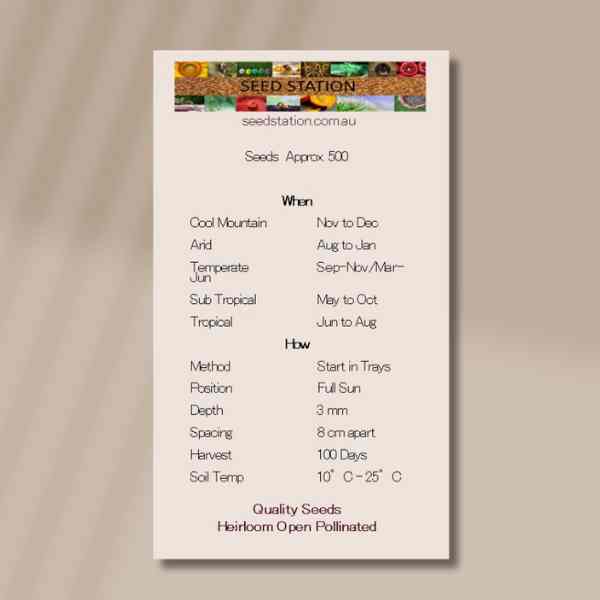
| Method: Sow direct or seedlings | Soil Temp: 10°C - 25°C |
| Cool Mountain: Nov - Dec | Germination: 7-14 Days |
| Arid: Aug - Jan | Position: Part sun |
| Temperate: Sep-Nov, Mar-Jun | Row Spacing: 30 cm |
| Sub Tropical: May - Oct | Planting Depth: 3 mm |
| Tropical: Jun - Aug | Harvest: 100 Days |
🌻 Rudbeckia Grow Guide
🌿 Overview
Rudbeckia is a cheerful, hardy flowering plant loved for its bright daisy-like blooms, dark central cones, long flowering display, and excellent value in pollinator-friendly gardens. The flowers are usually golden yellow, orange, bronze, or mahogany-toned, often with a bold dark centre that gives them their familiar “black-eyed” appearance.
This is a very rewarding plant for garden beds, borders, cottage gardens, meadow-style plantings, cut flower patches, and wildlife gardens. It brings strong colour, attracts bees and beneficial insects, and produces long-lasting flowers that are useful both fresh and dried. Once established, rudbeckia is generally tough, low-maintenance, and forgiving, making it a good choice for beginners as well as experienced gardeners.
🌱 Sowing in Trays vs Direct Sowing
Rudbeckia can be grown either in trays or sown directly into prepared garden soil. Both methods can work, but sowing in trays is usually the best method because the seedlings are small at first and benefit from protection while they establish.
For tray sowing, use a fine, free-draining seed-raising mix. Scatter the seed thinly over the surface and cover very lightly with fine mix or vermiculite. Rudbeckia seed should not be buried deeply, as shallow sowing gives better results. Keep the mix evenly moist but not soggy. A gentle misting or bottom-watering method helps avoid washing the tiny seed away.
Once seedlings are large enough to handle, prick them out carefully into individual pots or cells. Grow them on until they have a strong root system, then transplant them into the garden. Harden seedlings off gradually before planting them into their final position.
Direct sowing can also work if the soil is fine, weed-free, and kept evenly moist. The challenge with direct sowing is that tiny seedlings can be smothered by weeds, disturbed by heavy rain, eaten by pests, or lost in rough soil. If direct sowing, scatter seed thinly, press it gently into the soil surface, cover only very lightly, and thin the seedlings once they are large enough.
For rudbeckia, tray sowing is recommended because it gives better control, stronger seedlings, and more reliable spacing in the garden.
💧 Seed Pre-Treatment
Rudbeckia seed usually does not require special pre-treatment. Fresh seed normally germinates well when sown shallowly into a suitable seed-raising mix and kept evenly moist.
Some gardeners chill seed before sowing to encourage more even germination, especially with older seed or perennial types, but this is not essential for most common garden rudbeckias. If germination is slow or uneven, placing the sown tray in a cool spot for a short period before returning it to gentle warmth may help. However, for most home growers, the simplest and most reliable method is to sow fresh seed shallowly and keep the moisture steady.
Avoid soaking rudbeckia seed for long periods, as the seed is small and may become difficult to handle or rot if kept too wet.
🌞 Soil and Position
Rudbeckia performs best in a sunny position with good airflow. Strong light encourages sturdy stems, heavy flowering, and rich flower colour. It can tolerate a little light shade, but too much shade may lead to tall, weak growth and fewer flowers.
The soil should be well-drained, moderately fertile, and improved with compost. Rudbeckia is not especially fussy, but it does not like sitting in wet, stagnant soil. Before planting, loosen the soil and mix through compost or well-rotted organic matter. This helps retain enough moisture for steady growth while still allowing excess water to drain away.
In heavy clay, plant into raised beds or slightly mounded soil to improve drainage. In sandy soil, add compost to help hold moisture and nutrients. Rudbeckia is fairly resilient once established, but young plants grow best when the soil is not allowed to dry out completely.
Avoid overly rich feeding and very soft, lush growth. Plants grown with too much nitrogen may become leafy and floppy with fewer flowers.
🌿 Care and Maintenance
Rudbeckia is generally easy to maintain. Water young plants regularly while they establish, then water deeply during dry periods. Deep watering encourages stronger roots than frequent shallow watering. Once the plants are established, they can handle short dry spells, but they flower better when not severely stressed.
Mulch around the base of the plants to conserve soil moisture, reduce weeds, and protect the root zone. Keep mulch slightly away from the stems to avoid trapping moisture against the crown.
Feeding should be moderate. A layer of compost or a light application of balanced flower fertiliser is usually enough. Avoid heavy nitrogen feeding, as this can cause floppy stems and reduce flowering.
Deadheading spent flowers encourages the plant to continue producing blooms and keeps the display tidy. However, leaving some mature seed heads later is beneficial if you want to save seed or provide food and structure for wildlife. The dark cones can also look attractive in dried arrangements.
Taller varieties may need light staking, especially in windy areas or rich soil. Plant supports, twiggy branches, or discreet rings can help keep stems upright without making the planting look stiff.
🌼 Companion Planting Guide
Rudbeckia combines beautifully with plants that enjoy similar sunny, well-drained conditions. Good companions include echinacea, cosmos, zinnia, marigold, calendula, salvia, lavender, yarrow, coreopsis, gaillardia, alyssum, ornamental grasses, basil, parsley, and dill.
For a pollinator-friendly garden, plant rudbeckia near nectar-rich flowers with different bloom shapes. This helps attract bees, hoverflies, butterflies, and other beneficial insects. Fine-flowered herbs such as dill and parsley are especially useful when allowed to flower nearby, as they support many small beneficial insects.
In a cottage garden, rudbeckia looks excellent among cosmos, zinnias, calendula, and marigolds. In a meadow-style border, it pairs well with ornamental grasses, yarrow, salvia, and coreopsis. The bold yellow and orange tones contrast beautifully with purple, blue, white, and burgundy flowers.
Avoid planting rudbeckia where it will be shaded heavily by large shrubs or crowded by aggressive plants. Good airflow helps reduce fungal issues, so leave enough space between plants for the foliage to dry after rain or watering.
🧺 How to Harvest
Rudbeckia flowers can be harvested for fresh arrangements, dried flowers, and seed heads. For fresh cut flowers, harvest when the petals have opened and the central cone is firm and well-coloured. Cut stems in the cooler part of the day and place them into clean water straight away.
Use sharp, clean snips or secateurs and cut stems just above a leaf joint. Remove any leaves that would sit below the water line in a vase. Fresh rudbeckia flowers usually last well if the water is changed regularly and the stems are recut every few days.
For dried arrangements, harvest flowers or seed heads when they are fully formed and firm. Hang them upside down in a dry, airy, shaded place until completely dry. The dark central cones are especially useful for rustic dried arrangements and craft projects.
For seed harvest, leave selected flowers on the plant until the centre cone turns dry, dark, and firm. The seed is found within the mature cone and can be collected once the head is fully dry.
⚠️ Common Issues and Fixes
| Issue | Likely Cause | Fix |
|---|---|---|
| Poor germination | Seed buried too deeply, old seed, dry seed mix | Sow shallowly, use fresh seed, keep mix evenly moist |
| Seedlings collapsing | Damping off from excess moisture or poor airflow | Use clean seed mix, avoid overwatering, improve airflow |
| Weak, leggy seedlings | Not enough light, overcrowding | Move to brighter light, thin or prick out seedlings early |
| Plants growing leafy but not flowering well | Too much nitrogen, not enough sun | Reduce rich feeding, improve sun exposure, use balanced fertiliser |
| Floppy stems | Rich soil, wind exposure, tall variety, insufficient support | Stake plants early, avoid excess nitrogen, grow in full sun |
| Yellowing leaves | Water stress, poor drainage, nutrient deficiency | Check soil moisture, improve drainage, apply compost or gentle feed |
| Powdery white coating on leaves | Powdery mildew from poor airflow or plant stress | Space plants well, water soil rather than foliage, remove badly affected leaves |
| Brown or spotted leaves | Fungal leaf spot, overhead watering, crowded plants | Improve airflow, remove infected leaves, avoid wetting foliage |
| Chewed petals or leaves | Caterpillars, beetles, slugs, snails, or grasshoppers | Inspect plants regularly, hand-remove pests, protect young plants |
| Aphids on new growth | Soft growth, crowded plants, low beneficial insect activity | Spray off with water, encourage ladybirds and hoverflies, avoid overfeeding |
| Flowers fading quickly | Heat stress, dry soil, old blooms left on plant | Water deeply, mulch well, deadhead regularly |
| Plants dying at the crown | Waterlogged soil or mulch packed against stems | Improve drainage, keep mulch away from crown, avoid overwatering |
🌾 Detailed Seed Saving Guide
Saving rudbeckia seed is simple and worthwhile. Begin by choosing the healthiest plants with the strongest growth, best flower colour, good stem strength, and longest display. Avoid saving seed from weak, diseased, badly distorted, or poor-flowering plants.
Allow selected flowers to remain on the plant after the petals fade. The central cone will gradually mature, darken, and dry. Wait until the cone feels firm and dry before harvesting. If collected too early, the seed may not be mature enough to store well or germinate strongly.
Cut the dry seed heads with a short length of stem attached and place them in a paper bag or on a clean tray. Keep them somewhere dry, shaded, and well ventilated for another week or two so they finish drying completely.
Once dry, gently rub or break apart the central cone over a tray or bowl. The seed is mixed among the dry chaff, so do not expect it to look perfectly clean straight away. Rub the seed head between your fingers, then separate the heavier seed from the lighter dry material by gently blowing across the tray or using a fine sieve.
Spread the cleaned seed in a thin layer for several more days to ensure it is fully dry. This step is important because even slight moisture can cause mould in storage.
Store the seed in a labelled paper envelope or small airtight container. Write the plant name, flower colour, parent plant notes, and year collected. Keep the seed in a cool, dark, dry place. A small moisture absorber can be added to the storage jar in humid conditions.
For best results, save seed from several good plants rather than just one. This helps maintain vigour and gives a better range of strong seedlings in future plantings. Seed-grown rudbeckia may show some natural variation in height, flower size, and colour tones, which can be a lovely part of growing it from saved seed.
🌟 Final Thoughts
Rudbeckia is a bright, dependable, and generous flowering plant that brings colour, pollinators, and long-lasting beauty to the garden. It is easy to grow from seed, especially when started in trays, and it rewards simple care with strong stems, cheerful flowers, and useful seed heads.
The keys to success are shallow sowing, steady moisture during germination, full sun, well-drained soil, moderate feeding, good airflow, and regular deadheading. With a little care early on, rudbeckia becomes a resilient and highly rewarding garden plant that offers flowers for cutting, seed for saving, and a bold golden display that lifts the whole garden.
2 reviews for Rudbeckia Gloriosa Daisies

Postage Charge
Orders under $40 attract a $5.50 shipping charge. Orders $35 and above have free shipping.
*** We cannot deliver to Parcel Lockers ***
Order Times
Seed orders are normally dispatched within three business days. You will receive an email when seeds are mailed out.
Postage Days
Seeds are mailed out Tuesday to Friday at 1pm. Except for the Friday of long weekends.
Postage Times
WA 2-3 Days: SA,NT 3-5 Days: NSW, ACT, QLD, VIC: 5-7 Days
Carrier
We use Australia Post Letter Postage for the majority of orders.
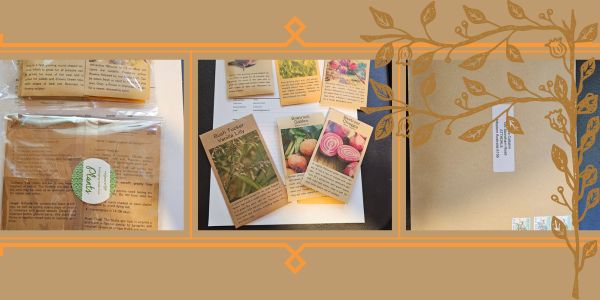
Not only are our seeds packed in recycled paper envelopes, we keep the theme going when we post out website orders. To protect your seeds from moisture and the letter box munchers (snails), we use a very special plastic free material made from plants. They are then put into recycled mailing envelopes. Green all the way ????????
Delivery Guarantee
We take great care to make sure your seeds arrive safely. If your order is lost or damaged in transit, we’ll happily send a replacement. Unfortunately, we can’t replace or refund orders that arrive later than the estimated delivery date, as delays can sometimes occur that are outside our control.
Please note that all dispatch and delivery times listed are estimates only. While we do our best to post promptly, delivery timeframes can vary due to postal service delays, weather events, or other unforeseen circumstances. We’re unable to take responsibility for any loss, damage, or cost that results from a late delivery.
An order is not considered missing until at least 20 business days have passed from the postage date. You’ll receive an email once your seeds have been posted, letting you know they’re on their way. If you don’t see it in your main inbox, please check your Spam or Promotions folders as sometimes our emails like to hide there.
See all our verified customer reviews on our official CusRev profile.
See all our verified customer reviews on our official CusRev profile.