

Ruby Salt Bush
$6.59
Enchylaena Tormentosa
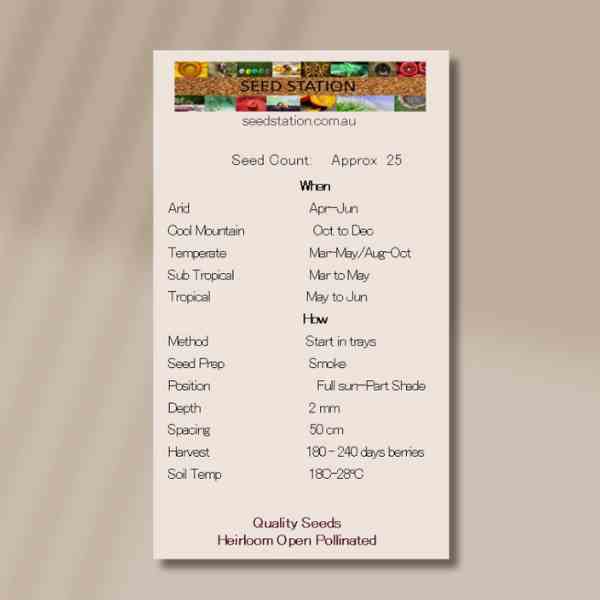
- Seed Count 25
- Edible berries with a salty, sweet flavour
- Tolerant of poor soils and drought
In stock
Description
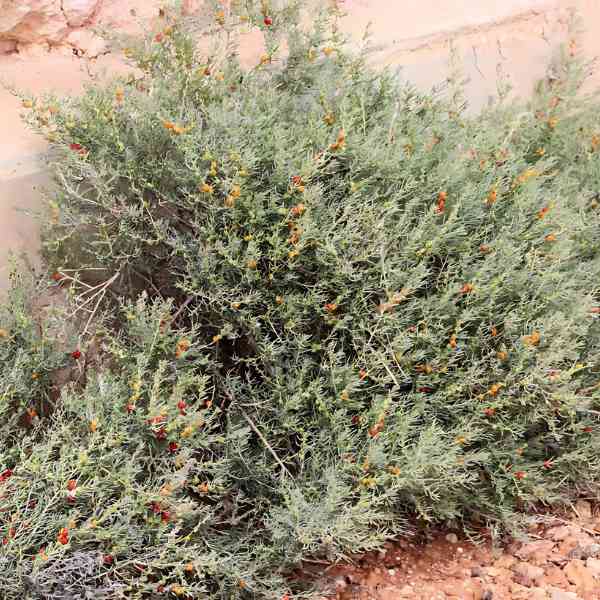
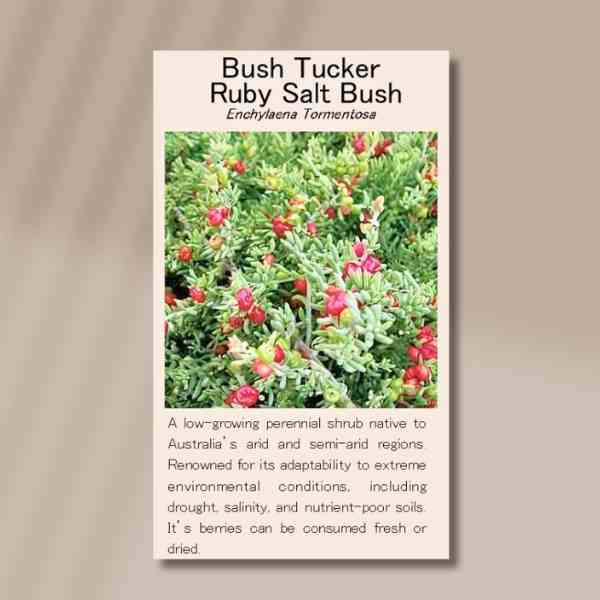
Ruby Salt Bush is a low-growing perennial shrub native to Australia’s arid and semi-arid regions. This species is renowned for its adaptability to extreme environmental conditions, including drought, salinity, and nutrient-poor soils. Its distribution includes coastal dunes, inland plains, and rocky outcrops, making it a useful candidate for landscape restoration, sustainable landscaping, and water-wise gardens.
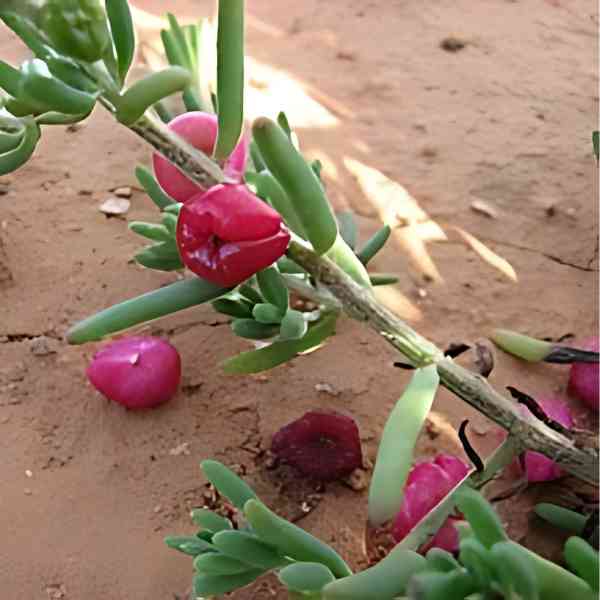
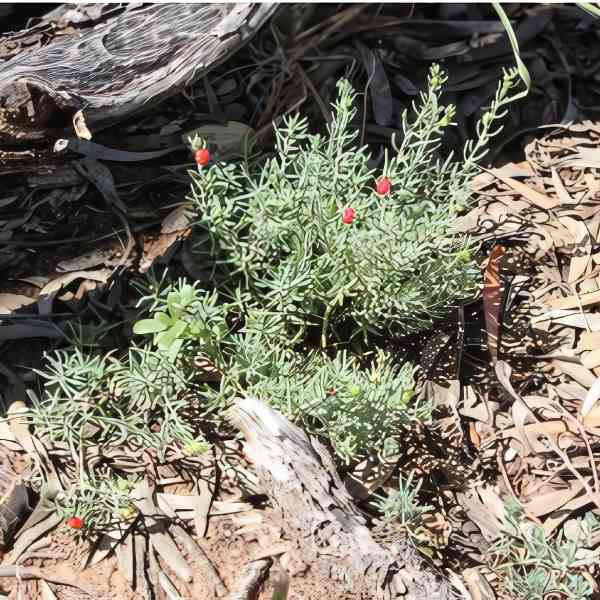
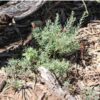
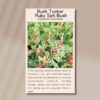
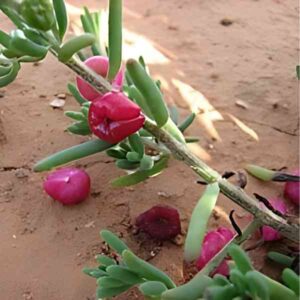
Mature Ruby Salt Bush plants typically reach 0.3 – 1 metre in height and spread up to 1.5 metres across. The foliage consists of small succulent, cylindrical leaves covered in fine, silvery-white hairs, which reduce water loss and reflect the harsh sunlight. From spring to autumn, the plant produces inconspicuous greenish-yellow flowers. The flowers are followed by fleshy, berry-like fruits that start out yellow, becoming orange at mid-maturity, and finishing deep ruby-red when fully ripe. The berries persist for months, providing long-lasting visual interest.
Ruby Salt Bush is a keystone species in arid ecosystems. Its deep, fibrous root system stabilise loose soils, preventing erosion in wind-prone or degraded landscapes. The plant’s berries are a critical food source for native fauna, including zebra finches, parrots, and honeyeaters, while its dense, low-growing form offers shelter for invertebrates and small reptiles. In coastal environments, it tolerates saline soils and salt spray, making it a practical choice for dunes or gardens near the ocean.
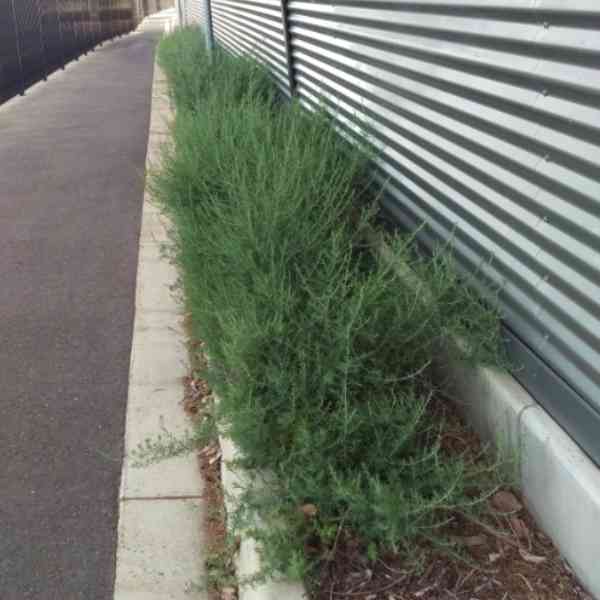
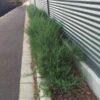
In garden settings, it serves as a groundcover on slopes, a border plant in native gardens, or a textural contrast in rockeries. The silvery foliage complements flowering species like the Swan River Daisy or Eremophila, while the berries add seasonal colour when other plants may be dormant. In the farming world, it is used in pasture systems for livestock forage during periods of drought.
Historically, Indigenous Australian communities consumed them fresh or dried as a seasonal food source. The edible berries, which are rich in antioxidants, have a unique tangy flavor and can be incorporated into jams, sauces, and other culinary creations. They are also a source of essential nutrients in arid regions where fresh produce may be scarce. The plant’s leaves and stems are not typically consumed but have been documented for use in traditional medicinal practices.
🍒 Ruby Saltbush Grow Guide
🌱 Overview
Ruby Saltbush is a hardy, low-growing edible shrub valued for its small colourful berries, silvery-green foliage, and ability to cope with dry, exposed conditions. It usually grows as a spreading shrub or groundcover, making it useful for dry garden beds, wildlife-friendly plantings, edible gardens, verge-style plantings, and low-maintenance spaces.
The berries are the main edible feature. They are small, juicy, and usually turn shades of red, orange, yellow, or pink when ripe. Their flavour is often described as mildly salty-sweet, making them useful as a fresh garden snack, garnish, or ingredient in drinks and preserves. The plant is also attractive to birds, so it can bring life and movement into the garden.
🌰 Seed Pre-Treatment
Seed pre-treatment is not strictly required, but cleaning the seed properly is important. Ruby Saltbush seed is often surrounded by fleshy fruit pulp, and that pulp should be removed before sowing. If the pulp is left on, it may encourage mould, slow germination, or attract ants and other pests.
To prepare seed, gently squash ripe berries in water, rub away the flesh, and rinse the seed well. Let the cleaned seed dry briefly on paper towel before sowing. Do not leave it sitting damp for too long.
Smoke water is optional. It can be used to improve germination, especially with older or stubborn seed, but Ruby Saltbush can germinate without it. If using smoke water, follow the product directions and avoid making the seed-raising mix soggy.
🪴 Sowing in Trays vs Direct Sowing
Ruby Saltbush can be grown by either sowing in trays or direct sowing, but for most home gardeners, sowing in trays or tubes is the best method. The seed is small, germination can be uneven, and young seedlings are easily lost among weeds, mulch, ants, birds, or drying soil. Starting seed in containers gives much better control over moisture and protection.
Fill a seed tray, punnet, or tube with a free-draining seed-raising mix. Press the seed gently into the surface, then cover it lightly with about 2 to 5 mm of mix, coarse sand, or fine vermiculite. Water gently with a misting spray or by bottom-watering so the seed is not washed away. Keep the mix lightly moist, not wet. Germination may take several weeks, so do not discard the tray too early.
Once seedlings are large enough to handle, prick them out carefully or pot them into individual tubes. Let them develop a strong root system before planting out. Water them in well after transplanting and protect them until they are established.
Direct sowing can work in prepared garden beds, especially where the soil is loose, weed-free, and not heavily mulched. However, it is less reliable. If direct sowing, scatter seed thinly, press it into the soil, cover lightly, and keep the surface evenly moist until seedlings appear.
☀️ Soil and Position
Ruby Saltbush grows best in a sunny, open position, though it can tolerate light shade. More sun usually gives denser growth and better berry production. In too much shade, the plant may become stretched, sparse, and less productive.
The soil should be free draining. Sandy soil, gravelly soil, raised beds, and dry garden beds are all suitable. Ruby Saltbush is tolerant of poor soils and can cope with salty or alkaline conditions better than many common garden plants. However, it does not like sitting in wet, heavy soil for long periods.
If your soil is clay-heavy, plant into a raised mound or raised bed. Add coarse sand, fine gravel, or composted organic matter to improve structure, but avoid creating a rich, wet planting pocket. The goal is a soil that drains freely while still holding enough moisture for young plants to establish.
💧 Care and Maintenance
Ruby Saltbush is tough once established, but young plants still need regular care. Water seedlings and new transplants consistently until they begin putting on fresh growth. After that, water deeply during dry spells, then allow the soil to dry slightly between waterings.
Avoid overwatering. A plant that is constantly wet may become soft, yellow, or prone to root problems. In pots, use a native or free-draining potting mix and make sure the container has excellent drainage.
Pruning helps keep Ruby Saltbush compact and productive. Over time, plants can become woody in the centre. Light trimming encourages fresh, leafy growth and can make berry picking easier. Avoid cutting hard into old bare wood unless the plant is healthy and actively growing back strongly.
A light mulch can help reduce weeds and protect the soil surface, but keep mulch away from the stem base. Gravel mulch, coarse woodchip, or a thin open mulch is better than thick, damp mulch packed around the crown.
Feeding should be gentle. Ruby Saltbush does not need rich feeding. A small amount of compost, worm castings, or a mild slow-release fertiliser is enough if growth looks weak. Too much fertiliser can cause soft growth and reduce the plant’s natural toughness.
🌼 Companion Planting Guide
Ruby Saltbush grows best with plants that enjoy similar sunny, dry, free-draining conditions. Good companions include native grasses, paper daisies, everlasting daisies, kangaroo paw, pigface, thyme, rosemary, lavender, calendula, marigold, yarrow, and oregano.
Low-growing flowers and herbs help attract pollinators and beneficial insects while keeping the planting area diverse. Dry-loving herbs such as thyme, oregano, rosemary, and lavender suit similar soil and watering conditions. Native grasses and flowering perennials also pair well because they provide texture, shelter, and habitat without demanding heavy watering.
Avoid planting Ruby Saltbush beside crops that need rich, constantly moist soil. Leafy greens, water-hungry herbs, and heavy-feeding vegetables are not ideal companions in the same bed. Also avoid dense, vigorous groundcovers that may smother young Ruby Saltbush plants before they establish.
Because birds enjoy the berries, seedlings may appear in nearby garden beds. This can be useful in a wildlife garden, but unwanted seedlings should be removed while small.
🍒 How to Harvest
Harvest the berries when they are fully coloured and slightly soft. Ripe berries usually come away easily when touched or gently rolled between your fingers. A simple method is to hold a bowl or open hand beneath a fruiting stem and lightly tap the branch so ripe berries drop off.
Pick only clean, healthy berries. Rinse them gently before use. They can be eaten fresh in small amounts, scattered over salads, used as a garnish, added to drinks, or steeped in hot water for a lightly sweet and salty infusion.
The seed inside the berry can be firm or slightly bitter, so many people enjoy the juicy outer flesh and spit out or remove the seed. When using berries for cooking, sauces, or drinks, they can be strained if a smoother texture is preferred.
Leave some berries for birds and for seed saving. The brightest, healthiest berries from strong plants are the best choice for future seed.
⚠️ Common Issues and Fixes
| Issue | Likely Cause | Fix |
|---|---|---|
| Seeds do not germinate | Seed too old, pulp left on seed, uneven moisture, or seed buried too deeply | Clean seed well, sow shallowly, keep lightly moist, and use fresh seed where possible |
| Seed tray becomes mouldy | Fruit flesh left on seed or mix kept too wet | Remove pulp before sowing, improve airflow, and water less often |
| Seedlings collapse | Damping-off from excess moisture or poor ventilation | Use clean trays, free-draining mix, gentle watering, and better airflow |
| Seedlings grow slowly | Low light, cold conditions, or poor root development | Move to brighter light, avoid overwatering, and pot on once roots develop |
| Leaves turn yellow | Overwatering, poor drainage, or nutrient imbalance | Improve drainage, reduce watering, and feed lightly only if needed |
| Plant becomes woody | Natural ageing or lack of pruning | Tip-prune lightly to encourage fresh growth |
| Few berries | Too much shade, stress, or lack of pollinator activity | Grow in a sunnier position, avoid water stress, and include flowering companions |
| Berries disappear quickly | Birds or wildlife feeding on ripe fruit | Harvest regularly or use temporary netting if needed |
| Plant looks sparse | Too much shade, competition, or dry establishment period | Increase light, reduce nearby competition, and water deeply while establishing |
| Root rot | Soil staying wet for too long | Plant into raised, free-draining soil and avoid heavy watering |
🌾 Seed Saving Guide
To save seed from Ruby Saltbush, select the healthiest and most productive plants. Choose plants with strong growth, good berry colour, and a compact habit. Avoid saving seed from weak, diseased, or poorly shaped plants unless you have very limited seed available.
Allow berries to ripen fully on the plant. The best berries for seed saving are richly coloured, soft, and easy to remove. Pick them by hand or tap ripe berries into a clean bowl.
Place the berries in a small bowl of water and gently squash them with your fingers. Rub the flesh away from the seed. The water may become cloudy or coloured as the pulp separates. Pour off the floating pulp and rinse the seed several times until it is mostly clean.
Spread the cleaned seed onto paper towel, a fine sieve, or a ceramic plate. Let it dry in a shaded, airy place. Do not dry seed in harsh direct sun, as excessive heat can reduce viability. Stir or move the seed once or twice while drying so it does not clump.
When the seed is fully dry, store it in a labelled paper envelope. Place the envelope inside an airtight jar and keep it somewhere cool, dark, and dry. Label it with the plant name, berry colour, collection date, and any useful notes about the parent plant.
Before sowing saved seed, check that it is dry, firm, and free from mould. If germination has been poor in the past, try a smoke water treatment before sowing. Sow cleaned seed shallowly, keep it lightly moist, and be patient, as germination can be uneven.
🌟 Final Thoughts
Ruby Saltbush is an excellent choice for a low-water edible garden, wildlife-friendly planting, or dry ornamental border. It offers attractive foliage, colourful berries, and strong tolerance once established.
The best results come from clean seed, shallow sowing, free-draining soil, bright light, and careful watering while young. Tray or tube sowing is usually the most reliable method because the seedlings are easier to protect and manage. Once established, Ruby Saltbush becomes a hardy, useful, and beautiful plant that rewards light care with edible berries and year-round garden interest.
2 reviews for Ruby Salt Bush
| 5 star | 50% | |
| 4 star | 50% | |
| 3 star | 0% | |
| 2 star | 0% | |
| 1 star | 0% |

Postage Charge
Orders under $35 attract a $4.95 shipping charge. Orders $35 and above have free shipping.
Order Times
Seed orders are normally dispatched within three business days. You will receive an email when seeds are mailed out.
Postage Days
Seeds are mailed out Tuesday to Friday at 1pm. Except for the Friday of long weekends.
Postage Times
WA 2-3 Days: SA,NT 3-5 Days: NSW, ACT, QLD, VIC: 5-7 Days
Carrier
We use Australia Post Letter Postage for the majority of orders
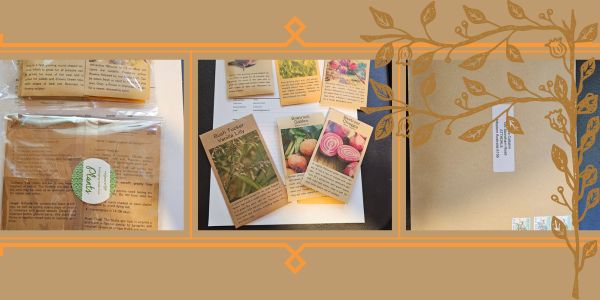
Not only are our seeds packed in recycled paper envelopes, we keep the theme going when we post out website orders. To protect your seeds from moisture and the letter box munchers (snails), we use a very special plastic free material made from plants. They are then put into recycled mailing envelopes. Green all the way ????????
Delivery Guarantee
We take great care to make sure your seeds arrive safely. If your order is lost or damaged in transit, we’ll happily send a replacement. Unfortunately, we can’t replace or refund orders that arrive later than the estimated delivery date, as delays can sometimes occur that are outside our control.
Please note that all dispatch and delivery times listed are estimates only. While we do our best to post promptly, delivery timeframes can vary due to postal service delays, weather events, or other unforeseen circumstances. We’re unable to take responsibility for any loss, damage, or cost that results from a late delivery.
An order is not considered missing until at least 20 business days have passed from the postage date. You’ll receive an email once your seeds have been posted, letting you know they’re on their way. If you don’t see it in your main inbox, please check your Spam or Promotions folders as sometimes our emails like to hide there.
They haven’t been planted yet. Your survey is a bit too soon for this question
See all our verified customer reviews on our official CusRev profile.
See all our verified customer reviews on our official CusRev profile.