


Rocket Salad
$4.95
Eruca Sativa
- Seed Count 1500
- Classic Salad Rocket
- Annual
In stock
Description
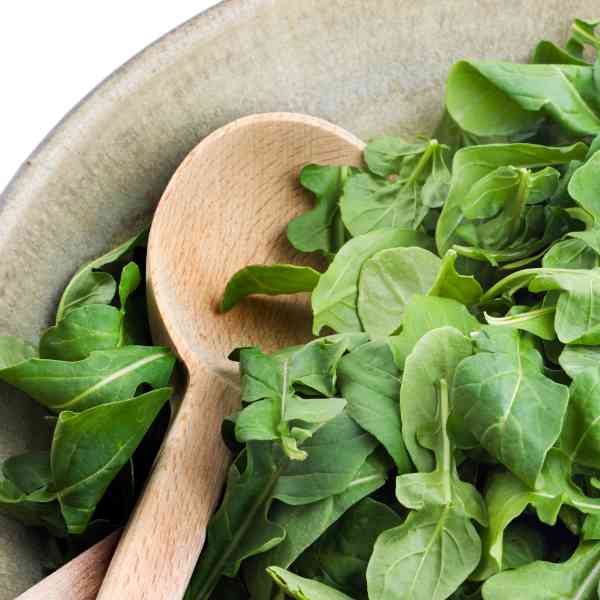
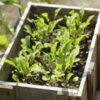
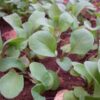
‘Rocket Salad’ or ‘Cultivated’ Rocket is a classic salad rocket, also known as arugula. It has beautiful oakleaf type leaves, typically found in salad mixes, the rounded leaves gives a salad an attractive, three-dimensional texture.
Used fresh, salad rocket adds a peppery note to salads, this aromatic salad green is ideal as a bed for seafood but also makes a wonderful salad on its own.
Cooked lightly it can be added to stir-fries, it also makes a delicious spinach substitute.
After the plants flower, the leaves can still be used but taste is sharper. The flowers are also edible.
| Method: Sow seeds | Soil Temp: 10°C - 25°C |
| Cool Mountain: Mar/May - Sep/Nov | Position: Part shade |
| Arid: May/Mar - Aug/Nov | Row Spacing: 10 cm apart |
| Temperate: Mar/May - Aug/Nov | Planting Depth: 1 mm |
| Sub Tropical: Mar - Oct | Harvest: 50 days |
| Tropical: Not recommended | Plant Height: 30cm |
🌿 Rocket Grow Guide
🌱 Overview
Rocket is a fast-growing leafy green loved for its peppery flavour, tender leaves, edible flowers, and useful role in salads, sandwiches, wraps, pizzas, pasta, pestos, and cooked dishes. It is one of the easiest greens to grow from seed and is very rewarding because it can be harvested young as baby leaf or allowed to mature for a stronger, spicier flavour.
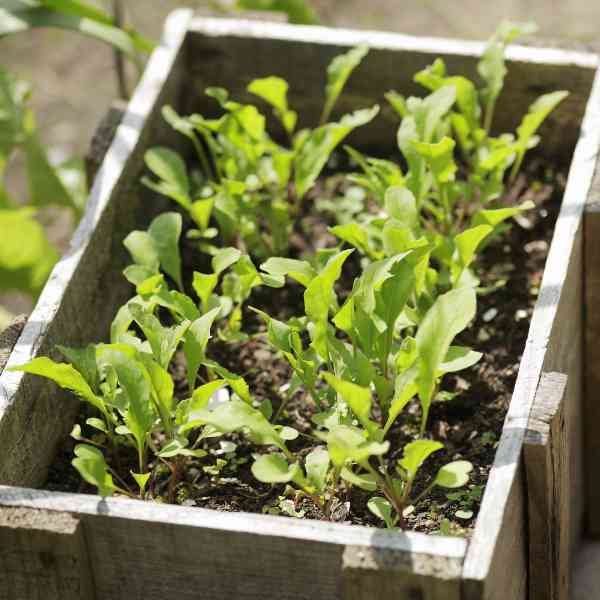
Rocket is a cut-and-come-again crop, meaning you can pick outer leaves while leaving the centre to keep growing. It is ideal for vegetable beds, pots, troughs, raised planters, herb gardens, and small spaces. The flowers are also edible and attract bees, hoverflies, and other beneficial insects.
The key to good rocket is quick, steady growth. If the plant becomes stressed by dry soil, overcrowding, poor nutrition, or heat, the leaves can become tough and very sharp in flavour, and the plant may send up flowers quickly. Regular watering, light feeding, and frequent harvesting keep leaves tender and productive.
🌾 Sowing in Trays Versus Direct Sowing
Rocket can be grown by direct sowing or by sowing in trays, but direct sowing is usually the best method. The seed germinates quickly, seedlings grow fast, and the plant does not need a long nursery stage. Direct sowing also avoids root disturbance and allows plants to settle naturally where they will grow.
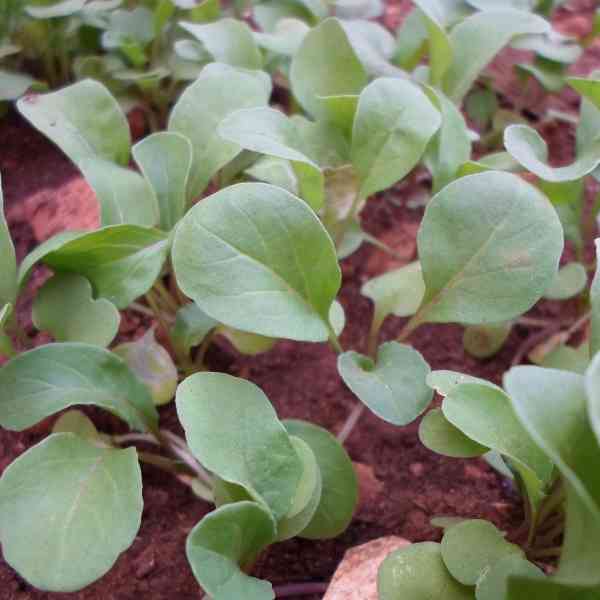
To direct sow, prepare a fine, weed-free bed or pot. Scatter the seed thinly or sow in shallow rows. Cover with about 5 mm of fine soil or seed-raising mix, then water gently with a soft spray. Keep the soil evenly moist until seedlings appear. Once seedlings are large enough to handle, thin them so the remaining plants have room to produce healthy leaves.
Tray sowing is useful if you need to protect seedlings from slugs, snails, ants, birds, heavy rain, or harsh conditions. Use a cell tray or small pots rather than a crowded punnet. Sow lightly, cover thinly, and transplant while seedlings are still young and compact. Avoid letting them become root-bound.
Best method: direct sowing is recommended for rocket because it is fast, simple, and gives strong plants with minimal disturbance. Tray sowing is useful when pest protection or controlled spacing is needed.
💧 Seed Pretreatment
Rocket seed does not require pretreatment. No soaking, chilling, scarifying, or smoke treatment is needed. Fresh seed, shallow sowing, and even moisture are enough for reliable germination.
A short soak is optional but unnecessary. Because rocket seed usually germinates readily, soaking can make the seed harder to handle and may increase the risk of rot if the soil is already wet.
The most common causes of poor germination are old seed, dry soil, sowing too deeply, or rough watering that washes seed away.
🪴 Soil and Position
Rocket grows best in fertile, well-drained soil that holds steady moisture. It likes soil improved with compost, worm castings, aged manure, or well-rotted organic matter. The soil should stay evenly moist but should not become waterlogged.
Choose a position in full sun to light part shade. Full sun gives strong growth, while light shade can help keep leaves softer and milder in hot or exposed spots. Too much shade may produce weak, stretched growth.
Rocket grows very well in pots and troughs. Use a quality vegetable potting mix and choose containers with drainage holes. Wide shallow containers are ideal because rocket has a relatively quick root system and does not need a very deep pot for baby leaf harvests.
Avoid dry, poor soil if you want tender leaves. Stress makes rocket stronger in flavour and more likely to flower early.
🌿 Care and Maintenance
Rocket is easy to care for, but steady moisture is important. Water regularly so the soil stays lightly moist. Do not let plants wilt repeatedly, as this can make leaves bitter, tough, and overly spicy.
Mulch around plants with straw, sugarcane mulch, composted leaves, or fine bark once seedlings are established. Mulch helps reduce weeds and keeps the shallow root zone cool and moist. Keep mulch slightly away from the crown of each plant.
Feed lightly if growth slows or leaves look pale. A mild liquid vegetable fertiliser, worm liquid, seaweed solution, or compost tea can help maintain leafy growth. Avoid heavy feeding, especially with strong nitrogen fertilisers, as very soft growth can attract aphids.
Thin seedlings early. Crowded rocket quickly becomes weak, stretched, and more prone to mildew. Thinnings can be eaten as microgreens or baby leaves if clean and healthy.
Harvest often. Regular picking encourages fresh new leaves and delays flowering. Remove yellowing leaves and any damaged foliage to improve airflow and keep the patch productive.
If plants send up flower stems, you can still use the flowers and young seed pods, but the leaves usually become stronger and tougher. For the best eating quality, grow fresh sowings rather than relying on old plants for too long.
🌼 Companion Planting Guide
Rocket is a useful companion plant because it grows quickly, attracts beneficial insects when flowering, and fits easily between slower crops. It works well in vegetable beds, herb gardens, raised planters, and containers.
Good companions include lettuce, spinach, silverbeet, beetroot, carrot, radish, spring onion, onion, garlic, chives, parsley, coriander, dill, calendula, alyssum, chamomile, marigold, nasturtium, tomato, capsicum, eggplant, beans, peas, and strawberries.
Flowers such as alyssum, calendula, dill, coriander, and chamomile help attract hoverflies, lacewings, bees, and small beneficial wasps. These insects can help balance aphids and other soft-bodied pests.
Rocket is especially useful near salad crops because it can be harvested alongside lettuce, spinach, radish, and herbs. It can also be grown under taller crops if it still receives enough light and airflow.
Avoid planting rocket where large sprawling crops will smother it. Pumpkins, melons, sweet potato vines, and dense brassicas can shade it heavily. Also avoid letting old rocket plants drop seed everywhere unless you are happy for volunteers to appear.
✂️ How to Harvest
Rocket can be harvested as microgreens, baby leaves, mature leaves, flowers, and seed pods.
For baby leaves, snip leaves once they are large enough to eat. Cut above the growing point so the plant can regrow. Baby leaves are usually milder and more tender than mature leaves.
For ongoing harvests, pick the outer leaves first and leave the centre intact. This keeps plants productive for longer. Use clean scissors or pinch leaves gently near the base.
For a larger harvest, cut the whole plant a few centimetres above the soil. If the growing point is not damaged, it may reshoot and provide another crop of leaves.
Flowers are edible and have a peppery flavour. Pick fresh open flowers from unsprayed plants and use them in salads, sandwiches, grazing boards, soups, and garnishes.
Young green seed pods can also be eaten, though they have a stronger mustard-like flavour. For the mildest leaves, harvest regularly before the plant becomes tall and woody.
⚠️ Common Issues and Fixes
| Issue | Likely Cause | Fix |
|---|---|---|
| Poor germination | Old seed, dry soil, deep sowing, or rough watering | Use fresh seed, sow shallowly, keep soil evenly moist, and water gently |
| Seedlings disappear | Slugs, snails, ants, birds, or cutworms | Protect young plants with barriers, netting, collars, or start in trays |
| Leggy seedlings | Not enough light or overcrowding | Provide brighter light and thin seedlings early |
| Leaves very spicy or bitter | Dry soil, heat stress, old leaves, or slow growth | Water consistently, harvest young leaves, and provide light shade if needed |
| Plants flower too quickly | Stress, dryness, crowding, or mature plants | Keep moisture steady, thin plants, and harvest often |
| Yellow leaves | Waterlogging, nutrient shortage, or old lower leaves | Improve drainage, feed lightly, and remove tired leaves |
| Small leaves | Crowding, poor soil, lack of water, or low fertility | Thin plants, enrich soil, water regularly, and feed gently |
| Flea beetle holes | Small jumping beetles feeding on leaves | Use fine insect netting, keep plants growing strongly, and remove old brassica debris |
| Caterpillar damage | Chewing larvae feeding on leaves | Inspect regularly, remove caterpillars by hand, and use fine netting if needed |
| Aphids | Soft growth or stressed plants | Hose off gently, encourage ladybirds and hoverflies, and avoid overfeeding |
| Powdery mildew | Crowding, poor airflow, or moisture stress | Thin plants, water at soil level, and remove affected leaves |
| Downy mildew | Damp crowded foliage and poor airflow | Space plants better, avoid overhead watering, and remove infected leaves |
| Roots rot | Waterlogged soil or poor drainage | Improve drainage, reduce watering, and avoid soggy containers |
| Self-sown plants everywhere | Seed pods left to dry and scatter | Remove flower stems before seed matures or collect seed promptly |
🌰 Detailed Seed Saving Guide
Saving rocket seed is easy and worthwhile. Choose the healthiest plants with strong growth, good flavour, slow flowering habit, and good leaf production. Avoid saving seed from weak, diseased, bitter, or very early-flowering plants, as those traits may carry into the next generation.
Allow selected plants to flower. The plants will send up tall stems with small pale flowers. After flowering, long narrow seed pods will form along the stems. Leave the pods on the plant until they begin to dry and turn tan or brown.
Watch the pods closely as they mature. If left too long, they may split and drop seed. When most pods are dry but before they shatter, cut the seed stems and place them upside down in a paper bag or on a clean sheet.
Keep the stems in a dry, shaded, airy place until the pods are completely crisp. Once dry, rub the pods gently between your hands to release the seed. You can also crush the pods inside a paper bag to reduce mess.
Tip the seed and chaff onto a tray or plate. Remove larger pod pieces by hand, then use a sieve or gentle blowing to separate the smaller chaff. Work slowly, as the seeds are small and can scatter.
Spread the cleaned seed on a plate for another week to make sure it is fully dry. Store it in a labelled paper envelope inside an airtight jar. Keep it somewhere cool, dark, and dry. Add a silica gel sachet if humidity is an issue.
Label the packet with the plant name, collection date, flavour notes, and useful details such as “slow to flower”, “mild leaves”, “strong regrowth”, or “good baby leaf type”.
Rocket may cross with closely related types if they flower nearby at the same time. For casual home seed saving, this may not matter, but for more predictable results, save seed from one type at a time.
🌿 Final Thoughts
Rocket is one of the easiest and most useful leafy greens to grow from seed. It is quick, productive, space-efficient, and valuable in both the kitchen and the garden. Its peppery leaves, edible flowers, and easy seed saving make it a practical crop for beginners and experienced growers alike.
For the best results, direct sow shallowly, keep moisture steady, thin early, harvest often, grow in fertile well-drained soil, and collect seed before pods split. With simple care, rocket can provide a steady supply of fresh, spicy leaves for salads, sandwiches, cooked dishes, and garnishes.
3 reviews for Rocket Salad
| 5 star | 100% | |
| 4 star | 0% | |
| 3 star | 0% | |
| 2 star | 0% | |
| 1 star | 0% |

Postage Charge
Orders under $35 attract a $4.95 shipping charge. Orders $35 and above have free shipping.
Order Times
Seed orders are normally dispatched within three business days. You will receive an email when seeds are mailed out.
Postage Days
Seeds are mailed out Tuesday to Friday at 1pm. Except for the Friday of long weekends.
Postage Times
WA 2-3 Days: SA,NT 3-5 Days: NSW, ACT, QLD, VIC: 5-7 Days
Carrier
We use Australia Post Letter Postage for the majority of orders
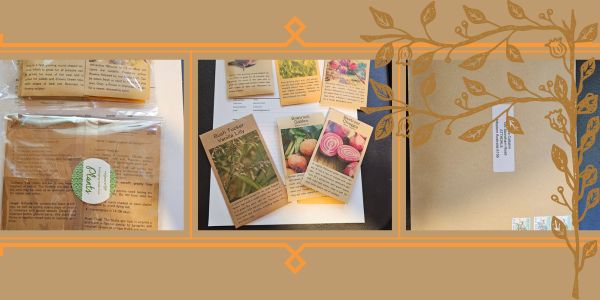
Not only are our seeds packed in recycled paper envelopes, we keep the theme going when we post out website orders. To protect your seeds from moisture and the letter box munchers (snails), we use a very special plastic free material made from plants. They are then put into recycled mailing envelopes. Green all the way ????????
Delivery Guarantee
We take great care to make sure your seeds arrive safely. If your order is lost or damaged in transit, we’ll happily send a replacement. Unfortunately, we can’t replace or refund orders that arrive later than the estimated delivery date, as delays can sometimes occur that are outside our control.
Please note that all dispatch and delivery times listed are estimates only. While we do our best to post promptly, delivery timeframes can vary due to postal service delays, weather events, or other unforeseen circumstances. We’re unable to take responsibility for any loss, damage, or cost that results from a late delivery.
An order is not considered missing until at least 20 business days have passed from the postage date. You’ll receive an email once your seeds have been posted, letting you know they’re on their way. If you don’t see it in your main inbox, please check your Spam or Promotions folders as sometimes our emails like to hide there.

See all our verified customer reviews on our official CusRev profile.
See all our verified customer reviews on our official CusRev profile.
See all our verified customer reviews on our official CusRev profile.