

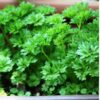
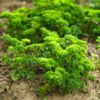


Parsley Triple Curl
$4.95
Petroselinum Sativum
- Seed Count 500
- Cleanses The Breath
- Annual
Out of stock
Email when stock available
Description
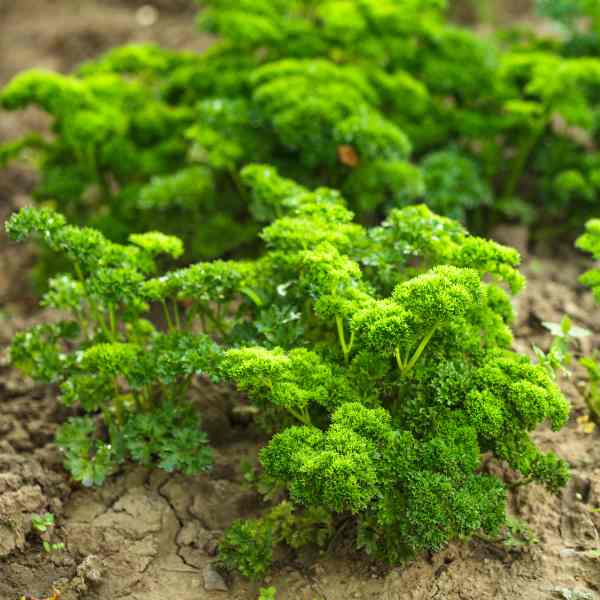
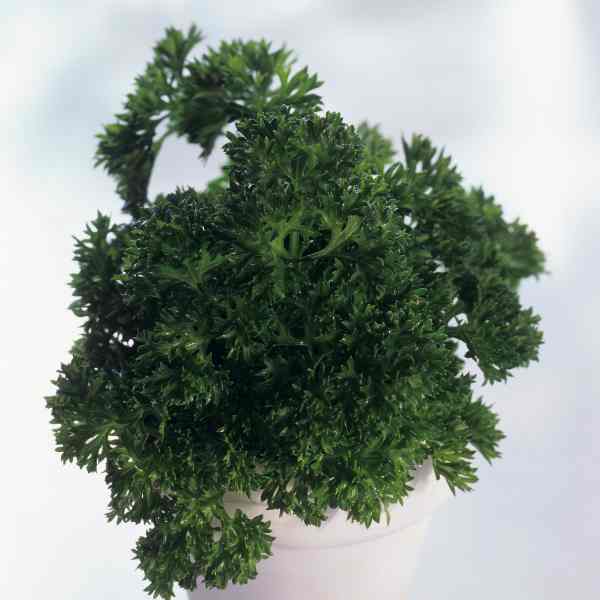
The versatile Parsley Triple Curl is a must-have for any gardener seeking both beauty and functionality in their herb collection. One of the most appealing qualities is its manageable size. Growing to around 30 cms in height, it doesn’t demand a large space to flourish. This makes it an excellent choice for container gardening. Tucked into a pot on the patio, positioned on a balcony, or even perched on a sunny kitchen windowsill, it provides fresh greenery at arm’s reach.
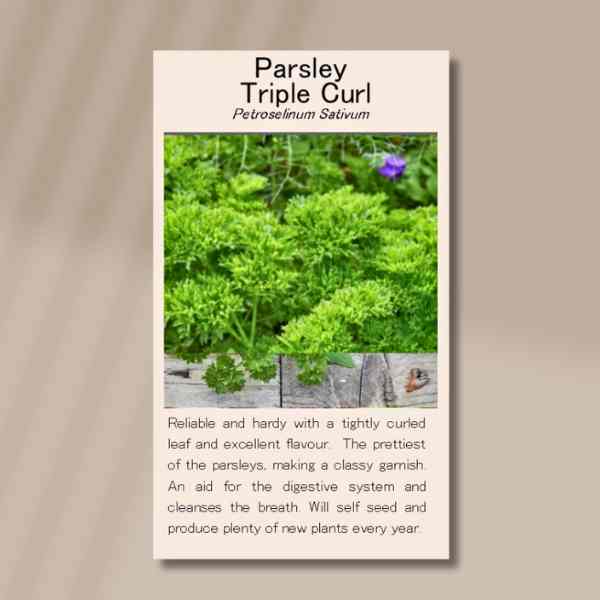
In the kitchen, it is famed for its role as a garnishing herb. Those beautifully curled leaves lend themselves to presentation, transforming even the simplest plate of food into something fresh and appealing. But to think of it as just a garnish would be underselling its value. This herb carries with it a subtle flavour that complements a wide variety of dishes, and it offers real health benefits too. Parsley has a reputation for aiding digestion, and its naturally freshening quality makes it an age-old remedy for the breath. A small handful of leaves chewed straight from the garden does more than most mints can manage.
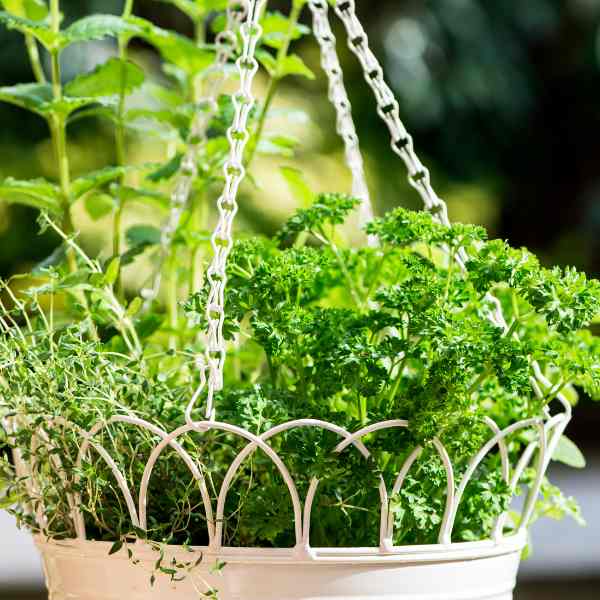
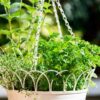
For those who enjoy experimenting with containers, Parsley Triple Curl proves to be versatile in every sense of the word. Beyond the standard pot or bed, it adapts well to hanging baskets, where its mounded shape tumbles attractively over the edges, provided it receives enough water. In window boxes it is equally at home, softening hard lines and adding depth to plantings. During the hottest months of the Australian summer, a bit of shade will help it hold onto its freshness, but even then, it remains a stalwart performer.
One of the reasons gardeners return to Parsley Triple Curl year after year is its ease of maintenance. Once established, it requires little fuss, yet it responds well to care. Regular harvesting or trimming keeps it neat and ensures a constant supply of young, tender leaves. Even better, it is a prolific plant, often self-seeding and providing a fresh crop without the gardener lifting a finger. For those who like a self-sustaining garden, this is a welcome trait. A bed of parsley that reappears each year is both practical and satisfying, reminding you of the rewards of planting well-suited varieties.
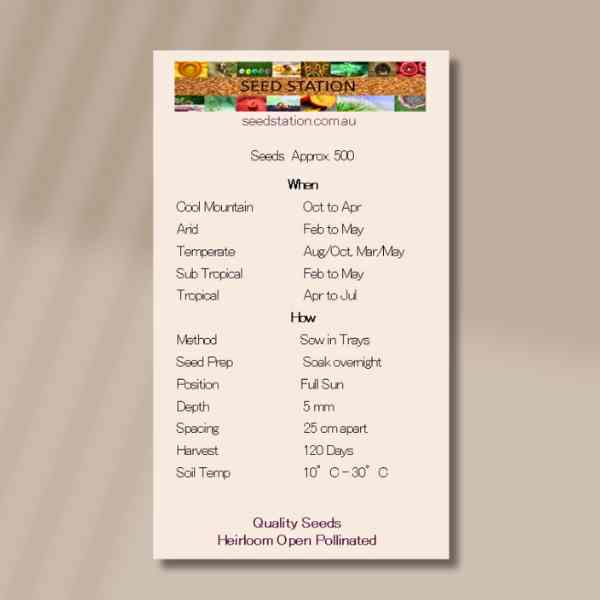
| Method: Start in trays | Soil Temp: 10°C - 30°C |
| Cool Mountain: Oct -Apr | Position: Full sun |
| Arid: Feb - May | Row Spacing: 25 cm apart |
| Temperate: Aug - Oct, Mar - May | Planting Depth: 5mm |
| Sub Tropical: Feb - May | Harvest: 120 Days |
| Tropical: Apr - Jul | Plant Height: 30cm |
🌿 Parsley Grow Guide
Parsley is a useful, attractive herb grown for its fresh green leaves, clean savoury flavour, and value in the kitchen garden. It suits herb beds, vegetable gardens, pots, troughs, raised beds, edible borders, and companion planting areas. The leaves can be curly or flat, depending on the type, and both are excellent for cooking, garnishing, sauces, salads, soups, stocks, marinades, and herb blends.
Parsley is slower to germinate than many herbs, but it is very worthwhile once established. A healthy plant can provide regular leaf harvests for a long period if it is kept watered, lightly fed, and harvested correctly. The key is patience at the seed stage and steady care once the plant begins growing strongly.
🌱 Sowing in Trays Versus Direct Sowing
Parsley can be grown by direct sowing or by starting seed in trays, and both methods can work. However, sowing in trays or deep cells is usually the best method for most gardeners because parsley seed is slow to germinate and the tiny seedlings can be difficult to protect in the garden.
To sow in trays, use a fine seed-raising mix and sow the seed about 5 mm deep. Cover lightly, water gently, and keep the mix evenly moist. Parsley can take longer than many herbs to sprout, so do not discard trays too early. Use deep cells or small pots if possible, because parsley develops a strong root system and does not like being cramped.
Once seedlings are sturdy and have several true leaves, transplant them carefully into their final position. Handle seedlings by the leaves rather than the stem, and avoid disturbing the roots more than necessary.
Direct sowing is also possible in a clean, weed-free bed. Sow thinly into shallow drills, cover lightly, and water with a fine spray. Keep the soil surface moist until germination. The main challenge with direct sowing is that weeds may appear before the parsley does, and the seedlings can be hard to see at first.
For the most reliable results, tray sowing in deep cells is preferred, especially if you want neat spacing and fewer seedling losses.
🌾 Seed Pre-Treatment
Parsley seed does not strictly require pre-treatment, but soaking is recommended because it can help soften the seed and improve germination speed.
Soak the seed in room-temperature water for 12 to 24 hours, then drain and sow promptly. Do not leave the seed soaking for several days, as overly wet seed may rot. After soaking, sow into moist seed-raising mix or prepared soil and keep the surface evenly moist.
Fresh seed gives the best results. Older parsley seed can germinate slowly or unevenly, so it is worth using good-quality seed and allowing extra time.
The most important requirements are patience, steady moisture, shallow sowing, and fresh seed.
🌞 Soil and Position
Parsley grows best in full sun to light partial shade. A bright position encourages strong leaf growth, while light shade can help keep leaves tender in hot or exposed areas.
The soil should be fertile, well-drained, and moisture-retentive. Parsley likes steady moisture, but it does not like sitting in waterlogged ground. Before planting, improve the soil with compost, worm castings, or well-rotted organic matter. This creates a rich but balanced root zone for steady leaf production.
Avoid dry, poor, compacted, or very shallow soil. Parsley produces better leaves when its roots can grow deeply and evenly. In sandy soil, compost helps retain moisture and nutrients. In heavy soil, compost improves structure and drainage.
Parsley also grows very well in containers. Choose a pot with drainage holes and use a quality potting mix. A deeper pot is better than a shallow one because parsley develops a strong root system. Keep pots evenly watered, as container-grown parsley can dry out quickly.
💧 Care and Maintenance
Parsley needs regular moisture to stay leafy and fresh. Water deeply whenever the top layer of soil begins to dry. Avoid repeated wilting, as dry stress can make the leaves tougher and may encourage the plant to flower earlier.
Mulch around established plants to conserve moisture, suppress weeds, and keep the root zone cool. Keep mulch slightly away from the crown to reduce the risk of rot.
Feed lightly during active growth. Compost, worm tea, liquid seaweed, fish emulsion, or a gentle herb fertiliser can support strong leaf production. Avoid heavy feeding with high-nitrogen fertiliser, as overly soft growth can attract pests.
Harvest often to encourage fresh growth. Remove outer stems first and allow the central growing point to continue producing. Do not strip the plant bare, especially when young.
Remove yellowing or damaged leaves regularly. This keeps the plant tidy and improves airflow. If flower stems appear and you want more leaf growth, remove them early. If you want to save seed, allow a few strong plants to flower and mature.
🐝 Companion Planting Guide
Parsley is an excellent companion herb because its flowers attract hoverflies, tiny wasps, bees, and other beneficial insects when allowed to bloom. It also fits easily between vegetables and herbs because it has a neat upright habit.
Good companions include tomatoes, capsicum, eggplant, chilli, carrots, beetroot, lettuce, spinach, silverbeet, cabbage, broccoli, kale, beans, peas, spring onions, chives, basil, coriander, dill, calendula, alyssum, marigold, chamomile, yarrow, nasturtium, and cosmos.
Parsley is especially useful near vegetables that benefit from beneficial insect activity. If allowed to flower, it becomes a valuable insectary plant, attracting helpful insects that support garden balance.
Avoid planting parsley where it will be crowded by large, spreading plants or shaded too heavily. It also does not like very dry soil, so avoid placing it beside dry-loving herbs such as rosemary, thyme, sage, lavender, and oregano unless each plant has its own suitable watering zone.
✂️ How to Harvest
Harvest parsley once the plant is well established and has enough leaves to recover. Cut outer stems close to the base using clean scissors or snips. Taking the whole stem is better than picking individual leaflets, because it encourages clean new growth from the centre.
Harvest the oldest outer stems first and leave the young central leaves to keep growing. Regular picking keeps the plant productive and prevents it from becoming crowded or tired.
For fresh use, pick parsley shortly before cooking or serving. The leaves can be chopped into salads, sauces, soups, dressings, pasta, rice dishes, vegetables, marinades, and herb butters.
Parsley can also be frozen. Chop the leaves and freeze them in small portions, or pack them into ice cube trays with water or oil. It can be dried, but drying reduces much of its fresh flavour, so freezing is usually better for preserving taste.
The stems are also useful. They have strong flavour and can be added to stocks, soups, stews, and sauces.
⚠️ Common Issues and Fixes
| Issue | Likely Cause | Fix |
|---|---|---|
| Poor germination | Old seed, dry mix, not enough patience, seed buried too deeply | Use fresh seed, soak before sowing, sow shallowly, keep evenly moist |
| Patchy seedlings | Uneven moisture or slow natural germination | Keep moisture steady and allow extra time |
| Seedlings collapse | Overwatering, poor airflow, fungal disease | Use clean seed mix, avoid soggy conditions, improve ventilation |
| Leggy seedlings | Not enough light or overcrowding | Move to brighter light and thin or pot on early |
| Slow growth | Poor soil, dry stress, root restriction, low nutrients | Improve soil, water consistently, use deeper pots, feed lightly |
| Yellowing leaves | Waterlogging, nutrient shortage, old leaves | Improve drainage, feed gently, remove tired foliage |
| Brown leaf edges | Dry stress, heat, inconsistent watering, salt build-up in pots | Water evenly, mulch, flush containers occasionally |
| Leaves become tough | Dry soil, old growth, plant stress | Keep moisture steady and harvest younger outer stems |
| Plant flowers early | Stress, dry soil, root restriction, plant maturity | Water consistently, avoid cramped pots, remove flower stems unless saving seed |
| Aphids | Soft new growth attracting sap-sucking insects | Hose off gently, encourage ladybirds and hoverflies |
| Whitefly | Dense growth and poor airflow | Improve spacing, remove badly affected leaves, use sticky traps if needed |
| Caterpillar damage | Chewed leaves or hidden larvae | Inspect regularly and hand-pick pests |
| Slug or snail damage | Tender seedlings exposed | Protect young plants, check at night, use barriers |
| Leaf spots | Damp foliage, poor airflow, fungal or bacterial disease | Water at soil level, space plants well, remove affected leaves |
| Root rot | Heavy wet soil or poor drainage | Improve drainage, reduce watering, repot if needed |
| Weak container growth | Pot too small, dry mix, low nutrients | Use a deeper pot, water consistently, feed lightly |
🌰 Detailed Seed Saving Guide
Saving parsley seed takes patience because parsley must flower and set seed before collection. Choose healthy, vigorous plants with strong leaf growth, good flavour, and no signs of disease. Avoid saving seed from weak plants, plants with poor flavour, or plants that flowered unusually early due to stress.
Allow selected plants to flower. The plant will send up tall flower stems with clusters of small flowers. These flowers are useful for beneficial insects, so they are worth leaving if you have space.
After flowering, the seed heads will begin to dry and turn brown. Watch them closely, as mature seed can drop if left too long. Seed is ready when it is dry, firm, and rubs away from the flower head easily.
Cut the drying seed heads and place them upside down in a paper bag. Label the bag immediately. Keep it in a dry, shaded, airy place for one to two weeks so the seed heads finish drying.
Once fully dry, rub the seed heads gently between your fingers over a clean tray or sheet of paper. Separate the seed from the dry flower material as best you can. A fine sieve can help remove larger pieces of chaff.
Spread the cleaned seed on paper for several more days to make sure it is completely dry before storage. Store it in a labelled paper envelope or small airtight jar. Include the plant name, leaf type if useful, and collection date. Keep seed in a cool, dark, dry place.
For stronger future plants, save seed from several healthy plants rather than only one. Parsley seed is best used while fresh, as germination can become less reliable with age.
🌿 Final Thoughts
Parsley is a dependable, flavourful, and valuable herb once it gets past its slow seed stage. It is best started in trays or deep cells because the seed can take time to germinate and seedlings are easier to protect under controlled conditions. Pre-soaking is not essential, but it is recommended to help improve germination.
Give parsley fertile free-draining soil, steady moisture, good light, and regular harvesting from the outside of the plant. Let a few strong plants flower if you want seed or beneficial insect activity. With patience and consistent care, parsley will provide fresh leaves, useful stems, pollinator value, and seed for future growing.
2 reviews for Parsley Triple Curl
Postage Charge
Orders under $40 attract a $5.50 shipping charge. Orders $35 and above have free shipping.
*** We cannot deliver to Parcel Lockers ***
Order Times
Seed orders are normally dispatched within three business days. You will receive an email when seeds are mailed out.
Postage Days
Seeds are mailed out Tuesday to Friday at 1pm. Except for the Friday of long weekends.
Postage Times
WA 2-3 Days: SA,NT 3-5 Days: NSW, ACT, QLD, VIC: 5-7 Days
Carrier
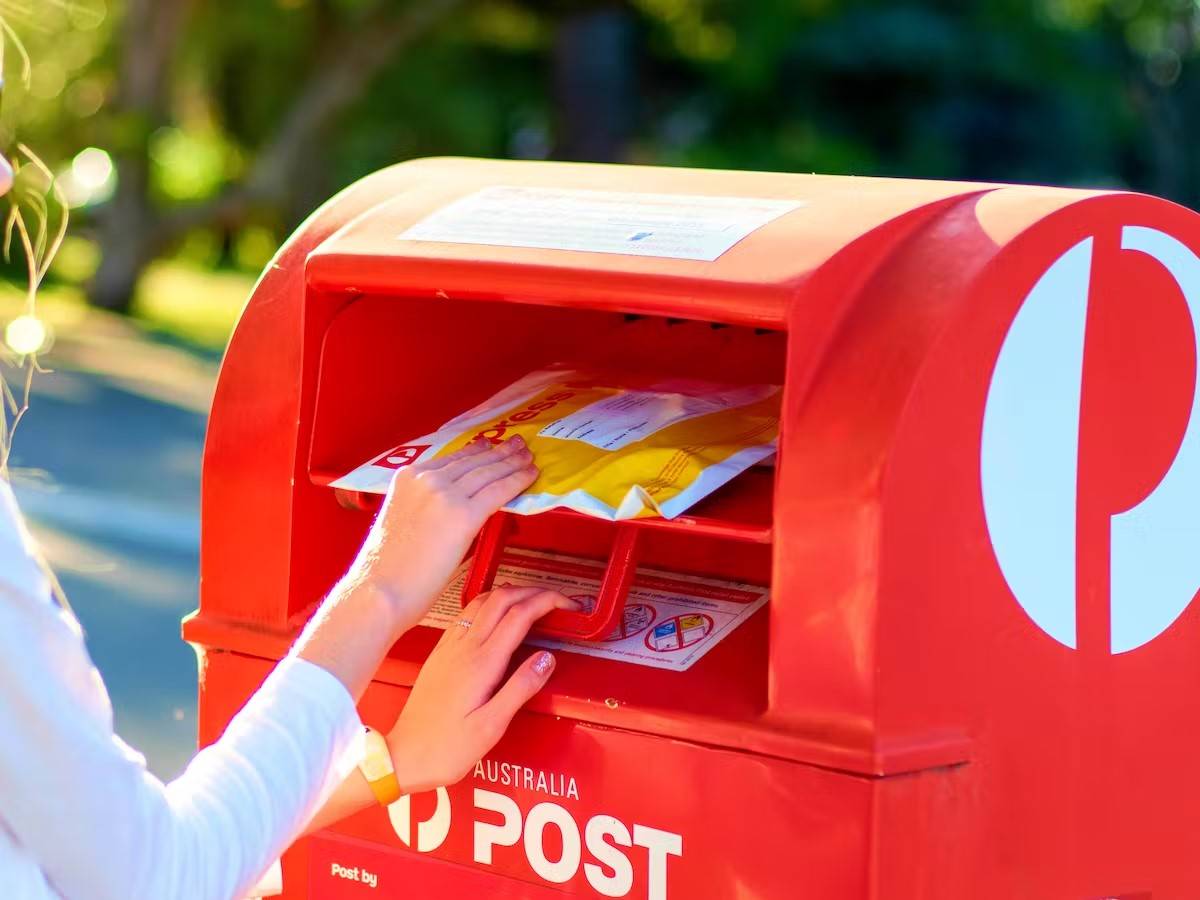
We use Australia Post Letter Postage for the majority of orders.
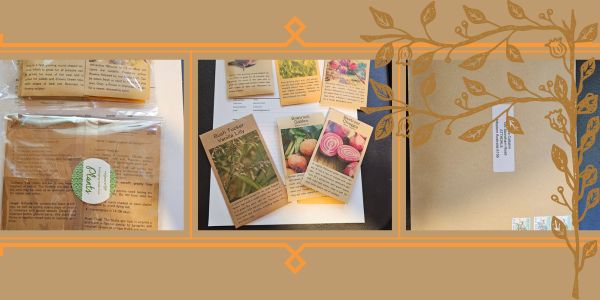
Not only are our seeds packed in recycled paper envelopes, we keep the theme going when we post out website orders. To protect your seeds from moisture and the letter box munchers (snails), we use a very special plastic free material made from plants. They are then put into recycled mailing envelopes. Green all the way ????????
Delivery Guarantee
We take great care to make sure your seeds arrive safely. If your order is lost or damaged in transit, we’ll happily send a replacement. Unfortunately, we can’t replace or refund orders that arrive later than the estimated delivery date, as delays can sometimes occur that are outside our control.
Please note that all dispatch and delivery times listed are estimates only. While we do our best to post promptly, delivery timeframes can vary due to postal service delays, weather events, or other unforeseen circumstances. We’re unable to take responsibility for any loss, damage, or cost that results from a late delivery.
An order is not considered missing until at least 20 business days have passed from the postage date. You’ll receive an email once your seeds have been posted, letting you know they’re on their way. If you don’t see it in your main inbox, please check your Spam or Promotions folders as sometimes our emails like to hide there.
See all our verified customer reviews on our official CusRev profile.
See all our verified customer reviews on our official CusRev profile.