

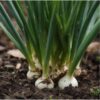

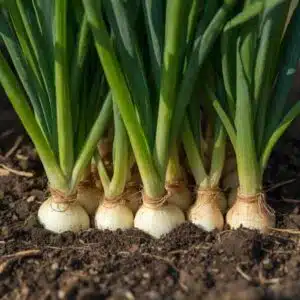
Onion Barletta White Pickling
$4.95
Allium Cepa
- Seed count 75
- Multi purpose Variety
- Hardy Biennial
Only 4 left in stock
Description
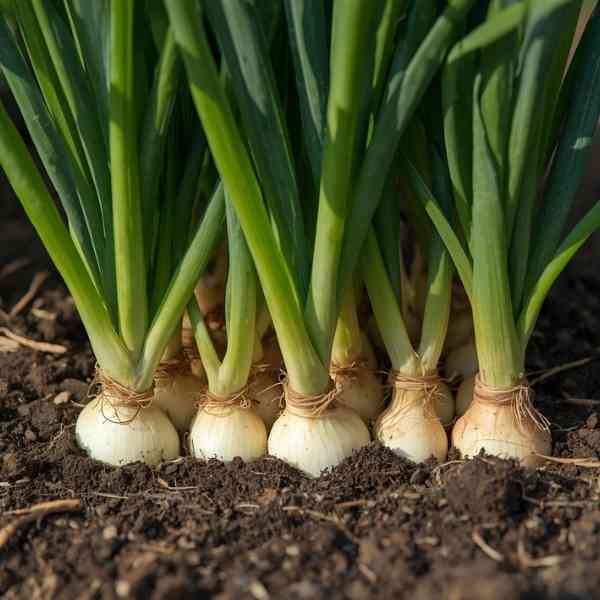
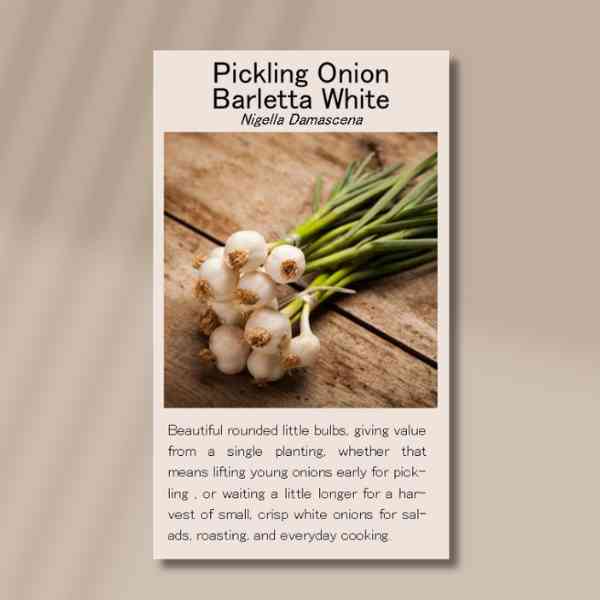
The Onion Barletta White Pickling, with its Italian background and its neat, beautifully rounded little bulbs, suits gardeners who enjoy getting plenty of value from a single planting, whether that means lifting young onions early for pickling jars, or waiting a little longer for a harvest of small, crisp white onions for salads, roasting, and everyday cooking.
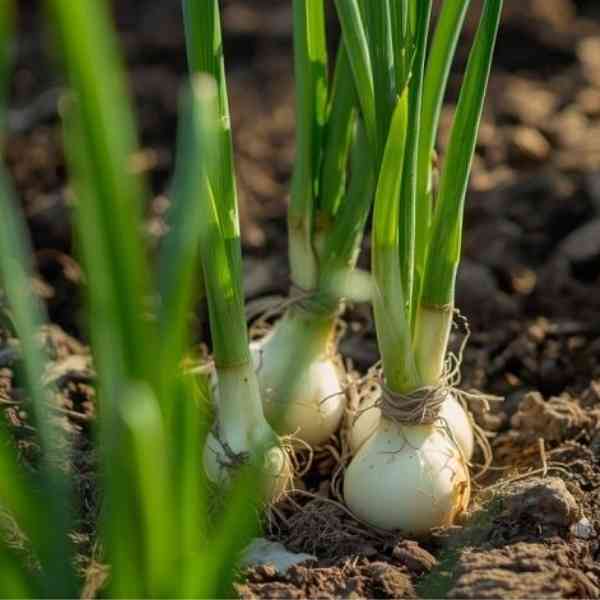
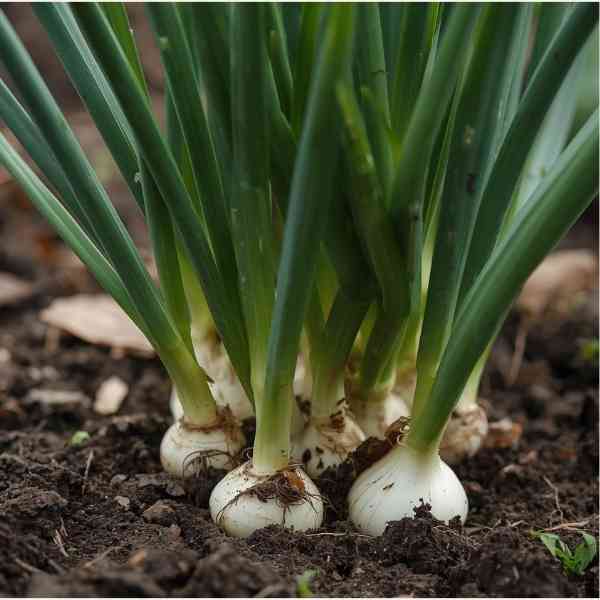
What makes Barletta especially appealing is its size and shape. The bulbs are naturally small, usually finishing at around 2 to 3 cm across, with a smooth, bright white finish and a pleasingly even, round form.
In the kitchen, Barletta has a lot to offer. Pickled whole, these little onions are a classic. Their small size means they can be lifted young and used just as they are, slipping neatly into jars and taking up flavour beautifully. Once pickled, they keep their shape well and bring a lovely balance of mild onion bite and bright tang. Left to mature a little longer, Barletta becomes just as useful in fresh cooking. The flavour is generally mild and clean, with that lovely crisp white onion character that works well raw or cooked.
As a short day onion, Barletta is also especially appealing for Australian gardeners in the right regions and seasons. It suits conditions where short day onions perform well, making it a practical option for many home growers looking for a reliable white onion with a bit of old-world character. For gardeners in warmer parts of Australia, that can make all the difference when choosing onion varieties that will bulb properly and produce a worthwhile harvest.
| Method: Sow direct | Soil Temp: 10°C - 20°C |
| Cool Mountain: Sep - Apr | Position: Full sun |
| Arid: Aug - Nov | Row Spacing: 5 cm apart |
| Temperate: Jul - May | Planting Depth: 3 mm |
| Sub Tropical: Feb - Apr / Jul - Aug | Harvest: 50 days |
| Tropical: Apr - Jul | Plant Height: 50 cm |
🧅 Onion Grow Guide
Onion is a useful, space-efficient kitchen crop grown for its bulbs, stems, and green tops. It rewards patience, because it starts slowly from seed and needs steady care before it begins to swell into bulbs. Good onions come from fresh seed, fine soil, full sun, even moisture, careful weeding, and correct spacing. They dislike competition, heavy wet soil, and being rushed.
Onion seed is small and does not stay strong for as long as many other vegetable seeds, so old packets often germinate poorly. For the best results, use fresh seed and give young seedlings a protected start.
🌱 Sowing in Trays Versus Direct Sowing
Onions can be grown by direct sowing or by starting seed in trays, but tray sowing is usually the best method for home gardeners. Onion seedlings are thin, slow, and easily crowded by weeds. Raising them in trays gives better control over moisture, pests, and spacing, and it allows you to plant out only the strongest seedlings.
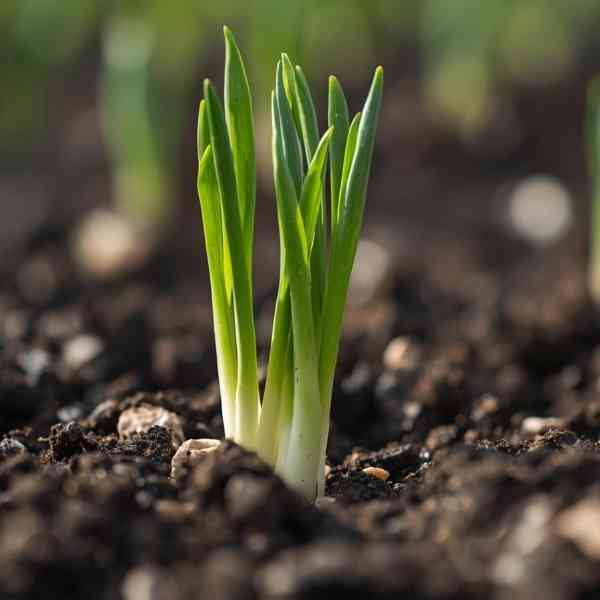
Sow seed into a fine seed-raising mix and cover very lightly. Keep the mix evenly moist but not waterlogged. Place the tray in bright light with good airflow. Once seedlings are tall enough to handle and have formed a small root system, they can be transplanted into prepared soil.
When transplanting, handle seedlings gently and avoid burying them too deeply. Plant them so the base sits just into the soil, with the green tops above the surface. Firm the soil lightly around the roots and water in well.
Direct sowing can work in a very fine, weed-free bed. Sow shallowly, keep the surface damp, and thin seedlings early. The main problem with direct sowing is that onion seedlings are slow and delicate, so weeds can overtake them quickly. Direct sowing is best only where the bed can be kept clean, moist, and undisturbed.
For most gardens, trays are the more reliable choice, especially if you want even rows, stronger seedlings, and better use of space.
💧 Seed Pre-Treatment
Onion seed does not need special pre-treatment. There is no need for chilling, scarifying, heat treatment, or soaking.
The most important thing is to use fresh seed. Onion seed loses strength faster than many common vegetables, so older seed may germinate unevenly or fail completely.
A short soak in clean water for a few hours can help hydrate older seed, but it is optional. If soaked, sow the seed straight away and do not let it dry out again. In most cases, fresh seed sown into moist seed-raising mix is the best approach.
🌏 Soil and Position
Onions grow best in loose, fertile, well-drained soil. The soil should be fine enough for small roots to spread easily and firm enough to support the developing bulbs. Heavy clay, compacted soil, or wet soil can lead to poor growth and rotting.
Before planting, improve the bed with compost or well-rotted organic matter. Avoid using fresh manure directly before planting, as it can encourage soft leafy growth and may increase disease problems. If the soil is acidic, onions may struggle, so a near-neutral soil is preferred.
The best position is full sun. Onions need strong light to grow sturdy leaves, and healthy leaves are what feed the bulb. Too much shade usually results in small bulbs, weak tops, and slow growth.
Onions also grow well in raised beds and containers. For pots, choose a wide container with good drainage. Depth is helpful, but width matters more if you want to grow several onions together. Use a quality potting mix and avoid letting the container dry out completely.
🪴 Care and Maintenance
Onions need steady care because they are poor competitors. Keep the bed weed-free, especially while seedlings are young. Pull weeds gently by hand so you do not disturb the shallow onion roots.
Water consistently so the soil stays lightly moist. Dry spells can slow growth and reduce bulb size, while waterlogged soil can cause rot. Once bulbs are close to maturity, reduce heavy watering so the outer skins can firm properly.
Feed onions with compost, worm castings, seaweed solution, or a balanced vegetable fertiliser. They need enough nutrients to build strong leaves early, but too much nitrogen late in growth can delay bulb ripening and produce soft bulbs that do not store well.
Do not mound soil over the bulbs. As onions swell, the tops of the bulbs may naturally sit partly above the soil. This is normal. Covering the bulbs too heavily can increase the risk of rot and poor skin formation.
If any plants send up flower stems too early, use those bulbs first. Once an onion flowers, the bulb usually becomes firmer in the centre and does not store as well.
🌼 Companion Planting Guide
Onions are excellent companions in mixed vegetable beds because their upright growth takes up little space. They are especially useful near crops that enjoy open airflow and do not heavily shade the ground.
Good companions include carrot, beetroot, lettuce, cabbage, broccoli, cauliflower, silverbeet, tomato, capsicum, strawberry, parsley, chamomile, dill, calendula, and marigold. Carrots and onions are often paired because they use space differently and can fit neatly into the same bed. Lettuce can grow nearby while onions are still small, provided it does not crowd them.
Flowers such as calendula, marigold, and alyssum help attract beneficial insects. Herbs such as dill and parsley can also support insect diversity when allowed to flower.
Avoid planting onions too close to peas, beans, and asparagus. These crops are generally not ideal companions for onions. Also avoid placing onions beside large spreading plants that shade them heavily, such as pumpkins, melons, or vigorous cucumbers.
🍽️ How to Harvest
Onions can be harvested at different stages. Young plants can be pulled early and used like spring onions. For full bulbs, wait until the bulbs are well formed and the tops begin to soften, bend, and dry naturally.
To harvest, loosen the soil gently with a fork and lift the bulbs rather than pulling hard. Pulling from firm soil can snap the tops or bruise the bulb.
After lifting, allow the bulbs to cure in a dry, airy, shaded place. Spread them in a single layer with good airflow. The outer skins should become papery and the necks should dry down before storage. Do not store onions that are bruised, soft, thick-necked, or damaged. Use those first.
Once cured, trim the roots and tops, or braid the tops if they are still flexible. Store bulbs in a cool, dry, airy place. Mesh bags, baskets, racks, or hanging bunches work well. Avoid sealed plastic bags, as trapped moisture encourages rot.
⚠️ Common Issues and Fixes
| Issue | Likely Cause | Fix |
|---|---|---|
| Poor germination | Old seed, dry seed mix, or seed buried too deeply | Use fresh seed, sow shallowly, and keep evenly moist |
| Thin, weak seedlings | Not enough light, overcrowding, or poor nutrition | Provide bright light, thin seedlings, and use a gentle liquid feed |
| Seedlings falling over | Overwatering, poor airflow, or fungal disease | Improve airflow, avoid soggy mix, and water carefully |
| Small bulbs | Overcrowding, poor soil, too much shade, or weed competition | Space plants correctly, improve soil, grow in full sun, and weed often |
| Lots of leaves but poor bulbs | Too much nitrogen or unsuitable variety | Reduce high-nitrogen feeding and choose a region-suited variety |
| Bulbs rotting | Waterlogged soil, poor airflow, or bulbs buried too deeply | Improve drainage, space plants well, and avoid covering bulbs heavily |
| Flower stems forming early | Stress, temperature swings, or plants held too long before transplanting | Keep growth steady and use flowering bulbs first |
| Yellowing leaves | Natural ageing, nutrient shortage, water stress, or disease | Check soil moisture, feed gently, and remove badly affected plants |
| White patches or streaks on leaves | Thrips or sap-sucking pest damage | Hose leaves, improve plant health, use fine netting, and encourage beneficial insects |
| Leaf tips browning | Dry stress, salt build-up, wind, or nutrient imbalance | Water deeply, mulch lightly, and avoid overfeeding |
| Bulbs not storing well | Poor curing, thick necks, damage, or excess late nitrogen | Cure fully, handle gently, and use soft or damaged bulbs first |
🌾 Seed Saving Guide
Onion seed saving takes patience because onions must complete their full life cycle before seed is produced. Choose the healthiest, strongest plants with good bulb shape, firm skins, strong growth, and good storage quality. Do not save seed from weak, diseased, soft, split, or early-flowering plants.
For seed saving, selected bulbs are usually lifted, cured, stored, then replanted so they can flower. Only the best bulbs should be kept for this purpose. This selection step is important because it helps maintain quality in future crops.
When replanted, the bulbs send up tall flower stalks topped with round flower heads. These flowers attract insects and need good airflow. Stake the stems if they become tall or bend in wind.
Allow the flower heads to mature on the plant until the seed capsules begin to dry and dark seeds become visible. Watch closely, because ripe onion seed can drop if left too long. Cut the drying flower heads and place them in a paper bag or on a tray in a dry, airy place to finish drying.
Once fully dry, rub the flower heads gently to release the black seeds. Separate the seed from dry flower pieces and chaff. Make sure the seed is completely dry before storage.
Store onion seed in a labelled envelope or jar in a cool, dry, dark place. Label it with the variety description and collection year. Because onion seed loses strength quickly, aim to use saved seed while it is still fresh.
Different onion varieties can cross if flowering close together. For more reliable seed, save seed from one onion type at a time, or keep flowering varieties well separated. Select from several strong plants rather than just one, as this helps maintain vigour.
🌿 Final Thoughts
Onions are not difficult, but they do ask for patience and attention to detail. The most important steps are using fresh seed, starting seedlings carefully, planting into fine fertile soil, keeping weeds down, watering evenly, and curing bulbs properly after harvest.
Tray sowing is usually the best method because onion seedlings are slow, fine, and easily overwhelmed in the garden. Direct sowing can work in clean, well-prepared beds, but trays give more reliable results for most growers.
With full sun, steady moisture, careful spacing, and good curing, onions become one of the most valuable crops in the kitchen garden.

Postage Charge
Orders under $40 attract a $5.50 shipping charge. Orders $35 and above have free shipping.
*** We cannot deliver to Parcel Lockers ***
Order Times
Seed orders are normally dispatched within three business days. You will receive an email when seeds are mailed out.
Postage Days
Seeds are mailed out Tuesday to Friday at 1pm. Except for the Friday of long weekends.
Postage Times
WA 2-3 Days: SA,NT 3-5 Days: NSW, ACT, QLD, VIC: 5-7 Days
Carrier
We use Australia Post Letter Postage for the majority of orders.
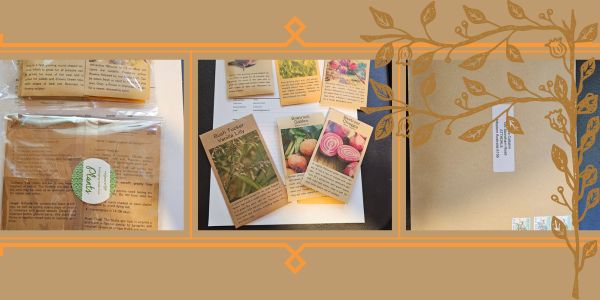
Not only are our seeds packed in recycled paper envelopes, we keep the theme going when we post out website orders. To protect your seeds from moisture and the letter box munchers (snails), we use a very special plastic free material made from plants. They are then put into recycled mailing envelopes. Green all the way ????????
Delivery Guarantee
We take great care to make sure your seeds arrive safely. If your order is lost or damaged in transit, we’ll happily send a replacement. Unfortunately, we can’t replace or refund orders that arrive later than the estimated delivery date, as delays can sometimes occur that are outside our control.
Please note that all dispatch and delivery times listed are estimates only. While we do our best to post promptly, delivery timeframes can vary due to postal service delays, weather events, or other unforeseen circumstances. We’re unable to take responsibility for any loss, damage, or cost that results from a late delivery.
An order is not considered missing until at least 20 business days have passed from the postage date. You’ll receive an email once your seeds have been posted, letting you know they’re on their way. If you don’t see it in your main inbox, please check your Spam or Promotions folders as sometimes our emails like to hide there.
Reviews
There are no reviews yet