








Nasturtium Trailing Mix
$4.95
Tropaeolum Majus
- Seed Count 15
- Edible Ornamental
- Annual
- Height 2 m
Out of stock
Email when stock available
Description
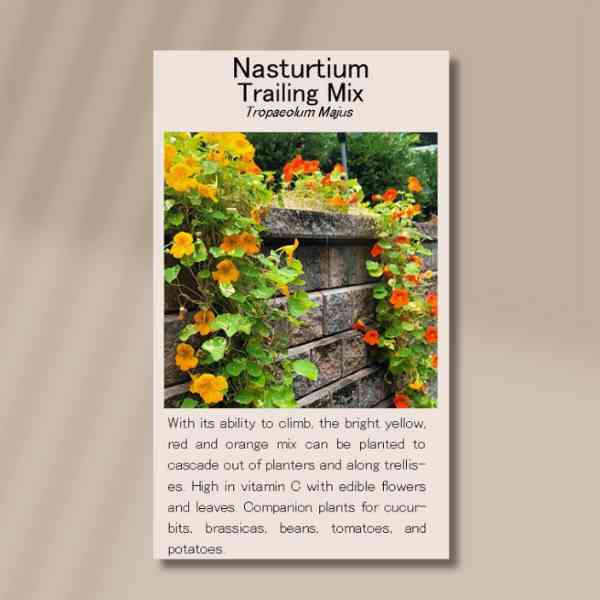
There are some plants that just seem to have it all: colour, usefulness, charm, and a knack for thriving without fuss. Nasturtium Trailing Mix is one of those rare garden treasures that asks for very little and gives back in abundance. With a climbing and cascading habit, it tumbles beautifully from pots and hanging baskets, trails over garden walls, and will happily scramble up a trellis or weave its way through other plants in a bed. The effect is both abundant and natural, like a cheerful waterfall of colour. The flowers come in a lively blend of bright yellow, rich red, and glowing orange, all bold, sun-kissed shades that catch the eye and lift the spirit.
But nasturtiums are not just about looks. They are one of those clever plants that quietly do a whole lot of work behind the scenes. A well-known companion plant, nasturtiums earn their place in the garden by helping to keep pests at bay. They are particularly good partners for cucurbits like zucchini, pumpkins, and cucumbers, as well as brassicas, beans, tomatoes, and potatoes.
Their peppery-scented leaves and blooms can deter pests such as aphids, whitefly, and even cabbage moth, making them an old-fashioned but effective form of natural pest management. In a mixed vegetable patch, nasturtiums are like the helpful neighbour who is always on hand to lend a hand. At the same time, nasturtiums are wonderful for attracting pollinators. Their nectar-rich blooms are loved by bees, hoverflies, and other beneficial insects.
And then, of course, there’s the edible side to nasturtiums. Few flowers are as generous in this way. Both the leaves and flowers can be eaten, bringing a peppery, mustard-like taste to the table. The flavour is distinctive: fresh, lively, and just a little bit fiery, which makes it excellent for livening up a salad or garnishing a dish. The flowers add a splash of colour on the plate as well as in the garden, while the leaves work much like rocket or mustard greens. High in vitamin C, they bring a nutritional boost too. Gardeners who grow nasturtiums often say the pleasure of picking a handful of blooms for dinner guests never gets old. It’s one of those small but memorable ways to connect the garden and the kitchen.
If you ever find yourself with an abundance of nasturtium leaves – and chances are you will, given their vigorous growth – they can be used in creative ways beyond salads. A favourite trick is to make nasturtium pesto. Simply swap out the traditional basil for a good handful of fresh nasturtium leaves and you’ll end up with a bright, peppery version of this Italian classic. The result is excellent stirred through pasta, spread on crusty bread, or spooned over roasted vegetables. The flowers themselves can also be stuffed with soft cheese or used to top open sandwiches. It’s hard to think of another plant that can play such a versatile role in the kitchen, all while demanding so little in return.
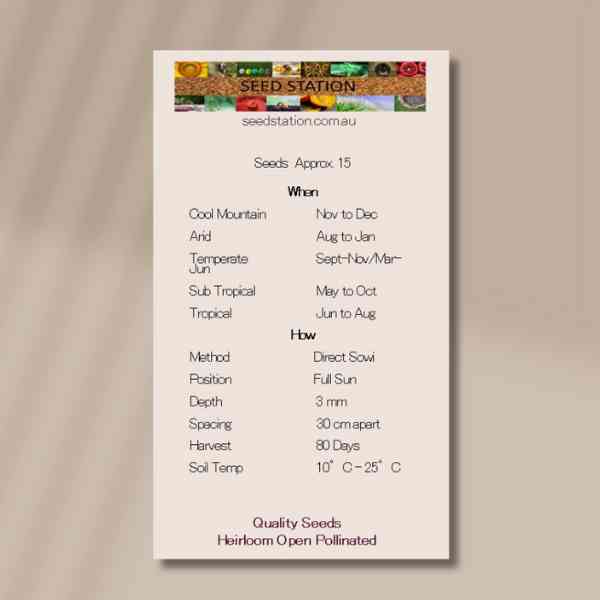
| Method: Sow direct or seedlings | Soil Temp: 10°C - 25°C |
| Cool Mountain: Nov - Dec | Position: Part sun |
| Arid: Aug - Jan | Row Spacing: 30 cm |
| Temperate: Sep-Nov, Mar-Jun | Planting Depth: 3 mm |
| Sub Tropical: May - Oct | Harvest: 80 Days |
| Tropical: Jun - Aug | Plant Height: Trailing 2 m |
🌺 Nasturtium Grow Guide
🌱 Overview
Nasturtium is a cheerful, fast-growing edible flower and leafy herb grown for its bright blooms, round lily-pad leaves, trailing or mounding habit, and peppery flavour. Flowers are commonly orange, yellow, red, cream, peach, burgundy, or mixed shades, making nasturtium useful in vegetable gardens, cottage beds, hanging baskets, large pots, edible borders, and pollinator patches.
The leaves, flowers, buds, young seed pods, and tender stems are edible when grown without sprays. The flavour is fresh, peppery, and slightly mustard-like, making it useful in salads, sandwiches, herb butters, vinegars, pestos, garnishes, and pickles. The flowers also attract bees and other beneficial insects, while the foliage is often used as a trap crop for aphids and caterpillars.
Nasturtium is easy to grow from seed and often performs best when not overfed. Rich soil can produce lush leaves with fewer flowers, while leaner, well-drained soil usually encourages better blooming.
🌾 Sowing in Trays Versus Direct Sowing
Nasturtium can be grown in trays or sown directly, but direct sowing is usually the best method. The seed is large, easy to handle, and the plant develops quickly. Direct sowing avoids root disturbance, which nasturtium can dislike once seedlings are growing strongly.
To direct sow, prepare a loose, weed-free garden bed or pot. Sow seed about 1.5 to 2 cm deep, cover with soil, and water gently. Keep the soil lightly moist until seedlings emerge. Once plants are growing, thin them so they have room to trail, mound, or climb depending on the variety.
Tray sowing can still work if seedlings need protection from slugs, snails, birds, ants, heavy rain, or very hot conditions. Use individual cells or small pots rather than a shared punnet. Sow one seed per cell and transplant while young, before roots become crowded. Handle gently and avoid teasing the roots apart.
Best method: direct sowing is recommended because nasturtium has large seed, germinates readily, and establishes best with minimal root disturbance.
💧 Seed Pretreatment
Nasturtium seed does not require pretreatment, but soaking can help speed germination. The seed coat is fairly firm, so soaking seeds in room-temperature water for 8 to 12 hours before sowing is optional.
Do not soak for too long, as waterlogged seed may rot. After soaking, sow promptly into moist soil. Scarification is not usually necessary, but older seed can be gently rubbed with fine sandpaper before soaking if germination has been poor in the past.
🪴 Soil and Position
Nasturtium grows best in well-drained soil with low to moderate fertility. It does not need rich soil. In very fertile beds, especially where nitrogen is high, plants may produce large, lush leaves but fewer flowers.
Choose a position in full sun to part shade. Full sun gives the strongest flowering, while part shade can be helpful in very hot or exposed spots. In too much shade, plants may become leafy and produce fewer blooms.
For pots, baskets, and troughs, use a quality potting mix with good drainage. Trailing varieties look excellent spilling over edges, while compact types suit smaller containers and border fronts. Avoid waterlogged saucers, as nasturtium dislikes soggy roots.
🌿 Care and Maintenance
Nasturtium is low maintenance once established. Water seedlings regularly until they are growing well, then water deeply when the soil begins to dry. Mature plants tolerate short dry spells, but steady moisture keeps leaves tender and flowering more consistent.
Mulch lightly around plants in garden beds to reduce weeds and protect soil moisture. Keep mulch loose around stems so the crown does not stay wet.
Avoid heavy feeding. If plants are growing strongly but not flowering, stop fertilising and reduce nitrogen-rich inputs. A small amount of compost before sowing is usually enough.
Trailing types can be allowed to sprawl, cascade from pots, or climb through loose supports. They can be guided over fences, trellises, teepees, or garden edges. Compact types can be lightly trimmed to keep them tidy.
Deadheading encourages more flowers, but leave some blooms to form seed pods if you want to make pickles or save seed. Remove yellowing leaves and heavily pest-damaged growth to keep plants fresh and improve airflow.
🌼 Companion Planting Guide
Nasturtium is one of the most useful companion plants in edible gardens. It attracts bees and beneficial insects, adds edible flowers, and can act as a sacrificial plant for aphids, caterpillars, and other pests that may otherwise target vegetables.
Good companions include tomatoes, cucumbers, zucchini, pumpkin, beans, peas, corn, capsicum, eggplant, radish, lettuce, kale, cabbage, broccoli, cauliflower, apple trees, citrus, strawberries, basil, parsley, dill, coriander, calendula, alyssum, and marigold.
Nasturtium is especially useful near brassicas because it can draw cabbage white butterfly attention and support beneficial insects. It also works well around cucurbits such as cucumber, zucchini, pumpkin, and melon because the flowers help attract pollinators.
Avoid letting vigorous trailing nasturtiums smother small seedlings. Keep them trimmed or place them at bed edges where they can spill outward. Also avoid planting them in very rich, heavily fertilised beds if your goal is strong flowering.
✂️ How to Harvest
Harvest nasturtium leaves and flowers regularly once plants are established. Pick young leaves for the mildest texture and flavour. Larger leaves are stronger and can be sliced into salads, wraps, stir-fries, omelettes, or pesto.
Flowers are best picked when freshly opened and bright. Harvest in the morning after dew has dried. Use them whole as a garnish or separate petals for salads, cakes, platters, herb butters, and savoury dishes.
Young green seed pods can be harvested while still tender and pickled as a caper substitute. Pick them before they become hard and mature. Rinse well before use.
Only eat nasturtium grown in clean soil without chemical sprays. Avoid harvesting from roadside areas, treated lawns, or places exposed to contamination.
⚠️ Common Issues and Fixes
| Issue | Likely Cause | Fix |
|---|---|---|
| Poor germination | Old seed, dry soil, seed too shallow, or seed rotting in wet soil | Use fresh seed, sow 1.5 to 2 cm deep, and keep soil lightly moist |
| Seedlings disappear | Slugs, snails, birds, ants, or cutworms | Protect seedlings with collars, barriers, netting, or start in pots |
| Lots of leaves but few flowers | Soil too rich or too much nitrogen | Stop feeding, avoid rich compost, and grow in leaner soil |
| Leggy growth | Too much shade or overcrowding | Move to brighter light and give plants more space |
| Yellow leaves | Water stress, poor drainage, old leaves, or nutrient imbalance | Water evenly, improve drainage, and remove old leaves |
| Aphids | Nasturtium acting as a trap crop or stressed soft growth | Hose off, prune infested tips, encourage ladybirds and hoverflies |
| Caterpillar holes | Cabbage white butterfly or other chewing larvae | Inspect leaves, remove caterpillars, and use fine netting if needed |
| Powdery mildew | Crowding, poor airflow, dry roots, or humid conditions | Thin growth, water deeply at soil level, and remove affected leaves |
| Leaves scorched | Heat stress or harsh afternoon sun | Provide light afternoon shade and water deeply |
| Plants collapse suddenly | Waterlogging, stem rot, or severe heat stress | Improve drainage, avoid overwatering, and remove rotting growth |
| Flowers dropping quickly | Heat, drought, or irregular watering | Keep moisture steady and mulch lightly |
| Plants spreading too far | Vigorous trailing habit | Trim regularly and grow at bed edges or in containers |
🌰 Detailed Seed Saving Guide
Saving nasturtium seed is simple because the seeds are large and easy to collect. Choose healthy plants with good flower colour, strong growth, useful habit, and good pest tolerance. Avoid saving seed from weak, diseased, or poorly flowering plants.
Allow some flowers to fade and form green seed pods. These pods usually develop in clusters of three. Leave them on the plant until they become plump and begin to loosen. Mature seed often drops to the ground, so check plants regularly.
Collect seed pods once they are full-sized and pale green to tan. You can also gather freshly fallen seeds from clean soil beneath the plant. Avoid seeds that are mouldy, soft, shrivelled, or insect damaged.
Spread collected seeds in a single layer on a plate, tray, or mesh screen in a shaded, airy place. Let them dry for one to two weeks, turning occasionally. The seeds should become hard and dry before storage.
Once fully dry, brush off any remaining debris. Store seed in a labelled paper envelope inside an airtight jar. Keep it in a cool, dark, dry place. Add a silica gel sachet if humidity is an issue.
Label the packet with the plant name, flower colour, growth habit, collection date, and any useful notes such as “trailing orange”, “compact mixed colours”, or “best flowering plant”. If several colours grow together, saved seed may produce a mix of shades, which is often part of the charm.
🌺 Final Thoughts
Nasturtium is one of the easiest and most useful edible flowers to grow from seed. It offers colourful blooms, peppery leaves, edible seed pods, pollinator support, companion planting benefits, and cheerful groundcover with very little effort.
For the best results, direct sow into well-drained soil, avoid overfeeding, give full sun to part shade, water steadily while young, harvest often, and let a few pods mature for seed saving. Managed well, nasturtium becomes both a beautiful garden plant and a productive edible crop.
2 reviews for Nasturtium Trailing Mix
| 5 star | 100% | |
| 4 star | 0% | |
| 3 star | 0% | |
| 2 star | 0% | |
| 1 star | 0% |

Postage Charge
Orders under $35 attract a $4.95 shipping charge. Orders $35 and above have free shipping.
Order Times
Seed orders are normally dispatched within three business days. You will receive an email when seeds are mailed out.
Postage Days
Seeds are mailed out Tuesday to Friday at 1pm. Except for the Friday of long weekends.
Postage Times
WA 2-3 Days: SA,NT 3-5 Days: NSW, ACT, QLD, VIC: 5-7 Days
Carrier
We use Australia Post Letter Postage for the majority of orders
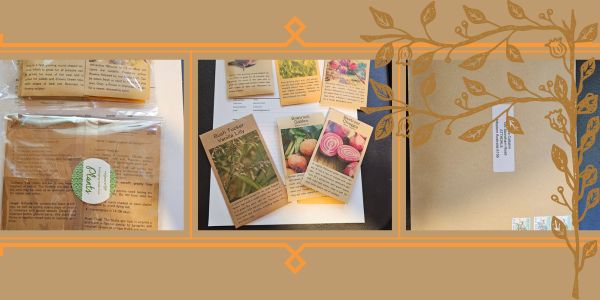
Not only are our seeds packed in recycled paper envelopes, we keep the theme going when we post out website orders. To protect your seeds from moisture and the letter box munchers (snails), we use a very special plastic free material made from plants. They are then put into recycled mailing envelopes. Green all the way ????????
Delivery Guarantee
We take great care to make sure your seeds arrive safely. If your order is lost or damaged in transit, we’ll happily send a replacement. Unfortunately, we can’t replace or refund orders that arrive later than the estimated delivery date, as delays can sometimes occur that are outside our control.
Please note that all dispatch and delivery times listed are estimates only. While we do our best to post promptly, delivery timeframes can vary due to postal service delays, weather events, or other unforeseen circumstances. We’re unable to take responsibility for any loss, damage, or cost that results from a late delivery.
An order is not considered missing until at least 20 business days have passed from the postage date. You’ll receive an email once your seeds have been posted, letting you know they’re on their way. If you don’t see it in your main inbox, please check your Spam or Promotions folders as sometimes our emails like to hide there.
See all our verified customer reviews on our official CusRev profile.
I planted these weeks ago in the garden and they are growing beautifully.
See all our verified customer reviews on our official CusRev profile.