




Mizuna Green Streak
$4.95
Brassica Juncea Var Japonica
- Seed count 500
- Mild spicy flavour
- Annual
Only 2 left in stock
Description
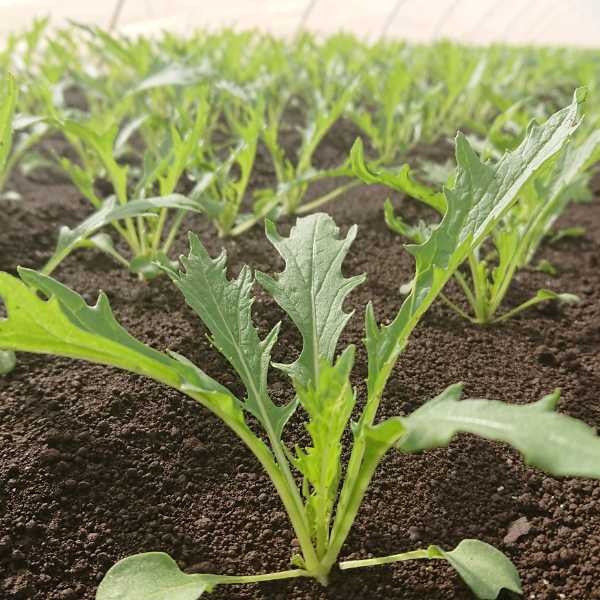
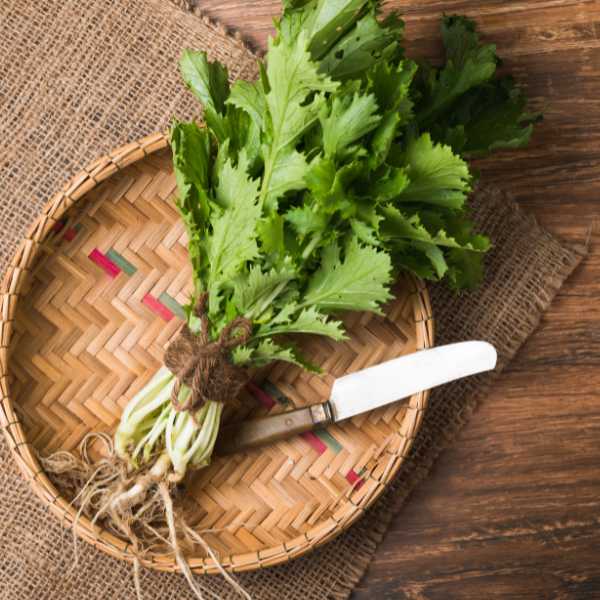
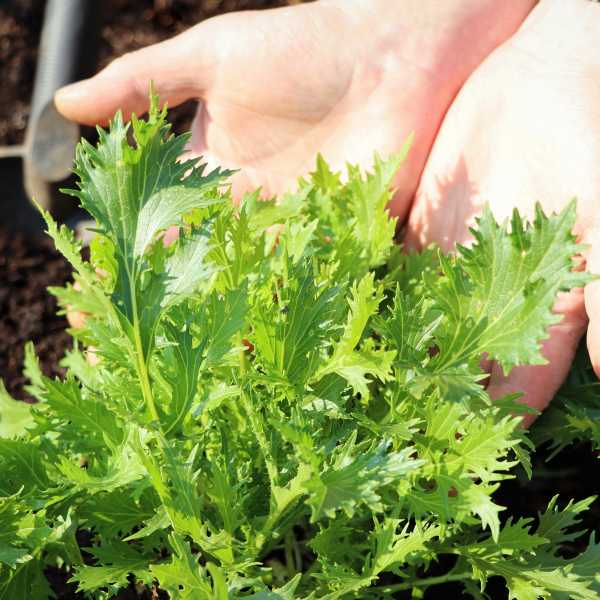
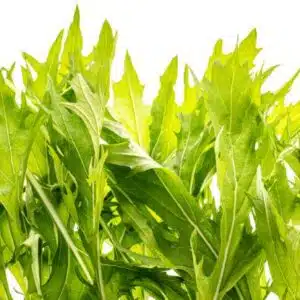
Mizuna Green Streak grows as a broad rosette of finely serrated, feathery leaves. There’s a hint of rocket about its appearance, though Mizuna’s leaves are more delicate and finely divided, almost like a fern’s fronds. The effect in the garden is a soft, elegant mound that fills out quickly and keeps its good looks right through the season. Even when other greens start to look tired, Mizuna holds its shape, staying crisp and upright.
It bridges the gap between the mild and the bold. Its flavour is fresh but not overwhelming, an easy-going mix of peppery and cabbage-like notes. The first bite is lively, with a clean, green edge that wakes up a salad bowl, but it never crosses into bitterness. It’s the kind of flavour that complements rather than dominates, and for that reason, it works beautifully with other greens or as a standout on its own.
In the kitchen, Mizuna Green Streak proves its worth over and over again. The young leaves are tender and mild, perfect for tossing through salads or using as a garnish to brighten up heavier dishes. They add a bit of zest without the sharpness of rocket or mustard greens. As the leaves mature, they hold up well to heat and can be lightly wilted in a pan, added to soups, or stirred through a quick wok-fry at the last moment.
One of Mizuna’s lesser-known delights is its young flowering stems. When the plant begins to send up these shoots, they can be harvested and cooked much like broccoli. The stems are crisp, the flavour sweet and mildly peppery, and they bring a tender green freshness to a winter stir-fry.
It’s an extremely hardy plant, tolerating both heat and cold with remarkable ease. While it prefers moist conditions and a steady rhythm of watering, it’s the sort of vegetable that forgives a missed day or two. It doesn’t bolt at the first sign of warmth, and it holds its ground well into winter, shrugging off light frost as though it were nothing at all. In the cooler parts of Australia, this toughness makes it one of the few greens that can be counted on through the short, dim days when other crops are resting.
Once it’s established, it can be harvested again and again, with each new flush of growth often stronger and more frost-resistant than the last. This resilience makes it a true workhorse in the vegetable patch.
When paired with its close cousin Mibuna, another Japanese green with smoother leaves and a milder flavour, the pair create a perfect balance of textures and tastes. Together they form a productive duo that can keep a salad mix varied and interesting all winter long. Mibuna brings a silky tenderness, while Mizuna Green Streak adds feathery texture and a lively bite.
For anyone growing with limited space, Mizuna Green Streak also suits container gardens beautifully. Its rosette shape makes it ideal for pots, troughs, or balcony planters. Because it doesn’t need much pampering, it rewards even small spaces with a generous yield of leaves.
| Method: Sow direct | Soil Temp: 10°C - 30°C |
| Cool Mountain: Mar - May | Position: Full sun - Part Shade |
| Arid: Aug - Sep | Row Spacing: 20 cm |
| Temperate: Mar - May , Aug - Oct | Planting Depth: 3 mm |
| Sub Tropical: Apr - May | Harvest: 55 Days |
| Tropical: Apr - Jun | Plant Height: 30 cm |
🌱 Mizuna Grow Guide
🌿 Overview
Mizuna is a fast-growing leafy green with finely cut leaves, tender stems, and a mild mustard flavour. It is one of the easiest greens to grow and is well suited to gardeners who want quick harvests, repeat picking, and a productive crop in small spaces. The leaves can be eaten raw in salads when young, or lightly cooked in stir-fries, soups, noodle dishes, omelettes, and mixed vegetable sautés.
Mizuna is valued because it grows quickly, tolerates close spacing, and can be harvested as baby leaf or allowed to mature into larger leafy rosettes. It is also excellent for containers, raised beds, and small kitchen gardens.
🌱 Sowing in Trays vs Direct Sowing
Mizuna can be started in trays or sown directly where it is to grow. Both methods work well, but direct sowing is usually the best method for mizuna because it germinates quickly, establishes easily, and does not need a long protected seedling stage.
For direct sowing, prepare a fine, weed-free seedbed. Scatter seed thinly or sow in shallow rows, then cover very lightly with fine soil or seed-raising mix. Keep the soil evenly moist until seedlings appear. Once the seedlings are large enough to handle, thin them to allow airflow and steady leaf growth. Thinnings can be eaten as microgreens or baby leaves.
Tray sowing is still useful if garden space is not ready, if pest pressure is high, or if you want neat spacing. Sow into seed trays or small cells using a quality seed-raising mix. Keep the mix moist but not waterlogged. Transplant seedlings gently once they have a small but sturdy root system. Avoid leaving seedlings in trays for too long, as crowded or stressed seedlings may bolt earlier.
For most gardeners, direct sowing is recommended because mizuna is quick, reliable, and dislikes unnecessary root disturbance.
💧 Seed Pre-Treatment
Mizuna seed does not require pre-treatment. There is no need to soak, chill, scarify, or ferment the seed before sowing. Fresh seed usually germinates readily when sown shallowly into moist, fine soil.
The most important factor is consistent moisture. If the surface dries out during germination, seedlings may emerge unevenly. A light covering of fine soil, gentle watering, and protection from heavy rain or drying winds will help produce an even stand.
🌞 Soil and Position
Mizuna grows best in fertile, loose, moisture-retentive soil with good drainage. The ideal soil is rich in compost, fine in texture, and able to stay evenly damp without becoming soggy. Before sowing, mix through compost or well-aged organic matter to support fast leafy growth.
Choose a position with good light and some protection from harsh conditions. Mizuna will grow in full sun, but it can also handle light shade, especially where strong sun may cause leaves to toughen or plants to bolt more quickly. In containers, use a quality vegetable potting mix and choose pots with good drainage holes.
Because mizuna is grown mainly for leaves, steady moisture and moderate fertility are more important than heavy feeding. Avoid very poor soil, dry sandy soil, or beds that have not been improved, as plants may become small, tough, or quick to flower.
🌿 Care and Maintenance
Mizuna is simple to care for once established. Keep the soil evenly moist, especially while seedlings are young and during active leaf production. Irregular watering can cause stress, bitter leaves, and premature flowering. Mulching lightly around established plants can help conserve moisture and reduce weeds.
Feed lightly if growth slows or leaves become pale. A gentle liquid feed, compost tea, worm liquid, or a balanced organic fertiliser can help maintain steady production. Avoid overfeeding with strong fertilisers, as very soft growth can attract pests.
Thin seedlings early so plants have enough space to develop. For baby leaf production, mizuna can be grown quite close together. For larger plants, allow more room so each rosette can expand. Good spacing also improves airflow and reduces disease.
Harvest regularly to keep plants producing fresh, tender leaves. Removing outer leaves encourages new growth from the centre. If flower stems begin to form, harvest promptly. The flower buds are edible, but once flowering advances, the leaves may become stronger and less tender.
🌼 Companion Planting Guide
Mizuna grows well with many leafy greens, herbs, flowers, and root crops. Good companions include lettuce, spinach, silverbeet, beetroot, carrot, radish, spring onion, coriander, dill, parsley, calendula, alyssum, nasturtium, and marigold.
Flowers such as alyssum, calendula, and marigold help attract beneficial insects, including hoverflies and ladybirds, which may assist with aphid control. Coriander, dill, and parsley can also attract helpful insects when allowed to flower nearby.
Radish and spring onion are useful companions because they grow quickly and suit similar soil conditions. Lettuce and spinach can be grown alongside mizuna in mixed salad beds, creating a productive cut-and-come-again harvest area.
Avoid planting mizuna repeatedly in the same place as other brassica crops. This helps reduce the build-up of pests and soil-borne problems. It is also best not to crowd mizuna with large, hungry crops that shade it heavily or compete aggressively for nutrients and moisture.
🧺 How to Harvest
Mizuna can be harvested at several stages. For baby leaves, snip leaves once they are large enough to use. For cut-and-come-again harvesting, take the outer leaves and leave the growing centre intact. This allows the plant to keep producing new leaves.
You can also harvest whole plants by cutting just above soil level. If the growing point is left undamaged, plants may reshoot and provide another smaller harvest. For the best flavour and texture, pick leaves while they are fresh, crisp, and tender.
After harvest, rinse leaves gently in cool water and drain well. Mizuna is best used soon after picking, but it can be stored briefly in the fridge wrapped in a slightly damp cloth or placed in a container. Young leaves are ideal raw, while larger leaves are excellent lightly cooked.
⚠️ Common Issues and Fixes
| Issue | Likely Cause | Fix |
|---|---|---|
| Poor germination | Soil dried out, seed buried too deeply, old seed | Sow shallowly, keep evenly moist, use fresh seed |
| Seedlings disappearing | Slugs, snails, birds, or chewing pests | Protect young seedlings, use barriers, hand-pick pests, keep beds tidy |
| Holes in leaves | Flea beetles, caterpillars, slugs, or snails | Use fine insect netting, inspect leaves often, remove caterpillars, reduce hiding places |
| Leaves turning yellow | Low nitrogen, water stress, poor drainage | Add compost or mild liquid feed, water evenly, improve drainage |
| Plants flowering early | Heat stress, crowding, dry soil, root disturbance | Keep soil moist, thin plants, harvest often, direct sow where possible |
| Tough or bitter leaves | Plant stress, old leaves, inconsistent watering | Harvest younger leaves, water regularly, provide light shade in harsh conditions |
| Aphids on new growth | Soft growth, crowded plants, lack of beneficial insects | Spray off with water, improve airflow, plant insect-attracting flowers |
| White powder on leaves | Powdery mildew from poor airflow or plant stress | Improve spacing, water soil rather than foliage, remove affected leaves |
| Rotting stems | Waterlogged soil, overcrowding, poor airflow | Improve drainage, thin plants, avoid overwatering |
| Small, slow plants | Poor soil, insufficient moisture, heavy competition | Add compost, water consistently, remove weeds, thin seedlings |
🌾 Detailed Seed Saving Guide
To save mizuna seed, choose the healthiest and most vigorous plants. Select plants with the qualities you want to continue, such as tender leaves, good flavour, strong growth, slow flowering, and resistance to pests or disease. Avoid saving seed from weak, diseased, stunted, or unusually early-flowering plants unless early flowering is the trait you specifically want.
Allow selected plants to flower fully. Mizuna produces tall flower stems with small yellow flowers, followed by slender seed pods. Leave the pods on the plant until they begin to dry and turn brown. Watch them closely, as mature pods can split and drop seed if left too long.
For best results, save seed from several plants rather than only one. This helps maintain plant strength and diversity in future generations. Keep seed plants away from closely related flowering crops if you want to keep the seed true to type, as insects can move pollen between compatible plants.
When most pods are dry, cut the seed stems and place them upside down in a paper bag or on a clean tray in a dry, airy place. Let them finish drying fully. Once crisp, gently rub or crush the pods to release the seeds. Winnow away the dry pod pieces by carefully blowing across the seed or using a fine sieve.
Spread the cleaned seed on a plate or tray for several more days to ensure it is completely dry. Store in a labelled envelope or airtight jar. Include the crop name, variety, and year saved. Keep seed in a cool, dark, dry place. Properly dried and stored mizuna seed can remain viable for several years, though fresher seed usually gives stronger germination.
🌟 Final Thoughts
Mizuna is an excellent crop for beginners and experienced gardeners alike. It is quick, productive, space-efficient, and useful in the kitchen at many stages of growth. The keys to success are direct sowing, shallow planting, consistent moisture, fertile soil, regular harvesting, and protection from chewing pests.
With simple care, mizuna can provide repeated harvests of tender, mildly peppery leaves for salads, stir-fries, soups, and everyday meals. It is one of the most reliable leafy greens to include in a productive home garden.
1 review for Mizuna Green Streak

Postage Charge
Orders under $40 attract a $5.50 shipping charge. Orders $35 and above have free shipping.
*** We cannot deliver to Parcel Lockers ***
Order Times
Seed orders are normally dispatched within three business days. You will receive an email when seeds are mailed out.
Postage Days
Seeds are mailed out Tuesday to Friday at 1pm. Except for the Friday of long weekends.
Postage Times
WA 2-3 Days: SA,NT 3-5 Days: NSW, ACT, QLD, VIC: 5-7 Days
Carrier
We use Australia Post Letter Postage for the majority of orders.
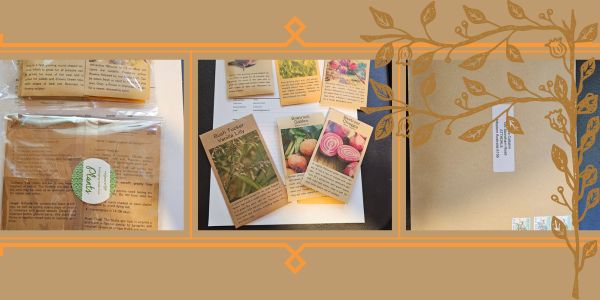
Not only are our seeds packed in recycled paper envelopes, we keep the theme going when we post out website orders. To protect your seeds from moisture and the letter box munchers (snails), we use a very special plastic free material made from plants. They are then put into recycled mailing envelopes. Green all the way ????????
Delivery Guarantee
We take great care to make sure your seeds arrive safely. If your order is lost or damaged in transit, we’ll happily send a replacement. Unfortunately, we can’t replace or refund orders that arrive later than the estimated delivery date, as delays can sometimes occur that are outside our control.
Please note that all dispatch and delivery times listed are estimates only. While we do our best to post promptly, delivery timeframes can vary due to postal service delays, weather events, or other unforeseen circumstances. We’re unable to take responsibility for any loss, damage, or cost that results from a late delivery.
An order is not considered missing until at least 20 business days have passed from the postage date. You’ll receive an email once your seeds have been posted, letting you know they’re on their way. If you don’t see it in your main inbox, please check your Spam or Promotions folders as sometimes our emails like to hide there.
See all our verified customer reviews on our official CusRev profile.