








Marigold African Crackerjack
$4.95
Tagetes Erecta
- Seed Count 250
- Good For Borders and Containers
- Height 90cm
- Annual
Only 15 left in stock
Description
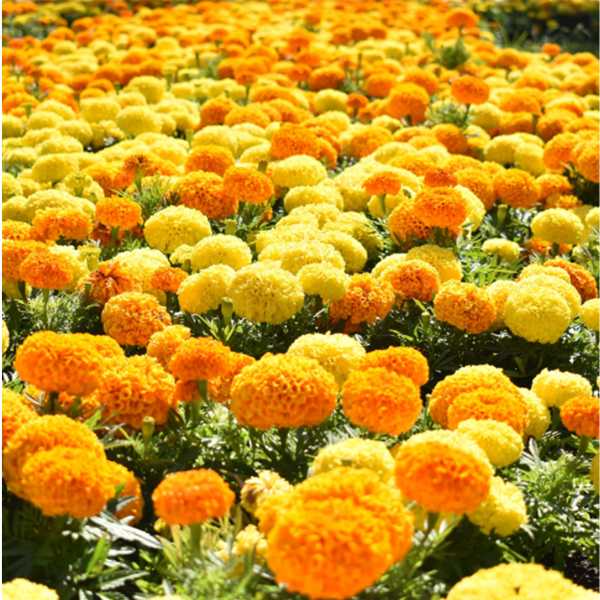
There are few annuals that can match the cheerfulness of a marigold in full bloom, and the Marigold African Crackerjack is one of the best of the bunch. Tall, sturdy, and full of life with large, ruffled blooms that seem to catch the sunlight and hold it. The plants are generous with their flowers, producing bright globes of gold, lemon, and orange from early summer right through until the first frost.
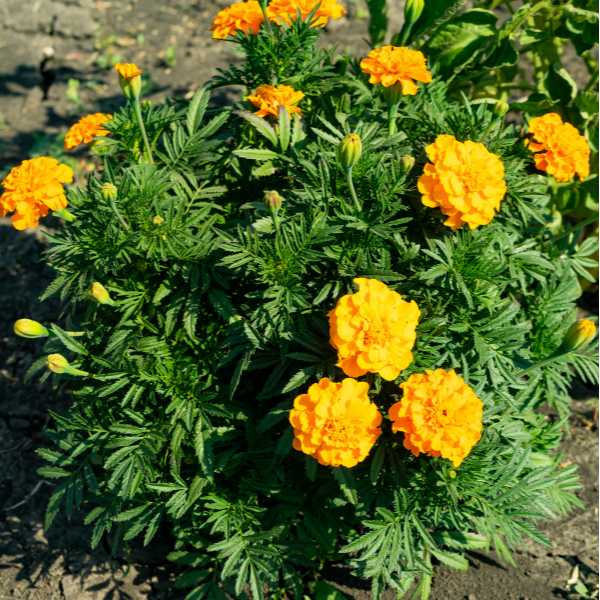
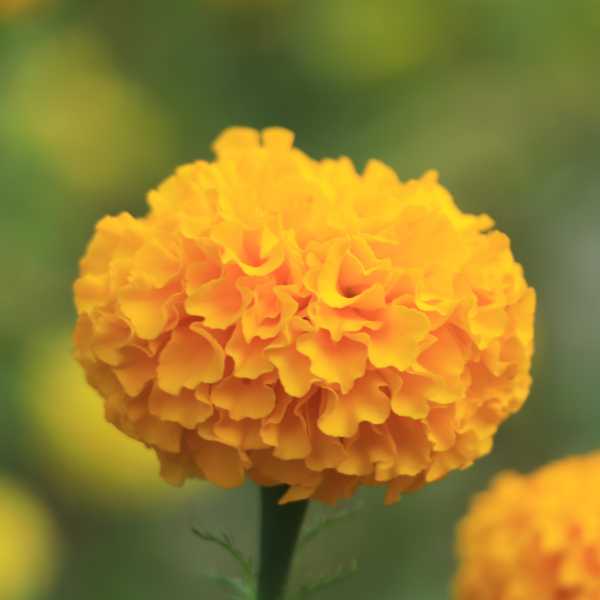
A well-grown plant can reach up to 90 cm in height, forming a bushy, upright plant with strong stems that hold its flowers well above the foliage. The leaves are deeply divided, dark green, and fern-like, giving a nice texture to the garden even before the flowers appear. Each bloom is double, dense, and packed with petals, often measuring up to 10 cm across. They have a slightly spicy scent typical of marigolds, something you either love for its earthiness or simply tolerate because the flowers are just too good to resist.
This marigold is as tough as it is pretty. It thrives in full sun and handles the Australian summer heat with ease, keeping up its flowering when many others slow down. It’s well known for attracting bees and other pollinators, and at the same time, it does a fine job of deterring certain garden pests with its natural scent and compounds. Many gardeners plant it alongside vegetables like tomatoes or beans, simply because it seems to help keep unwanted visitors at bay. The Crackerjack’s dense growth and bright blooms also make it an excellent choice for creating a living border or adding structure to a mixed bed.
In a cutting garden, these marigolds really earn their keep. The long stems and bold flower heads make a striking addition to mixed arrangements, and they last surprisingly well once cut. A jar or vase filled with Crackerjack blooms looks like bottled sunshine on a table, bringing the warmth of the garden indoors. Their strong colour blends well with late-season flowers such as zinnias, celosia, and dahlias and they provide a cheerful contrast to the cooler blues and purples of salvias and ageratums.
They are also a great choice for gardeners working in poorer soils. They aren’t too fussy about where they grow and will often thrive where more delicate plants might sulk. As long as the soil drains well and the sun is strong, they’ll give you an excellent show. That makes them a reliable pick for beginners who want a splash of colour without too much fuss.
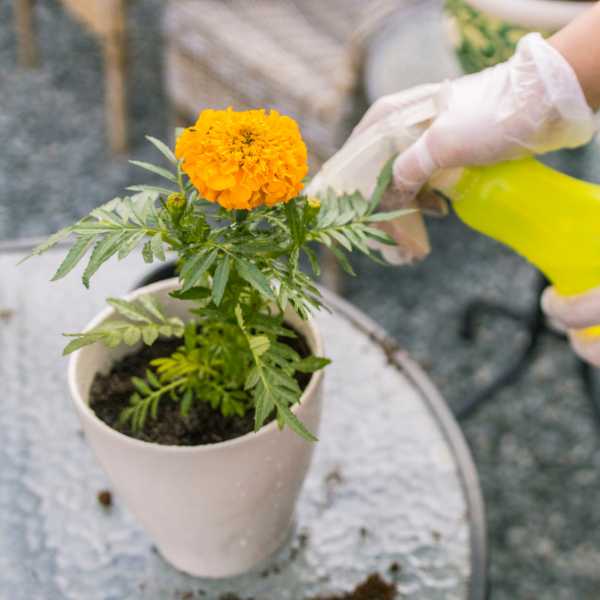
In container gardens, they stand out too. A few Crackerjack plants in a large pot can transform a dull patio corner into a glowing display. They pair beautifully with trailing plants like lobelia or sweet alyssum, which soften the edges and highlight the marigold’s upright form. In the vegetable garden, they pull double duty, decorating the space while providing a helpful deterrent to some insects.
Beyond their ornamental value, marigolds have a place in the natural dye world. Their petals yield a golden to orange dye, which can be used to colour fabrics or yarn naturally. The flowers also dry well and can be used in potpourri mixes, adding both scent and colour to dried arrangements.
| Method: Sow direct or seedlings | Soil Temp: 10°C - 30°C |
| Cool Mountain: Sep - Mar | Germination: 4 to 7 Days |
| Arid: Jan - Dec | Position: Part shade |
| Temperate: Sep - May | Row Spacing: 50cm apart |
| Sub Tropical: Jan - Dec | Planting Depth: 5 mm |
| Tropical: Apr - Jul | Harvest: 75 days |
🌼 Marigolds Grow Guide
🌱 Overview
Marigolds are bright, cheerful flowers loved for their bold colours, easy growth, and usefulness in vegetable gardens. They produce blooms in shades of yellow, orange, gold, cream, red, and mahogany, depending on the variety. Some types stay compact and bushy, while others grow taller with larger flowers suitable for cutting.
Marigolds are one of the easiest flowers to grow from seed. They are fast, forgiving, and suitable for garden beds, borders, pots, raised beds, and companion planting around vegetables. They are especially popular near tomatoes, capsicums, beans, cucumbers, pumpkins, and leafy greens because they attract beneficial insects and add colour while helping create a more diverse garden.
🌰 Seed Pre-Treatment
Seed pre-treatment is not required. Marigold seed usually germinates readily without soaking, chilling, nicking, or smoke treatment.
The seed is long, narrow, and easy to handle. For best results, sow fresh seed into a light, free-draining seed mix or prepared garden soil. Cover lightly with soil, as marigold seed germinates best when it is not buried too deeply.
Keep the seedbed evenly moist until germination. Avoid waterlogging, as overly wet conditions can cause seed rot or seedling collapse.
🪴 Sowing in Trays vs Direct Sowing
Marigolds can be grown successfully by both tray sowing and direct sowing. For most home gardeners, tray sowing is the best method because it gives stronger control over spacing, moisture, pests, and early seedling care. It also allows you to place healthy seedlings exactly where you want them in the garden.
To sow in trays, fill a punnet, cell tray, or small pot with seed-raising mix. Sow seeds about 5 mm deep, cover lightly, and water gently. Keep the mix moist but not soggy. Once seedlings have formed several true leaves and are sturdy enough to handle, transplant them into the garden or larger pots.
Direct sowing is also easy and works well when planting larger areas, borders, or vegetable garden edges. Prepare a fine, weed-free patch of soil, sow seed shallowly, cover lightly, and water gently. Thin seedlings once they are large enough to handle so each plant has enough space to branch and flower properly.
Compact varieties can be spaced closer together, while tall varieties need more room. Crowded marigolds may still flower, but they are more likely to become leggy, weak, and prone to fungal issues.
☀️ Soil and Position
Marigolds grow best in a sunny, open position. Strong light encourages compact growth, sturdy stems, and more flowers. In too much shade, plants may grow tall and soft with fewer blooms.
The soil should be free draining and moderately fertile. Marigolds are not fussy, but they dislike wet, heavy soil. If the soil is clay-heavy, improve it with compost and plant into a raised bed or mound to help water drain away.
A rich soil is not always better. Too much nitrogen can produce leafy plants with fewer flowers. Before planting, mix in compost or aged organic matter, then avoid heavy feeding unless the plants are clearly struggling.
Marigolds also grow very well in pots. Use a quality potting mix and choose containers with drainage holes. Avoid leaving pots sitting in saucers of water.
💧 Care and Maintenance
Marigolds are low-maintenance once established. Water young seedlings regularly while they settle in, then water deeply when the soil begins to dry. They prefer steady moisture but do not like being constantly wet.
Deadheading is one of the best ways to keep marigolds flowering. Remove old blooms as they fade so the plant puts energy into new flowers rather than seed production. If you want to save seed, leave some of the healthiest flowers to dry on the plant.
Light pruning or tip-pinching can make young plants bushier. Pinch out the growing tip when seedlings are strong and well established. This encourages side shoots and creates a fuller plant with more flowering stems.
Feed lightly if needed. A small amount of compost, worm castings, liquid seaweed, or a gentle flower fertiliser is usually enough. Avoid high-nitrogen fertilisers, as they can encourage leaves at the expense of blooms.
Keep the base of the plants tidy. Remove dead leaves, faded flowers, and weak stems to improve airflow and reduce fungal problems.
🌼 Companion Planting Guide
Marigolds are one of the most useful companion flowers in the edible garden. They attract bees, hoverflies, ladybirds, lacewings, and other beneficial insects. Their strong scent can also help confuse some pests, especially when marigolds are planted among a mix of herbs, flowers, and vegetables.
Good companions include tomatoes, capsicums, chillies, eggplant, beans, cucumbers, zucchini, pumpkin, lettuce, basil, parsley, coriander, calendula, alyssum, nasturtium, thyme, oregano, and rosemary.
Plant compact marigolds along bed edges, between vegetable rows, or near entrances to garden beds. Taller marigolds work well at the back of borders or beside crops that can handle some nearby height.
Avoid planting marigolds where they will shade very small seedlings. Tall varieties may compete for light if placed too close to low-growing herbs or young vegetables. Also avoid overcrowding them with dense plants that block airflow, as this can increase mildew and mould problems.
✂️ How to Harvest
Marigolds can be harvested as cut flowers, edible petals, or seed heads.
For cut flowers, pick stems when the bloom is newly opened and fresh. Use clean scissors or snips and cut above a leaf joint to encourage more branching. Place stems into clean water soon after cutting.
For edible petals, harvest only from plants grown without unsafe sprays or chemicals. Pick fresh, healthy flowers, remove the petals, and use them as a colourful garnish in salads, rice dishes, soups, butters, and baking. The flavour can be mildly citrusy, spicy, or bitter depending on the variety.
For dried petals, harvest fully open flowers on a dry day. Pull the petals from the flower head and spread them in a single layer in a shaded, airy place until crisp. Store dried petals in an airtight jar away from heat and light.
If saving seed, leave selected flowers on the plant until they are fully dry and papery.
⚠️ Common Issues and Fixes
| Issue | Likely Cause | Fix |
|---|---|---|
| Poor germination | Old seed, seed buried too deeply, or uneven moisture | Use fresh seed, sow shallowly, and keep the mix evenly moist |
| Seedlings collapse | Damping-off from excess moisture or poor airflow | Use clean trays, free-draining mix, and avoid overwatering |
| Leggy seedlings | Not enough light or overcrowding | Move to stronger light and thin or pot on seedlings |
| Lots of leaves but few flowers | Too much nitrogen or not enough sun | Reduce feeding and grow in a brighter position |
| Yellowing leaves | Overwatering, poor drainage, or nutrient stress | Check drainage, water less often, and feed lightly if needed |
| Powdery mildew | Humidity, crowding, or poor airflow | Space plants properly, water at soil level, and remove affected leaves |
| Flower buds fail to open | Stress from dry soil, heat, pests, or poor nutrition | Water deeply, mulch lightly, and maintain steady care |
| Chewed leaves | Caterpillars, slugs, snails, or grasshoppers | Hand-pick pests, use barriers, and encourage beneficial insects |
| Aphids on new growth | Soft growth or pest pressure | Spray off with water, prune badly affected tips, and attract ladybirds |
| Plants flop over | Tall variety, weak light, wind, or overcrowding | Stake tall plants, grow in full sun, and provide proper spacing |
| Flowers rot | Wet weather, overhead watering, or poor airflow | Remove old blooms and water at the base of the plant |
🌾 Seed Saving Guide
Marigolds are very easy to save seed from, making them an excellent flower for beginner seed savers. Choose the healthiest plants with strong growth, good flower colour, plenty of blooms, and the shape or height you prefer.
Allow selected flowers to remain on the plant after they fade. The petals will dry, the flower head will turn brown and papery, and the base of the flower will become firm. Do not collect too early, as immature seed may not germinate well.
Once the flower heads are fully dry, cut them from the plant and place them in a paper bag or shallow tray. Let them dry for a few more days in a warm, airy, shaded place.
To remove the seed, hold the dry flower head and gently pull apart the base. The seeds are long, narrow, and usually dark at one end with a pale tip. Separate the seeds from the chaff as best you can.
Discard any seed that is soft, mouldy, damaged, or very pale and immature-looking. Spread the cleaned seed on paper for several more days to make sure it is completely dry before storage.
Store seed in a labelled paper envelope inside an airtight jar. Keep it in a cool, dark, dry place. Label the packet with the plant name, flower colour, height, collection date, and any notes about performance.
For best future results, save seed from several good plants rather than only one. This helps maintain vigour and gives you a better chance of strong seedlings in the next generation.
🌟 Final Thoughts
Marigolds are reliable, colourful, and useful flowers that deserve a place in almost every garden. They are easy from seed, forgiving of beginner mistakes, and valuable for companion planting around vegetables and herbs.
For the best results, start seed in trays if you want neat spacing and strong transplants, or direct sow for quick, informal garden colour. Give plants full sun, free-draining soil, light feeding, regular deadheading, and good airflow. With simple care, marigolds will reward you with bright flowers, beneficial insect activity, useful petals, and plenty of easy-to-save seed.
2 reviews for Marigold African Crackerjack
| 5 star | 100% | |
| 4 star | 0% | |
| 3 star | 0% | |
| 2 star | 0% | |
| 1 star | 0% |

Postage Charge
Orders under $35 attract a $4.95 shipping charge. Orders $35 and above have free shipping.
Order Times
Seed orders are normally dispatched within three business days. You will receive an email when seeds are mailed out.
Postage Days
Seeds are mailed out Tuesday to Friday at 1pm. Except for the Friday of long weekends.
Postage Times
WA 2-3 Days: SA,NT 3-5 Days: NSW, ACT, QLD, VIC: 5-7 Days
Carrier
We use Australia Post Letter Postage for the majority of orders
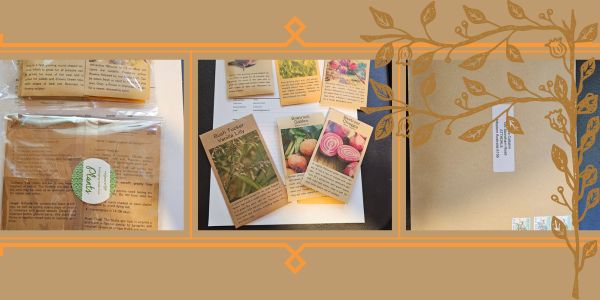
Not only are our seeds packed in recycled paper envelopes, we keep the theme going when we post out website orders. To protect your seeds from moisture and the letter box munchers (snails), we use a very special plastic free material made from plants. They are then put into recycled mailing envelopes. Green all the way ????????
Delivery Guarantee
We take great care to make sure your seeds arrive safely. If your order is lost or damaged in transit, we’ll happily send a replacement. Unfortunately, we can’t replace or refund orders that arrive later than the estimated delivery date, as delays can sometimes occur that are outside our control.
Please note that all dispatch and delivery times listed are estimates only. While we do our best to post promptly, delivery timeframes can vary due to postal service delays, weather events, or other unforeseen circumstances. We’re unable to take responsibility for any loss, damage, or cost that results from a late delivery.
An order is not considered missing until at least 20 business days have passed from the postage date. You’ll receive an email once your seeds have been posted, letting you know they’re on their way. If you don’t see it in your main inbox, please check your Spam or Promotions folders as sometimes our emails like to hide there.

See all our verified customer reviews on our official CusRev profile.
See all our verified customer reviews on our official CusRev profile.