






Lambs Lettuce
$4.95
Valerianella Olitoria
- Seed Count 2000
- Buttery Flavour
- Annual
In stock
Description
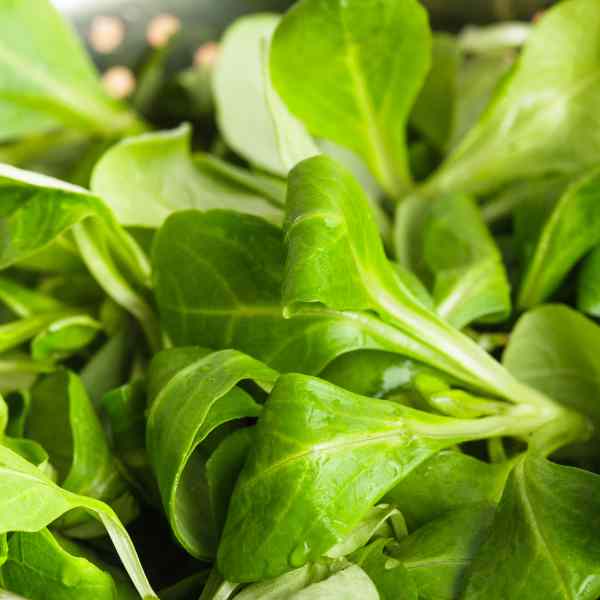
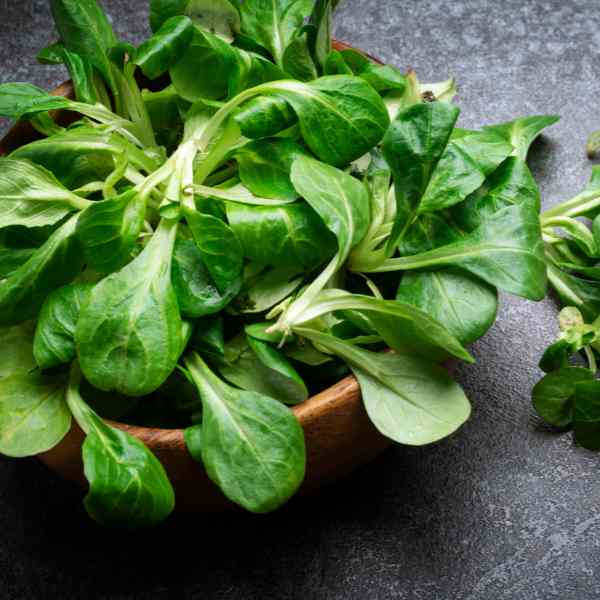
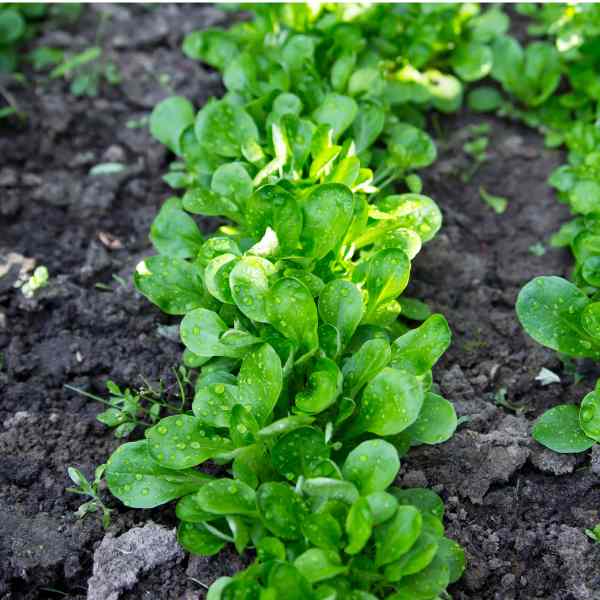
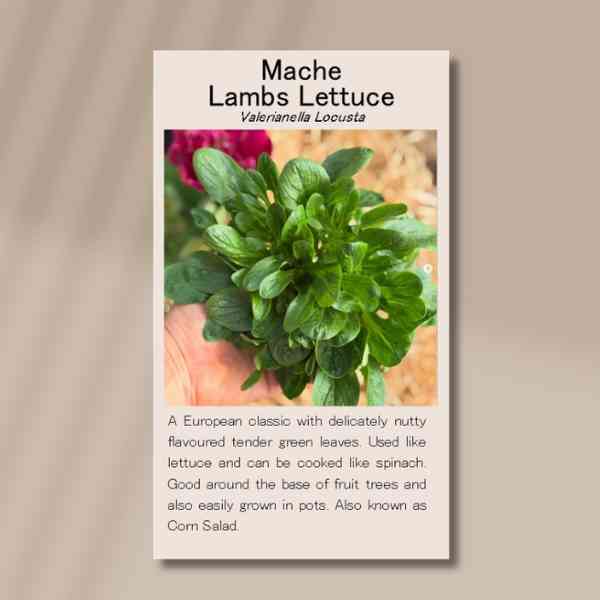
Lamb’s Lettuce, also known as Corn Salad or Mâche, with its delicately nutty taste and buttery-soft leaves has been a favourite in European gardens for centuries. This mild-tasting salad green forms small, rambling rosettes of glossy, spoon-shaped leaves, low to the ground and neat in appearance. Each cluster looks as though it’s been carefully arranged by hand, the leaves overlapping in a soft green whirl.
In Europe, it was once gathered wild from the fields before becoming a cultivated kitchen staple. It earned the name “Corn Salad” not because of any relation to corn, but because it often grew among cereal crops in the cooler months. Over time, gardeners learned that this resilient little green thrived when other salad crops faltered, and they welcomed it into their winter plots. Today, it remains a beloved cool-season vegetable, treasured for its subtle flavour and easy nature.
The leaves almost melt in the mouth, making them perfect for fresh eating. They are among the softest and most delicate of all leafy greens, and their mildness allows them to complement just about any combination of vegetables, nuts, or cheeses. A simple handful of these leaves, tossed with olive oil, lemon, and salt, is enough to remind you why it’s been so valued through the ages. Though most often eaten fresh, Lamb’s Lettuce can also be cooked gently, much like spinach.
For the gardener, Lamb’s Lettuce is a pleasure to grow. It’s an easy-going plant, requiring little attention beyond basic care. It forms its tidy rosettes without fuss and is tolerant of the mild, damp conditions that often challenge other salad crops. It can be sown among fruit trees or tucked into garden beds between larger plants, where it quietly fills the space with fresh, edible greenery. Because it stays low to the ground, it’s also well-suited to pots and containers, where its lush leaves can be kept close to the kitchen for quick picking.
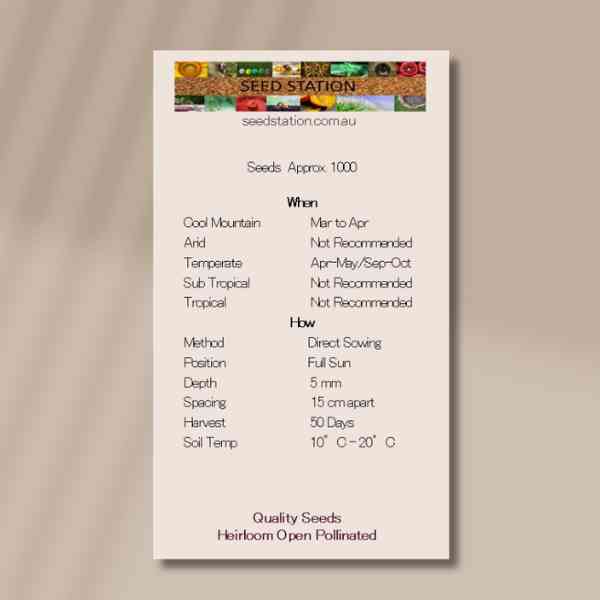
[table id=104 /
🥬 Lettuce Grow Guide
🌱 Overview
Lettuce is one of the most useful leafy vegetables for a home garden, valued for its tender leaves, quick growth, mild flavour, and ability to fit into almost any growing space. It can be grown as loose-leaf lettuce, cos, butterhead, oakleaf, crisphead, or baby leaf mixes, giving gardeners plenty of choice in texture, colour, and kitchen use.
Loose-leaf types are the easiest and most forgiving because they can be harvested leaf by leaf over a long period. Cos and butterhead types form more structured hearts, while crisphead types need steadier conditions and more space. Lettuce is best grown with consistent moisture, gentle feeding, good airflow, and protection from stress. If plants dry out, become crowded, or struggle in poor soil, the leaves can turn bitter or the plant may send up a flower stem too early.
Lettuce is ideal for salads, sandwiches, wraps, burgers, garnishes, green smoothies, and light cooking. It is also excellent for small gardens because it grows well in pots, troughs, raised beds, and mixed vegetable plantings.
🌾 Sowing in Trays Versus Direct Sowing
Lettuce can be grown successfully by sowing in trays or by direct sowing, and both methods are useful. However, tray sowing is usually the most reliable option for home gardeners because lettuce seedlings are delicate and highly attractive to slugs, snails, birds, ants, and chewing insects.
To sow in trays, fill a punnet or cell tray with fine seed-raising mix. Scatter the seed thinly or sow one to two seeds per cell. Cover very lightly with fine mix, about 2 to 3 mm deep, because lettuce seed should not be buried deeply. Water gently with a mist spray or from below so the seed is not washed away. Keep the mix evenly moist but not soggy. Once seedlings have several true leaves, transplant them carefully into the garden or into larger pots.
Direct sowing works well in a finely prepared, weed-free bed. Scatter the seed thinly, cover lightly, and water gently. Once seedlings appear, thin them early so the remaining plants have enough room to grow. Crowding is one of the most common reasons lettuce stays small, becomes weak, or develops disease.
Best method: tray sowing is recommended for most gardeners because it gives better control over spacing, moisture, and pest protection. Direct sowing is excellent for baby leaf lettuce or cut-and-come-again patches where dense sowing is intended.
💧 Seed Pretreatment
Lettuce seed does not require pretreatment. No soaking, scarifying, chilling, or smoke treatment is needed. Fresh seed, shallow sowing, and even moisture are the key requirements.
Avoid soaking lettuce seed for long periods, as it is small and can become difficult to handle. The most common germination problems come from old seed, seed being buried too deeply, dry seed mix, or hot, stressful conditions during germination.
For best results, sow lightly and keep the surface consistently moist until seedlings are established.
🪴 Soil and Position
Lettuce grows best in fertile, moisture-retentive, well-drained soil. It has shallow roots, so it relies on steady moisture near the surface. Before planting, improve the soil with compost, aged manure, worm castings, or well-rotted organic matter.
The soil should hold moisture but not become waterlogged. Poor sandy soil can dry too quickly and produce small, bitter leaves, while heavy wet soil can cause root problems and rotting at the base. Raised beds and pots work very well as long as watering is consistent.
Choose a position with full sun to light part shade. Strong light supports healthy growth, while light shade can help keep leaves tender during hot or bright conditions. Good airflow is important, especially for heading types, because crowded damp leaves can develop fungal issues.
For pots, use a quality vegetable potting mix and choose containers with drainage holes. Lettuce grows especially well in wide shallow troughs, window boxes, bowls, and raised planters.
🌿 Care and Maintenance
Lettuce needs gentle, consistent care. The most important task is regular watering. Keep the soil evenly moist, but not saturated. Dry spells can make leaves bitter, tough, or quick to flower. Water at the base of the plant rather than soaking the leaves, especially in crowded plantings.
Mulch around plants with straw, sugarcane mulch, composted leaves, or fine bark. Mulch helps keep the shallow root zone cool and moist while reducing weeds. Keep mulch slightly away from the crown so the base does not stay wet.
Feed lightly but regularly. Lettuce is a leafy crop, so it responds well to compost, worm liquid, seaweed solution, or a mild nitrogen-rich organic feed. Avoid overfeeding, as very soft growth can attract aphids and become more prone to rot.
Thin seedlings early. Loose-leaf lettuce can be spaced closer than heading lettuce, but all plants need enough airflow. Crowded lettuce may stretch, yellow, or rot in the centre.
Remove yellowing or damaged leaves promptly. This keeps the plants tidy, reduces pest hiding places, and improves airflow. Keep beds weed-free, as lettuce does not compete well with weeds while young.
🌼 Companion Planting Guide
Lettuce is a friendly companion plant because it is shallow-rooted, quick-growing, and easy to fit between slower crops. It works well with plants that offer light shade, attract beneficial insects, or use different root space.
Good companions include radish, carrot, beetroot, spring onion, onion, garlic, chives, peas, beans, cucumber, tomato, strawberry, dill, coriander, parsley, basil, calendula, alyssum, chamomile, marigold, and nasturtium.
Radish is especially useful because it grows quickly and can be harvested before lettuce needs more space. Onion-family plants may help confuse some pests. Flowers such as alyssum, calendula, dill, coriander, and chamomile attract hoverflies, lacewings, and small beneficial wasps that help manage aphids.
Avoid planting lettuce where it will be smothered by sprawling crops such as pumpkin, melon, or vigorous sweet potato vines. Also avoid placing it too close to large brassicas or tall crops that create dense shade and reduce airflow.
✂️ How to Harvest
Lettuce can be harvested as baby leaf, loose-leaf, whole heads, or cut-and-come-again greens.
For baby leaf harvests, snip young leaves once they are large enough to eat. Leave the growing point intact if you want regrowth.
For loose-leaf lettuce, pick the outer leaves first and leave the centre growing. This allows the plant to keep producing fresh leaves. Harvest gently by pinching or cutting leaves near the base.
For cos, butterhead, or crisphead types, harvest once the head feels full and firm enough for use. Cut the whole head at the base with a clean knife. Some lettuce may reshoot from the stump, producing smaller secondary leaves.
Harvest leaves while they are crisp, fresh, and sweet. If a tall flower stem begins to form, pick immediately because the leaves usually become stronger and more bitter after that point.
Wash leaves well and dry them before storing. Lettuce keeps best when chilled with a little moisture but not dripping wet.
⚠️ Common Issues and Fixes
| Issue | Likely Cause | Fix |
|---|---|---|
| Poor germination | Old seed, deep sowing, dry mix, or stressful conditions | Use fresh seed, sow shallowly, and keep evenly moist |
| Seedlings disappear | Slugs, snails, birds, ants, or cutworms | Start in trays, use barriers, and protect young plants |
| Leggy seedlings | Not enough light or overcrowding | Move to brighter light and thin seedlings early |
| Bitter leaves | Dry soil, plant stress, old leaves, or delayed harvest | Water consistently, mulch well, and harvest younger leaves |
| Lettuce bolts early | Stress, dryness, crowding, root disturbance, or heat | Keep moisture steady, thin plants, and harvest promptly |
| Yellow leaves | Nutrient deficiency, waterlogging, old leaves, or root stress | Feed lightly, improve drainage, and remove tired leaves |
| Soft rotting centre | Poor airflow, overwatering, or crowded heads | Space plants well, water at soil level, and remove damaged leaves |
| Aphids | Soft leafy growth or stressed plants | Hose off gently, encourage beneficial insects, and remove affected leaves |
| Leaf miners | Larvae tunnelling through leaves | Remove affected leaves and use fine insect netting if needed |
| Powdery mildew | Crowding, poor airflow, or moisture stress | Improve spacing, water evenly, and remove affected foliage |
| Downy mildew | Damp leaves, humidity, and poor airflow | Water at soil level, thin plants, and avoid overcrowding |
| Small plants | Poor soil, lack of water, or competition | Enrich soil, water regularly, and keep beds weed-free |
🌰 Detailed Seed Saving Guide
Saving lettuce seed is simple, but it requires allowing selected plants to flower instead of harvesting them fully. Choose the healthiest plants with the best leaf shape, colour, flavour, texture, and slowest tendency to bolt. Avoid saving seed from weak, diseased, bitter, or very early-flowering plants.
Leave selected plants in the garden after they pass the eating stage. They will stretch upward and form tall branching flower stems. Small yellow flowers will appear, followed by fluffy seed heads. The plant may look untidy during this stage, but this is normal.
Lettuce seed does not ripen all at once. Check plants regularly once fluffy seed heads begin forming. Mature seed is usually ready when the fluffy heads pull away easily and reveal small narrow seeds attached to the fluff.
To collect seed, hold a paper bag under the seed heads and gently rub or shake them. You can also cut whole dry stems and place them upside down in a paper bag to finish drying. Keep the bag in a dry, shaded, airy place for several days.
Once dry, rub the seed heads gently between your fingers over a plate or tray. The seed will be mixed with fluff and fine chaff. Remove larger debris by hand, then gently blow away lighter material or use a fine sieve.
Spread the cleaned seed on a plate for another week to make sure it is completely dry. Store it in a labelled paper envelope inside an airtight jar. Keep it somewhere cool, dark, and dry. Add a silica gel sachet if humidity is an issue.
Label the packet with the plant name, leaf type, colour, collection date, and useful notes such as “slow to bolt”, “sweet leaves”, “good baby leaf type”, or “firm cos head”. Lettuce is mostly self-pollinating, so saving seed from one preferred type is usually straightforward, though some crossing can occur if many types flower close together.
🥬 Final Thoughts
Lettuce is a rewarding crop for beginners and experienced gardeners alike. It is quick, versatile, attractive, and useful in almost every kitchen. The keys to success are shallow sowing, steady moisture, fertile soil, early thinning, good airflow, and regular harvesting.
For most growers, starting seed in trays gives the easiest and most reliable results, especially where pests are common. With regular picking and simple care, lettuce can provide crisp, fresh leaves for salads, sandwiches, wraps, and everyday meals.
7 reviews for Lambs Lettuce
| 5 star | 100% | |
| 4 star | 0% | |
| 3 star | 0% | |
| 2 star | 0% | |
| 1 star | 0% |

Postage Charge
Orders under $35 attract a $4.95 shipping charge. Orders $35 and above have free shipping.
Order Times
Seed orders are normally dispatched within three business days. You will receive an email when seeds are mailed out.
Postage Days
Seeds are mailed out Tuesday to Friday at 1pm. Except for the Friday of long weekends.
Postage Times
WA 2-3 Days: SA,NT 3-5 Days: NSW, ACT, QLD, VIC: 5-7 Days
Carrier
We use Australia Post Letter Postage for the majority of orders
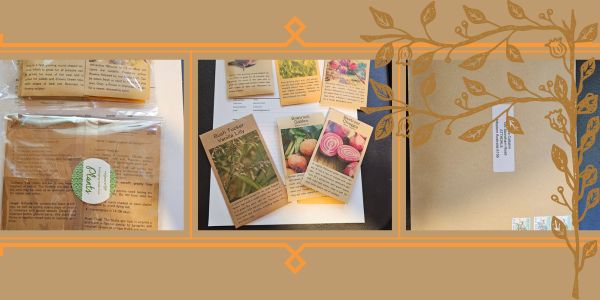
Not only are our seeds packed in recycled paper envelopes, we keep the theme going when we post out website orders. To protect your seeds from moisture and the letter box munchers (snails), we use a very special plastic free material made from plants. They are then put into recycled mailing envelopes. Green all the way ????????
Delivery Guarantee
We take great care to make sure your seeds arrive safely. If your order is lost or damaged in transit, we’ll happily send a replacement. Unfortunately, we can’t replace or refund orders that arrive later than the estimated delivery date, as delays can sometimes occur that are outside our control.
Please note that all dispatch and delivery times listed are estimates only. While we do our best to post promptly, delivery timeframes can vary due to postal service delays, weather events, or other unforeseen circumstances. We’re unable to take responsibility for any loss, damage, or cost that results from a late delivery.
An order is not considered missing until at least 20 business days have passed from the postage date. You’ll receive an email once your seeds have been posted, letting you know they’re on their way. If you don’t see it in your main inbox, please check your Spam or Promotions folders as sometimes our emails like to hide there.

See all our verified customer reviews on our official CusRev profile.
Easy purchase and grateful we could source hard to get seeds from this excellent supplier. Highly recommend
See all our verified customer reviews on our official CusRev profile.
Hi Bruce, thanks for your review. Happy planting 🙂
See all our verified customer reviews on our official CusRev profile.
Seeds are in the soil already
See all our verified customer reviews on our official CusRev profile.
See all our verified customer reviews on our official CusRev profile.
See all our verified customer reviews on our official CusRev profile.