

Kale Nero di Toscano
$4.95
Brassica Oleracea
- Seed Count 400
- Culinary Superstar
- Biennial
Out of stock
Email when stock available
Description
Until recently Kale Nero di Toscano, was one of Italy’s best kept secrets. Simply adored, especially in the north of Italy, it has been an essential fare with, or as part of, traditional dishes for centuries.
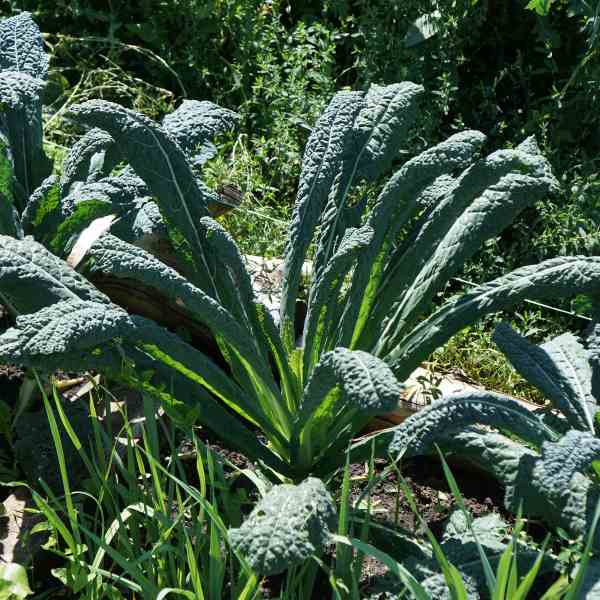
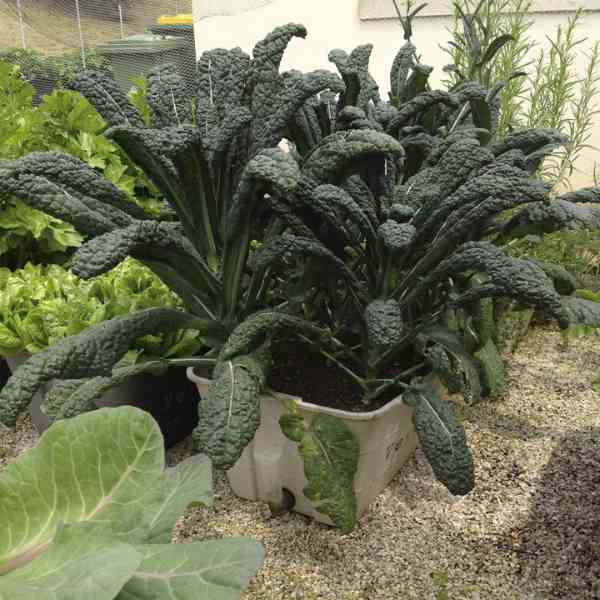
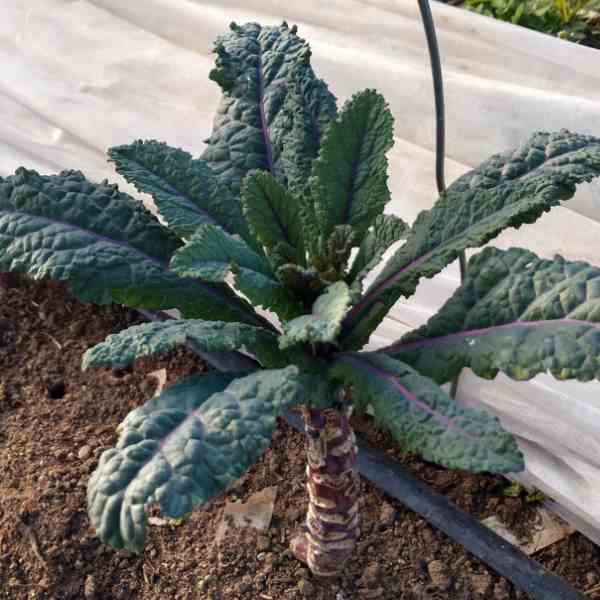
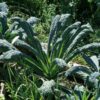
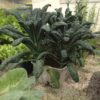
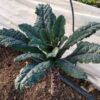
With long dark green leaves with a heavily blistered appearance it produces an abundance of leaves from the center of the plant making it a cut and come again vegetable.
It is extremely cold hardy and will tolerate conditions that would make most brassicas keel over. The flavour actually improves after a hard frost and it is immune to most of the diseases that trouble many Brassicas.
It can be used in a massive range of dishes including risotto, pasta and frittata. However, the tastiest, simplest and most effect way of using this wonderful vegetable is sautéed in good olive oil and flavoured with garlic, lemon, chilli and sea salt.
| Method: Sow direct | Soil Temp: 8°C - 30°C |
| Cool Mountain: Jan - Apr | Position: Full sun |
| Arid: Mar - Jul | Row Spacing: 30cm apart |
| Temperate: Apr - Jul | Planting Depth: 5 mm |
| Sub Tropical: Mar - Jun | Harvest: 70 days |
| Tropical: Apr - Jul | Plant Height: 75cm |
🥬 Kale Grow Guide
🌱 Overview
Kale is a hardy, leafy vegetable grown for its nutritious leaves, strong garden performance, and long harvest period. It is one of the most reliable crops for home gardeners because it can be harvested leaf by leaf, allowing the plant to keep producing over an extended time.
Kale comes in many forms, including curly-leaf, flat-leaf, red-veined, and deeply crinkled types. Some varieties are tender and mild, while others have a stronger cabbage-like flavour. The leaves can be eaten raw when young, cooked when mature, blended into smoothies, baked into chips, added to soups, or used as a nutritious cut-and-come-again green.
Kale is best grown in rich, fertile soil with consistent moisture. It is a heavy feeder compared with many herbs and flowers, so good soil preparation and regular feeding make a noticeable difference to leaf size, colour, and tenderness.
🌾 Sowing in Trays Versus Direct Sowing
Kale can be grown successfully by sowing in trays or by direct sowing, but tray sowing is usually the most reliable method for home gardeners. Seedlings are easier to protect from slugs, snails, birds, heat, heavy rain, and chewing insects when started in trays.
To sow in trays, fill a punnet, cell tray, or small pot with seed-raising mix. Sow seed around 5 mm deep, cover lightly, and water gently. Keep the mix evenly moist until germination. Once seedlings have developed their first true leaves, give them strong light and good airflow so they grow sturdy rather than leggy.
Direct sowing is also possible in a finely prepared garden bed. Sow seed shallowly into moist soil, cover lightly, and keep the surface damp until seedlings emerge. Thin crowded seedlings early so each plant has room to develop.
Best method: tray sowing is recommended because young kale is highly attractive to pests. Raising seedlings first gives stronger plants and better spacing at transplanting.
💧 Seed Pretreatment
Kale seed does not require pretreatment. No soaking, chilling, scarifying, or smoke treatment is needed. Fresh seed, even moisture, and shallow sowing are enough.
A short soak is optional but generally unnecessary. If soaking is used, keep it brief and sow immediately afterward. Over-soaking can damage seed or make it difficult to handle.
🪴 Soil and Position
Kale grows best in fertile, moisture-retentive, well-drained soil. It likes soil that holds enough moisture for steady leafy growth but does not become waterlogged. Before planting, improve the bed with compost, aged manure, worm castings, or well-rotted organic matter.
A slightly firm soil is helpful. Very loose, poor soil can produce weak growth, while rich soil with steady moisture produces larger, sweeter leaves.
Choose a position with full sun to light part shade. Full sun gives strong growth, while light afternoon shade can help reduce stress during hot spells. Good airflow is useful, but avoid very exposed sites where plants dry out quickly.
For pots, choose a deep container with drainage holes. Use premium potting mix enriched with compost. Kale can grow well in containers, but it needs regular watering and feeding because leafy crops quickly use up nutrients.
🌿 Care and Maintenance
Keep kale evenly watered, especially while seedlings establish and while leaves are being harvested regularly. Dry soil can make leaves tough, bitter, or slow to regrow. Water deeply at the base of the plant rather than lightly sprinkling the leaves.
Mulch around plants with straw, sugarcane mulch, composted leaves, or fine bark. Mulch helps conserve moisture, suppress weeds, and keep soil temperatures more even. Keep mulch slightly away from the stem to prevent rot.
Feed regularly for strong leaf production. A liquid seaweed or fish-based fertiliser can support growth, while compost and aged manure help maintain soil fertility. Avoid overdoing nitrogen, as overly lush growth can attract aphids and caterpillars.
Remove yellowing lower leaves promptly. This improves airflow and reduces hiding places for pests. Keep the bed weed-free so kale is not competing for moisture and nutrients.
Kale benefits from regular picking. Harvesting outer leaves encourages fresh central growth and keeps the plant productive. Plants that are neglected may become tall, woody, or more prone to pests.
🌼 Companion Planting Guide
Kale grows well with companions that attract beneficial insects, confuse pests, or use garden space efficiently. Good companions include dill, coriander, calendula, alyssum, chamomile, thyme, rosemary, sage, mint in pots, nasturtium, marigold, beetroot, celery, lettuce, onion, garlic, and spring onion.
Flowers such as alyssum, calendula, dill, coriander, and chamomile help attract hoverflies, lacewings, parasitic wasps, and other beneficial insects that can assist with aphid and caterpillar control.
Strong-scented herbs such as thyme, sage, rosemary, and mint may help confuse cabbage pests, though mint should be kept in a pot because it spreads aggressively.
Avoid planting kale too close to other heavy-feeding brassicas such as cabbage, broccoli, cauliflower, Brussels sprouts, and Asian greens unless you are managing pests and feeding carefully. They share many of the same pests and diseases, so rotating them through different beds is better.
✂️ How to Harvest
Kale can be harvested as baby leaves or mature leaves. For baby leaf harvests, pick small tender leaves once plants are well established. For mature plants, remove the older outer leaves first and leave the central growing point intact.
Use clean scissors or snap leaves downward from the stem. Harvest only what you need, taking a few leaves from each plant rather than stripping one plant bare. This keeps plants productive and healthy.
The best leaves are firm, richly coloured, and free from yellowing or pest damage. Young leaves are ideal for salads, while larger leaves are better cooked. Remove thick stems from mature leaves if they are tough.
Do not harvest the central growing tip unless you are finishing the plant. Once the growing point is removed, the plant will no longer produce in the same way.
⚠️ Common Issues and Fixes
| Issue | Likely Cause | Fix |
|---|---|---|
| Poor germination | Old seed, dry seed mix, or seed buried too deeply | Use fresh seed, sow shallowly, and keep evenly moist |
| Leggy seedlings | Not enough light or overcrowding | Move to brighter light, thin seedlings, and improve airflow |
| Holes in leaves | Caterpillars, cabbage moth, or cabbage white butterfly larvae | Inspect undersides of leaves, remove caterpillars, use fine insect netting |
| Seedlings disappearing | Slugs, snails, birds, or cutworms | Protect seedlings with barriers, collars, traps, or netting |
| Aphids on new growth | Soft lush growth or stressed plants | Hose off, prune badly affected leaves, encourage beneficial insects |
| Yellow lower leaves | Natural ageing, nitrogen deficiency, or water stress | Remove old leaves, feed lightly, and water consistently |
| Purple or reddish leaves | Cold stress or phosphorus uptake issue | Improve soil health and maintain steady growth |
| Leaves tough or bitter | Heat, drought stress, or old leaves | Water deeply, mulch, harvest younger leaves, and provide light shade in hot weather |
| Powdery mildew | Crowding, humidity, or poor airflow | Space plants well, remove affected leaves, and water at soil level |
| Clubroot | Soil-borne brassica disease in affected beds | Rotate crops, improve drainage, avoid planting brassicas in infected soil |
| Plants bolting | Stress, age, or unsuitable conditions | Harvest promptly and keep plants evenly watered |
🌰 Detailed Seed Saving Guide
Kale is a biennial seed producer in many conditions, meaning it usually grows leaves first and flowers later after a period of maturity and stress. To save seed, choose the healthiest, strongest plants with the best leaf quality, flavour, pest resistance, and growth habit.
Do not save seed from weak, diseased, stunted, or poor-flavoured plants. Select several good plants rather than only one, as this helps maintain stronger seed quality.
Allow selected plants to continue growing until they send up tall flowering stems. The yellow flowers will be visited by bees and other pollinators. After flowering, long green seed pods will form. Leave the pods on the plant until they turn dry and brown.
Kale can cross with closely related brassicas, including some cabbages, broccoli, cauliflower, Brussels sprouts, collards, and kohlrabi. To keep seed true to type, grow only one compatible flowering brassica for seed at a time, or separate varieties by a large distance. For casual home saving, some crossing may not matter, but the next generation may be variable.
When most pods are dry but before they shatter, cut the seed stalks and place them upside down in a paper bag or on a clean sheet. Leave them in a dry, airy, shaded place until fully crisp.
Rub or crush the dry pods gently to release the round seeds. Separate seed from pod pieces by sieving or winnowing. Work carefully, as fully dry pods can split and scatter seed.
Spread cleaned seed on a plate or tray for another week to ensure it is completely dry. Store in a labelled paper envelope inside an airtight jar. Keep it cool, dark, and dry. Label with the plant name, variety if known, leaf type, collection date, and any notes about flavour or performance.
🥬 Final Thoughts
Kale is one of the most dependable leafy greens for a productive home garden. It responds well to rich soil, steady moisture, regular harvesting, and protection from chewing pests. Starting seeds in trays gives seedlings a strong beginning, while transplanting into fertile soil helps plants produce generous leaves over a long period.
With simple care and regular picking, kale can provide fresh greens for salads, soups, stir-fries, smoothies, and cooked dishes while also adding structure and colour to the vegetable garden.
2 reviews for Kale Nero di Toscano
| 5 star | 100% | |
| 4 star | 0% | |
| 3 star | 0% | |
| 2 star | 0% | |
| 1 star | 0% |

Postage Charge
Orders under $35 attract a $4.95 shipping charge. Orders $35 and above have free shipping.
Order Times
Seed orders are normally dispatched within three business days. You will receive an email when seeds are mailed out.
Postage Days
Seeds are mailed out Tuesday to Friday at 1pm. Except for the Friday of long weekends.
Postage Times
WA 2-3 Days: SA,NT 3-5 Days: NSW, ACT, QLD, VIC: 5-7 Days
Carrier
We use Australia Post Letter Postage for the majority of orders
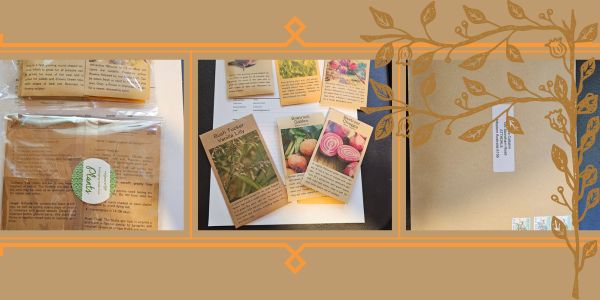
Not only are our seeds packed in recycled paper envelopes, we keep the theme going when we post out website orders. To protect your seeds from moisture and the letter box munchers (snails), we use a very special plastic free material made from plants. They are then put into recycled mailing envelopes. Green all the way ????????
Delivery Guarantee
We take great care to make sure your seeds arrive safely. If your order is lost or damaged in transit, we’ll happily send a replacement. Unfortunately, we can’t replace or refund orders that arrive later than the estimated delivery date, as delays can sometimes occur that are outside our control.
Please note that all dispatch and delivery times listed are estimates only. While we do our best to post promptly, delivery timeframes can vary due to postal service delays, weather events, or other unforeseen circumstances. We’re unable to take responsibility for any loss, damage, or cost that results from a late delivery.
An order is not considered missing until at least 20 business days have passed from the postage date. You’ll receive an email once your seeds have been posted, letting you know they’re on their way. If you don’t see it in your main inbox, please check your Spam or Promotions folders as sometimes our emails like to hide there.
See all our verified customer reviews on our official CusRev profile.
Refund received
See all our verified customer reviews on our official CusRev profile.