







Echinacea
$4.95
Echinacea Purpurea
- Seed count 50
- Purple Cone Flower
- Annual
- Height 1 m
In stock
Description
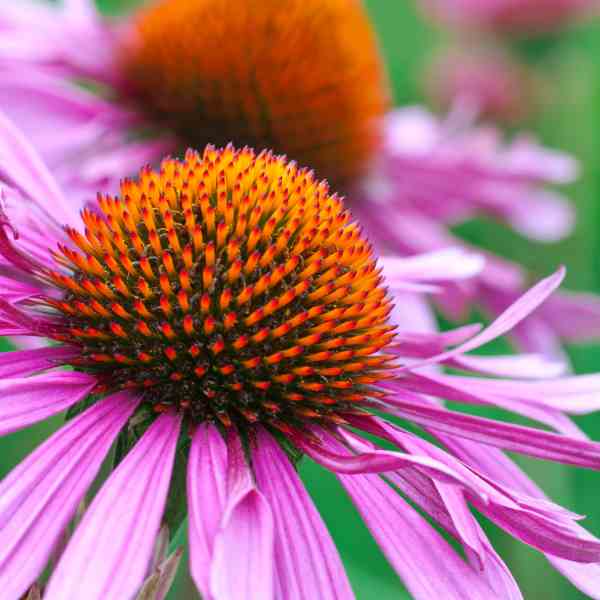
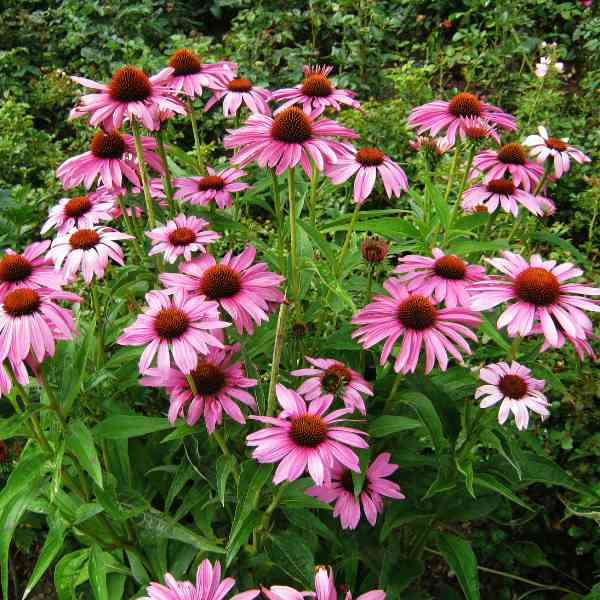
Whether you’re building a pollinator paradise, filling a summer border, or brewing up a cup of herbal tea, Echinacea brings something special to the patch. From early summer right through to the tail end of autumn, this hardy perennial throws up strong, upright stems topped with large, daisy-like flowers in soft pinks and purples.
These blooms go the distance, starting in early summer and keeping on well into the cooler months. And even when the petals begin to fade, those central cones hold their structure and can look stunning left on the plant to dry. Echinacea has a neat, upright habit, which makes it perfect for popping into borders, perennial beds, or even containers if you’re tight on space. Mix it with grasses, salvias, yarrow, or rudbeckia for a layered, textural planting that hums with life.
From bees to butterflies, hoverflies to ladybirds, its nectar-rich blooms are like a flashing welcome sign for pollinators. The sturdy cones are easy for insects to land on, making them ideal feeding platforms even in breezy conditions. That makes echinacea a fantastic companion plant too, supporting a thriving ecosystem in your garden and helping your veggies and fruit trees along the way.
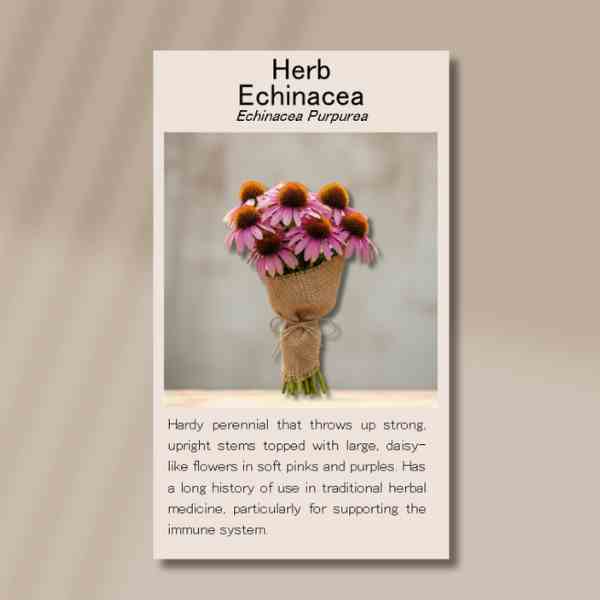
And if you’re growing for the vase, echinacea should absolutely be on your list. The flowers are sturdy, long-lasting, and beautifully architectural and their soft colouring pairs wonderfully with other summer stars like zinnias, cosmos, and celosia, while that distinctive centre adds visual interest and depth. They dry well too, which means you can preserve their beauty for dried arrangements or craft projects well after summer’s passed.
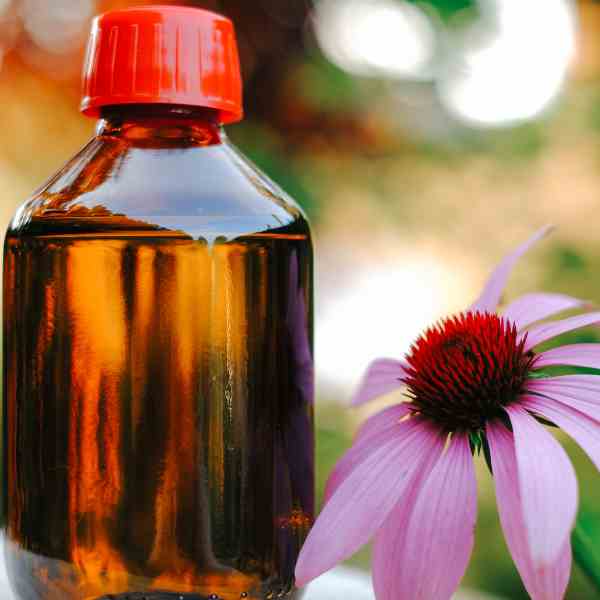
For those with a bent for natural remedies, Echinacea has a long history of use in traditional herbal medicine, particularly for supporting the immune system. While the roots are most commonly used in tinctures and decoctions, the dried flower heads can also be steeped to make a gentle herbal tea. The flavour is earthy, a little floral, and grounding and lovely with a bit of lemon or honey. Whether you sip it when you’re under the weather or simply as a moment of peace in your day.
Its an adaptable and resilient plant and once established, it’s fairly drought tolerant and low-maintenance, which means you’ll spend more time enjoying it and less time fussing over it. If you’re trying to create a water-wise garden that still feels colourful and inviting, echinacea is one of those plants that strikes the balance beautifully. It brings softness and warmth without needing constant attention.
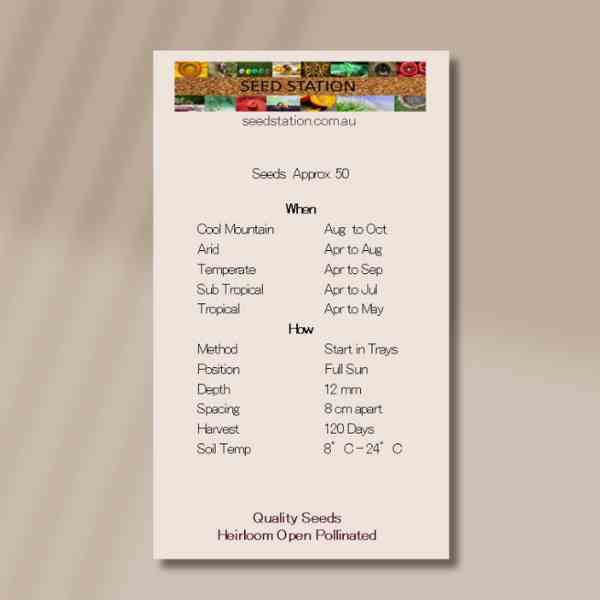
| Method: Start in trays | Soil Temp: 8°C - 24°C |
| Cool Mountain: Nov - Dec | Position: Full sun |
| Arid: Aug - Jan | Row Spacing: 30cm apart |
| Temperate: Sep-Nov, Mar-Jun | Planting Depth: 3 mm |
| Sub Tropical: May - Oct | Harvest: 120 days |
| Tropical: Jun - Aug | Plant Height: 1m |
🌸 Echinacea Grow Guide
🌱 Overview
Echinacea, also known as coneflower, is a hardy flowering perennial grown for its bold daisy-like blooms, raised cone centres, strong stems, and excellent value for bees, butterflies, and beneficial insects. Flowers are most commonly purple-pink, but garden forms may also appear in white, orange, yellow, red, cream, and soft blended shades.
Echinacea is a beautiful choice for cottage gardens, perennial borders, pollinator patches, meadow-style plantings, cut flower beds, herb gardens, and low-maintenance ornamental spaces. Once established, it becomes tough, drought tolerant, and long flowering, but young plants need patience while they build strong roots.
It is often grown as an ornamental and herbal plant. The flowers, leaves, and roots have a long history of herbal use, but home use should be approached carefully. Grow it mainly for flowers, pollinators, seed saving, and garden beauty unless you are confident in safe herbal preparation.
🌾 Sowing in Trays Versus Direct Sowing
Echinacea can be grown by sowing in trays or by direct sowing, but tray sowing is usually the most reliable method. Seed can be slow and uneven to germinate, and young seedlings are easier to protect in a controlled space. Starting in trays also allows you to manage moisture, drainage, light, and any seed pretreatment more carefully.
To sow in trays, fill a punnet, cell tray, or small pot with fine, free-draining seed-raising mix. Moisten the mix first, then sow seed about 3 to 5 mm deep. Cover lightly with fine mix or vermiculite and water gently with a mist spray or from below. Keep the mix evenly moist but not soggy. Once seedlings have several true leaves and are sturdy enough to handle, pot them on individually before planting out.
Direct sowing can work in a finely prepared, weed-free bed, but it is less dependable. Seed may dry out, wash away, be eaten, or be overtaken by weeds before seedlings become strong. If direct sowing, sow shallowly, cover lightly, water gently, and keep the area protected until seedlings are established.
Best method: tray sowing is recommended because echinacea seed often germinates more reliably with controlled moisture and careful handling.
❄️ Seed Pretreatment
Echinacea seed often benefits from a cold moist treatment before sowing. This is not always essential, but it can improve germination and make seedlings emerge more evenly.
To do this, place the seed in a labelled container or zip bag with slightly damp seed-raising mix, vermiculite, or paper towel. The material should be damp, not wet. Keep it cool for 2 to 4 weeks, then sow the seed into trays as normal.
If you prefer a simpler approach, sow the seed directly into trays without treatment and be patient. Germination may still occur, but it may be slower or more uneven.
Do not soak echinacea seed for long periods. Overly wet seed can rot. No scarifying or smoke treatment is normally required.
🪴 Soil and Position
Echinacea grows best in full sun with open airflow. Strong light encourages sturdy stems, strong flowering, and compact growth. Plants grown in too much shade may become tall, weak, and less floriferous.
The soil should be well drained and moderately fertile. Echinacea does not need overly rich soil. A light loam, sandy loam, raised bed, improved garden soil, or open perennial border is ideal. It dislikes waterlogged ground, especially while young.
If the soil is heavy clay, improve drainage before planting or grow echinacea in a raised mound or raised bed. Compost can be added before planting, but avoid excessive manure or strong nitrogen feeding, as this can create soft leafy growth with fewer flowers.
For pots, use a deep container with drainage holes and a quality potting mix. Add coarse sand, perlite, or fine gravel if the mix holds too much moisture. Potted echinacea needs regular watering but should never sit in water.
🌿 Care and Maintenance
Echinacea needs steady care while young, then becomes much tougher once established. Keep seedlings evenly moist while they develop, but avoid soggy conditions. After planting out, water deeply to encourage roots to move down into the soil.
Once plants are established, water less often but more deeply. Echinacea is more tolerant of dry conditions than many flowering plants, but flowering is better when plants do not suffer repeated drought stress.
Mulch lightly around the base with straw, fine bark, composted leaves, or gravel. Keep mulch away from the crown so the centre of the plant does not stay wet. This helps prevent rot and improves airflow.
Feed lightly. A small amount of compost or a mild balanced flower fertiliser is usually enough. Too much nitrogen can reduce flowering and make plants floppy.
Deadhead spent blooms to encourage more flowers and keep plants tidy. However, leave some seed heads standing if you want to save seed or provide food for small birds. The cone centres also add attractive structure after the petals fade.
Tall plants may need support in windy positions. Use discreet stakes, twiggy branches, or surrounding plants to hold stems upright.
🌼 Companion Planting Guide
Echinacea is an excellent companion for pollinator-friendly gardens. Its open flowers attract bees, butterflies, hoverflies, and other beneficial insects, while the seed heads can support birds.
Good companions include lavender, rosemary, thyme, oregano, sage, yarrow, salvia, calendula, alyssum, cornflower, cosmos, zinnia, marigold, catmint, chamomile, ornamental grasses, tomatoes, capsicum, eggplant, beans, peas, strawberries, parsley, dill, and coriander.
In flower beds, echinacea looks beautiful with grasses, salvias, yarrow, zinnias, cosmos, and lavender. In edible gardens, it can be planted along borders to bring pollinators close to fruiting crops.
Avoid planting echinacea beside moisture-loving plants that need constantly wet soil. Mint, celery, watercress, and heavily irrigated leafy greens are not ideal neighbours. Also avoid placing it where pumpkins, melons, or vigorous vines will smother the crown.
✂️ How to Harvest
Echinacea can be harvested for fresh flowers, dried flowers, seed heads, pollinator stems, and seed saving.
For fresh cut flowers, harvest when petals have opened and the central cone is firm. Pick in the morning once the foliage is dry. Use clean snips and cut stems just above a leaf joint. Remove lower leaves before placing stems in water.
For dried flowers, cut blooms when they are fully open but still fresh. Hang small bunches upside down in a dry, shaded, airy place. The cones can also be dried separately for decorative use.
For seed heads, leave selected flowers on the plant until the cone dries and turns brown. The seed is held within the prickly cone, so gloves are useful when handling dry heads.
If harvesting for herbal use, only use healthy, unsprayed plants and seek reliable guidance before preparing or consuming any part of the plant.
⚠️ Common Issues and Fixes
| Issue | Likely Cause | Fix |
|---|---|---|
| Poor germination | Seed needs cool treatment, old seed, deep sowing, or uneven moisture | Use fresh seed, sow shallowly, keep evenly moist, and try cold moist treatment |
| Seedlings collapse | Soggy mix, poor airflow, or damping off | Use clean seed mix, avoid overwatering, and improve ventilation |
| Leggy seedlings | Not enough light or overcrowding | Move to brighter light and thin or pot on early |
| Seedlings disappear | Slugs, snails, ants, birds, or heavy rain | Start in trays and protect young plants |
| Slow growth | Normal early root-building stage, low light, or poor soil | Be patient, provide full sun, and feed lightly |
| Yellow leaves | Waterlogging, nutrient stress, or old lower foliage | Improve drainage, feed gently if needed, and remove tired leaves |
| Few flowers | Too much shade, excess nitrogen, or immature plants | Grow in full sun, avoid heavy feeding, and allow plants to establish |
| Plants flop over | Shade, rich soil, wind, or weak stems | Provide more sun, reduce feeding, and support tall stems |
| Crown rot | Wet soil or mulch against the crown | Improve drainage and keep mulch away from the plant centre |
| Powdery mildew | Poor airflow, crowding, or moisture stress | Space plants well, water at soil level, and remove affected leaves |
| Aphids | Soft new growth or stressed plants | Hose off gently, encourage ladybirds, and avoid excess nitrogen |
| Caterpillar damage | Chewing larvae feeding on leaves or flowers | Inspect regularly and remove caterpillars by hand |
| Flowers fade quickly | Heat stress, old blooms, or lack of water | Water deeply during dry spells and deadhead spent flowers |
| Seed heads mould | Damp conditions or poor drying | Harvest only dry heads and finish drying in an airy shaded place |
🌰 Detailed Seed Saving Guide
To save echinacea seed, choose the healthiest plants with strong stems, good flower colour, long flowering, sturdy growth, and no serious pest or disease problems. Avoid saving seed from weak, floppy, diseased, or poorly flowering plants.
Leave selected flowers on the plant after the petals fade. The central cone will continue to mature and dry. Seed is ready when the cone is brown, dry, firm, and slightly prickly. Do not collect from soft, green, damp, or mouldy heads.
When the seed heads are dry, cut them with a short stem attached and place them in a paper bag. Keep the bag in a dry, shaded, airy place for several days so the heads finish drying completely.
Once dry, wear gloves and gently break apart the cone over a tray, bucket, or large sheet of paper. The seed will be mixed with prickly chaff. Rub carefully, then separate the heavier seed from the lighter debris by sieving or gentle blowing.
Spread the cleaned seed on a plate or tray for another week to ensure it is fully dry. Store it in a labelled paper envelope inside an airtight jar. Keep it somewhere cool, dark, and dry. Add a silica gel sachet if humidity is an issue.
Label the packet with the plant name, flower colour, plant height, collection date, and notes such as “strong stems”, “best purple flowers”, “long flowering”, or “good pollinator plant”.
Seed-grown echinacea may show variation in height, colour, flower shape, and vigour, especially if several colours grow close together. This can be beautiful in informal gardens, but for best results, save seed from the plants that show the traits you value most.
🌸 Final Thoughts
Echinacea is a strong, beautiful, and useful perennial for gardeners who want colour, pollinator support, cut flowers, dried seed heads, and easy seed saving. It may take patience from seed, but once established it becomes hardy and dependable.
For best results, start seed in trays, use cold moist treatment if germination is unreliable, sow shallowly, grow in full sun, plant into well-drained soil, avoid overfeeding, deadhead for more flowers, and save seed from the strongest plants. With simple care, echinacea becomes a long-lasting feature in borders, herb gardens, pollinator patches, and cut flower beds.
6 reviews for Echinacea
| 5 star | 100% | |
| 4 star | 0% | |
| 3 star | 0% | |
| 2 star | 0% | |
| 1 star | 0% |

Postage Charge
Orders under $35 attract a $4.95 shipping charge. Orders $35 and above have free shipping.
Order Times
Seed orders are normally dispatched within three business days. You will receive an email when seeds are mailed out.
Postage Days
Seeds are mailed out Tuesday to Friday at 1pm. Except for the Friday of long weekends.
Postage Times
WA 2-3 Days: SA,NT 3-5 Days: NSW, ACT, QLD, VIC: 5-7 Days
Carrier
We use Australia Post Letter Postage for the majority of orders
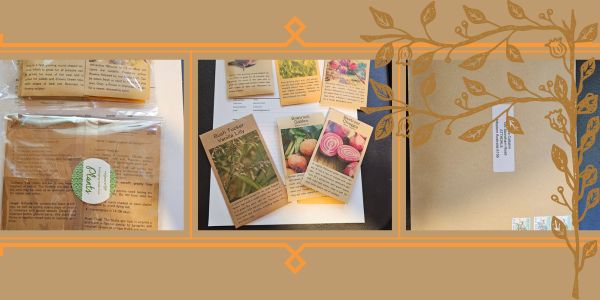
Not only are our seeds packed in recycled paper envelopes, we keep the theme going when we post out website orders. To protect your seeds from moisture and the letter box munchers (snails), we use a very special plastic free material made from plants. They are then put into recycled mailing envelopes. Green all the way ????????
Delivery Guarantee
We take great care to make sure your seeds arrive safely. If your order is lost or damaged in transit, we’ll happily send a replacement. Unfortunately, we can’t replace or refund orders that arrive later than the estimated delivery date, as delays can sometimes occur that are outside our control.
Please note that all dispatch and delivery times listed are estimates only. While we do our best to post promptly, delivery timeframes can vary due to postal service delays, weather events, or other unforeseen circumstances. We’re unable to take responsibility for any loss, damage, or cost that results from a late delivery.
An order is not considered missing until at least 20 business days have passed from the postage date. You’ll receive an email once your seeds have been posted, letting you know they’re on their way. If you don’t see it in your main inbox, please check your Spam or Promotions folders as sometimes our emails like to hide there.

See all our verified customer reviews on our official CusRev profile.
See all our verified customer reviews on our official CusRev profile.
See all our verified customer reviews on our official CusRev profile.
See all our verified customer reviews on our official CusRev profile.
Flowered beautifully
See all our verified customer reviews on our official CusRev profile.