








Cosmos Seashells Mix
$4.95
Cosmos Bipinnatus
- Seed Count 250
- Unusual Tubular Petals
- Annual
- Height 80 cm
In stock
Description
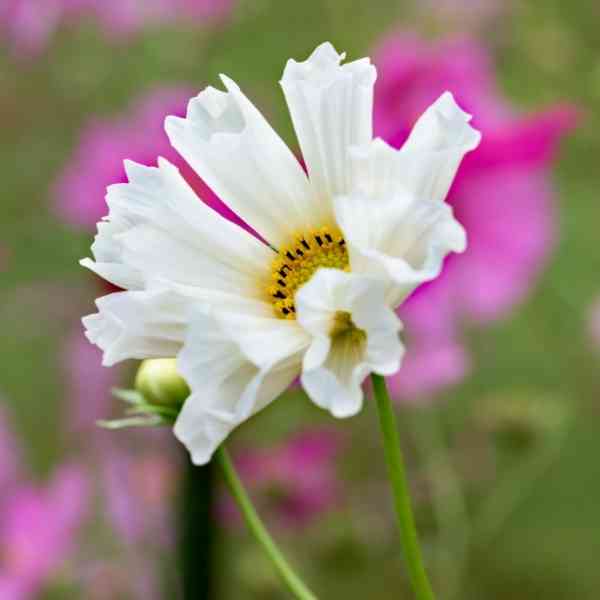
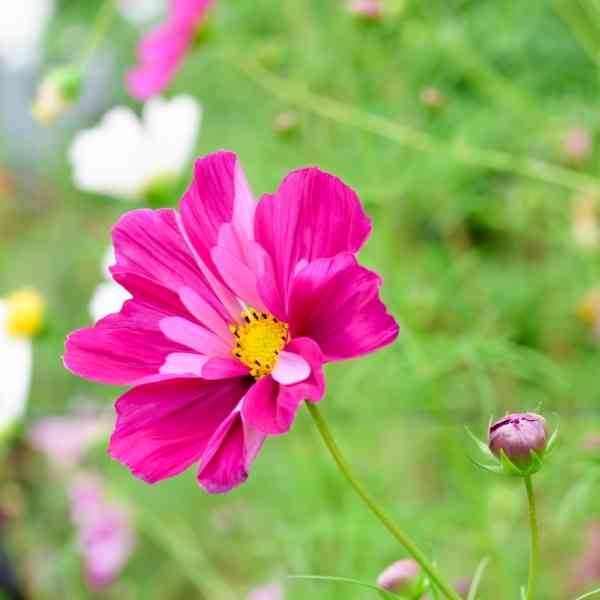
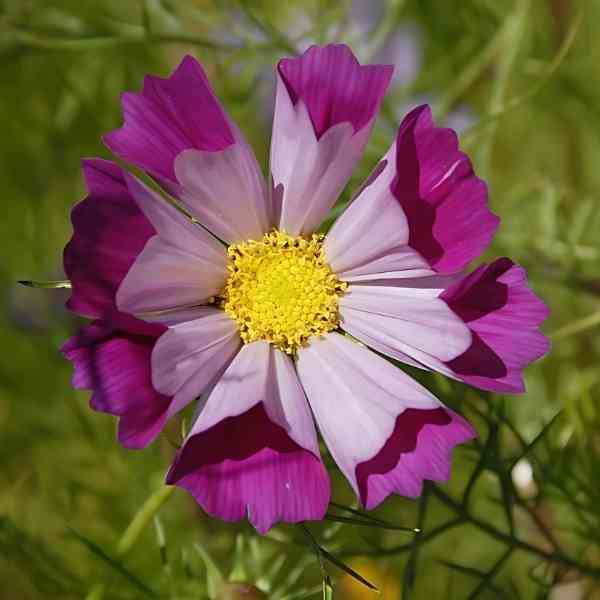
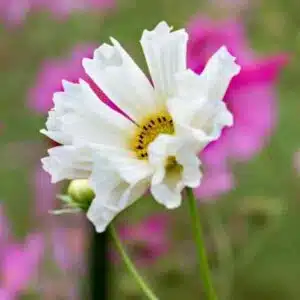
Cosmos Seashells Mix is not your everyday flower. It’s flower petals are delicately rolled into a fluted, tubular form, not unlike the gentle spirals of an actual seashell in a pastel palette of soft pinks, creamy whites, delicate rose, rich carmine, and the occasional splash of bicolour combination.
As a half-hardy annual, it makes a seasonal appearance but makes the most of its time. It grows to around 80cm, making it a great pick for adding height and movement in borders or larger garden beds. With feathery, fern-like foliage below and those fluted blooms dancing above, it adds a lovely sense of softness and texture, no matter how formal or casual your garden layout might be.
Like its Cosmos cousins, this variety is tough, adaptable, and surprisingly drought-tolerant once established. It loves the sun and won’t throw a tantrum over poor soil. In fact, it often thrives where more pampered flowers would refuse to perform. Once it gets going, it blooms and blooms, often from early summer right through to the tail end of the season.
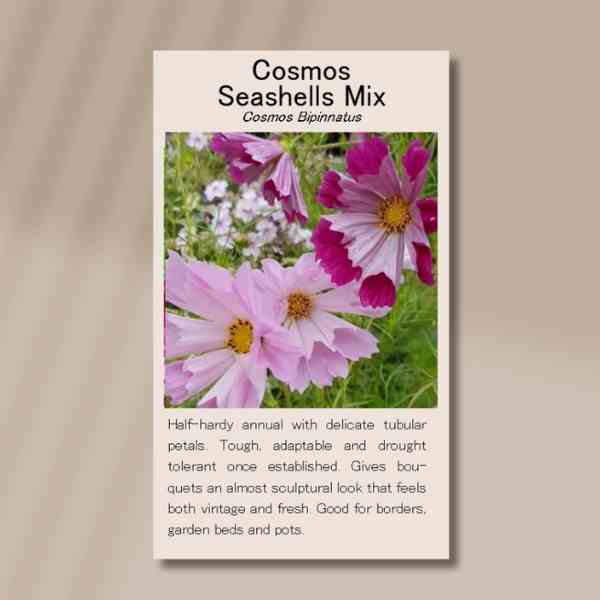
If you’re the sort of gardener who likes to bring a bit of the outdoors inside, Cosmos Seashells Mix is a must-have. The texture of those seashell-like petals gives bouquets an almost sculptural look, especially when paired with other soft-stemmed flowers like Zinnias or Dahlias. There’s a delicacy about them that feels both vintage and fresh, making them just as lovely in a mason jar on the kitchen table as they are in a formal bouquet.
They’re also a good one for beginner gardeners or anyone who likes things to be low-maintenance but still rewarding. This is the kind of plant that pretty much just gets on with it, asking very little in return. And because of that, it’s a great choice for those dipping their toes into seed sowing or border planning for the first time.
And while we’re not diving into growing tips here, it’s safe to say that this is one of the most generous performers in terms of flowers per square metre. That makes it not only beautiful but economical, too. A few packets of seed can give you a garden bed full of colour for months, something that appeals to both the budget-conscious and the beauty-loving gardener.
In short, Cosmos Seashells Mix is a garden gem: a variety that combines unusual beauty, generous flowering, and true ease of growth. It’s perfect for gardeners who want something a little different but still deeply practical. Whether you’re sowing for a summer full of blooms, creating a cutting patch, or just looking to add something special to your borders, this is a flower that won’t let you down.
| Method: Sow direct or seedlings | Soil Temp: 10°C - 25°C |
| Cool Mountain: Nov - Dec | Position: Part sun |
| Arid: Aug - Jan | Row Spacing: 30cm apart |
| Temperate: Sep-Nov, Mar-Jun | Planting Depth: 3 mm |
| Sub Tropical: May - Oct | Harvest: 90 days |
| Tropical: Jun - Aug | Plant Height: 80cm |
🌼 Cosmos Grow Guide
Cosmos is a bright, easy-growing annual flower loved for its open daisy-like blooms, fine feathery foliage, and long-lasting garden display. It is one of the best flowers for beginners because it germinates readily, grows quickly, and flowers generously with very little fuss. Cosmos suits cottage gardens, wildflower-style beds, pollinator patches, borders, cut-flower gardens, and large containers.
The flowers can appear in shades of pink, white, crimson, rose, orange, yellow, and soft mixed tones depending on the type. Cosmos brings a relaxed, airy look to the garden and is excellent for attracting bees, butterflies, hoverflies, and other beneficial insects.
🌱 Sowing in Trays Versus Direct Sowing
Cosmos can be grown by both direct sowing and tray sowing, but direct sowing is usually the best method where the soil is prepared and conditions are suitable. Cosmos germinates easily, grows quickly, and develops best when it can establish without root disturbance.
To direct sow, prepare a weed-free bed with fine, crumbly soil. Scatter or place the seeds thinly, cover lightly with about 5 mm of soil, and water gently. Keep the soil lightly moist until seedlings appear. Once seedlings are large enough to handle, thin them so each plant has enough room to branch and flower well.
Tray sowing is also useful if you want better control over early growth or need to protect seedlings from pests. Use a seed-raising mix, sow seeds shallowly, cover lightly, and keep the mix moist but not soggy. Transplant seedlings while they are still young and before they become root-bound. Handle them gently and disturb the roots as little as possible.
For most gardeners, direct sowing is preferred, but tray sowing is a good backup when pests, weeds, or poor soil preparation may make direct sowing less reliable.
🌾 Seed Pre-Treatment
Cosmos seed does not require special pre-treatment. There is no need for soaking, chilling, or scarifying.
The main keys to success are fresh seed, shallow sowing, warmth, and steady moisture during germination. Avoid burying the seed too deeply, as this can reduce germination. Also avoid overwatering, as constantly wet soil can cause seed to rot.
🌞 Soil and Position
Cosmos grows best in full sun. A bright, open position encourages strong stems, plenty of flowers, and compact, healthy growth. In too much shade, plants may become tall, weak, and less floriferous.
The soil should be free-draining and moderately fertile. Cosmos does not need rich soil, and overly fertile conditions can lead to lush leafy growth with fewer flowers. If the soil is very poor, mix in a small amount of compost before sowing or planting. If the soil is heavy clay, improve drainage with compost and consider raising the bed slightly.
Avoid heavy feeding and rich manure. Cosmos performs best when it is not overindulged. In containers, use a quality potting mix and choose a pot large enough to support the plant’s height and branching habit. Taller types may need a heavier pot to prevent tipping in wind.
💧 Care and Maintenance
Cosmos is low maintenance once established. Water regularly while seedlings are young, then water deeply when the soil begins to dry. Mature plants can tolerate short dry spells, but consistent moisture supports better flowering and healthier growth.
Thin or space plants well so air can move through the foliage. Crowded plants may stretch, lean, or develop fungal issues. Taller varieties may need light staking, especially in windy positions or rich soil where growth becomes soft and tall.
Pinching young plants can encourage bushier growth. When seedlings have several sets of leaves, pinch out the growing tip to promote side shoots. This usually creates a fuller plant with more flowering stems.
Deadheading is very important if you want a long flowering display. Remove spent blooms before they form seed heads. This encourages the plant to keep producing new flowers. If you want to save seed, leave some of the best flowers on healthy plants to mature fully.
Feeding should be minimal. If plants look pale or weak, apply a light balanced feed, but avoid high-nitrogen fertilisers because they can reduce flowering.
🐝 Companion Planting Guide
Cosmos is an excellent companion flower because it attracts pollinators and beneficial insects while adding height and movement to the garden. Its open flowers are easy for insects to access, and its soft foliage blends well with vegetables, herbs, and other flowers.
Good companions include alyssum, calendula, cornflower, marigold, nasturtium, zinnia, sunflower, snapdragon, sweet pea, basil, parsley, chives, tomatoes, capsicum, cucumber, beans, lettuce, and carrots.
Cosmos is especially useful near vegetable beds because it helps draw in bees and hoverflies. Hoverflies are valuable because their larvae can help reduce aphid numbers. Cosmos also looks beautiful planted behind lower-growing flowers, along fences, or through informal garden beds.
Avoid planting cosmos where it will shade smaller sun-loving plants too heavily. Also avoid very rich beds intended for leafy crops, as cosmos may grow too lush and produce fewer flowers.
✂️ How to Harvest
For cut flowers, harvest cosmos when the petals have just opened or are almost fully open. Pick in the cooler part of the day using clean, sharp snips. Cut stems long, just above a leaf joint, to encourage more side shoots and flowers.
Place stems straight into clean water and remove any leaves that would sit below the waterline. Change the water regularly to improve vase life. Cosmos flowers are delicate, so handle them gently and avoid crushing the stems.
For seed harvesting, allow selected flowers to remain on the plant until the centre dries and the seeds become firm, dark, and narrow. Harvest before the seeds fall naturally.
⚠️ Common Issues and Fixes
| Issue | Likely Cause | Fix |
|---|---|---|
| Poor germination | Seed buried too deeply, old seed, soil too dry | Use fresh seed, sow shallowly, keep soil lightly moist |
| Seed rotting | Overwatering or poorly drained soil | Improve drainage and avoid soggy conditions |
| Leggy seedlings | Not enough light or overcrowding | Grow in stronger light and thin seedlings early |
| Lots of leaves but few flowers | Soil too rich or too much nitrogen | Avoid heavy feeding and reduce fertiliser |
| Plants falling over | Wind, rich soil, weak stems, overcrowding | Stake tall plants, space well, avoid excess feeding |
| Short flowering period | Spent blooms left to seed | Deadhead regularly to encourage more flowers |
| Yellowing leaves | Waterlogging, poor nutrition, or old lower leaves | Improve drainage, feed lightly if needed, remove tired leaves |
| Aphids | Soft new growth attracting sap-sucking insects | Hose off gently, encourage beneficial insects, use insecticidal soap if needed |
| Powdery mildew | Poor airflow, stress, crowded plants | Space plants well, water at soil level, remove affected foliage |
| Caterpillar damage | Chewed leaves or flower buds | Inspect regularly and hand-pick caterpillars |
| Poor flowering in shade | Not enough direct sun | Grow in a brighter, more open position |
| Unwanted self-sown seedlings | Seed heads left to mature and drop | Deadhead before seeds ripen or collect seed promptly |
🌰 Detailed Seed Saving Guide
Saving cosmos seed is simple and very rewarding. Choose the healthiest plants with the strongest growth, best flower colour, and most desirable shape. Avoid saving seed from weak, diseased, or poorly flowering plants.
Allow selected flowers to remain on the plant after blooming. The petals will fade and drop, and the centre of the flower will begin to dry. As the seed matures, it becomes long, narrow, firm, and darker in colour. Do not collect seed while it is still soft or pale, as immature seed may not store or germinate well.
When the seed heads are dry, hold a paper bag or container underneath and gently rub or pull the seeds free. You can also cut the dry seed heads and place them in a paper bag to finish drying indoors. Keep them in a dry, airy, shaded place for several days.
Once fully dry, separate the seed from the chaff by hand. Spread the cleaned seed on paper for a few extra days to make sure all moisture has gone. This step is important because stored seed can mould if packed away while still damp.
Store the seed in a labelled paper envelope or small airtight jar. Write the plant name, flower colour, and collection date on the label. Keep seed in a cool, dark, dry place. For best results, save seed from several strong plants rather than only one, as this helps maintain vigour in future plantings.
If different cosmos types are growing close together, saved seed may produce some variation in flower colour, height, or shape. This can be part of the fun if you enjoy surprise colours in future gardens.
🌸 Final Thoughts
Cosmos is one of the easiest and most cheerful flowers to grow from seed. It asks for little more than sun, free-draining soil, light watering, and regular deadheading. Direct sowing is usually the best method because the seed germinates readily and the plants grow strongly where they are sown.
With simple care, cosmos will reward you with airy foliage, bright flowers, excellent pollinator activity, and plenty of seed to collect for future planting. It is a generous, forgiving flower that brings movement, colour, and life to almost any garden space.

Postage Charge
Orders under $40 attract a $5.50 shipping charge. Orders $35 and above have free shipping.
*** We cannot deliver to Parcel Lockers ***
Order Times
Seed orders are normally dispatched within three business days. You will receive an email when seeds are mailed out.
Postage Days
Seeds are mailed out Tuesday to Friday at 1pm. Except for the Friday of long weekends.
Postage Times
WA 2-3 Days: SA,NT 3-5 Days: NSW, ACT, QLD, VIC: 5-7 Days
Carrier
We use Australia Post Letter Postage for the majority of orders.
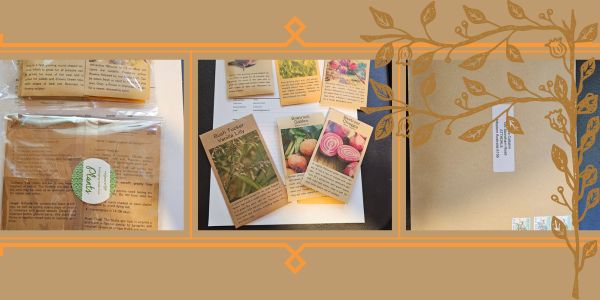
Not only are our seeds packed in recycled paper envelopes, we keep the theme going when we post out website orders. To protect your seeds from moisture and the letter box munchers (snails), we use a very special plastic free material made from plants. They are then put into recycled mailing envelopes. Green all the way ????????
Delivery Guarantee
We take great care to make sure your seeds arrive safely. If your order is lost or damaged in transit, we’ll happily send a replacement. Unfortunately, we can’t replace or refund orders that arrive later than the estimated delivery date, as delays can sometimes occur that are outside our control.
Please note that all dispatch and delivery times listed are estimates only. While we do our best to post promptly, delivery timeframes can vary due to postal service delays, weather events, or other unforeseen circumstances. We’re unable to take responsibility for any loss, damage, or cost that results from a late delivery.
An order is not considered missing until at least 20 business days have passed from the postage date. You’ll receive an email once your seeds have been posted, letting you know they’re on their way. If you don’t see it in your main inbox, please check your Spam or Promotions folders as sometimes our emails like to hide there.
Reviews
There are no reviews yet