



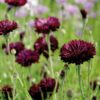

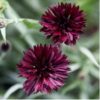


Cornflower Black Ball
$4.95
Centaurea Cyanus
- Seed count 250
- Dark Double Flowers
- Annual
- Height 80 cm
Only 15 left in stock
Description
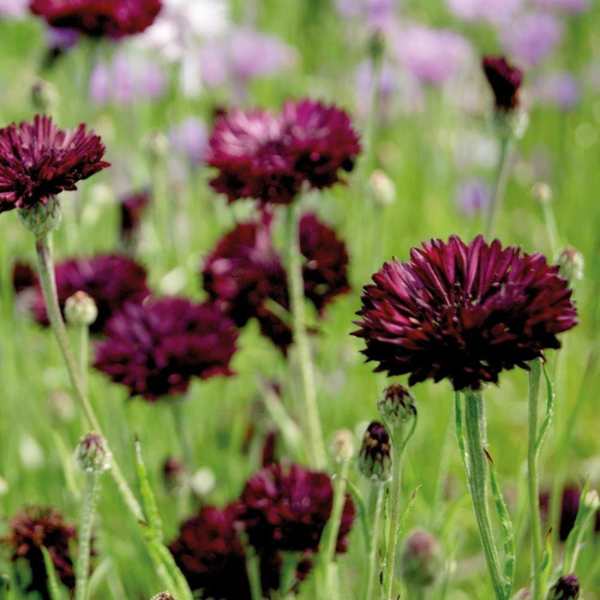
Black Cornflowers are set it apart from the more common cornflower blues and pinks, giving any garden a sophisticated, almost mysterious touch. Whether planted in a border, scattered through a cottage-style meadow, or grown as a stand-alone specimen, Black Cornflower brings elegance, contrast, and texture with a timeless charm that is hard to match.
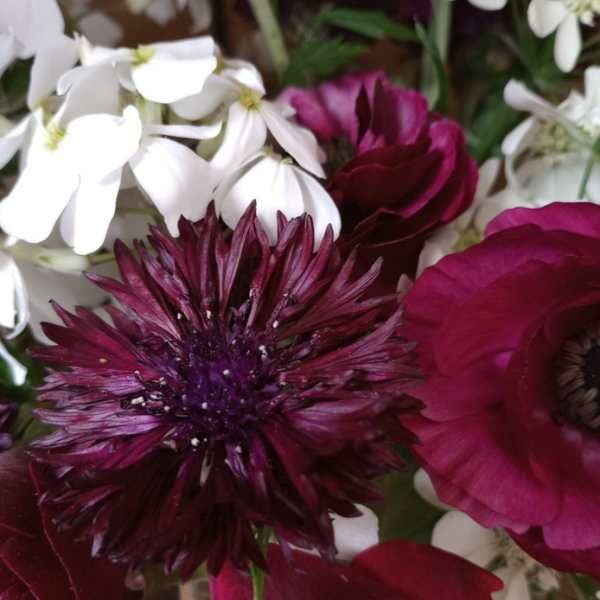
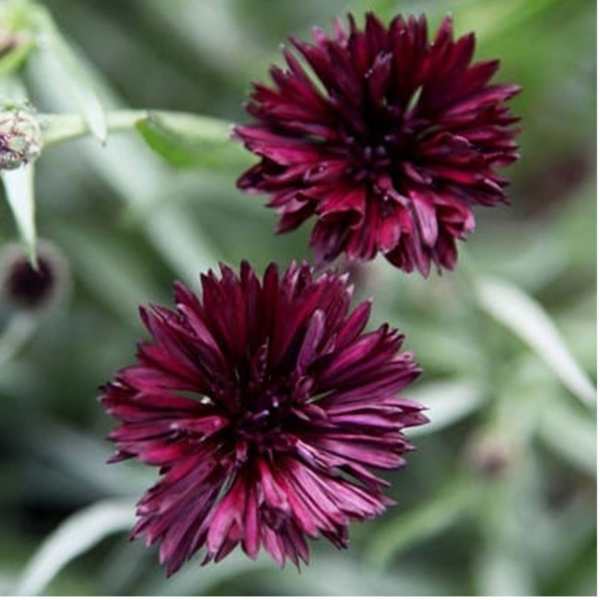
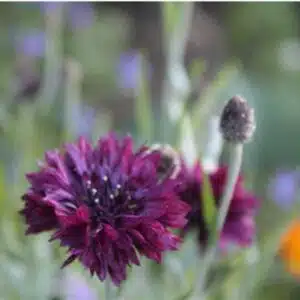
The first thing you notice about Black Cornflower is its flowers. They are small but bold, each bloom forming a dense cluster of pointed petals that resemble a spiky pincushion. On sunny days, the petals reveal a subtle richness in the maroon tones, and on overcast days, they appear nearly black, creating a dramatic effect against the greenery of the garden.
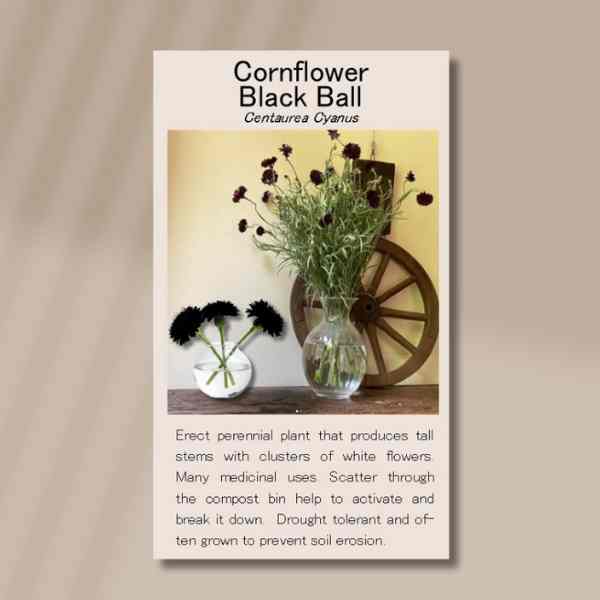
The stems of Black Cornflower are long and wiry, which not only gives the plant a graceful, upright form but also makes it ideal as a cut flower. In the vase, the blooms retain their colour and form for days, adding dramatic contrast and structure to floral arrangements. Their longevity and unique colour make them a favourite among florists and home gardeners alike. Even when picked, the flowers seem to retain a vitality that few other annuals can match, brightening indoor spaces with their almost ethereal deep tones.
The versatility of Black Cornflower extends beyond the garden and vase. The petals are edible and can be used to add a splash of colour and a delicate texture to salads, omelettes, or even pasta dishes. Chefs and home cooks alike have embraced them as a natural garnish, offering visual appeal and a touch of old-fashioned elegance. There is a subtle, slightly sweet flavour to the petals, which makes them pleasant to eat on their own or blended with other ingredients. In this way, the plant is not just ornamental but also functional, providing beauty and utility in equal measure.
The foliage of Black Cornflower is another understated delight. Fine and feathery, it forms a soft green backdrop that contrasts beautifully with the dramatic blooms. The leaves are delicate in texture but tough enough to support the profusion of flowers on tall, slender stems. This combination of strong stems and soft foliage gives the plant a balanced, airy appearance, making it a natural companion to other cottage garden favourites like poppies, larkspur, or calendula. Its upright habit also ensures it mixes well with grasses or taller perennials, providing a textural bridge that helps unify diverse planting schemes.
As an easily grown annual, it has a hardy nature that allows it to thrive in a variety of garden conditions. It prefers full sun and a rich, well-drained soil, producing flowers that are resilient to wind and rain. Even gardeners who are new to flower growing can appreciate the simplicity of Black Cornflower, as it rewards minimal fuss with maximum visual impact. Its ability to perform consistently year after year makes it a staple for cottage garden plantings and formal borders alike.
| Method: Sow direct | Soil Temp: 10°C - 25°C |
| Cool Mountain: Nov - Dec | Position: Part sun |
| Arid: Aug - Jan | Row Spacing: 30cm apart |
| Temperate: Sep-Nov, Mar-Jun | Planting Depth: 3 mm |
| Sub Tropical: May - Oct | Harvest: 70 days |
| Tropical: Jun - Aug | Plant Height: 80cm |
🌼 Cornflower Grow Guide
🌱 Overview
Cornflower is a charming, easy-going annual flower grown for its vivid blue, pink, purple, white, or burgundy blooms and its soft, meadow-style appearance. It is loved in cottage gardens, wildflower patches, pollinator beds, cut flower gardens, borders, and pots. The flowers are highly attractive to bees, hoverflies, butterflies, and other beneficial insects, making cornflower a useful plant for both beauty and garden health.
Cornflower is also valued as a cut flower and dried flower. The petals are edible when grown without sprays and can be used sparingly to decorate salads, cakes, herbal teas, butter, and desserts. The flavour is mild, so the main appeal is colour and presentation.
This is a forgiving seed to grow, especially in open soil with good light and drainage. It dislikes being overfed, overcrowded, or kept too wet. Once established, cornflower is relatively low maintenance and often flowers generously with simple care.
🌾 Sowing in Trays Versus Direct Sowing
Cornflower can be grown successfully in trays or by direct sowing, but direct sowing is usually the best method. It has a root system that prefers to grow without disturbance, and plants often become stronger, straighter, and more resilient when sown where they are to flower.
To direct sow, prepare a weed-free garden bed with fine, crumbly soil. Scatter or place the seeds thinly, then cover with about 5 to 10 mm of soil. Water gently with a soft spray so the seed is not washed away. Keep the soil lightly moist until seedlings appear. Once seedlings are large enough to handle, thin them so each plant has enough space to branch and flower well.
Tray sowing is still useful if you need to protect young seedlings from slugs, snails, birds, ants, heavy rain, or competition from weeds. Use individual cells or small pots rather than a crowded punnet, as this reduces root disturbance. Transplant seedlings while they are still young and compact, before they become root-bound.
Best method: direct sowing is recommended for the strongest plants and easiest growing. Tray sowing is helpful where pest pressure is high or garden beds are not ready.
💧 Seed Pretreatment
Cornflower seed does not require pretreatment. No soaking, chilling, scarifying, or smoke treatment is needed. Fresh seed, shallow sowing, and steady moisture are enough for good germination.
Avoid soaking for long periods, as wet seed can become difficult to sow evenly. The most common germination problems come from old seed, seed being buried too deeply, soil drying out before germination, or the seedbed becoming waterlogged.
🪴 Soil and Position
Cornflower grows best in full sun with open airflow. A sunny position encourages strong stems, more flowers, and better colour. Plants grown in too much shade may become tall, weak, and floppy.
The soil should be well drained and moderately fertile. Cornflower does not need rich soil. In fact, overly rich soil can create lush leafy growth with fewer flowers and weaker stems. Light loam, sandy loam, raised beds, and open garden soil are all suitable.
If growing in heavy clay, improve drainage before sowing or plant into a raised bed. If growing in pots, use a quality potting mix with good drainage. Avoid constantly wet saucers under pots, as cornflower dislikes soggy roots.
🌿 Care and Maintenance
Cornflower is simple to care for once established. Water young seedlings regularly until they have settled in, then water more deeply but less often. Mature plants are reasonably tolerant of short dry spells, but steady moisture produces better flowers and longer stems.
Thin seedlings early so plants do not become crowded. Crowding reduces airflow and can lead to mildew, weak stems, and smaller flowers. If plants are grown for cutting, give them enough room to branch.
Feeding should be light. A small amount of compost before sowing is usually enough. Avoid strong nitrogen-rich fertilisers, as they encourage leaves at the expense of flowers. If plants are growing in pots, use a mild liquid flower fertiliser occasionally, but do not overdo it.
Pinching the growing tip when seedlings are around 10 to 15 cm tall can encourage bushier plants with more flowering stems. This is especially useful for cut flower production. For a more natural meadow look, you can leave plants unpinched.
Deadhead regularly to keep plants blooming. If you want to save seed, allow some of the best flowers to remain on the plant and mature fully.
Tall plants may need light support in windy areas. Twiggy sticks, flower netting, or a loose ring support can help keep stems upright without making the planting look too formal.
🌼 Companion Planting Guide
Cornflower is an excellent companion for vegetable gardens, herb beds, orchards, wildflower patches, and cottage borders. Its open flowers are especially useful for attracting bees, hoverflies, lacewings, and small beneficial wasps.
Good companions include calendula, alyssum, cosmos, marigold, dill, coriander, parsley, borage, chamomile, yarrow, lavender, thyme, oregano, lettuce, kale, tomatoes, beans, peas, carrots, and strawberries.
In vegetable beds, cornflower helps draw pollinators and beneficial insects close to crops. It is especially useful near fruiting vegetables, herbs allowed to flower, and leafy greens that benefit from pest-balancing insects.
Avoid planting cornflower where it will be shaded by large, vigorous plants. It does not like being smothered by pumpkins, melons, dense shrubs, or tall crops that block sunlight and airflow. Keep it in open spaces where it can stand upright and flower freely.
✂️ How to Harvest
For fresh cut flowers, harvest cornflowers when the blooms are just opening or freshly opened. Pick in the morning once the plants are dry. Use clean snips and cut stems low enough to encourage more side shoots.
Remove lower leaves before placing stems in water. Cornflowers have a delicate, natural look in arrangements and combine beautifully with cosmos, calendula, poppies, daisies, grasses, and herbs.
For edible petals, harvest fully open, clean flowers from plants that have not been sprayed. Gently pull the petals from the flower head and use them fresh. They can also be dried for later use in teas, cake decoration, or herbal blends.
For dried flowers, harvest when blooms are fully coloured but still fresh. Hang small bunches upside down in a dry, shaded, airy place. Direct sunlight can fade the colour, so shade drying is best.
⚠️ Common Issues and Fixes
| Issue | Likely Cause | Fix |
|---|---|---|
| Poor germination | Old seed, deep sowing, dry soil, or waterlogging | Use fresh seed, sow shallowly, and keep soil lightly moist |
| Seedlings disappear | Slugs, snails, birds, or ants | Protect young seedlings with barriers, covers, or trays |
| Leggy seedlings | Too much shade or overcrowding | Provide full sun and thin seedlings early |
| Few flowers | Excess nitrogen, too much shade, or overcrowding | Reduce feeding, increase sunlight, and improve spacing |
| Plants falling over | Wind, weak stems, or rich soil causing soft growth | Use light support, avoid overfeeding, and grow in full sun |
| Yellow leaves | Poor drainage, nutrient stress, or old lower leaves | Improve drainage, feed lightly if needed, and remove old foliage |
| Powdery mildew | Humidity, crowding, or poor airflow | Space plants well, water at soil level, and remove affected leaves |
| Aphids | Soft new growth or stressed plants | Hose off pests, encourage ladybirds and hoverflies |
| Flowers fading quickly | Heat stress or late harvesting | Harvest fresh blooms early and keep cut stems cool |
| Short stems | Crowding, low fertility, or dry soil | Thin plants, water evenly, and improve soil before sowing |
| Plants stop flowering | Seed heads left to mature | Deadhead regularly unless saving seed |
🌰 Detailed Seed Saving Guide
Saving cornflower seed is easy and worthwhile. Choose the healthiest plants with strong stems, good flower colour, long bloom time, and no major pest or disease problems. Mark the flowers you want to save from so they are not accidentally deadheaded.
Allow selected flower heads to remain on the plant after flowering. The heads will gradually dry and turn brown. Seed is ready when the flower head is dry, papery, and easy to crumble. If rain or wind is a problem, cut the heads when they are mostly dry and finish drying them indoors.
Place the dry flower heads in a paper bag and leave them in a dry, shaded, airy place for several days. Once fully dry, rub the heads gently between your fingers to release the seed. Cornflower seed is small, firm, and usually attached to light fluffy material.
Tip the contents onto a white plate or sheet of paper so the seed is easier to see. Remove large pieces of chaff by hand. Gently blow across the seed to remove lighter debris, or use a fine sieve. Work slowly so the seed is not lost.
Spread the cleaned seed on a plate for another week to make sure it is fully dry. Store it in a labelled paper envelope inside an airtight jar. Keep the jar somewhere cool, dark, and dry. Label with the plant name, flower colour, collection date, and any notes such as “best blue flowers” or “strongest stems”.
Cornflowers may produce some colour variation if different colours are grown close together. This can be enjoyable if you like mixed shades. For more consistent colour, save seed from the colour you prefer and remove unwanted colours before they set seed.
🌼 Final Thoughts
Cornflower is one of the easiest and most rewarding flowers to grow from seed. It offers beautiful colour, strong pollinator value, edible petals, cut flowers, dried flowers, and excellent companion planting benefits.
For the best results, direct sow into full sun, avoid rich wet soil, thin seedlings early, water steadily while young, and deadhead often. With simple care, cornflower will bring a relaxed meadow feel to garden beds, pots, borders, and productive growing spaces. with very little fuss
5 reviews for Cornflower Black Ball

Postage Charge
Orders under $40 attract a $5.50 shipping charge. Orders $35 and above have free shipping.
*** We cannot deliver to Parcel Lockers ***
Order Times
Seed orders are normally dispatched within three business days. You will receive an email when seeds are mailed out.
Postage Days
Seeds are mailed out Tuesday to Friday at 1pm. Except for the Friday of long weekends.
Postage Times
WA 2-3 Days: SA,NT 3-5 Days: NSW, ACT, QLD, VIC: 5-7 Days
Carrier
We use Australia Post Letter Postage for the majority of orders.
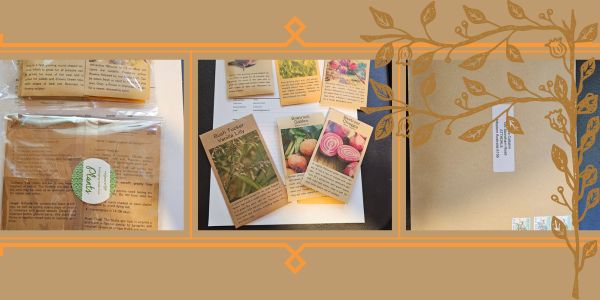
Not only are our seeds packed in recycled paper envelopes, we keep the theme going when we post out website orders. To protect your seeds from moisture and the letter box munchers (snails), we use a very special plastic free material made from plants. They are then put into recycled mailing envelopes. Green all the way ????????
Delivery Guarantee
We take great care to make sure your seeds arrive safely. If your order is lost or damaged in transit, we’ll happily send a replacement. Unfortunately, we can’t replace or refund orders that arrive later than the estimated delivery date, as delays can sometimes occur that are outside our control.
Please note that all dispatch and delivery times listed are estimates only. While we do our best to post promptly, delivery timeframes can vary due to postal service delays, weather events, or other unforeseen circumstances. We’re unable to take responsibility for any loss, damage, or cost that results from a late delivery.
An order is not considered missing until at least 20 business days have passed from the postage date. You’ll receive an email once your seeds have been posted, letting you know they’re on their way. If you don’t see it in your main inbox, please check your Spam or Promotions folders as sometimes our emails like to hide there.
See all our verified customer reviews on our official CusRev profile.
See all our verified customer reviews on our official CusRev profile.
See all our verified customer reviews on our official CusRev profile.
See all our verified customer reviews on our official CusRev profile.
See all our verified customer reviews on our official CusRev profile.