






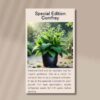

Comfrey
$6.59
Symphytum Officinale
- Seed count 15
- Soil Improver
- Perennial
Out of stock
Email when stock available
Description
If there’s one plant that deserves a permanent spot in any serious gardener’s patch, it’s comfrey. It has been grown and used for centuries across Europe, especially in damp, grassy places where it thrives with gusto. But it’s made itself at home just as easily here in Australia, where it flourishes in gardens, orchards, paddocks, and even forgotten corners of the yard.
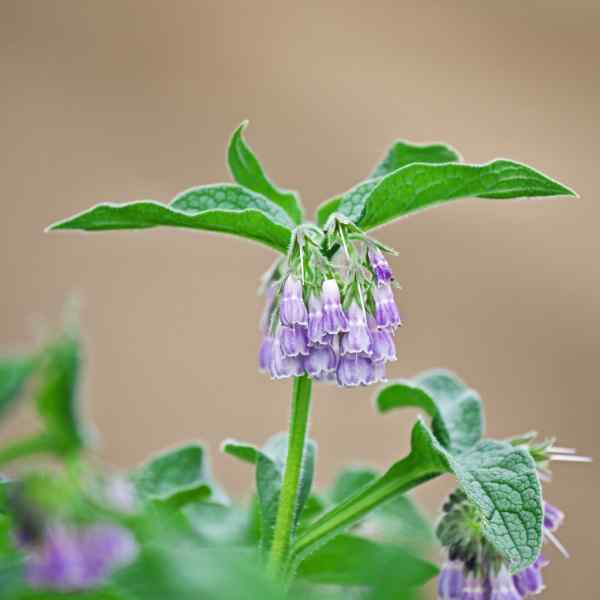
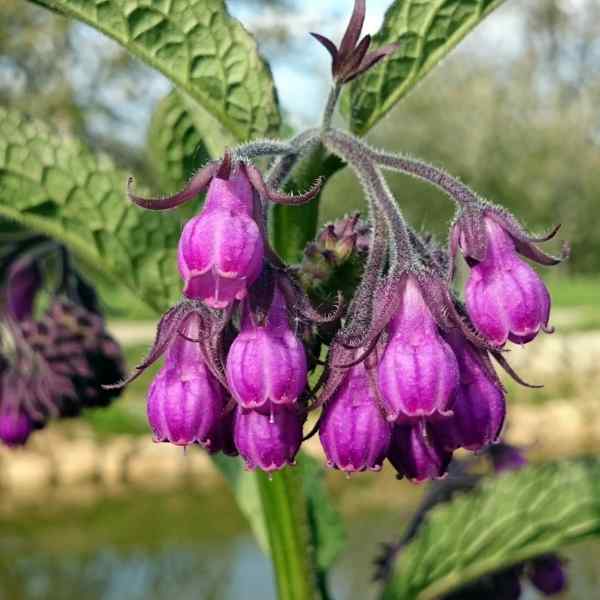
It’s known for its coarse, hairy leaves that are broad and deep green, packed with nutrients and trace minerals drawn up from deep in the soil. Come summer, this fast-growing perennial puts on a lovely display of bell-shaped flowers, often in hues of soft blue, mauve, or creamy white and the bees and beneficial insects absolutely adore them
It grows tall and wide usually between 60 to 90cm in height, and just as wide if left unchecked. The leaves form a big, leafy rosette, giving the plant a lush, almost tropical look. It fills space quickly and brings a dense, green presence to wherever it’s planted.
For those who grow with a permaculture mindset or follow more traditional, low-input gardening styles, comfrey is a living toolbox you can turn to again and again.
Let’s start with the soil. Comfrey is a champion green manure. Its deep taproots mine nutrients from way down in the soil profile gathering minerals that would otherwise be out of reach for most garden plants. When those giant leaves are chopped and dropped or used as mulch, all those nutrients are made available again, right at the soil’s surface. It’s like giving your garden a free, slow-release fertiliser straight from nature.
In the compost heap, comfrey is pure gold. Those same leaves break down rapidly and add a rich nitrogen boost to your pile, helping woody materials decompose faster and giving your compost a healthy balance. Some gardeners use it to make comfrey tea, a fermented liquid fertiliser made by steeping the leaves in water for a couple of weeks. Plants love it.
It has long-standing traditional uses as a medicinal herb. The roots and leaves are full of compounds that have been prized by herbalists for generations. And for gardeners who like to mix a little traditional wisdom with their green thumbs, it offers an extra layer of value.
So if you’re looking for a plant that pulls its weight, adds resilience to your garden, and quietly supports everything else you grow, comfrey might just be your new favourite.
| Method: Sow seedlings | Soil Temp: 10°C - 25°C |
| Cool Mountain: Nov - Feb | Position: Full sun |
| Arid: Aug - Jan | Row Spacing: 10cm apart |
| Temperate: Sep/Nov - Mar/June | Planting Depth: 3mm |
| Sub Tropical: May - Oct | Harvest: 365 days |
| Tropical: Jun - Aug | Plant Height: 1.2m |
🌿 Comfrey Grow Guide
🌱 Overview
Comfrey is a vigorous perennial herb valued for its large leafy growth, deep roots, pollinator-friendly flowers, and usefulness as a garden support plant. It is commonly grown to make compost activator, mulch, liquid plant feed, chop-and-drop material, and habitat for bees. Once established, it can live for many years and return strongly after cutting.
Comfrey is powerful and productive, but it needs thoughtful placement. Its deep roots make it difficult to remove once mature, and broken root pieces can regrow. For this reason, it is best planted somewhere permanent, such as near compost bays, orchard edges, large perennial beds, or a dedicated fertility patch.
🌱 Sowing in Trays Versus Direct Sowing
Comfrey can be grown from seed, but it is often slower and less predictable than many common herbs. Sowing in trays is the best method for comfrey seed, because it gives better control over moisture, temperature changes, germination, and early root development.
For tray sowing, use a free-draining seed-raising mix. Sow the seeds shallowly, covering them with a light layer of mix. Keep the tray moist but never waterlogged. Germination may be uneven, so do not discard the tray too quickly. Once seedlings are large enough to handle and have developed strong roots, move them into individual pots before planting them into their final position.
Direct sowing is possible, but it is less reliable. Seeds may dry out, rot, be disturbed by birds or ants, or germinate at different times. Direct sowing also makes it harder to manage spacing and early weed competition. Because comfrey becomes a large, long-lived plant, starting in trays gives you the best chance to place only healthy plants exactly where you want them.
❄️ Seed Pre-Treatment
Comfrey seed usually benefits from cold moist pre-treatment. This helps soften dormancy and can improve germination. Place the seeds in slightly damp seed-raising mix, coco coir, or paper towel inside a labelled bag or container, then keep them chilled for several weeks. The material should be moist, not wet, as excess water can cause mould or rotting.
After chilling, sow the seed into trays and keep the mix evenly moist. Some seeds may still germinate slowly or irregularly. Patience is important with comfrey, as it does not always sprout all at once.
🌞 Soil and Position
Comfrey grows best in full sun to part shade. Full sun encourages strong, dense growth, while part shade can be helpful in hotter or drier gardens. It prefers deep, fertile, moisture-retentive soil, but it is also quite adaptable once established.
Good soil preparation makes a major difference. Before planting, loosen the soil deeply and mix in compost or aged organic matter. Comfrey has a strong taproot and deep feeder roots, so compacted soil can slow early growth. It enjoys moisture, but the site should still drain well. Avoid permanently soggy ground.
Choose the planting site carefully. Comfrey should be treated as a permanent plant. It is not ideal for small vegetable beds that are regularly dug over, because root fragments can reshoot. A dedicated corner, orchard strip, compost area, or large container is usually easier to manage.
💧 Care and Maintenance
Comfrey is easy to care for once established. Water young plants regularly until they develop a strong root system. Mature plants are quite resilient, but they produce more leafy growth with steady moisture and a mulch layer around the base.
Apply compost around the plant occasionally to support repeated leaf harvests. Comfrey is a hungry, productive plant, especially if you cut it several times. Mulching with straw, leaves, or compost helps protect the soil and keeps the plant growing strongly.
The main maintenance task is cutting. Comfrey can be cut back hard once it is well established. The leaves regrow quickly and can be used around fruit trees, compost heaps, or garden beds. Always leave the crown intact so the plant can recover.
Comfrey is not recommended for eating. It contains compounds that can be harmful to the liver if consumed. Use it as a garden plant, mulch plant, compost ingredient, or ornamental bee plant rather than as a food crop.
🐝 Companion Planting Guide
Comfrey is one of the most useful companion plants for a productive garden, especially around long-term plantings. Its deep roots draw up minerals, its leaves create rich mulch, and its flowers attract bees and other beneficial insects.
It pairs especially well with fruit trees, where it can be grown near the drip line and cut regularly as mulch. It also works well near berries, grapes, rhubarb, asparagus, compost bays, pumpkins, squash, corn, and perennial herbs. The cut leaves can be laid around heavy-feeding crops to slowly break down and feed the soil.
Avoid planting comfrey too close to small annual vegetables, low-growing herbs, or delicate seedlings. Its large leaves can shade them, and its roots may compete for space. It is also best kept out of beds that need frequent digging, because disturbing the roots can create unwanted new plants.
✂️ How to Harvest
Harvest comfrey by cutting the outer leaves or cutting the whole plant back above the crown. Use clean secateurs, a knife, or shears. Wear gloves if you have sensitive skin, as the leaves are hairy and can irritate some people.
The harvested leaves can be used fresh as mulch, added to compost, placed under fruiting plants, or steeped in water to make a strong liquid feed. If making liquid feed, use a lidded bucket, as the mixture develops a strong smell while breaking down. Dilute the finished liquid before applying it to plants.
Do not remove too much from very young plants. Allow them to build a strong root system first. Once mature, comfrey can usually handle repeated cutting and will regrow from the crown.
🛠️ Common Issues and Fixes
| Issue | Likely Cause | Fix |
|---|---|---|
| Poor germination | Seed dormancy, no chilling, old seed, uneven moisture | Use cold moist pre-treatment, keep trays evenly moist, allow extra time |
| Seeds rot before sprouting | Mix too wet or poor airflow | Use free-draining mix, avoid soaking, ventilate trays |
| Seedlings grow slowly | Cool conditions, weak light, poor mix | Provide bright light, use fresh seed mix, pot on once roots develop |
| Leaves wilt badly | Young roots not established, dry soil, heat stress | Water deeply, mulch well, provide light shade if needed |
| Yellowing leaves | Nutrient shortage, waterlogging, exhausted soil | Add compost, improve drainage, avoid constant soggy conditions |
| Plant spreads unexpectedly | Root fragments left in soil or seed drop from fertile plants | Avoid digging around roots, remove unwanted seedlings, cut flower stems before seed forms |
| Plant becomes too large | Rich soil and strong growth | Cut back regularly and use leaves as mulch or compost material |
| Slug or snail damage | Tender young growth attracting pests | Protect young plants, reduce hiding places, use safe barriers |
| Powdery mildew | Poor airflow, dry roots, overcrowding | Cut back affected growth, water at soil level, improve spacing |
| Skin irritation | Hairy leaves rubbing skin | Wear gloves and long sleeves when harvesting |
🌾 Detailed Seed Saving Guide
Saving comfrey seed is possible only from plants that produce viable seed. Some named comfrey types are sterile and will not provide useful seed, so seed saving works best with fertile seed-grown plants.
To save seed, allow some flower stems to remain on the plant after flowering. The flowers will fade, and small dark seeds will develop inside the dried flower parts. Watch the seed heads carefully, because ripe seed can drop naturally.
Choose seed from strong, healthy plants with good leaf production, sturdy growth, and no major disease problems. Avoid saving seed from weak, sickly, or poorly formed plants. Because comfrey is visited by bees, seed-grown offspring may vary from the parent plant if other comfrey plants are nearby.
Cut the drying seed stems into a paper bag before the seeds fall. Hang or place the bag somewhere dry, shaded, and airy until the stems are fully crisp. Rub the dry flower heads gently to release the seeds, then separate the seed from chaff by hand or with a fine sieve.
Store the cleaned seed in a labelled paper envelope or airtight container. Write the plant name and collection date on the label. Keep seed cool, dark, and dry. Moisture is the main enemy of stored seed, so make sure the seed is completely dry before sealing it away.
Because comfrey can become persistent, save only the amount of seed you need. Remove extra flower stems before mature seed drops if you want to limit unwanted seedlings.
🌿 Final Thoughts
Comfrey is one of the most useful support plants a gardener can grow. It feeds the soil, supports pollinators, produces generous mulch, and strengthens compost systems. Tray sowing is the best method for seed, especially because comfrey germination can be slow and uneven, and cold moist pre-treatment is usually helpful.
The key to growing comfrey well is choosing the right permanent position. Give it deep soil, steady moisture, and enough room to spread its leaves. Cut it regularly, use the leaves wisely, and avoid disturbing the roots unless you are prepared for regrowth. Managed well, comfrey becomes a long-lasting garden ally that quietly improves the productivity of everything around it.
9 reviews for Comfrey
| 5 star | 100% | |
| 4 star | 0% | |
| 3 star | 0% | |
| 2 star | 0% | |
| 1 star | 0% |

Postage Charge
Orders under $35 attract a $4.95 shipping charge. Orders $35 and above have free shipping.
Order Times
Seed orders are normally dispatched within three business days. You will receive an email when seeds are mailed out.
Postage Days
Seeds are mailed out Tuesday to Friday at 1pm. Except for the Friday of long weekends.
Postage Times
WA 2-3 Days: SA,NT 3-5 Days: NSW, ACT, QLD, VIC: 5-7 Days
Carrier
We use Australia Post Letter Postage for the majority of orders
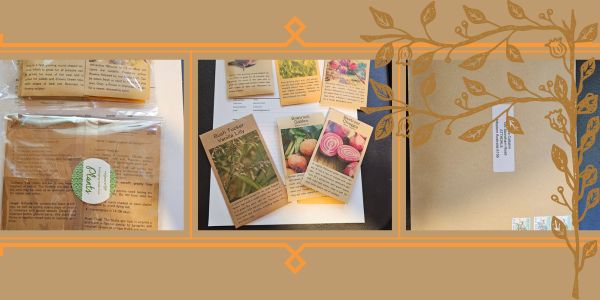
Not only are our seeds packed in recycled paper envelopes, we keep the theme going when we post out website orders. To protect your seeds from moisture and the letter box munchers (snails), we use a very special plastic free material made from plants. They are then put into recycled mailing envelopes. Green all the way ????????
Delivery Guarantee
We take great care to make sure your seeds arrive safely. If your order is lost or damaged in transit, we’ll happily send a replacement. Unfortunately, we can’t replace or refund orders that arrive later than the estimated delivery date, as delays can sometimes occur that are outside our control.
Please note that all dispatch and delivery times listed are estimates only. While we do our best to post promptly, delivery timeframes can vary due to postal service delays, weather events, or other unforeseen circumstances. We’re unable to take responsibility for any loss, damage, or cost that results from a late delivery.
An order is not considered missing until at least 20 business days have passed from the postage date. You’ll receive an email once your seeds have been posted, letting you know they’re on their way. If you don’t see it in your main inbox, please check your Spam or Promotions folders as sometimes our emails like to hide there.
Seeds healthy
See all our verified customer reviews on our official CusRev profile.
See all our verified customer reviews on our official CusRev profile.
Not planted as yet due to hot weather
See all our verified customer reviews on our official CusRev profile.
Excellent service, thanks, will buy again.
See all our verified customer reviews on our official CusRev profile.
See all our verified customer reviews on our official CusRev profile.