



Clary Sage
$4.95
Salvia Sclarea
- Seed Count 30
- Culinary and medicinal herb
- Biennial
In stock
Description
Clary Sage is one of the most distinctive members of the sage family, combining bold ornamental form with an unusually rich fragrance and a long history of practical use. It has been cultivated for centuries as a fragrant herb, flavouring plant and garden ornamental, giving it a character quite different from the compact culinary sages usually found beside the kitchen door.
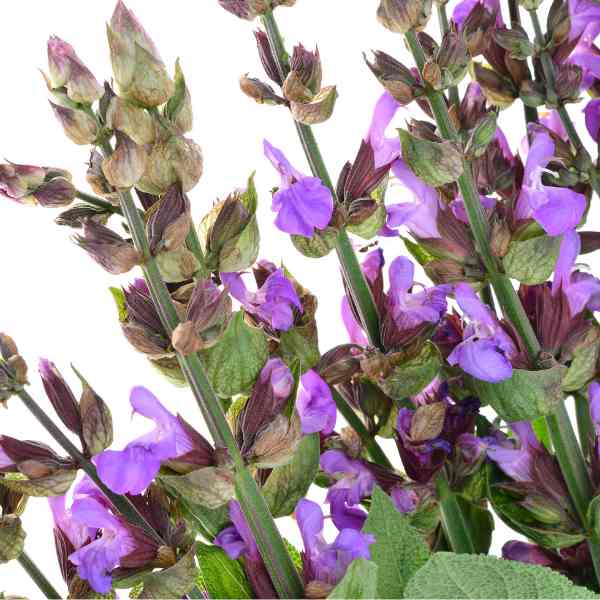
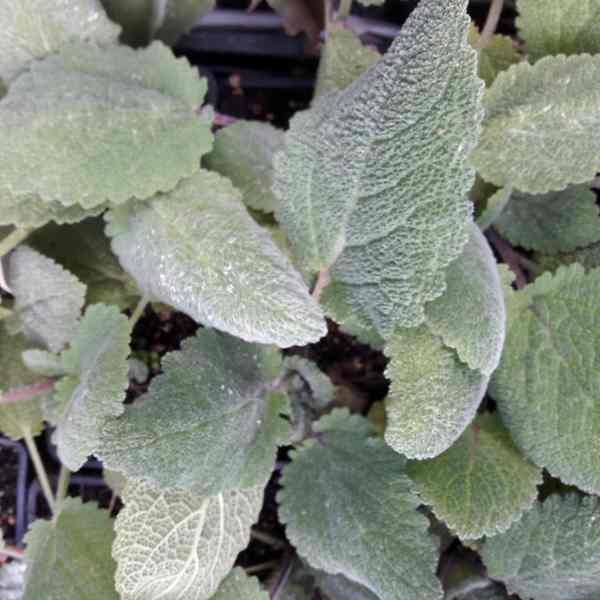
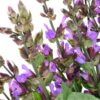
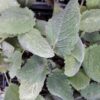
The first impression Clary Sage makes is its size and presence. It begins with a broad rosette of large, grey-green leaves that are deeply textured, softly hairy and pleasantly substantial. The foliage can reach around 20 centimeters long, with a wrinkled surface that catches the light and gives the plant an almost quilted appearance. When the flowering stems rise, the plant becomes tall and architectural, commonly reaching around one metre. Its strong, square stems branch into generous flower spikes that stand well above the foliage.
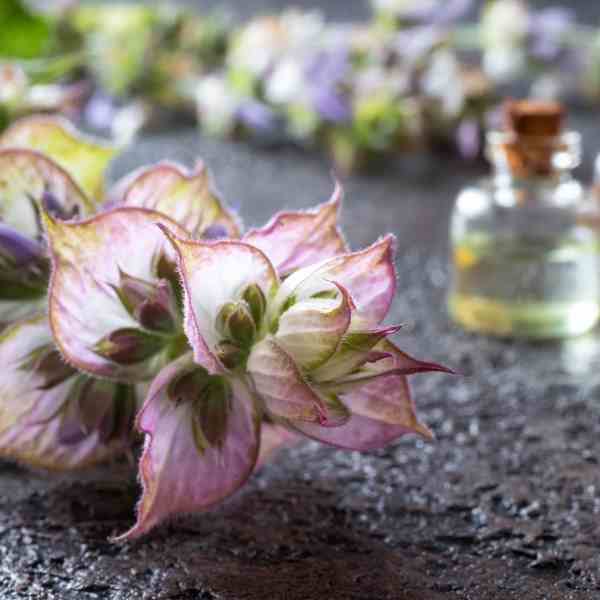
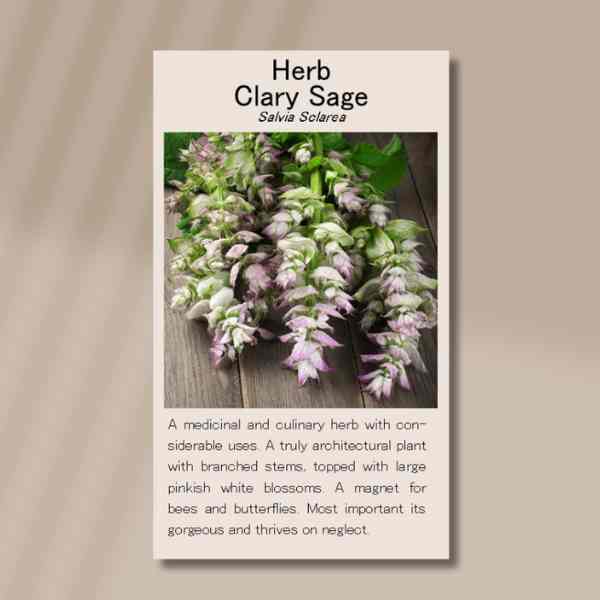
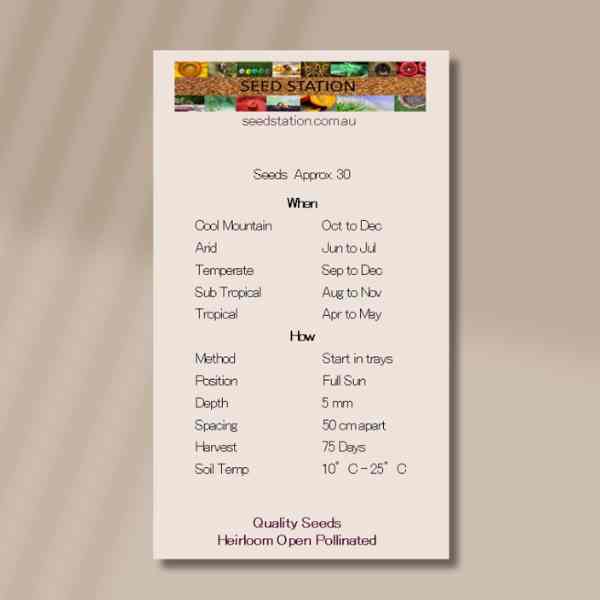
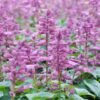
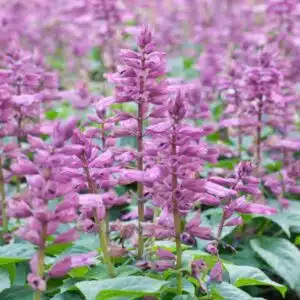
The flowers themselves are small, but they are surrounded by large, colourful bracts that create most of the display. These papery bracts appear in soft shades of mauve, lilac, pink and creamy white, sometimes with deeper pink markings around the edges. Layered along the stems, they give the flower spikes a loose, airy fullness.
Clary Sage brings its strongest display from late spring into summer, when its pale colouring works particularly well among silver foliage, darker salvias and traditional cottage garden flowers. It has enough height to hold its own toward the middle or back of a border, yet its form remains open rather than heavy. The flower stems are also useful for informal arrangements, while the long-lasting bracts can retain much of their shape and colour when dried.
Fragrance is a major part of the plant’s personality. The leaves and flowering stems carry a powerful aroma that is warmer, sweeter and more musky than common garden sage. It is not a shy fragrance. Even brushing against the foliage can release it into the surrounding air, making Clary Sage especially memorable in a herb garden or sensory planting.
This unusual scent explains much of the plant’s long association with flavouring and perfumery. Clary Sage was historically used to give wines, ales and liqueurs a muscat-like character. Its aromatic leaves have also been used in cooked dishes, while the flowers have occasionally been added to salads, teas and garnishes. The plant remains important in fragrance production. Its essential oil is valued for a complex scent that blends herbal, floral and amber-like notes.
Clary Sage is generally a biennial or short-lived perennial. In its first stage it concentrates on forming its handsome leafy rosette, then produces its tall flowering stems as it matures. This changing form gives it a sense of progression in the garden. It may also shed seed and return in new positions, creating a relaxed, naturally shifting display.
| Method: Sow direct | Soil Temp:10°C - 25°C |
| Cool Mountain: Oct - Dec | Position: Full sun |
| Arid: Jun - Jul | Row Spacing: 60cm |
| Temperate: Sep - Dec | Planting Depth: 5 mm |
| Sub Tropical: Aug - Nov | Harvest: 75 Days |
| Tropical: May - Jul | Plant Height: 120 cm |
🌿 Clary Sage Grow Guide
Clary sage is a bold, aromatic flowering herb grown for its tall flower spikes, textured leaves, pollinator appeal, and old-world cottage garden charm. It is usually grown as a biennial or short-lived perennial, forming a leafy base first and then sending up dramatic flowering stems once mature. It suits herb gardens, flower borders, pollinator patches, dry-style gardens, and mixed beds where height, scent, and bee activity are welcome.
Clary sage prefers a sunny, open, well-drained position with good airflow. It performs best when treated more like a Mediterranean-style herb than a lush leafy vegetable. Give it drainage, light, moderate fertility, and space.
🌱 Sowing in Trays vs Direct Sowing
Clary sage can be grown either by raising seedlings in trays or by sowing direct into prepared garden soil. Both methods work, but they suit different situations.
For most home gardeners, sowing in trays or small cells is the better method. The seed is small, seedlings are easier to protect, and tray sowing gives better control over moisture, weeds, slugs, snails, and heavy rain. Use a free-draining seed-raising mix, sow shallowly, and cover with only a light layer of mix or fine vermiculite. Keep the mix gently moist, not wet. Once seedlings are large enough to handle and have a sturdy root system, transplant them carefully into the garden, avoiding rough handling of the roots.
Direct sowing is useful when planting a larger patch or when the garden bed is already fine, loose, weed-free, and evenly moist. Sow shallowly into prepared soil, press the seed gently into place, cover lightly, and keep the surface from drying out while germination occurs. Thin seedlings so each plant has enough space to form a broad leafy base and later support tall flowering stems.
Best choice: trays or cells are recommended for reliability, especially for small seed packets, patio gardens, mixed beds, or areas where pests and drying winds are common. Direct sowing is still suitable for broad herb beds or natural-style plantings.
💧 Seed Pre-Treatment
Clary sage seed does not usually need special pre-treatment. There is generally no need to soak, chill, scarify, or otherwise prepare the seed before sowing.
The most important detail is shallow sowing. Cover the seed lightly rather than burying it deeply. A depth of around 5 to 6 mm is suitable. Germination often takes about two to three weeks when warmth and moisture are consistent.
☀️ Soil and Position
Clary sage grows best in full sun with good airflow. It can tolerate light shade, particularly where afternoon heat is harsh, but too much shade encourages weak, stretched growth and fewer flowers.
The soil should be well drained, moderately fertile, and not waterlogged. Sandy loam, improved garden soil, raised beds, and large pots can all work well. Heavy clay should be improved with compost and drainage material, or the plant should be grown in a raised mound or container.
Avoid over-rich soil, as too much nitrogen can create lush leafy growth that is more prone to flopping and disease. Mature plants can become quite large, often reaching around 1 metre or more in height, so allow generous spacing. Aim for around 30 to 60 cm between plants, depending on airflow and garden layout.
🌿 Care and Maintenance
Once established, clary sage is fairly low maintenance. Water young plants regularly while they settle in, then reduce watering once the root system is strong. The plant is more tolerant of dry conditions than soggy soil, so deep, occasional watering is better than frequent light watering.
Mulch lightly around the base to reduce weeds and keep soil moisture steady, but do not pile mulch against the crown. A gravel mulch or coarse organic mulch works well because it protects the soil without holding too much moisture around the stem.
Feeding should be gentle. A small amount of compost or mild organic fertiliser is usually enough. Avoid heavy feeding, especially with high-nitrogen fertilisers, because this can produce soft growth and reduce the plant’s natural toughness.
Remove damaged or yellowing leaves to improve airflow. Tall flower spikes may need support in windy gardens. Once the plant flowers, it may self-seed if seed heads are left to mature. This can be useful in cottage gardens, but remove spent flower stems before seed drops if you want tighter control.
🐝 Companion Planting Guide
Clary sage is excellent in a pollinator-friendly garden. Its flowers attract bees and other beneficial insects, making it useful near fruiting vegetables and herbs that benefit from pollinator activity.
Good companions include thyme, rosemary, oregano, lavender, yarrow, calendula, chamomile, borage, echinacea, bee balm, tomatoes, capsicum, eggplant, strawberries, and brassicas. These plants either enjoy similar sunny conditions, attract beneficial insects, or help create a diverse garden ecosystem.
Avoid planting clary sage beside plants that need constantly wet soil, heavy feeding, or dense shade. It is not a good match for moisture-loving herbs such as mint in open beds, unless the mint is contained separately. It also dislikes being crowded by sprawling plants that block airflow around the crown.
✂️ How to Harvest
Harvest clary sage leaves sparingly while the plant is actively growing. Choose clean, healthy leaves and cut them with scissors rather than tearing them from the stem. The leaves are aromatic and can be dried for craft, herbal, or fragrance uses, though they are much stronger and more resinous than common culinary sage.
For flowers, harvest stems when the flower spike is well formed and the bracts have coloured, but before the entire spike declines. Cut in the cooler part of the day once the plant is dry. Hang stems upside down in small bunches in a shaded, airy place. Good airflow is essential because thick flower spikes can trap moisture and spoil if packed too tightly.
For ornamental use, harvest stems with long clean cuts and place them straight into water. For dried arrangements, remove any damaged lower leaves before hanging.
⚠️ Common Issues and Fixes
| Issue | Likely Cause | Fix |
|---|---|---|
| Poor germination | Seed buried too deeply, dry seed mix, old seed, or inconsistent moisture | Sow shallowly, keep evenly moist, use fresh seed, and avoid letting the surface crust over |
| Seedlings collapse | Damping off from excess moisture and poor airflow | Use clean seed mix, avoid overwatering, increase airflow, and water from below where possible |
| Leggy seedlings | Not enough light or too much warmth with weak light | Move to a brighter position and avoid overcrowding |
| Yellowing leaves | Overwatering, poor drainage, or nutrient imbalance | Let soil dry slightly between watering, improve drainage, and feed lightly only if needed |
| Root rot | Waterlogged soil or mulch packed against the crown | Replant into raised, free-draining soil and keep mulch away from the stem base |
| Powdery mildew | Humid, crowded, or shaded conditions | Improve spacing, increase airflow, water at soil level, and remove badly affected leaves |
| Slug and snail damage | Young tender seedlings exposed overnight | Protect seedlings, use barriers, remove hiding places, and transplant once plants are stronger |
| Aphids on new growth | Soft growth or nearby pest pressure | Spray off with water, encourage ladybirds and lacewings, and avoid overfeeding |
| Plants flop over | Rich soil, wind exposure, or unsupported flower spikes | Reduce feeding, provide discreet staking, and grow in a more sheltered but sunny position |
| Too many self-sown seedlings | Seed heads left to mature and drop | Cut spent flower stems before seed sheds, or collect seed intentionally |
🌾 Detailed Seed Saving Guide
Saving clary sage seed is straightforward if you allow the flower spikes to fully mature on the plant. Choose your healthiest, strongest plants for seed saving. The best seed plants should have sturdy stems, strong fragrance, good flower formation, and no major disease problems.
Allow the flower spikes to fade and dry naturally on the plant. The seed is ready when the lower parts of the spike are dry and the small seed cases begin to turn brown. Do not wait until every seed has dropped, as clary sage can self-sow readily. Cut the seed heads when they are mostly dry, then place them upside down in a paper bag or on a tray in a dry, shaded, airy place.
Once fully dry, rub the seed heads gently between your hands to release the seed. Use a sieve, gentle blowing, or hand sorting to separate seed from dry chaff. Do this slowly, as the seeds are small and easy to lose.
Before storage, make sure the seed is completely dry. Any remaining moisture can cause mould. Store seed in a labelled paper envelope or small airtight jar kept in a cool, dark, dry place. Label it with the plant name and collection date. For best results, use saved seed while it is still fresh, as germination generally declines with age.
Clary sage may cross with closely related flowering sages if compatible types are growing nearby, so save seed from plants that are isolated where possible if you want seedlings to closely resemble the parent plant. For casual home gardening, this is usually not a problem, and self-sown plants can be part of the charm.
🌼 Final Thoughts
Clary sage is a rewarding plant for gardeners who enjoy herbs that are both practical and ornamental. It brings height, scent, pollinators, and soft cottage-garden texture with relatively little fuss. The key is to avoid treating it like a thirsty leafy crop. Give it sun, drainage, airflow, moderate feeding, and space, and it will reward you with bold flower spikes and plenty of garden character.
For the best start, raise seedlings in trays or cells, transplant carefully, and keep young plants protected until they are strong. Once established, clary sage becomes a resilient, beautiful, bee-friendly herb that can earn a long-term place in herb gardens, borders, and natural-style plantings.

Postage Charge
Orders under $40 attract a $5.50 shipping charge. Orders $35 and above have free shipping.
*** We cannot deliver to Parcel Lockers ***
Order Times
Seed orders are normally dispatched within three business days. You will receive an email when seeds are mailed out.
Postage Days
Seeds are mailed out Tuesday to Friday at 1pm. Except for the Friday of long weekends.
Postage Times
WA 2-3 Days: SA,NT 3-5 Days: NSW, ACT, QLD, VIC: 5-7 Days
Carrier
We use Australia Post Letter Postage for the majority of orders.
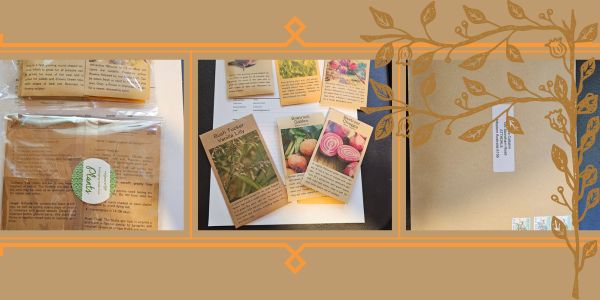
Not only are our seeds packed in recycled paper envelopes, we keep the theme going when we post out website orders. To protect your seeds from moisture and the letter box munchers (snails), we use a very special plastic free material made from plants. They are then put into recycled mailing envelopes. Green all the way ????????
Delivery Guarantee
We take great care to make sure your seeds arrive safely. If your order is lost or damaged in transit, we’ll happily send a replacement. Unfortunately, we can’t replace or refund orders that arrive later than the estimated delivery date, as delays can sometimes occur that are outside our control.
Please note that all dispatch and delivery times listed are estimates only. While we do our best to post promptly, delivery timeframes can vary due to postal service delays, weather events, or other unforeseen circumstances. We’re unable to take responsibility for any loss, damage, or cost that results from a late delivery.
An order is not considered missing until at least 20 business days have passed from the postage date. You’ll receive an email once your seeds have been posted, letting you know they’re on their way. If you don’t see it in your main inbox, please check your Spam or Promotions folders as sometimes our emails like to hide there.
Reviews
There are no reviews yet