



Chives
$4.95
Allium Schoenoprasum
- Seed count 300
- Mild Onion Flavour
- Perennial
Only 6 left in stock
Description
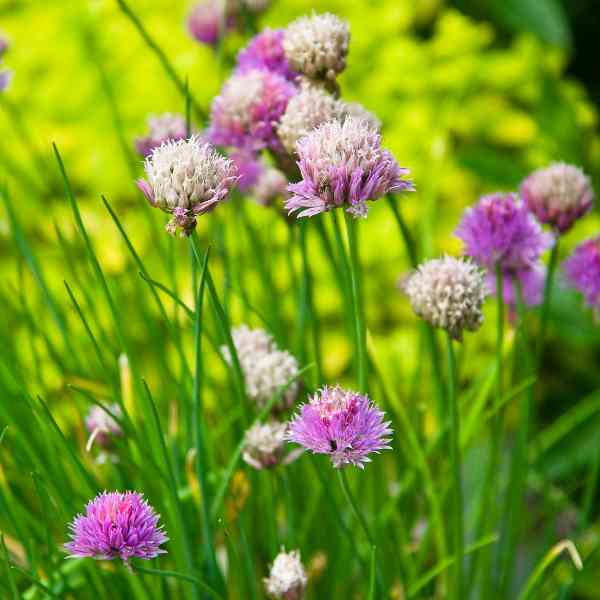
With their neat, clumping habit and delicate pink-purple flowers, Chives are as beautiful as they are practical, bringing both charm and flavour to the garden and kitchen.
A close relative of onions and garlic, chives have a gentle, onion-like flavour that adds depth without overpowering a dish. The hollow green leaves are the part most often used, snipped finely to finish off soups, omelettes, mashed potatoes, and salads. The flavour is fresh and mild, a perfect complement to eggs, cheese, fish, and creamy sauces. The leaves can be used raw or added at the last moment to cooked dishes to preserve their delicate taste.
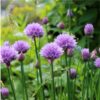
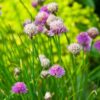
Every part of the plant is edible. The flowers, which appear in spring and early summer, are small pom-poms of mauve or pink, and they have a light onion flavour that makes them a wonderful garnish. They look lovely scattered over salads or tucked into herb butters and soft cheeses. Even the unopened flower buds can be pickled or added to vinegar for a mild, oniony infusion.
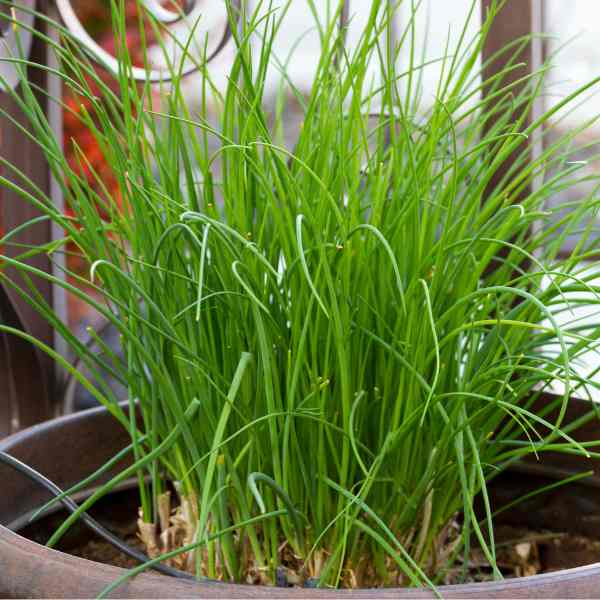
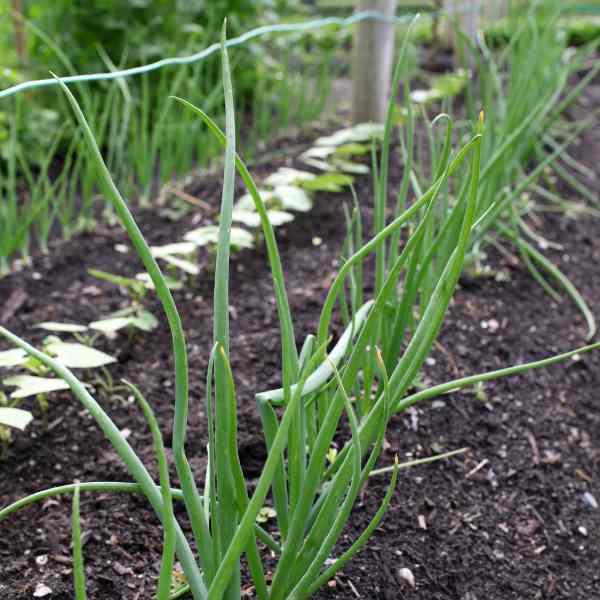
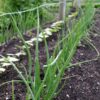
In the garden, chives bring structure and colour. The narrow, upright leaves form tidy clumps that look good all year, and when in bloom, they light up the herb patch with their soft pink-purple heads. They are often grown as an edging plant for herb or vegetable beds, where their clean lines help define the borders. Many gardeners plant them among vegetables not only for looks but also for their companion benefits. Chives are known to deter pests such as aphids and carrot fly, and their flowers attract pollinators like bees and butterflies. A single clump can quietly do a lot of good.
In an Australian garden, chives are a steady, forgiving presence. They grow happily through most of the year, only slowing down briefly in the coldest months. When spring arrives, they burst into fresh growth and send up a spray of flowers that bees adore. Once the blooms fade, you can simply trim the plants back to encourage another flush of tender leaves. They’re long-lived perennials, so once planted, a clump can keep producing for many years with very little attention.
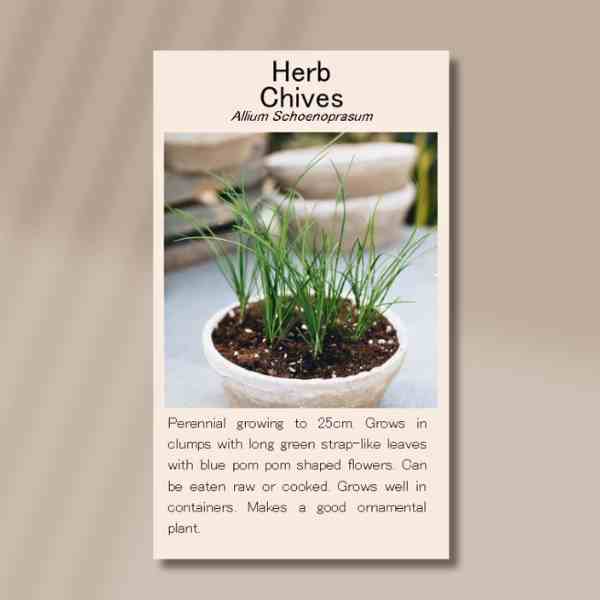
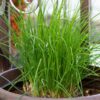
Chives fit comfortably into almost any garden design. In a kitchen garden, they sit beautifully alongside parsley, thyme, and oregano, forming a practical and attractive herb border. In ornamental plantings, they blend naturally among flowers, their green spikes and mauve blooms adding soft texture to mixed beds. They even work well in pots, where their compact growth habit makes them an excellent choice for small spaces, balconies, or courtyard gardens.
| Method: Sow direct | Soil Temp: 10°C - 30°C |
| Cool Mountain: Sep - Apr | Position: Full sun |
| Arid: Jul - Feb | Row Spacing: 15 cm |
| Temperate: Sep - May | Planting Depth: 3 mm |
| Sub Tropical: Jan - Dec | Harvest: 75 Days |
| Tropical: Apr - Jul | Plant Height: 30cm |
🌿 Chives Grow Guide
Chives are one of the easiest and most useful herbs to grow from seed. They form neat clumps of slender, hollow leaves with a mild onion flavour, and once established they can be harvested again and again. They are excellent in herb gardens, vegetable beds, borders, pots, and kitchen gardens, and their purple pom-pom flowers are loved by bees and other beneficial insects.
Chives are a long-lasting herb that rewards gentle, regular harvesting. They do not need much space, they tolerate container growing well, and they are a great choice for gardeners who want a low-maintenance edible plant that also looks attractive.
🌱 Sowing in Trays Versus Direct Sowing
Chives can be grown by direct sowing or by starting seed in trays, but sowing in trays is usually the best method. Chive seeds are small, and the seedlings are fine and grass-like when young, which means they can be difficult to see among weeds if sown straight into the garden.
Tray sowing gives better control over moisture, spacing, and early growth. Fill a tray or small cells with a quality seed-raising mix, scatter the seed thinly, and cover lightly with a fine layer of mix. Keep the surface evenly moist but not waterlogged. Chive seed can be a little slow to germinate, so patience is important.
Once the seedlings are large enough to handle, they can be planted out in small clumps rather than individually. This gives a fuller plant more quickly. Handle them gently, as young seedlings are delicate.
Direct sowing can still work well in a clean, weed-free bed. Sow shallowly into fine soil, cover lightly, water gently, and keep the area moist until seedlings are established. The main challenge with direct sowing is competition from weeds and the risk of seedlings drying out.
For most home gardeners, tray sowing is the preferred method, especially if you want strong, easy-to-manage plants.
🌾 Seed Pre-Treatment
Chive seed does not require special pre-treatment. There is usually no need for soaking, chilling, or scarifying.
Fresh seed gives the best results because chive seed can lose strength as it ages. Sow it shallowly, keep it evenly moist, and avoid letting the seed-raising mix dry out during germination. Overly wet conditions should also be avoided, as soggy mix can cause seed or seedlings to rot.
🌞 Soil and Position
Chives grow best in full sun to light partial shade. A sunny position encourages strong leaf growth and better flowering, while a little shade can be helpful in very hot or exposed spots.
The soil should be fertile, free-draining, and moisture-retentive. Chives do not like sitting in waterlogged soil, but they also produce better leaves when the root zone does not dry out completely. Before planting, improve garden soil with compost or well-rotted organic matter.
In heavy soil, raise the planting area slightly or mix in compost to improve structure and drainage. In sandy soil, organic matter helps hold moisture and nutrients. For pots, choose a container with drainage holes and use a good-quality potting mix. Chives are well suited to containers, but they perform best when the pot is not allowed to dry out too often.
💧 Care and Maintenance
Chives are simple to care for once established. Water regularly enough to keep the soil lightly moist, especially during active leaf growth. Plants in pots may need more frequent watering than those in garden beds.
Feed lightly with compost, liquid seaweed, or a balanced organic fertiliser when plants are actively producing leaves. Avoid heavy feeding with high-nitrogen fertilisers, as this can create soft growth that is more attractive to pests.
Regular cutting keeps chives fresh and productive. If the leaves become tough, tired, or untidy, cut the clump back to a few centimetres above the soil. New leaves usually regrow from the base.
Remove spent flowers if you do not want seedlings appearing nearby. However, leaving some flowers is beneficial for pollinators and useful if you want to save seed. Established clumps can become crowded over time. When this happens, lift and divide the clump, then replant the strongest sections.
🐝 Companion Planting Guide
Chives are excellent companion plants because their flowers attract bees, hoverflies, and other helpful insects. Their mild onion scent may also help confuse some pests in mixed plantings.
Good companions include carrots, tomatoes, lettuce, strawberries, beetroot, silverbeet, parsley, thyme, oregano, sage, rosemary, calendula, chamomile, marigold, alyssum, and nasturtium.
Chives are especially useful planted around vegetable beds, near fruiting plants, or along garden edges where their flowers can draw pollinators into the area. They also work well as a border plant because their clumping habit is neat and compact.
Avoid planting chives too close to beans and peas if you prefer to keep alliums away from legumes. Some gardeners find they grow together without problems, but many companion planting traditions recommend separating them.
✂️ How to Harvest
Harvest chives by cutting leaves from the outside of the clump using clean scissors. Cut close to the base, leaving a few centimetres above the soil so the plant can regrow.
For the best flavour, harvest young, fresh leaves before they become coarse. Regular harvesting encourages new growth and keeps the plant productive. Avoid pulling the leaves by hand, as this can loosen the roots or damage the clump.
Chive flowers are also edible. Pick them when freshly opened and use the small florets in salads, herb butters, vinegars, or as a garnish. The flowers have a gentle onion flavour and add colour as well as taste.
⚠️ Common Issues and Fixes
| Issue | Likely Cause | Fix |
|---|---|---|
| Poor germination | Old seed, dry seed mix, seed buried too deeply | Use fresh seed, sow shallowly, keep evenly moist |
| Seedlings collapse | Overwatering, poor airflow, fungal disease | Use clean seed mix, avoid soggy conditions, improve airflow |
| Thin, weak seedlings | Not enough light or overcrowding | Move to brighter light and thin or pot on seedlings |
| Yellowing leaves | Waterlogging, poor nutrition, old growth | Improve drainage, feed lightly, trim tired leaves |
| Brown leaf tips | Dry soil, heat stress, inconsistent watering | Water more evenly and mulch lightly around plants |
| Few leaves | Poor soil, too much shade, crowded clump | Add compost, increase light, divide old clumps |
| Leaves become tough | Plant is old, flowering, or not harvested often | Cut back hard and allow fresh regrowth |
| Aphids | Soft new growth attracting sap-sucking insects | Hose off gently, encourage beneficial insects, use insecticidal soap if needed |
| Onion thrips | Dry conditions and stressed plants | Water consistently, remove damaged leaves, improve plant health |
| Rust on leaves | Fungal disease, poor airflow, damp foliage | Remove affected leaves, space plants well, water at soil level |
| Root rot | Heavy wet soil or pots without drainage | Improve drainage, reduce watering, replant healthy sections |
🌰 Detailed Seed Saving Guide
Saving chive seed is straightforward, but it requires letting some flowers remain on the plant until they mature fully. Choose healthy, vigorous plants with strong leaf growth and good flavour. Avoid saving seed from weak or diseased plants.
Allow several flower heads to remain after blooming. As the flowers fade, they will dry and form small seed capsules. The flower heads will turn brown and papery when the seed is close to ready. Watch them carefully, as mature seed can drop if left too long.
Cut the dry flower heads and place them upside down in a paper bag. Keep the bag in a dry, airy place for several days so the seed can finish drying. Once fully dry, rub the flower heads gently between your fingers to release the small black seeds.
Separate the seed from the dry flower material by hand. You can lightly blow away the chaff or use a fine sieve, but work carefully because the seed is small. Spread the cleaned seed on a plate or paper towel for a few extra days to make sure it is completely dry.
Store the seed in a labelled paper envelope or small airtight jar. Write the plant name and collection date on the label. Keep the seed in a cool, dark, dry place. For best results, use saved chive seed while it is still fresh, as older seed may germinate less reliably.
If growing more than one type of chive nearby, saved seed may not always produce plants exactly like the parent. For the most consistent results, save seed from the strongest plants and keep different flowering types well separated.
🌿 Final Thoughts
Chives are a practical, attractive, and beginner-friendly herb that deserves a place in almost every edible garden. They are best started in trays because the fine seedlings are easier to protect and manage, but they can also be direct sown into a clean, prepared bed.
With good light, fertile well-drained soil, regular watering, and frequent cutting, chives will provide fresh leaves for the kitchen and flowers for pollinators. They are easy to harvest, simple to maintain, and very rewarding to grow from seed.
4 reviews for Chives
| 5 star | 100% | |
| 4 star | 0% | |
| 3 star | 0% | |
| 2 star | 0% | |
| 1 star | 0% |

Postage Charge
Orders under $35 attract a $4.95 shipping charge. Orders $35 and above have free shipping.
Order Times
Seed orders are normally dispatched within three business days. You will receive an email when seeds are mailed out.
Postage Days
Seeds are mailed out Tuesday to Friday at 1pm. Except for the Friday of long weekends.
Postage Times
WA 2-3 Days: SA,NT 3-5 Days: NSW, ACT, QLD, VIC: 5-7 Days
Carrier
We use Australia Post Letter Postage for the majority of orders
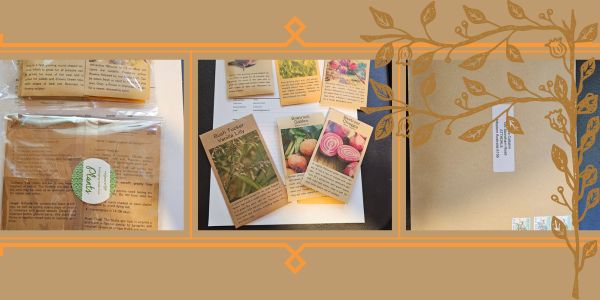
Not only are our seeds packed in recycled paper envelopes, we keep the theme going when we post out website orders. To protect your seeds from moisture and the letter box munchers (snails), we use a very special plastic free material made from plants. They are then put into recycled mailing envelopes. Green all the way ????????
Delivery Guarantee
We take great care to make sure your seeds arrive safely. If your order is lost or damaged in transit, we’ll happily send a replacement. Unfortunately, we can’t replace or refund orders that arrive later than the estimated delivery date, as delays can sometimes occur that are outside our control.
Please note that all dispatch and delivery times listed are estimates only. While we do our best to post promptly, delivery timeframes can vary due to postal service delays, weather events, or other unforeseen circumstances. We’re unable to take responsibility for any loss, damage, or cost that results from a late delivery.
An order is not considered missing until at least 20 business days have passed from the postage date. You’ll receive an email once your seeds have been posted, letting you know they’re on their way. If you don’t see it in your main inbox, please check your Spam or Promotions folders as sometimes our emails like to hide there.

See all our verified customer reviews on our official CusRev profile.
See all our verified customer reviews on our official CusRev profile.
See all our verified customer reviews on our official CusRev profile.
See all our verified customer reviews on our official CusRev profile.