






Capsicum California Wonder
$4.95
Capsicum Annuum
- Seed Count 20
- Heavy Bearing
- Perennial
Out of stock
Email when stock available
Description
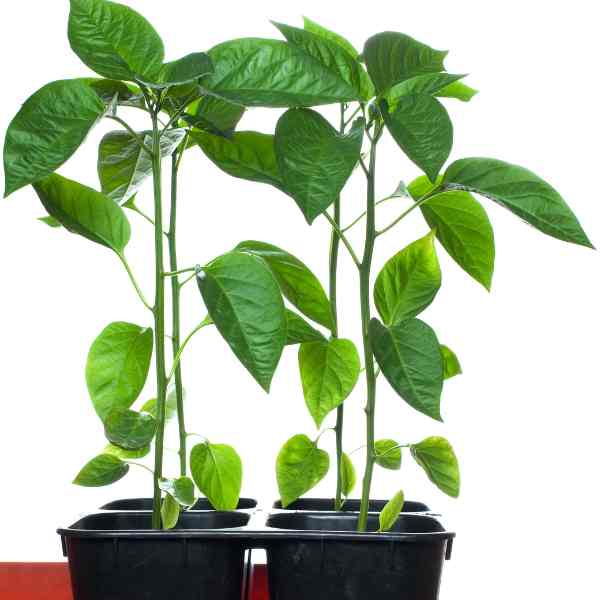
Capsicum California Wonder offers a reliable, robust, and flavour-packed option that thrives across much of Australia. The plants are compact and manageable, topping out around 60 to 70 cm in height, with strong, leafy growth that provides solid cover for the developing fruit. That foliage is more than just a nice backdrop as it offers excellent scald protection, which is a big bonus if you’re growing through hot spells or have a more exposed patch in the yard.
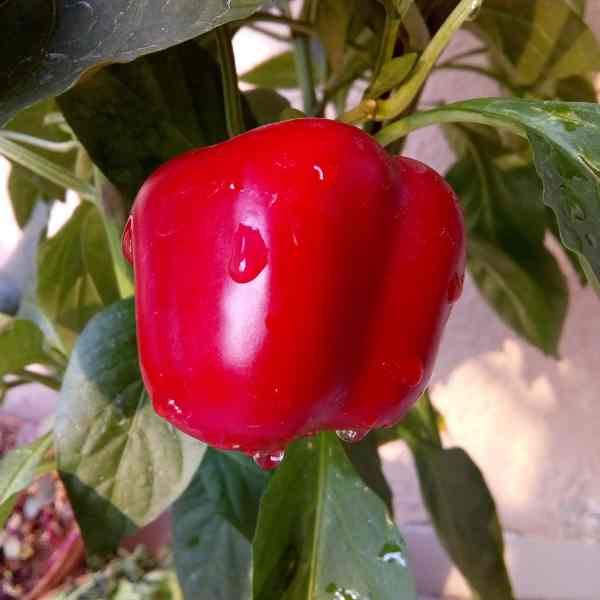
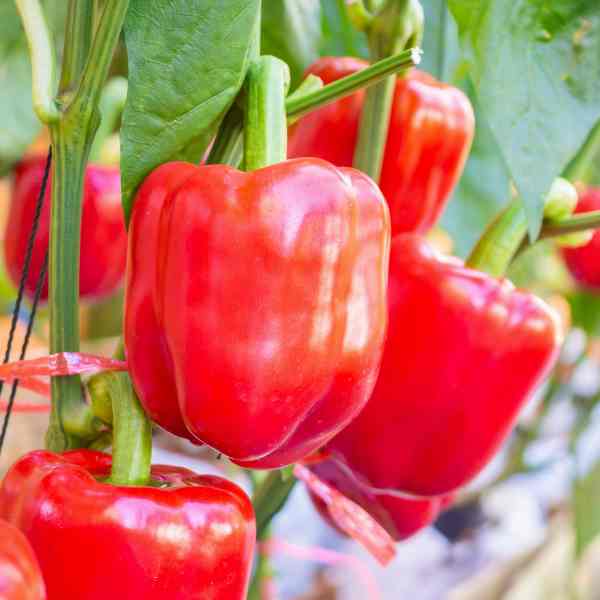
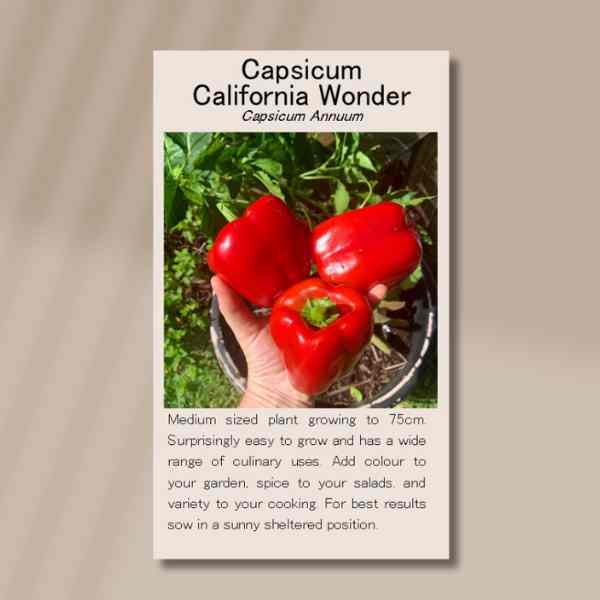
The fruit itself is classic capsicum: blocky, thick-walled, and four-lobed, with that glossy sheen that tells you it’s going to be crisp and juicy inside. Each fruit weighs in at around 170 grams and measures roughly 10 by 12 cm which is a decent size for home use, and just right for kitchen versatility. Whether you’re slicing them raw for salad, stuffing them with rice and herbs, roasting them over the barbecue, or simmering them slowly into a stew, these fruits hold their shape, flavour, and colour beautifully.
The fruit starts out a vibrant green and will mature to a rich, deep red if left longer on the plant. That gives you a lovely window of choice, pick early for a fresh, grassy flavour, or leave them longer for sweetness and added depth. Having that option really broadens how you can use them in the kitchen, and in a mixed planting, those red and green fruits look absolutely stunning together.
As far as growing conditions go, this variety is surprisingly adaptable. Unlike some capsicums that demand constant heat, California Wonder is a steady producer even in cooler zones. It’ll crop well in temperate climates and is a great performer in warm regions too. That resilience is also backed up by good disease resistance. California Wonder is resistant to Tobacco Mosaic Virus (TMV), which is one of the common culprits behind capsicum and tomato problems.
The yield potential is another strong point. Given the right conditions and a bit of care, these plants really do produce generously. Expect large numbers of evenly-sized fruit across the season, which makes them a hit with market growers looking for consistent quality—but also an excellent choice for home growers who like to preserve, freeze, or share their harvest.
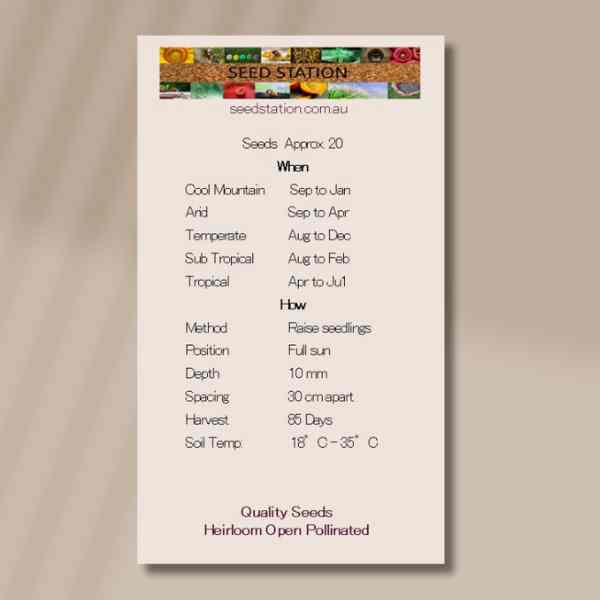
| Method: Start in Trays | Soil Temp: 16°C - 35°C |
| Cool Mountain: Oct - Dec | Position: Full sun |
| Arid: Aug - Mar | Row Spacing: 50 cm |
| Temperate: Aug - Dec | Planting Depth: 3 mm |
| Sub Tropical: Aug - Jan | Harvest: 100 Days |
| Tropical: May - Jul | Plant Height: 70 cm |
🫑 Capsicum Grow Guide
Capsicum is a rewarding vegetable to grow from seed, producing crisp, sweet fruit in shades of green, red, yellow, orange, purple, or chocolate depending on the variety. It is a warmth-loving crop that performs best when grown steadily, without cold stress, dry spells, or root disturbance. Healthy capsicum plants can be very productive, especially when given rich soil, full sun, consistent watering, and regular feeding.
Capsicum is slower to establish than many quick vegetables, so patience is important. The plants need warmth to germinate well, and young seedlings grow best when protected from harsh weather, pests, and sudden changes in conditions.
🌱 Sowing in Trays Versus Direct Sowing
Capsicum is best started in seed trays, punnets, or small pots rather than sown directly into the garden. Tray sowing gives much better control over warmth, moisture, pests, and early growth. Capsicum seed can be slow to germinate if the soil is too cool, and young seedlings are easily damaged by snails, slugs, wind, heavy rain, and drying out.
Sow seed into a fine seed-raising mix and cover lightly. Keep the mix evenly moist but never waterlogged. Place the tray somewhere warm with bright light. Once seedlings appear, make sure they receive strong light so they do not become weak and stretched.
When seedlings have developed several true leaves and are sturdy enough to handle, move them into individual pots if needed. Plant them out only once they are strong, well-rooted, and able to cope with outdoor conditions. Harden them off gradually by exposing them to outdoor light and air in a sheltered spot before planting them into the garden.
Direct sowing is not the best method for capsicum. It can work only where soil is reliably warm, pests are low, and conditions are very stable. Even then, germination is often slower and less even. For most gardeners, tray sowing is the better and more reliable choice.
💧 Seed Pre-Treatment
Capsicum seed does not need special pre-treatment. No scarifying, chilling, smoke treatment, or soaking is normally required.
A short soak in clean, lukewarm water for a few hours can help older seed hydrate, but it is optional. Fresh, good-quality seed usually germinates well when given warmth and steady moisture.
The most important germination factors are warmth, fresh seed, fine seed mix, and consistent moisture. Avoid overwatering, as cold and soggy mix can cause seed to rot before it sprouts.
🌏 Soil and Position
Capsicum grows best in fertile, well-drained soil with plenty of organic matter. The soil should hold moisture but not stay wet and heavy. Before planting, improve the bed with compost, aged manure, worm castings, or well-rotted organic matter.
A slightly raised bed is useful if your soil is heavy, because capsicum roots dislike sitting in wet conditions. If growing in pots, choose a container at least 30 cm deep and wide, with good drainage holes. Larger pots are better because they hold moisture more evenly and support stronger plants.
The best position is full sun, with protection from strong wind. Capsicum needs plenty of light to flower and fruit well. In very hot exposed areas, light afternoon shade can help reduce stress and prevent fruit sunscald.
Avoid planting capsicum in soil where related crops have recently struggled with disease. Fresh soil, crop rotation, and compost-rich beds help keep plants healthier.
🪴 Care and Maintenance
Capsicum plants need steady moisture. Water deeply and regularly so the soil stays evenly damp, but not soggy. Irregular watering can cause flower drop, small fruit, blossom end rot, and splitting. Mulch around the plants once they are established to help conserve moisture and keep the root zone stable.
Feed capsicum regularly, but do not overdo high-nitrogen fertilisers. Too much nitrogen can produce large leafy plants with fewer flowers and fruit. Use compost, worm castings, seaweed solution, and a balanced vegetable fertiliser. Once flowering begins, potassium-rich feeding can help support fruit production.
Capsicum plants often benefit from staking. The branches can become brittle and heavy with fruit, especially after rain or wind. Use a small stake or cage and tie the plant loosely with soft ties.
Pinching out is not always necessary, but removing weak lower shoots and damaged leaves can improve airflow. Avoid stripping too many leaves, because foliage helps shade the fruit and protect it from sunscald.
Keep weeds down, as capsicum does not like root competition. Watch young plants carefully for snails, slugs, aphids, and chewing insects.
🌼 Companion Planting Guide
Capsicum grows well with companions that attract beneficial insects, improve garden diversity, or make good use of space without overcrowding.
Good companions include basil, parsley, coriander, chives, spring onion, lettuce, marigold, calendula, alyssum, nasturtium, carrot, beetroot, and bush beans. Basil is especially useful because it enjoys similar conditions and attracts pollinators when allowed to flower. Alyssum, calendula, and marigold help bring beneficial insects into the garden.
Lettuce can be planted nearby where it receives some light shade from taller capsicum plants. Carrots and beetroot can share space if they are not planted too closely, as they use the soil differently.
Avoid planting capsicum too close to fennel, as it can suppress nearby plants. Also avoid overcrowding with large, vigorous crops such as pumpkins, melons, or tall corn, because capsicum needs good light and airflow. Potatoes and tomatoes are related crops, so avoid growing them too close if disease has been a problem in your garden.
🍽️ How to Harvest
Capsicum can be harvested green or left to ripen fully. Green capsicums are simply immature fruit, while ripe fruit develop their final colour and usually become sweeter.
Use scissors or secateurs to cut fruit from the plant, leaving a short stem attached. Do not pull the fruit off by hand, as this can snap branches or damage the plant. Harvest regularly to encourage the plant to keep producing.
Pick fruit when it is firm, glossy, and well-sized. Leaving every fruit to fully ripen can slow new fruit production, so harvesting some green and allowing others to colour is a good balance.
Ripe capsicums are excellent fresh, roasted, grilled, stuffed, stir-fried, or added to sauces. Green fruit have a sharper flavour and hold their shape well in cooking.
⚠️ Common Issues and Fixes
| Issue | Likely Cause | Fix |
|---|---|---|
| Seeds not germinating | Soil too cool, old seed, or mix too wet | Use fresh seed, provide warmth, and keep mix moist but not soggy |
| Seedlings tall and weak | Not enough light | Move to a brighter position and rotate trays regularly |
| Seedlings collapse | Overwatering, poor airflow, or fungal disease | Use clean seed mix, water carefully, and improve airflow |
| Flowers dropping | Water stress, heat stress, cold stress, or poor pollination | Keep watering steady, protect from extremes, and encourage pollinators |
| Lots of leaves but few fruit | Too much nitrogen | Reduce high-nitrogen feeding and use a balanced vegetable fertiliser |
| Blossom end rot | Calcium uptake problem usually linked to uneven watering | Keep moisture consistent and avoid letting plants dry out |
| Sunken or scorched fruit patches | Sunscald from harsh direct sun | Maintain healthy leaf cover and provide light shade during extreme exposure |
| Aphids on new growth | Soft growth attracting sap-sucking pests | Spray with water, encourage ladybirds, and remove badly affected tips |
| Small fruit | Poor feeding, low light, overcrowding, or water stress | Improve spacing, feed regularly, and maintain consistent moisture |
| Branches snapping | Heavy fruit load or wind | Stake plants early and use soft ties |
| Fruit splitting | Irregular watering | Mulch well and water deeply and consistently |
| Yellowing leaves | Nutrient shortage, waterlogging, or old lower leaves | Check drainage, feed lightly, and remove old leaves if needed |
🌾 Seed Saving Guide
Saving capsicum seed is simple, but careful selection makes a big difference. Choose seed from the healthiest, strongest plants that produce well-shaped, good-flavoured fruit. Avoid saving seed from weak plants, diseased plants, or fruit that developed poorly.
Allow the fruit chosen for seed to ripen fully on the plant until it reaches its final mature colour. The fruit should be firm, mature, and fully coloured before seed is collected. Immature green fruit are not suitable for reliable seed saving.
Cut the ripe fruit open and remove the seeds from around the central core. Spread the seeds onto a plate, paper towel, or fine mesh in a dry, airy place out of direct harsh sun. Stir or separate them occasionally so they dry evenly.
Capsicum seed must be completely dry before storage. If stored while damp, it can mould or lose viability. Once dry, place the seed in a labelled envelope or small jar. Include the variety name, fruit colour, and collection year.
Capsicum can cross with nearby chilli and sweet pepper types if insects move pollen between flowers. For more reliable seed, grow only one type for seed saving, separate different types by distance, or cover selected flowers with fine mesh before they open. Once covered flowers have formed fruit, label those fruit and keep them for seed.
Store seed in a cool, dry, dark place. Properly dried and stored capsicum seed can remain useful for several years, but freshest seed usually gives the strongest germination.
🌿 Final Thoughts
Capsicum is a productive and worthwhile vegetable, but it rewards careful early handling. The best results come from starting seed in trays, giving seedlings warmth and bright light, planting into rich soil, watering consistently, and feeding steadily.
Direct sowing is usually less reliable, while tray sowing gives stronger plants and better control. Once established, capsicum can produce generously over a long period if kept healthy, supported, and regularly harvested.
With fertile soil, full sun, mulch, and steady care, capsicum becomes a colourful and valuable crop for both fresh eating and cooking.
3 reviews for Capsicum California Wonder
| 5 star | 100% | |
| 4 star | 0% | |
| 3 star | 0% | |
| 2 star | 0% | |
| 1 star | 0% |

Postage Charge
Orders under $35 attract a $4.95 shipping charge. Orders $35 and above have free shipping.
Order Times
Seed orders are normally dispatched within three business days. You will receive an email when seeds are mailed out.
Postage Days
Seeds are mailed out Tuesday to Friday at 1pm. Except for the Friday of long weekends.
Postage Times
WA 2-3 Days: SA,NT 3-5 Days: NSW, ACT, QLD, VIC: 5-7 Days
Carrier
We use Australia Post Letter Postage for the majority of orders
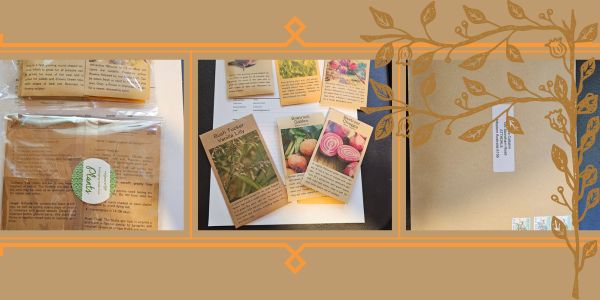
Not only are our seeds packed in recycled paper envelopes, we keep the theme going when we post out website orders. To protect your seeds from moisture and the letter box munchers (snails), we use a very special plastic free material made from plants. They are then put into recycled mailing envelopes. Green all the way ????????
Delivery Guarantee
We take great care to make sure your seeds arrive safely. If your order is lost or damaged in transit, we’ll happily send a replacement. Unfortunately, we can’t replace or refund orders that arrive later than the estimated delivery date, as delays can sometimes occur that are outside our control.
Please note that all dispatch and delivery times listed are estimates only. While we do our best to post promptly, delivery timeframes can vary due to postal service delays, weather events, or other unforeseen circumstances. We’re unable to take responsibility for any loss, damage, or cost that results from a late delivery.
An order is not considered missing until at least 20 business days have passed from the postage date. You’ll receive an email once your seeds have been posted, letting you know they’re on their way. If you don’t see it in your main inbox, please check your Spam or Promotions folders as sometimes our emails like to hide there.
See all our verified customer reviews on our official CusRev profile.
See all our verified customer reviews on our official CusRev profile.
See all our verified customer reviews on our official CusRev profile.