

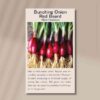

Bunching Onion Red Beard
$4.95
Allium Fistulosum
- Seed Count 120
- Versatile Plant
- Perennial
In stock
Description
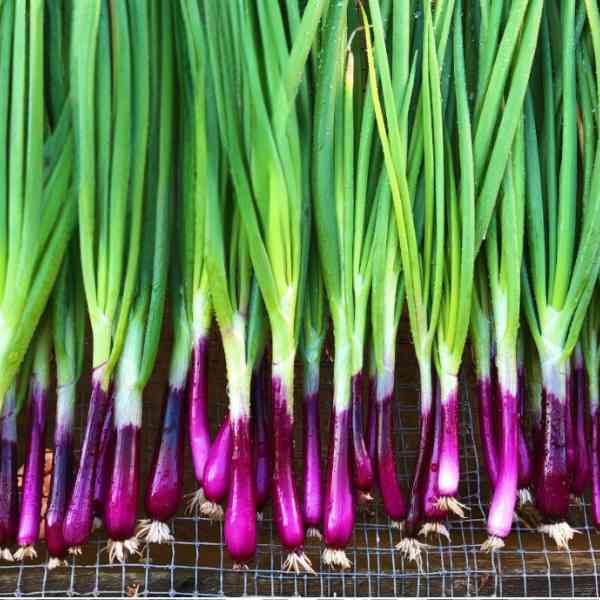
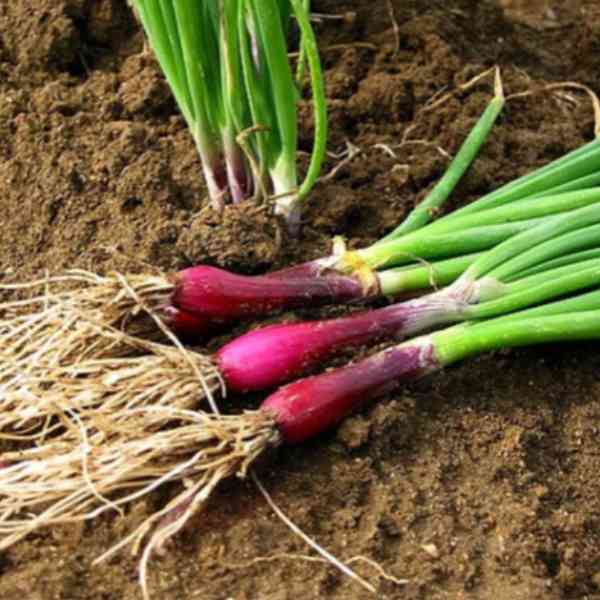
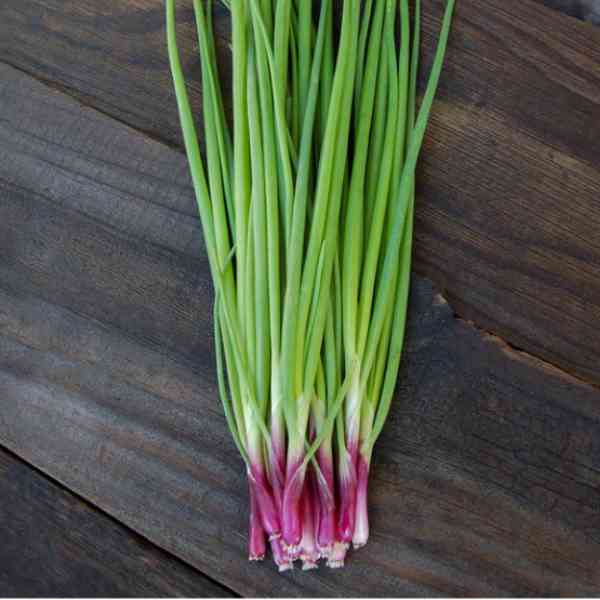
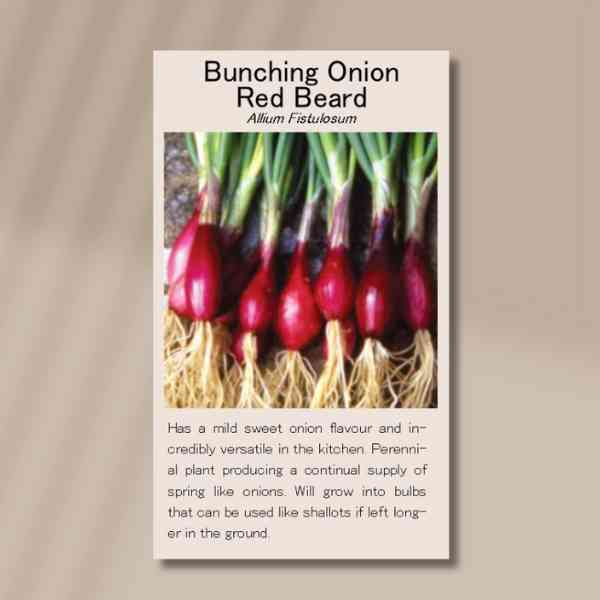
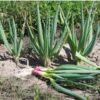
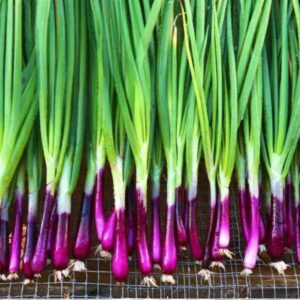
The Bunching Onion Red Beard is a vegetable, a herb, and a garden companion all in one with Its most striking feature being, without doubt, its colour. Red Beard does not produce the familiar, stark white shafts of a common spring onion. Instead, it sends up clusters of stems that are a deep, purple-red, rising from a bed of green foliage.
It has a a mild, sweet onion taste which makes it an incredibly versatile kitchen ingredient. It can be chopped raw and scattered over a salad, where it provides a gentle onion note and a spectacular splash of colour. It can be quickly stir-fried, which will soften its texture and mellow its flavour even further, or used as a garnish on soups and grilled meats.
If you are impatient for a harvest, you can simply snip the green stems, using them as you would any spring onion. The plant will respond by producing more stems from its base, offering a cut-and-come-again bounty. However, if you exercise a little patience and leave the plants in the ground, they will reward you in a different way.
The bases will slowly swell, forming clusters of small, red-skinned bulbs that can be used precisely as you would use shallots. This one packet of seeds effectively provides two distinct crops, offering both the quick gratification of a spring onion and the deeper, richer reward of a shallot substitute.
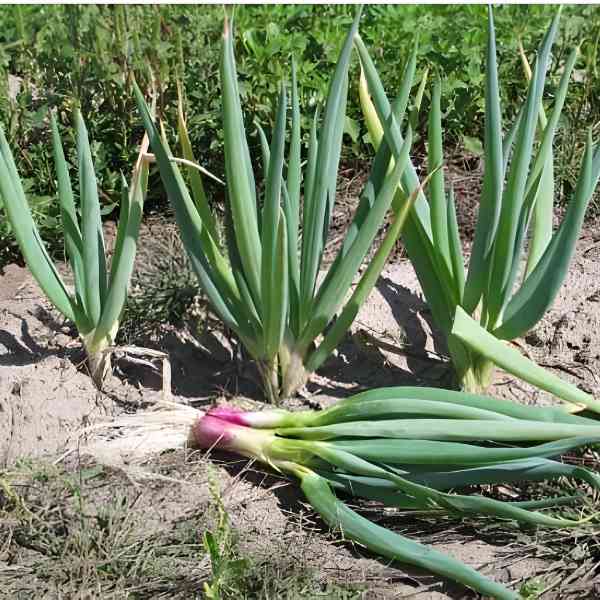
Once its clump is established from seed, it becomes a remarkably self-sufficient perennial. It settles in, building a strong root system, and then simply gets on with the business of growing. Its hardy and pest-resistant nature is one of its greatest assets.
Perhaps its most compelling quality for the diverse Australian climate is its sheer hardiness. It will persevere through the long, hot summers of subtropical and tropical regions, provided it has some moisture and a little respite from the most intense afternoon sun. It is very easy to grow from seed, germinating reliably and establishing itself without fuss.
Related Articles: Bunching Onions
| Method: Sow direct | Soil Temp: 10°C - 20°C |
| Cool Mountain Sep - Jun | Position: Full sun |
| Arid: Sep - Dec | Row Spacing: 2 cm |
| Temperate: Aug - Nov | Planting Depth: 3 mm |
| Sub Tropical: Mar - Sep | Harvest: 75 Days |
| Tropical: May - Aug | Plant Height: 50 cm |
🌱 Bunching Onion Grow Guide
🌿 Overview
Bunching onion is a reliable, space-saving, and highly useful kitchen garden crop grown for its tender green stems, mild onion flavour, and ability to be harvested over a long period. Unlike bulb onions, bunching onions are usually grown for their upright green leaves and slim white stems rather than large bulbs. They suit garden beds, raised beds, containers, and small-space growing, making them one of the easiest edible crops for home gardeners.
They are well suited to repeated harvesting, especially when picked carefully so the base of the plant remains intact. With steady moisture, good light, and fertile soil, bunching onions can provide a continuous supply of fresh greens for salads, stir-fries, soups, omelettes, noodles, and garnishes.
🌱 Sowing in Trays vs Direct Sowing
Bunching onion can be grown successfully by both sowing in trays and direct sowing, but each method has advantages.
Sowing in trays gives better control over moisture, spacing, and early growth. Seeds are small and can be slow to establish, so trays make it easier to protect young seedlings from drying out, heavy rain, pests, and competition from weeds. Sow seeds into a quality seed-raising mix, cover lightly, and keep evenly moist. Once seedlings are strong enough to handle and have a few upright leaves, they can be transplanted into their final growing position.
Direct sowing is also effective, especially in well-prepared soil with fine texture. Seeds should be sown shallowly into weed-free soil, then kept consistently moist until germination and early establishment. The main drawback is that tiny seedlings can be outcompeted by weeds or damaged by slugs, snails, birds, or drying conditions.
For most home gardeners, sowing in trays is the best method because it gives stronger establishment and more reliable results. Direct sowing is still worthwhile for larger plantings or gardeners who already have finely prepared, weed-free beds.
💧 Seed Pre-Treatment
Bunching onion seed does not require special pre-treatment. No soaking, chilling, scarifying, or heat treatment is needed.
For best results, use fresh seed, as onion-family seeds often lose strength faster than many other vegetable seeds. Older seed may still germinate, but rates can be patchy. Keeping the seed-raising mix consistently moist is more important than any pre-treatment.
🌞 Soil and Position
Bunching onions grow best in a position with full sun to light partial shade. Strong light encourages upright growth, rich colour, and better flavour. In very hot or exposed sites, a little afternoon protection can help prevent stress and drying.
The soil should be loose, fertile, well-drained, and rich in organic matter. A slightly raised bed is helpful where drainage is poor. Heavy clay should be improved with compost and aged organic matter before sowing or transplanting. Very sandy soil should also be enriched so it holds moisture and nutrients more effectively.
Aim for soil that stays evenly moist but never waterlogged. Bunching onions have relatively shallow roots, so they do not compete well in dry, compacted, or nutrient-poor soil. Before planting, mix in compost and, if needed, a gentle balanced organic fertiliser. Avoid very fresh manure, as it can be too strong and may encourage soft growth.
🌾 Care and Maintenance
Bunching onions are low-maintenance once established, but they perform best with steady care. The most important task is consistent watering. Dry spells can make the stems tough, slow growth, and reduce flavour quality. Water deeply enough to moisten the root zone, then allow the surface to slightly dry before watering again.
Keep the bed weed-free, especially while seedlings are young. Bunching onions are narrow and upright, so weeds can quickly overtake them. Hand weeding is best, as shallow roots can be disturbed by aggressive hoeing.
Feed lightly during active growth with compost tea, seaweed solution, worm liquid, or a balanced vegetable fertiliser. Do not overfeed with high-nitrogen fertilisers, as this may produce lush, weak growth that is more attractive to pests and disease.
Mulching with fine straw, sugar cane mulch, or compost can help hold moisture and reduce weeds. Keep mulch slightly away from the base of the stems to reduce rot risk.
Plants can be grown close together for slender spring-onion-style harvests, or spaced wider if you want larger clumps. If plants become crowded over time, lift and divide clumps, then replant the strongest sections.
🌼 Companion Planting Guide
Bunching onions are excellent companions in many vegetable gardens because their scent may help confuse some pests. They fit neatly between slower-growing crops and along bed edges.
Good companions include carrot, beetroot, lettuce, tomato, capsicum, chilli, brassicas, parsley, chamomile, dill, and strawberry. Their upright growth habit means they do not shade neighbouring plants heavily, and they can make good use of small gaps.
Avoid planting bunching onions too close to beans and peas, as onion-family crops may reduce the vigour of some legumes. It is also best not to repeatedly plant them in the same soil where other onion-family crops have recently grown, as this can increase disease and pest pressure.
A simple companion layout is to grow bunching onions as a border around leafy greens, between carrots, or near tomatoes and capsicums. This makes harvesting easy while improving garden diversity.
✂️ How to Harvest
Bunching onions can be harvested once the stems are thick enough to use. For a gentle ongoing harvest, cut individual leaves or stems with clean scissors, leaving the lower base intact so the plant can regrow.
For whole-plant harvesting, gently loosen the soil and pull the entire plant, including the white stem base. Harvesting after watering or when the soil is slightly moist makes pulling easier and reduces breakage.
For continuous production, harvest the outer stems first and leave younger central growth in place. You can also harvest every second plant to thin a dense patch, allowing the remaining plants to grow stronger.
Use bunching onions fresh for the best flavour. Store harvested stems in the fridge wrapped in a slightly damp cloth or placed in a container to reduce wilting.
🛠️ Common Issues and Fixes
| Issue | Likely Cause | Fix |
|---|---|---|
| Poor germination | Old seed, drying seed mix, sowing too deep | Use fresh seed, sow shallowly, keep evenly moist |
| Thin, weak seedlings | Low light, overcrowding, poor nutrition | Move to brighter light, thin seedlings, feed gently |
| Yellowing leaves | Nutrient deficiency, overwatering, poor drainage | Improve drainage, feed with balanced fertiliser, avoid soggy soil |
| Tips turning brown | Inconsistent watering, heat stress, salt build-up | Water more evenly, mulch lightly, flush pots with clean water |
| Plants rotting at base | Waterlogged soil, mulch touching stems, poor airflow | Improve drainage, pull mulch back, increase spacing |
| Slow growth | Cold soil, compacted soil, low fertility | Add compost, loosen soil, feed lightly |
| Chewed leaves | Slugs, snails, caterpillars | Hand-pick pests, use barriers, encourage beneficial insects |
| Leaves distorted or silvery | Thrips or sap-sucking insects | Spray with water, use insecticidal soap if needed, remove badly affected leaves |
| Plants bolting | Stress, age, crowding | Harvest promptly, maintain moisture, divide crowded clumps |
| Fungal leaf spots | Humid conditions, overhead watering, poor airflow | Water at soil level, remove affected leaves, improve spacing |
🌰 Detailed Seed Saving Guide
Saving seed from bunching onion is very achievable, but it requires patience because plants need to mature fully and produce flower heads.
Choose the healthiest, strongest plants for seed saving. Avoid saving seed from weak, diseased, or poor-flavoured plants. Let selected plants remain in the garden without heavy harvesting so they can build enough strength to flower.
Bunching onions produce rounded flower heads made up of many small flowers. Allow these flowers to fully open and be visited by pollinators. Good pollination improves seed quantity and quality. Once flowering finishes, the seed heads will gradually dry and turn papery.
Do not harvest seed too early. Wait until the flower heads are mostly dry and you can see small black seeds forming inside the capsules. If wet weather threatens, cut the seed heads and finish drying them indoors in a warm, airy place.
To collect the seed, place the dry seed heads in a paper bag and gently shake or rub them. The small black seeds will fall out along with dry chaff. Separate the seed by lightly blowing away the chaff or using a fine sieve.
After cleaning, spread the seed on a plate or paper towel for several more days to ensure it is fully dry. Store in a labelled paper envelope or airtight jar in a cool, dry, dark place. Include the crop name and collection date.
For best results, use saved seed soon, as bunching onion seed is usually most reliable when fresh. Well-stored seed may remain useful for a short period, but germination can decline noticeably over time.
🌟 Final Thoughts
Bunching onion is one of the most practical and rewarding vegetables to grow at home. It is compact, productive, easy to harvest, and useful in everyday cooking. While it can be direct sown, starting seeds in trays is usually the most reliable method, especially for gardeners wanting strong seedlings and better control during early growth.
With fertile soil, steady moisture, good light, and regular harvesting, bunching onions can provide a generous supply of fresh green stems from a small space. They also fit beautifully into companion planting systems and are a valuable crop for gardeners who want simple, dependable harvests with minimal fuss.
7 reviews for Bunching Onion Red Beard
| 5 star | 100% | |
| 4 star | 0% | |
| 3 star | 0% | |
| 2 star | 0% | |
| 1 star | 0% |

Postage Charge
Orders under $35 attract a $4.95 shipping charge. Orders $35 and above have free shipping.
Order Times
Seed orders are normally dispatched within three business days. You will receive an email when seeds are mailed out.
Postage Days
Seeds are mailed out Tuesday to Friday at 1pm. Except for the Friday of long weekends.
Postage Times
WA 2-3 Days: SA,NT 3-5 Days: NSW, ACT, QLD, VIC: 5-7 Days
Carrier
We use Australia Post Letter Postage for the majority of orders
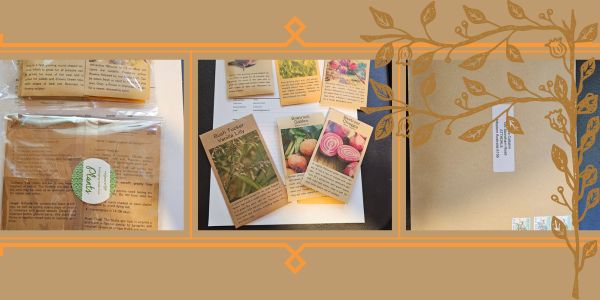
Not only are our seeds packed in recycled paper envelopes, we keep the theme going when we post out website orders. To protect your seeds from moisture and the letter box munchers (snails), we use a very special plastic free material made from plants. They are then put into recycled mailing envelopes. Green all the way ????????
Delivery Guarantee
We take great care to make sure your seeds arrive safely. If your order is lost or damaged in transit, we’ll happily send a replacement. Unfortunately, we can’t replace or refund orders that arrive later than the estimated delivery date, as delays can sometimes occur that are outside our control.
Please note that all dispatch and delivery times listed are estimates only. While we do our best to post promptly, delivery timeframes can vary due to postal service delays, weather events, or other unforeseen circumstances. We’re unable to take responsibility for any loss, damage, or cost that results from a late delivery.
An order is not considered missing until at least 20 business days have passed from the postage date. You’ll receive an email once your seeds have been posted, letting you know they’re on their way. If you don’t see it in your main inbox, please check your Spam or Promotions folders as sometimes our emails like to hide there.
See all our verified customer reviews on our official CusRev profile.
See all our verified customer reviews on our official CusRev profile.
See all our verified customer reviews on our official CusRev profile.
See all our verified customer reviews on our official CusRev profile.
See all our verified customer reviews on our official CusRev profile.