
Bean Giant Of Stuttgart
$4.95
Phaseolus Vulgaris
- Seed Count 20
- 30 cm Long
- Annual
Out of stock
Email when stock available
Description
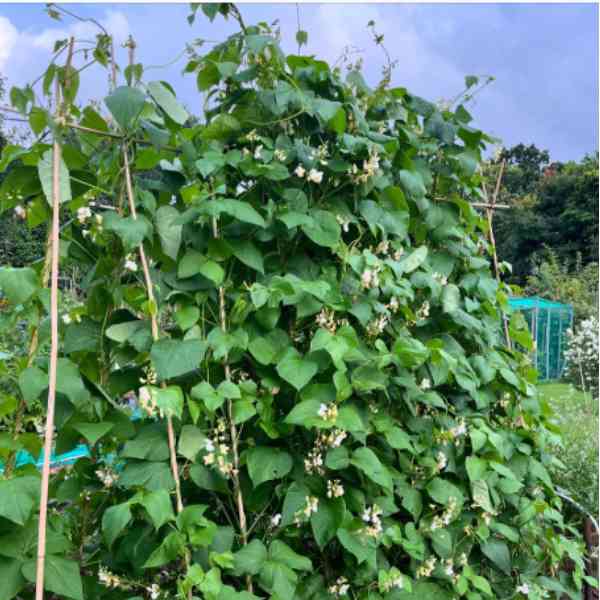
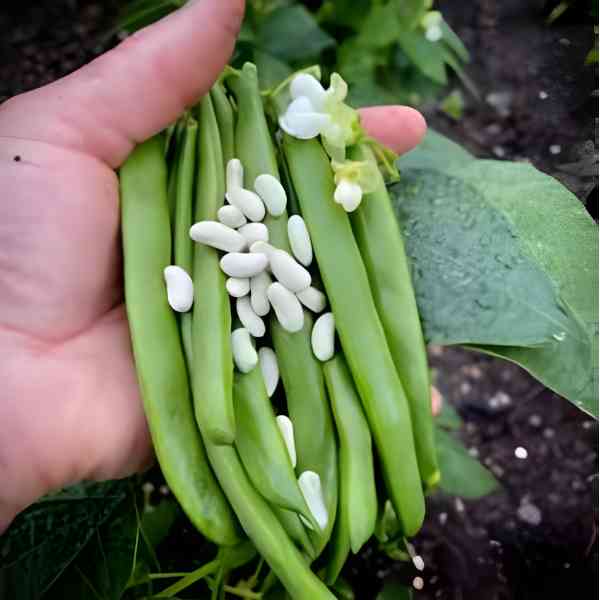
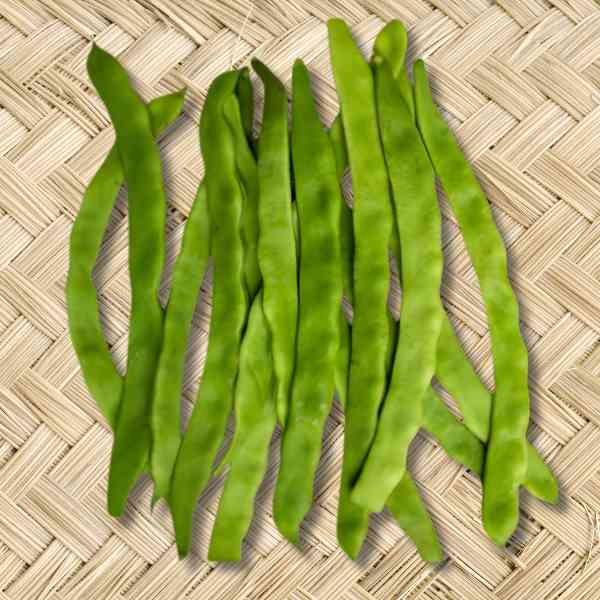
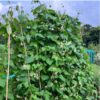
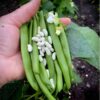
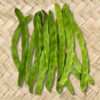
The Bean Giant of Stuttgart is one of those rare heirlooms that really does live up to its name. It is a giant climbing bean that produces a bumper harvest that just keeps on coming. The first thing that strikes you is the size of the pods. They regularly stretch out to a huge 30 centimeters. They are long, smooth and beautifully formed, the kind of bean that stops visitors at the garden gate. But it is not just about impressive length. Many large beans grow tough as they mature, and you end up losing flavour while wrestling with fibers and strings. That is what makes this variety such a delight. These long pods stay tender and stringless, even when they reach full size.
That stringlessness is a real gift in a busy garden. You can miss a picking day and still find the pods delicious and easy to prepare. The texture remains crisp and fleshy, and the flavour is that classic, full bean taste that works in just about any kitchen dish. Whether you steam them, toss them into a stir fry, or slice them up for freezing, they feel right at home.
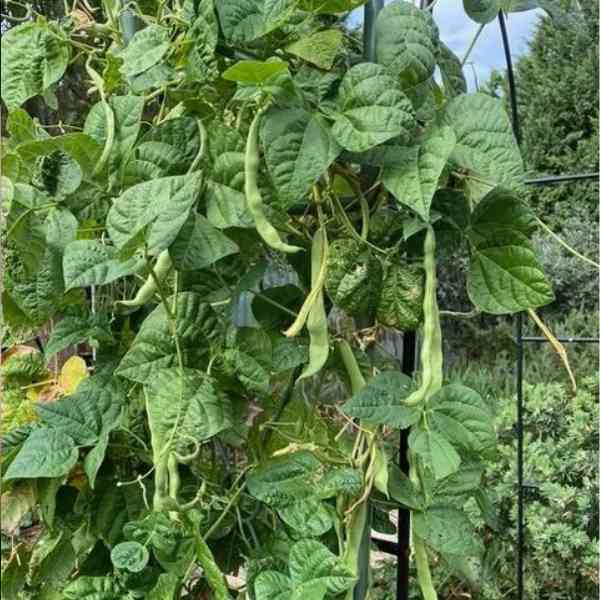
Of course, size alone would not keep this variety around if it did not produce well. The real magic of the Bean Giant of Stuttgart is its sheer productivity. Once it starts cropping, it hardly seems to stop. The vines settle into a steady rhythm, and every time you wander past with a basket, you fill it. Gardeners often call this a true bumper cropper, and it is no exaggeration. You can grow a handful of plants and be set for weeks of picking. If you like filling the freezer or putting up jars of pickled beans, this variety makes the job easy. It feels like each vine is doing more than its fair share.
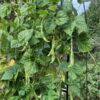
Because it is a climbing type, it does need something solid to grow on. A bean of this size and enthusiasm is not going to behave itself on a flimsy stake. A strong trellis or a row of sturdy poles will serve you well. Once it gets going, it cloaks its support in lush green foliage and long, impressive pods. In smaller gardens, that vertical growth is a real advantage. You gain height instead of losing space, and you can tuck herbs or greens at the base without crowding anything out.
Sun is one thing this bean does not compromise on. It thrives in a bright, open position where it can soak up warmth all day. With enough sunshine, it rewards you quickly. You will usually be picking in around ten weeks from sowing. That short turnaround is handy whether you garden in a cooler region or simply like to keep your beds turning over during the warmer months. You plant it, train it, and before long, you are gathering armloads of food.
| Method: Sow direct | Soil Temp: 16°C - 30°C |
| Cool Mountain: Oct - Dec | Position: Full sun |
| Arid: Sep - Jan | Row Spacing: 20cm |
| Temperate: Sep - Jan | Planting Depth: 10mm |
| Sub Tropical: Aug - Apr | Harvest: 70 Days |
| Tropical: Apr - Jul | Plant Height: 2m |
🫘 Climbing Bean Grow Guide
Climbing beans are vigorous, productive vegetables grown for their long tender pods, fresh shelling beans, or mature dry beans, depending on the type. They are excellent for gardeners who want a generous crop from a small footprint because they grow upward rather than sprawling across the ground. With a strong support, rich but not overfed soil, steady moisture, and regular harvesting, climbing beans can produce heavily over a long period.
Climbing beans are also attractive plants. Their twining stems, leafy growth, and flowers can soften fences, trellises, arches, teepees, and garden frames. They are useful in vegetable beds, raised beds, large containers, and edible garden borders. The main keys to success are direct sowing, strong support, consistent watering, and frequent picking.
🌱 Sowing in Trays Versus Direct Sowing
Climbing beans can be started in trays, but direct sowing is usually the best method. Bean seed is large, easy to handle, and germinates well when sown straight into prepared soil. Direct sowing also avoids root disturbance, which beans dislike. If seedlings are transplanted roughly or become root-bound, they may stall, weaken, or crop poorly.
To direct sow, prepare a loose, weed-free bed near a support structure. Sow seed about 2 to 3 cm deep, cover with soil, and water gently. Keep the soil lightly moist during germination, but not soggy. Once seedlings appear, guide them toward their support if needed. Most climbing beans will begin twining naturally once they find something to climb.
Tray sowing is useful when pests are likely to damage seed or young seedlings. Use deep cells, small pots, or biodegradable pots rather than shallow trays. Sow one seed per pot and plant out while seedlings are still young. Handle the whole root ball carefully and avoid teasing the roots apart.
For most gardeners, direct sowing beside the final support is preferred because it gives stronger root establishment and less transplant stress.
🌾 Seed Pre-Treatment
Climbing bean seed does not require special pre-treatment. There is usually no need for soaking, chilling, or scarifying.
A short soak for a few hours can help speed germination if seed is very dry, but this is optional. Do not soak for too long, as over-soaked bean seed can split, rot, or become weak before planting. If soaked, sow the seed straight away.
A legume inoculant can be useful in new garden beds or soil where beans have not been grown before. This encourages beneficial bacteria around the roots. It is not essential in every garden, but it can support stronger growth in some soils.
The most important requirement is free-draining soil. Bean seed can rot if it sits in cold, wet, compacted, or waterlogged ground.
🌞 Soil and Position
Climbing beans grow best in full sun with loose, fertile, free-draining soil. A bright position supports strong vine growth, flowering, and pod production. They can tolerate light shade, but too much shade usually reduces flowering and harvest size.
The soil should be moderately fertile, crumbly, and moisture-retentive without becoming wet. Before sowing, loosen the soil and mix in compost or well-rotted organic matter if the ground is poor. Avoid heavy applications of high-nitrogen fertiliser, as too much nitrogen can produce lots of leafy growth with fewer pods.
Good drainage is important. In heavy soil, improve the structure with compost and plant into a slightly raised bed if needed. In sandy soil, compost helps hold moisture and nutrients.
Climbing beans can grow well in large containers, but they need depth, steady moisture, and a strong support. Use a large pot with drainage holes and a quality potting mix. A small pot is not ideal because climbing beans grow quickly and can dry out fast.
Install supports before sowing or at sowing time. Good options include bamboo teepees, trellis panels, mesh, arches, string frames, fences, or strong stakes. The support must be tall and sturdy enough to hold heavy leafy vines and pods.
💧 Care and Maintenance
Climbing beans are easy to grow once established, but they need steady moisture and strong support. Water regularly, especially during flowering and pod formation. Dry stress can cause flowers to drop, pods to become tough, and cropping to slow.
Water at the base of the plant where possible. Keeping leaves drier helps reduce fungal disease. Mulch around established plants to conserve moisture, suppress weeds, and protect shallow roots. Keep mulch slightly away from the stem base to reduce the risk of rot.
Guide young vines onto their supports if they do not find them naturally. Once they begin climbing, they usually twine upward without much help. If vines become too tangled or heavy, gently tie loose growth to the support with soft garden ties.
Feeding should be gentle. If the soil has been improved with compost, climbing beans often need little extra fertiliser. If growth is pale or weak, use a light balanced feed. Avoid strong nitrogen-rich fertilisers, as they can encourage leaves instead of pods.
Pick pods regularly once they are ready. This is one of the most important maintenance tasks. If mature pods are left on the plant, it may slow down new flower and pod production.
🐝 Companion Planting Guide
Climbing beans are excellent in mixed vegetable gardens because they grow vertically and fit well with many crops. Their flowers attract pollinators, and their roots support healthy soil biology.
Good companions include corn, cucumber, carrots, celery, lettuce, spinach, silverbeet, beetroot, radish, potato, eggplant, capsicum, tomato, cabbage, broccoli, kale, calendula, marigold, nasturtium, alyssum, chamomile, dill, coriander, parsley, and yarrow.
Corn can be used nearby, though it must be strong enough if beans are expected to climb it. Flowers such as calendula, alyssum, marigold, nasturtium, and yarrow help attract beneficial insects and improve garden diversity.
Leafy greens can grow well nearby, especially while bean vines are still small. Quick crops such as radish and lettuce can make use of space around young beans before the vines become dense.
Avoid planting climbing beans too close to onions, garlic, leeks, and chives if following traditional companion planting practices. Also avoid planting them where they will shade small sun-loving crops too heavily.
✂️ How to Harvest
Harvest climbing beans when pods are young, firm, and tender. For fresh green beans, pick before the seeds inside swell too much. Pods should snap cleanly and feel crisp rather than tough or stringy.
Use two hands when harvesting. Hold the vine with one hand and pick the pod with the other so you do not pull the plant off its support. Clean scissors or snips can also be used.
Pick often. Regular harvesting encourages more flowers and pods. If pods are left to mature fully, the plant will begin putting energy into seed production and fresh pod production may slow.
For shelling beans, allow pods to fill out before picking. For dry beans, leave pods on the vine until they are dry, papery, and brown. If damp conditions threaten when pods are nearly dry, cut the vines and hang them in a dry, airy place to finish drying.
⚠️ Common Issues and Fixes
| Issue | Likely Cause | Fix |
|---|---|---|
| Poor germination | Old seed, wet soil, seed rotting, seed sown too deeply | Use fresh seed, sow at the correct depth, improve drainage |
| Seedlings disappear | Birds, rodents, slugs, snails, or insects | Protect seedlings with mesh, barriers, or covers |
| Seedlings collapse | Overwatering, poor airflow, fungal disease | Avoid soggy soil and improve spacing |
| Vines fail to climb | No support, support too smooth, vines not guided early | Provide mesh, strings, teepees, or rough stakes and guide young vines |
| Yellow leaves | Waterlogging, nutrient stress, poor drainage, old leaves | Improve drainage, feed lightly, remove old leaves |
| Lots of leaves but few pods | Too much nitrogen, not enough sun, poor flowering | Reduce nitrogen feeding, increase light, avoid overfeeding |
| Flowers drop | Dry soil, heat stress, poor pollination, plant stress | Water evenly, mulch, keep plants healthy |
| Pods are tough or stringy | Harvested too late, dry stress, plant ageing | Pick younger pods and water consistently |
| Misshapen pods | Irregular watering, incomplete pollination, pest damage | Keep moisture steady and inspect for pests |
| Rust spots on leaves | Fungal disease encouraged by damp foliage | Improve airflow, water at soil level, remove affected leaves |
| Powdery mildew | Poor airflow, crowded vines, dry roots with humid air | Space plants well, mulch, water deeply at soil level |
| Aphids | Soft new growth attracting sap-sucking insects | Hose off gently and encourage ladybirds and hoverflies |
| Bean fly or stem damage | Pest larvae damaging young stems | Protect seedlings, remove badly affected plants, rotate planting areas |
| Spider mites | Hot, dry, stressed plants | Water consistently, rinse foliage gently, encourage beneficial insects |
| Chewed leaves | Beetles, caterpillars, slugs, or snails | Inspect regularly, hand-pick pests, protect young plants |
| Vines pull down support | Weak frame, heavy growth, wind exposure | Use stronger supports and secure frames firmly |
| Poor pod set | Low light, moisture stress, lack of pollinators | Grow in full sun, water consistently, plant pollinator flowers nearby |
🌰 Detailed Seed Saving Guide
Saving climbing bean seed is simple and worthwhile. Beans are mostly self-pollinating, so saved seed often grows close to the parent type, although occasional insect crossing can happen if different bean varieties are flowering close together.
Choose healthy, productive plants with strong vines, good pod shape, good flavour, and no signs of disease. Avoid saving seed from weak plants, poor croppers, plants that struggled badly with pests, or plants with diseased foliage.
Select several of the best plants and leave some pods on them to mature fully. Do not pick these pods for eating. The pods need to stay on the vine until they become dry, papery, and brown. The beans inside should feel hard.
If wet conditions arrive before pods are fully dry, cut the vines or pick nearly dry pods and finish drying them in a warm, shaded, airy place. Make sure there is good airflow so pods do not mould.
Once pods are completely dry, shell the beans by hand. Keep only firm, full, healthy-looking seeds. Discard any that are shrivelled, cracked, mouldy, insect-damaged, unusually small, or discoloured.
Spread the shelled beans in a single layer on a tray or paper towel for several more days to ensure they are fully dry. This extra drying step is important because beans stored with hidden moisture can mould.
Store the seed in a labelled paper envelope or airtight jar. Include the plant name, pod colour or type, and collection date. Keep seed in a cool, dark, dry place. For extra protection against bean weevils, fully dried seed can be frozen briefly before storage, then allowed to return to room temperature before opening the container.
For stronger future crops, save seed from several healthy plants rather than just one. This helps maintain vigour and gives you a better selection of seedlings later.
🌿 Final Thoughts
Climbing beans are productive, space-saving, and satisfying to grow from seed. They are best direct sown beside their final support because they germinate readily and dislike root disturbance. No special seed pre-treatment is required, though a short soak or legume inoculant can be helpful in some situations.
Give climbing beans full sun, loose free-draining soil, steady moisture, and a strong trellis or frame. Pick pods often while they are young and tender, or leave selected pods to mature for seed saving. With simple care and sturdy support, climbing beans can provide a generous vertical harvest from a small garden space.
1 review for Bean Giant Of Stuttgart
| 5 star | 100% | |
| 4 star | 0% | |
| 3 star | 0% | |
| 2 star | 0% | |
| 1 star | 0% |

Postage Charge
Orders under $35 attract a $4.95 shipping charge. Orders $35 and above have free shipping.
Order Times
Seed orders are normally dispatched within three business days. You will receive an email when seeds are mailed out.
Postage Days
Seeds are mailed out Tuesday to Friday at 1pm. Except for the Friday of long weekends.
Postage Times
WA 2-3 Days: SA,NT 3-5 Days: NSW, ACT, QLD, VIC: 5-7 Days
Carrier
We use Australia Post Letter Postage for the majority of orders

Not only are our seeds packed in recycled paper envelopes, we keep the theme going when we post out website orders. To protect your seeds from moisture and the letter box munchers (snails), we use a very special plastic free material made from plants. They are then put into recycled mailing envelopes. Green all the way ????????
Delivery Guarantee
We take great care to make sure your seeds arrive safely. If your order is lost or damaged in transit, we’ll happily send a replacement. Unfortunately, we can’t replace or refund orders that arrive later than the estimated delivery date, as delays can sometimes occur that are outside our control.
Please note that all dispatch and delivery times listed are estimates only. While we do our best to post promptly, delivery timeframes can vary due to postal service delays, weather events, or other unforeseen circumstances. We’re unable to take responsibility for any loss, damage, or cost that results from a late delivery.
An order is not considered missing until at least 20 business days have passed from the postage date. You’ll receive an email once your seeds have been posted, letting you know they’re on their way. If you don’t see it in your main inbox, please check your Spam or Promotions folders as sometimes our emails like to hide there.
Just planted these and looking forward to seeing them grow. The quality of the seed seems fresh and viable.
See all our verified customer reviews on our official CusRev profile.