

Asparagus Argenteuil
$4.95
Asparagus Officinalis
- Seed Count 15
- Large Fast Growing Spears
- Perennial
Out of stock
Email when stock available
Description
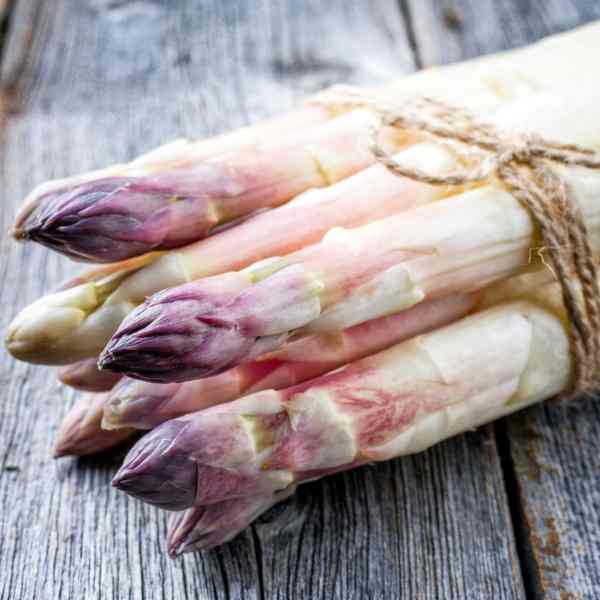
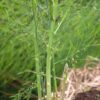
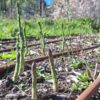
Asparagus Argenteuil hails from the 19th-century market gardens of Argenteuil, France—a region celebrated for its delicate produce. This heirloom variety has earned its stripes through consistent performance and exceptional flavour. Its thick, ivory-white spears, tinged with faint purple at the tips, are a gourmet favourite, long prized by chefs for their tender texture and subtly sweet, nutty profile.
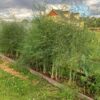
This variety’s robust nature makes it adaptable to a range of climates, from temperate southern regions to subtropical zones, provided it’s given room to establish its deep, perennial root system. While patience is required—those first harvests arrive in two to three years—the reward is a decades-long supply of springtime shoots, year after year.
Once settled, it becomes a low-maintenance fixture in the garden, shrugging off pests and diseases with the resilience of a plant bred for sustenance and its mature crowns yield generously, making it a practical investment for households aiming to grow their own gourmet ingredients.
| Method: Start in trays | Soil Temp: 16°C - 30°C |
| Cool Mountain: May - Jul | Position: Full sun |
| Arid: Jan - Jul | Row Spacing: 40 cm |
| Temperate: Aug - Nov | Planting Depth: 10 mm |
| Sub Tropical: Aug - Nov | Harvest: 760 Days |
| Tropical: May - Jul | Plant Height: 150 cm |
🌿 Asparagus Grow Guide
🌱 Overview
Asparagus is a long-lived perennial vegetable grown for its tender young spears, ferny foliage, and excellent value in a permanent edible garden. It is not a quick crop, but it is one of the most rewarding vegetables for patient growers because a well-established bed can keep producing for many years.
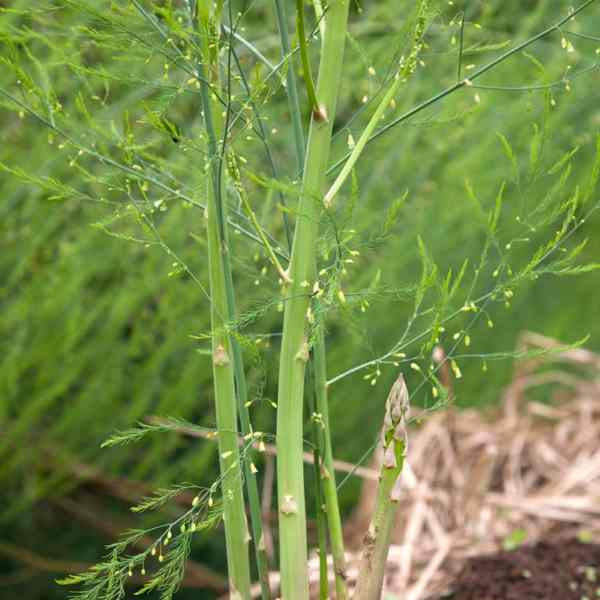
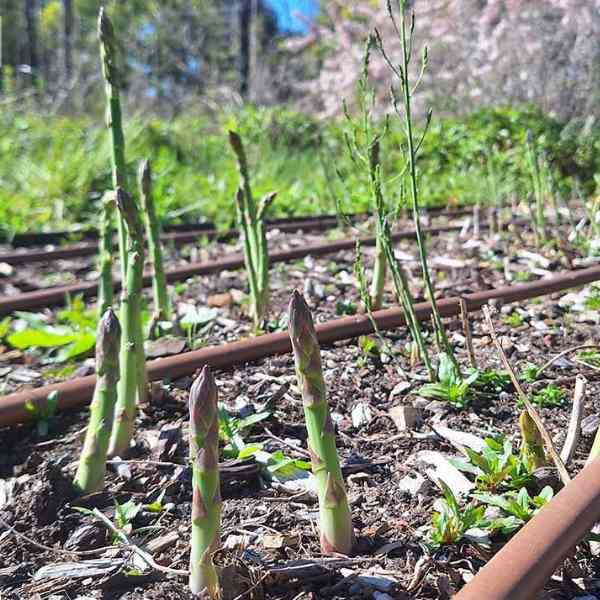
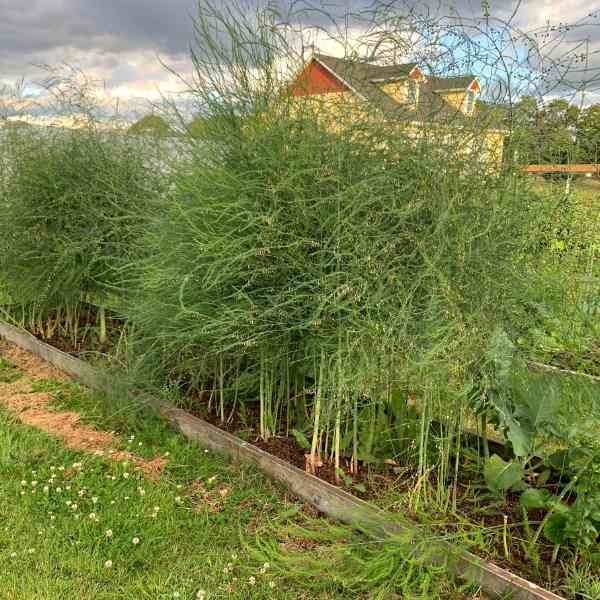
Asparagus is grown mainly for the young shoots that emerge from the crown. These spears are harvested while still firm and tender, before they open into tall feathery fern growth. The fern stage is very important because it feeds the crown and builds energy for future harvests.
Seed-grown asparagus takes patience. The first stage is about building strong roots and crowns rather than harvesting heavily. Once established, the plant becomes tough, productive, and surprisingly low maintenance, provided it has deep soil, good drainage, steady moisture, and a weed-free bed.
🌾 Sowing in Trays Versus Direct Sowing
Asparagus can be grown by sowing in trays or by direct sowing, but tray sowing is usually the best method for home gardeners. The seed is easy enough to handle, but seedlings are slow at first and benefit from protection while they develop. Starting in trays allows you to control moisture, warmth, spacing, and early growth before planting into a permanent bed.
To sow in trays, use deep cells, forestry tubes, or small pots rather than shallow punnets. Fill with a quality seed-raising mix, sow seed about 1 to 2 cm deep, cover lightly, and water gently. Keep the mix evenly moist but not soggy. Once seedlings are strong and have developed ferny top growth, they can be potted on or planted into their final bed.
Direct sowing is possible, but it is less reliable. Young asparagus seedlings grow slowly and are easily overwhelmed by weeds, pests, drying soil, or heavy rain. Direct sowing also makes spacing and bed preparation more difficult.
Best method: tray sowing is recommended because asparagus is a permanent crop and strong early plants are worth the extra care. Raise seedlings first, then plant only the healthiest ones into the final bed.
💧 Seed Pretreatment
Asparagus seed does not require pretreatment, but soaking can improve and speed up germination. The seed coat can be slow to take up water, so a simple soak is helpful.
Soak seeds in room-temperature water for 12 to 24 hours before sowing. After soaking, sow them promptly into moist seed-raising mix. Do not leave the seed soaking for several days, as it may rot.
No scarifying, smoke treatment, or chilling is needed. The most important factors are fresh seed, warmth, steady moisture, and patience. Germination can be uneven, so do not discard trays too quickly.
🪴 Soil and Position
Asparagus needs a permanent position because it does not like being moved once established. Choose the site carefully before planting, as the bed may stay productive for many years.
The best soil is deep, fertile, well drained, and rich in organic matter. Asparagus roots grow deeply, so shallow, compacted, or waterlogged soil will limit the crop. Before planting, loosen the soil deeply and improve it with compost, aged manure, worm castings, or well-rotted organic matter.
Good drainage is essential. Asparagus crowns can rot in wet soil, especially if water sits around the roots. If the soil is heavy clay, plant into a raised bed or mound to improve drainage.
Choose a position in full sun. Strong sunlight helps the fern growth build energy in the crowns, which leads to better spear production later. Light shade may be tolerated, but harvests are usually weaker.
Avoid planting asparagus where it will be disturbed by regular digging. It is best placed along the edge of a vegetable garden, in a dedicated perennial bed, or in a permanent edible border.
🌿 Care and Maintenance
Asparagus care is mostly about patience, feeding the crowns, and keeping the bed weed-free. Young plants should be watered regularly while they establish. Once mature, asparagus becomes more resilient, but steady moisture during active spear and fern growth helps produce better results.
Mulch the bed with straw, composted leaves, sugarcane mulch, or aged compost. Mulch helps conserve moisture, suppress weeds, and protect the soil surface. Keep mulch loose around emerging spears so they can push through easily.
Weed control is very important. Asparagus dislikes competition, and deep hoeing can damage crowns and roots. Remove weeds by hand or use shallow weeding only. A thick mulch is one of the best ways to reduce weed pressure.
Feed asparagus regularly because it is a long-term productive crop. Add compost or aged manure around the bed and water it in well. A balanced organic vegetable fertiliser can also be applied during active growth. Avoid placing strong fertiliser directly onto crowns.
Do not cut down healthy fern growth too early. The tall ferny stems are feeding the crown. Allow them to grow, photosynthesise, and naturally yellow before cutting them back. Removing green fern growth too soon weakens future harvests.
🌼 Companion Planting Guide
Asparagus works best with companions that do not disturb its roots or compete too heavily. Because the bed is permanent, choose plants that are shallow-rooted, useful for insect attraction, or easy to remove.
Good companions include parsley, basil, dill, coriander, calendula, alyssum, marigold, nasturtium, lettuce, spinach, strawberries, tomato, chives, garlic chives, thyme, and oregano.
Flowers such as calendula, alyssum, dill, coriander, and marigold attract beneficial insects, including hoverflies, lacewings, bees, and small parasitic wasps. These help create a healthier garden environment around the asparagus bed.
Parsley and basil can fit well near the edge of the bed, while shallow leafy greens can be used in spare spaces during the early years before the asparagus canopy becomes large.
Avoid planting asparagus with deep-rooted or aggressive crops that require heavy digging. Potatoes, large root crops, pumpkins, melons, and vigorous spreading plants are poor choices near asparagus because they can disturb crowns, shade fern growth, or compete strongly for nutrients and water.
✂️ How to Harvest
Asparagus should not be harvested heavily while young. Seed-grown plants need time to build strong crowns before they can support regular cutting. In the early years, focus on plant strength rather than spear quantity.
Harvest spears when they are firm, straight, and around finger thickness, before the tips open. Cut or snap spears close to soil level. Snapping often breaks the spear naturally at the tender point, while cutting gives a cleaner harvest if done carefully.
Use a sharp knife or clean snips and avoid damaging nearby emerging spears. Harvest regularly once the bed is mature, because spears can grow quickly and become woody if left too long.
Stop harvesting when spear thickness begins to decline. Allow remaining spears to grow into fern. This fern stage restores energy to the crowns and is essential for future harvests.
Fresh asparagus is best eaten soon after picking. It can be steamed, grilled, roasted, stir-fried, shaved raw into salads, added to pasta, or used in soups and omelettes.
⚠️ Common Issues and Fixes
| Issue | Likely Cause | Fix |
|---|---|---|
| Poor germination | Old seed, dry mix, cool conditions, or impatience | Use fresh seed, soak before sowing, keep evenly moist, and allow extra time |
| Seedlings collapse | Overwatering, poor airflow, or damping off | Use clean seed mix, avoid soggy trays, and improve ventilation |
| Weak seedlings | Low light, poor nutrition, or shallow containers | Provide bright light, use deep pots, and pot on if roots become crowded |
| Crowns rot | Waterlogged soil or poor drainage | Plant in raised beds or mounds and avoid wet, compacted soil |
| Thin spears | Young crowns, weak plants, crowding, or overharvesting | Let plants establish longer, feed well, and stop harvesting earlier |
| Few spears | Not enough sun, poor soil, or weak crowns | Improve feeding, increase sunlight, and allow fern growth to rebuild energy |
| Spears become woody | Harvested too late | Pick spears while young, tight, and tender |
| Ferns yellow early | Drought stress, nutrient shortage, or root damage | Water deeply, mulch, and feed with compost or balanced fertiliser |
| Weeds taking over | Permanent bed not mulched or maintained | Hand weed carefully and apply thick organic mulch |
| Beetle damage | Chewing pests feeding on spears or fern | Hand-pick pests, remove eggs, and encourage beneficial insects |
| Aphids | Soft new growth or stressed plants | Hose off gently, encourage ladybirds, and avoid excess nitrogen |
| Ferns falling over | Tall growth, wind, or weak stems | Use light supports or string around the bed to hold fern upright |
| Poor long-term production | Cutting too much, removing fern early, or poor feeding | Reduce harvest pressure, let fern mature, and feed annually |
🌰 Detailed Seed Saving Guide
Saving asparagus seed is possible, but it requires patience because seed forms only after flowering and berry production. Choose strong, healthy plants with vigorous fern growth, thick spears, good disease resistance, and reliable performance. Avoid saving seed from weak, thin, diseased, or poorly producing plants.
Asparagus plants may produce small flowers followed by round berries on female plants. These berries ripen from green to red. Allow berries to mature fully on the plant before collecting them. Wear gloves when handling berries, and do not eat them, as they are not used as an edible crop.
Pick ripe red berries and place them in a bowl of water. Squash them gently to release the seeds from the pulp. Stir the mixture, then rinse several times until the seeds are clean. Use a fine sieve so the seeds are not lost.
Spread the cleaned seed on a ceramic plate, baking paper, or fine mesh screen in a shaded, airy place. Let the seed dry completely for at least a week. Do not store seed while damp, as it can mould.
Once dry, place the seed in a labelled paper envelope inside an airtight jar. Keep it somewhere cool, dark, and dry. Add a silica gel sachet if humidity is an issue.
Label the packet with the plant name, collection date, spear quality, plant vigour, and any useful notes such as “thick spears”, “strong fern growth”, or “best producing plant”.
Seed-grown asparagus can vary from plant to plant. Raise several seedlings and keep the strongest. Because asparagus is a long-term crop, it is worth selecting carefully and planting only the most vigorous young plants into the permanent bed.
🌿 Final Thoughts
Asparagus is a crop for patient gardeners, but the reward is excellent. It takes time to build strong crowns, yet once established, it can provide tender spears year after year with relatively simple care.
For best results, soak seed before sowing, start in deep trays or pots, plant into a permanent full-sun bed, prepare deep fertile soil, mulch well, control weeds carefully, avoid overharvesting, and always allow fern growth to feed the crowns. With patience and good early care, asparagus becomes one of the most valuable perennial vegetables in the garden.
1 review for Asparagus Argenteuil

Postage Charge
Orders under $40 attract a $5.50 shipping charge. Orders $35 and above have free shipping.
*** We cannot deliver to Parcel Lockers ***
Order Times
Seed orders are normally dispatched within three business days. You will receive an email when seeds are mailed out.
Postage Days
Seeds are mailed out Tuesday to Friday at 1pm. Except for the Friday of long weekends.
Postage Times
WA 2-3 Days: SA,NT 3-5 Days: NSW, ACT, QLD, VIC: 5-7 Days
Carrier
We use Australia Post Letter Postage for the majority of orders.
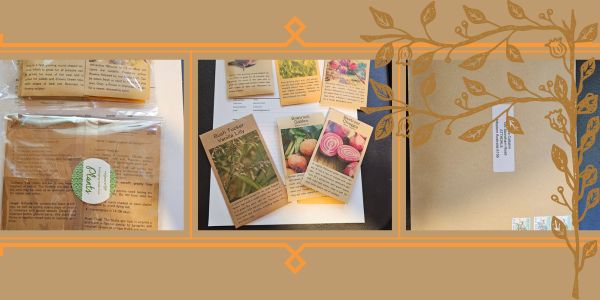
Not only are our seeds packed in recycled paper envelopes, we keep the theme going when we post out website orders. To protect your seeds from moisture and the letter box munchers (snails), we use a very special plastic free material made from plants. They are then put into recycled mailing envelopes. Green all the way ????????
Delivery Guarantee
We take great care to make sure your seeds arrive safely. If your order is lost or damaged in transit, we’ll happily send a replacement. Unfortunately, we can’t replace or refund orders that arrive later than the estimated delivery date, as delays can sometimes occur that are outside our control.
Please note that all dispatch and delivery times listed are estimates only. While we do our best to post promptly, delivery timeframes can vary due to postal service delays, weather events, or other unforeseen circumstances. We’re unable to take responsibility for any loss, damage, or cost that results from a late delivery.
An order is not considered missing until at least 20 business days have passed from the postage date. You’ll receive an email once your seeds have been posted, letting you know they’re on their way. If you don’t see it in your main inbox, please check your Spam or Promotions folders as sometimes our emails like to hide there.
See all our verified customer reviews on our official CusRev profile.