



Ageratum Blue Ball
$4.95
Ageratum Mexicanum
- Seed Count 1000
- Attracts Beneficial Insects
- Annual
- Height 30 cm
In stock
Description
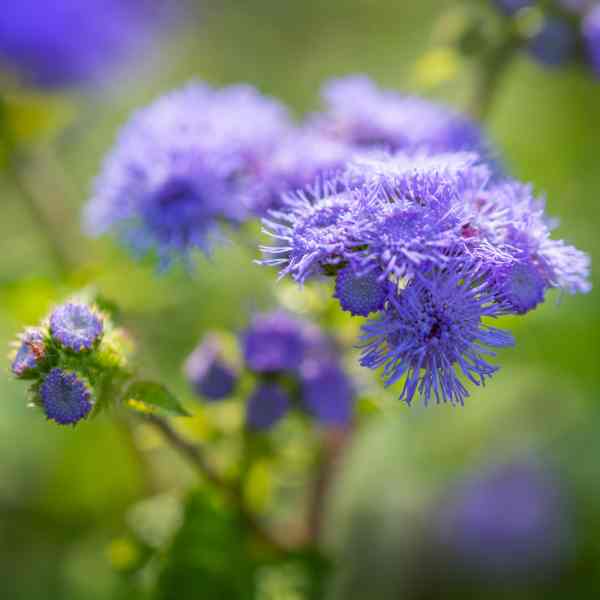
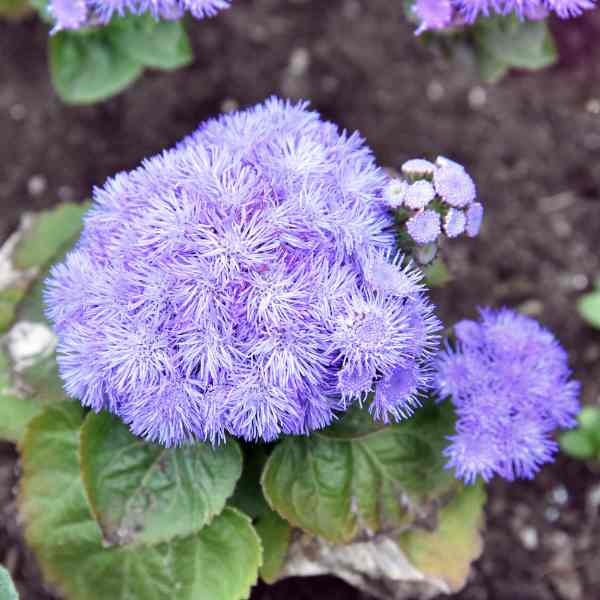
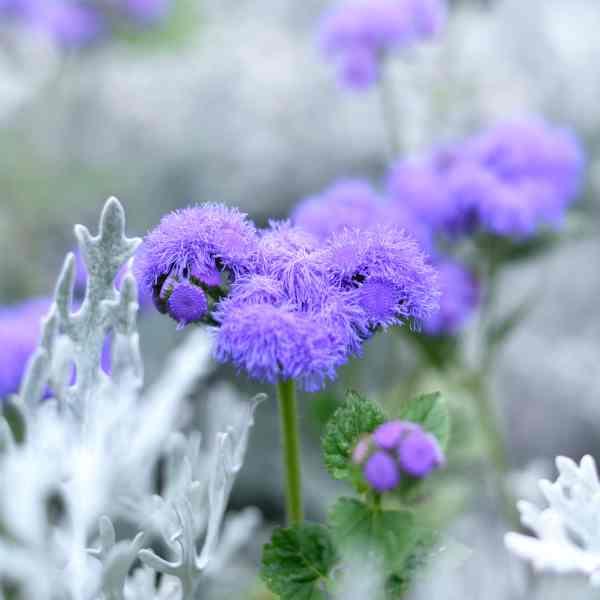
If you’re after a splash of colour that’s as reliable as it is charming, look no further than Ageratum Blue Ball. This compact, mounding annual is a favourite among gardeners for its clusters of fluffy, powder-blue flowers—a rare hue in the plant world that adds a cooling contrast. Hardy and low-maintenance, Blue Ball thrives in Australia’s diverse climates and as a bonus, this ageratum self-seeds modestly in favourable conditions, offering surprise volunteers next season.
Beyond its looks, Ageratum Blue Ball is a pollinator magnet, drawing bees and butterflies with its nectar-rich blooms. Reaching a tidy 30cm in height, it’s perfect for borders, containers, or edging paths, offering a long season of blooms from late spring through autumn. Pair it with white alyssum, sunny marigolds, or fiery zinnias for a vibrant, cottage-style display. The flowers also hold well in vases, bringing that cheerful blue indoors.
As a bonus, this ageratum self-seeds modestly in favourable conditions, offering surprise volunteers next season. Perfect for beginners and seasoned green thumbs alike.
| Method: Start in trays | Soil Temp: 10°C - 25°C |
| Cool Mountain: Sep - Nov | Position: Part Shade |
| Arid: Sep to Nov | Row Spacing: 50 cm |
| Temperate: Sep/Dec, Mar/Apr | Planting Depth: 3 mm |
| Sub Tropical: Sep - Nov | Harvest: 90 Days |
| Tropical: May - Aug | Plant Height: 30 cm |
🌸 Ageratum Grow Guide
🌱 Overview
Ageratum, often called floss flower, is a soft, colourful annual flower grown for its fluffy button-like blooms in shades of blue, purple, lavender, pink, and white. It is popular in borders, pots, cottage gardens, pollinator patches, edging, mass plantings, and cut flower beds. Compact forms create neat mounds, while taller forms are useful for picking and floral work.
Ageratum is usually grown as an ornamental flower, not an edible plant. It should not be used as a culinary flower, tea herb, or garnish. Keep plant material away from pets and livestock that may chew garden plants.
This plant is generally easy from seed, but the seed is very fine and should be handled carefully. The best results come from surface sowing or barely covering the seed, steady moisture, bright light, fertile well-drained soil, and regular deadheading.
🌾 Sowing in Trays Versus Direct Sowing
Ageratum can be grown by sowing in trays or by direct sowing, but tray sowing is usually the best method. The seed is tiny, so it is easy to lose, bury too deeply, wash away, or overcrowd if sown straight into the garden. Starting in trays gives better control over moisture, light, spacing, and early protection from slugs, snails, ants, birds, heavy rain, and weeds.
To sow in trays, fill a punnet, cell tray, or small pot with fine seed-raising mix. Moisten the mix first, then sprinkle the seed thinly over the surface. Press the seed gently onto the mix rather than burying it deeply. A very fine dusting of vermiculite or seed mix is acceptable, but the seed should remain close to the surface because light helps germination. Water with a mist spray or from below so the seed is not displaced.
Direct sowing can work in a finely prepared, weed-free bed, but it is less reliable. If direct sowing, scatter seed thinly, press it gently into the soil surface, and water with a very soft spray. Keep the surface evenly moist until seedlings are established.
Best method: tray sowing is recommended because ageratum seed is extremely fine and young seedlings are easier to protect and space properly in containers.
💧 Seed Pretreatment
Ageratum seed does not require pretreatment. No soaking, chilling, scarifying, or smoke treatment is needed. Fresh seed, shallow sowing, warmth, light, and consistent moisture are the key factors.
Avoid soaking the seed, as it is very small and becomes difficult to handle when wet. The most common reasons for poor germination are old seed, seed being covered too heavily, the seed mix drying out, or rough watering that washes seed into clumps.
🪴 Soil and Position
Ageratum grows best in fertile, well-drained soil with steady moisture. It appreciates compost-enriched soil, but it should not sit in waterlogged ground. A light loam, improved garden bed, raised bed, or quality potting mix works well.
Choose a position in full sun to light part shade. Full sun usually gives the strongest flowering and compact growth, while light afternoon shade can help reduce stress in very hot, exposed spots. Too much shade can lead to leggy plants with fewer flowers.
For pots, use a container with drainage holes and a quality potting mix. Compact varieties are especially suitable for pots, window boxes, and edging containers. Keep pots evenly moist because container-grown plants dry out faster than plants in garden beds.
🌿 Care and Maintenance
Ageratum likes steady care without being fussed over. Keep seedlings evenly moist while they establish, then water deeply whenever the top layer of soil begins to dry. Avoid letting plants wilt repeatedly, as moisture stress can reduce flowering and make plants look tired.
Mulch around garden plants once they are established. Use straw, sugarcane mulch, fine bark, composted leaves, or another light organic mulch. Keep mulch slightly away from the stems so the crown does not stay wet.
Feed lightly but regularly for strong flowering. A mild liquid flower fertiliser or compost-based feed can be used once plants are growing well. Avoid heavy nitrogen feeding, as this can produce lush leaves with fewer flowers.
Pinching young plants can encourage bushier growth, especially in taller varieties. Compact bedding types may not need pinching, but they still benefit from regular light trimming.
Deadheading is one of the most important jobs. Removing faded blooms keeps plants neat and encourages more flowers. If the whole plant becomes tired, trim it lightly to encourage fresh growth. Avoid cutting back too hard into weak, woody, or stressed stems.
Good airflow helps prevent mildew and leaf disease. Do not overcrowd plants, especially in humid or sheltered positions.
🌼 Companion Planting Guide
Ageratum is a useful ornamental companion because its fluffy flowers attract pollinators and beneficial insects. It works well near vegetables, herbs, flower borders, and fruiting crops where extra insect activity is helpful.
Good companions include marigold, calendula, alyssum, cosmos, zinnia, salvia, petunia, snapdragon, cornflower, basil, parsley, dill, coriander, thyme, oregano, lettuce, kale, tomatoes, capsicum, eggplant, beans, and strawberries.
Blue and purple ageratum looks especially good beside orange, yellow, white, and silver plants. Try it with calendula, marigold, zinnia, white alyssum, or silver-leafed herbs for strong contrast.
Avoid planting ageratum beside very aggressive or sprawling plants that will shade it out. Pumpkins, melons, vigorous sweet potato vines, and dense shrubs can overwhelm it. Also avoid wet boggy areas, as ageratum prefers moisture without waterlogging.
✂️ How to Harvest
Ageratum can be harvested for fresh flowers, small posies, floral arrangements, and dried flower projects. It is not a food harvest plant.
For fresh flowers, cut stems when most of the tiny florets in the cluster are open and well coloured. If stems are cut too early, they may wilt or fail to open properly. Use clean snips and harvest in the morning once the foliage is dry.
Remove lower leaves before placing stems in water. For best vase life, place stems into clean water quickly and keep arrangements out of direct heat.
For dried flowers, harvest when blooms are fully open but still fresh in colour. Tie small bunches and hang them upside down in a dry, shaded, airy place. Colour may fade as flowers dry, especially in strong light, so shade drying is best.
⚠️ Common Issues and Fixes
| Issue | Likely Cause | Fix |
|---|---|---|
| Poor germination | Seed is old, buried too deeply, washed away, or kept too dry | Use fresh seed, surface sow, mist gently, and keep evenly moist |
| Seedlings collapse | Damping off from soggy mix or poor airflow | Use clean seed mix, avoid overwatering, and increase ventilation |
| Leggy seedlings | Not enough light or overcrowding | Move to brighter light, thin seedlings, and avoid dense sowing |
| Seedlings disappear | Slugs, snails, ants, birds, or heavy rain | Start in trays, use barriers, and protect young plants |
| Few flowers | Too much shade, excess nitrogen, or lack of deadheading | Increase light, reduce rich feeding, and remove faded blooms |
| Plants become woody or tired | Age, heat stress, or no trimming | Trim lightly, water deeply, and refresh with mild feeding |
| Yellow leaves | Waterlogging, hunger, or root stress | Improve drainage, feed lightly, and keep moisture even |
| Wilting despite wet soil | Root damage or soggy conditions | Check drainage, reduce watering, and avoid compacted soil |
| Powdery mildew | Poor airflow, crowding, or moisture stress | Space plants well, water at soil level, and remove affected growth |
| Aphids | Soft new growth | Hose off gently, encourage ladybirds, or use insecticidal soap |
| Whitefly | Warm sheltered conditions and dense growth | Improve airflow, use sticky traps, and remove badly affected leaves |
| Flowers browning | Old blooms, wet weather, or overhead watering | Deadhead regularly and water at soil level |
🌰 Detailed Seed Saving Guide
To save ageratum seed, choose the healthiest plants with the best flower colour, compact shape, strong stems, and long flowering period. Avoid saving seed from weak, diseased, badly stretched, or poor-flowering plants.
Leave selected flower heads on the plant after they fade. The fluffy blooms will gradually dry and form small seed. Seed is ready when the flower heads are dry, papery, and easy to crumble. Because the seed is very fine, it can be lost easily in wind or rain.
When seed heads are almost dry, cut them and place them in a paper bag. Leave the bag in a dry, shaded, airy place for several days so the heads finish drying completely. Once crisp, gently rub the dried heads between your fingers over a white plate or sheet of paper.
The seed will be mixed with fluff and fine chaff. Separate it slowly by tapping, sieving, or gently blowing away the lighter material. Work carefully, as ageratum seed is small and easy to scatter.
Spread the cleaned seed on a plate for another week to make sure it is completely dry. Store it in a labelled paper envelope inside an airtight jar. Keep it somewhere cool, dark, and dry. Add a silica gel sachet if humidity is an issue.
Label the packet with the plant name, flower colour, plant height, collection date, and notes such as “compact blue”, “best edging plant”, or “tall cut flower type”. If different colours grow close together, seedlings may show some colour variation, which can be attractive in mixed borders.
🌸 Final Thoughts
Ageratum is a lovely, easy flower for soft colour, edging, pots, borders, pollinator areas, and cut flower patches. Its fine seed needs gentle handling, but once seedlings are established, the plant is straightforward and rewarding.
For the best results, start seed in trays, surface sow, keep moisture steady, plant into fertile well-drained soil, give bright light, deadhead often, and avoid overwatering. With simple care, ageratum produces masses of fluffy flowers and brings a gentle cottage-garden feel to almost any sunny garden space.
1 review for Ageratum Blue Ball

Postage Charge
Orders under $40 attract a $5.50 shipping charge. Orders $35 and above have free shipping.
*** We cannot deliver to Parcel Lockers ***
Order Times
Seed orders are normally dispatched within three business days. You will receive an email when seeds are mailed out.
Postage Days
Seeds are mailed out Tuesday to Friday at 1pm. Except for the Friday of long weekends.
Postage Times
WA 2-3 Days: SA,NT 3-5 Days: NSW, ACT, QLD, VIC: 5-7 Days
Carrier
We use Australia Post Letter Postage for the majority of orders.
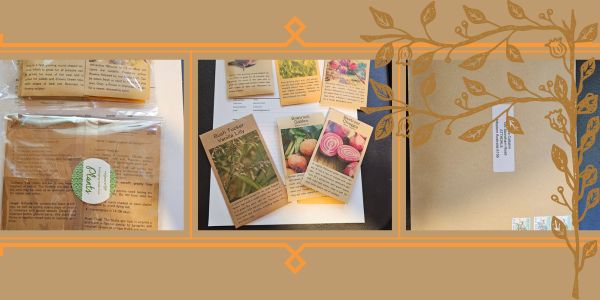
Not only are our seeds packed in recycled paper envelopes, we keep the theme going when we post out website orders. To protect your seeds from moisture and the letter box munchers (snails), we use a very special plastic free material made from plants. They are then put into recycled mailing envelopes. Green all the way ????????
Delivery Guarantee
We take great care to make sure your seeds arrive safely. If your order is lost or damaged in transit, we’ll happily send a replacement. Unfortunately, we can’t replace or refund orders that arrive later than the estimated delivery date, as delays can sometimes occur that are outside our control.
Please note that all dispatch and delivery times listed are estimates only. While we do our best to post promptly, delivery timeframes can vary due to postal service delays, weather events, or other unforeseen circumstances. We’re unable to take responsibility for any loss, damage, or cost that results from a late delivery.
An order is not considered missing until at least 20 business days have passed from the postage date. You’ll receive an email once your seeds have been posted, letting you know they’re on their way. If you don’t see it in your main inbox, please check your Spam or Promotions folders as sometimes our emails like to hide there.

See all our verified customer reviews on our official CusRev profile.