




Native Indigo
$6.59
Indigofera Australia
- Seed Count 75
- Used For Natural Dyes
- Perennial
In stock
Description
Native Indigo is found naturally in every state across Australia, it’s one of our most widespread native shrubs, thriving from the edges of bushland to open grasslands. In the garden, it rewards even light care with graceful form and a long life, making it an ideal choice for anyone wanting to include a bit of home-grown character in their planting scheme.
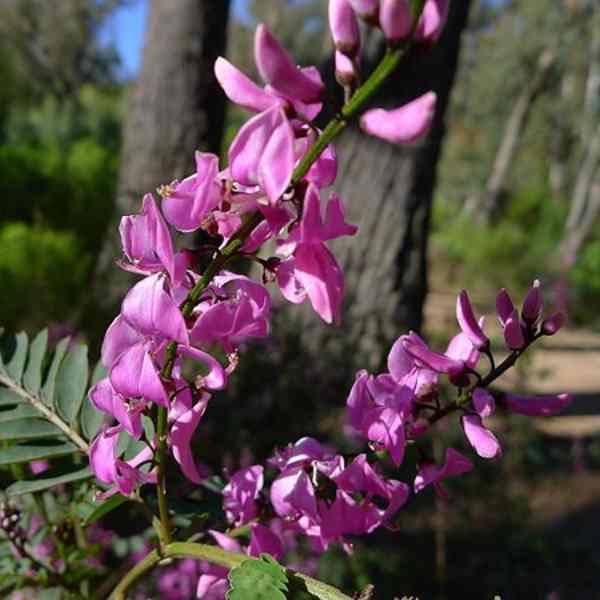
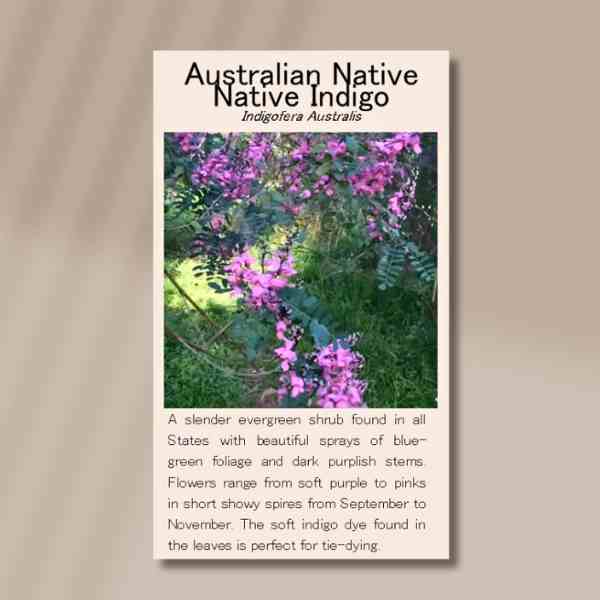
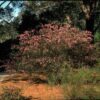
When you encounter Native Indigo in the wild, you might find it growing under fairly harsh conditions. Out there, it’s often straggly, with just a few main stems, shaped by wind, drought, and the animals that pass by. But when given a little attention in the garden, it transforms completely. With regular watering and a bit of protection in its early days, it becomes a refined, well-shaped plant, showing off sprays of finely divided blue-green foliage and strong, dark purplish stems. Its natural shape is upright but flexible, growing to around two metres high, with stems that tend to arch gently to one side.
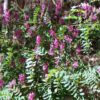
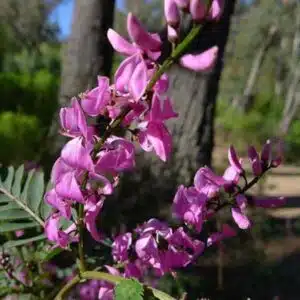
One of the first things you’ll notice when you touch the leaves is how smooth and velvety they feel. The leaflets are evenly spaced along the stems, each around ten centimeters long, giving the whole shrub a light, airy look rather than dense or heavy growth. There’s something clean and fresh about its appearance, especially during the cooler months when the foliage takes on that distinct blue-green glow that native gardeners love. This foliage alone would make Native Indigo a beautiful choice for mixed plantings or naturalistic borders, but its real moment of glory comes in spring. From mid-September through to November, Native Indigo produces clusters of small flowers along its stems, forming short, upright spires in soft shades of purple and pink.
It performs beautifully in low-maintenance gardens, cottage gardens, and flower gardens, and it’s equally at home in courtyards or large containers. Because it’s both hardy and non-toxic, it’s often chosen for public spaces and playgrounds where children and wildlife mingle freely. Coastal gardeners will find it especially rewarding since it tolerates salty air and poor sandy soils. As long as the soil is free of lime and drains well, Native Indigo will settle in easily and grow quickly once established.
The leaves contain a natural dye that, when extracted, produces a soft, gentle shade of blue known as indigo. This dye has long been prized for textile colouring, particularly in traditional tie-dyeing. The process is straightforward, and gardeners who enjoy a touch of craft or natural art often find this plant a delight to experiment with. The colour it produces isn’t the deep blue of imported indigo plants but a subtler hue that is fresh, calm, and true to the plant’s Australian character.
Because it’s part of the Indigofera family, Native Indigo also contributes to soil health by fixing nitrogen, enriching the ground around it naturally. This makes it a good companion plant for other natives or perennials that benefit from a bit of extra fertility in the soil. Over time, a garden that includes Native Indigo tends to become more self-sufficient, with less need for fertilisers and constant upkeep.
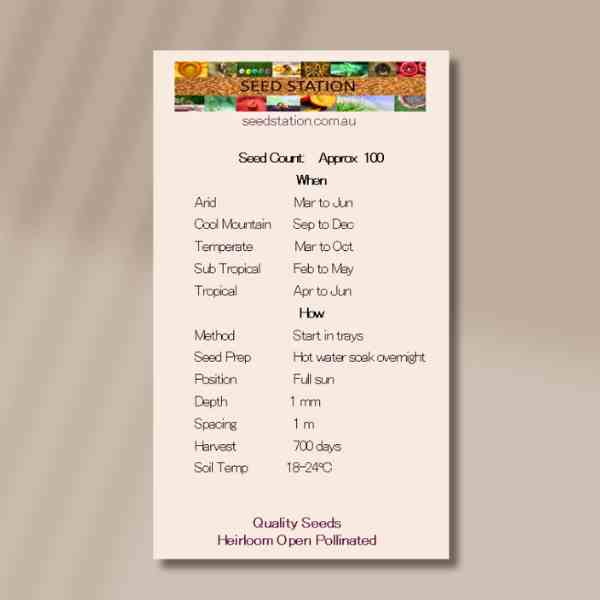
| Method: Start in Trays | Soil Temp: 18°C - 24°C |
| Cool Mountain: Sep - Dec | Position: Full sun |
| Arid: Mar - Jun | Row Spacing: 1 m apart |
| Temperate: Mar - Oct | Planting Depth: 1mm |
| Sub Tropical: Feb - May | Harvest: 700 days |
| Tropical: Apr - Jun | Plant Height: 2 m |
🌿 Native Indigo Grow Guide
🌱 Overview
Native indigo is a graceful, open shrub grown for its soft green foliage, pea-shaped purple to pink flowers, wildlife value, and ability to fit beautifully into naturalistic gardens, cottage-style borders, habitat plantings, and low-maintenance shrub beds. It is not usually grown as a food crop. Its main value is ornamental and ecological, offering nectar and pollen for beneficial insects while also helping create layered shelter in the garden.
This plant looks best when allowed to keep some natural movement, rather than being clipped into a stiff shape. Its fine foliage and flower spikes make it especially useful behind smaller native perennials, among grasses, or as part of a mixed wildlife border. It can tolerate some neglect once established, but young plants benefit from careful watering, good drainage, and early tip pruning to build a denser framework.
🌱 Sowing in Trays vs Direct Sowing
Native indigo can be grown by direct sowing, but for home gardeners, starting seed in trays, tubes, or small pots is usually the best method. This gives much better control over moisture, drainage, pests, and seedling handling. Because the seed has a hard coat and germination can take several weeks, a controlled seed-raising setup makes it easier to keep conditions steady without the seed being disturbed, washed away, eaten, or lost among weeds.
Sow treated seed into a free-draining native seed-raising mix. Cover the seed lightly, roughly one to two times the seed’s own diameter, then keep the mix moist but never soggy. Deep trays, forestry tubes, or small individual pots are often better than shallow trays because native indigo forms a stronger young root system when it has room below. The seed should be covered rather than left exposed on the surface.
Direct sowing can work in prepared garden beds or revegetation-style plantings, especially where weeds are controlled and the soil surface can be kept lightly moist. However, it is less reliable in a typical home garden. Seeds may dry out, rot in wet soil, or be outcompeted by weeds before they are visible. If direct sowing, sow more seed than needed, protect the area, and thin to the strongest seedlings.
For native indigo, tray, tube, or pot sowing is recommended because it produces stronger, easier-to-manage plants and greatly reduces early losses.
💧 Seed Pre-Treatment
Native indigo seed does require pre-treatment. The seed coat is hard and water-resistant, so untreated seed may germinate slowly or unevenly. The most reliable approach is a hot water soak.
Place the seed in a heatproof cup or jar, pour very hot water over it, then leave it to soak as the water cools. Many growers soak for several hours or overnight. The aim is to soften the seed coat so moisture can enter. Swollen seeds can be sown straight away. Seeds that remain hard and unchanged can be treated again or lightly rubbed with sandpaper before another soak.
After soaking, do not leave the seed sitting wet for too long. Sow promptly into a free-draining mix. Overly wet conditions after treatment can cause rotting, so moisture should be steady but not excessive.
🌞 Soil and Position
Native indigo grows best in well-drained soil and is adaptable across sandy, loamy, clay loam, and poorer soils, provided water does not sit around the roots for long periods. It generally prefers acidic to neutral conditions and may struggle in very lime-rich soils. Good drainage is more important than richness. In heavy soil, plant on a raised mound or improve the structure with coarse organic matter and mineral grit rather than creating a rich, wet planting hole.
Choose a position in full sun to light shade. In full sun, plants tend to flower well and grow more compactly. In light or dappled shade, they may develop a softer, more open habit but can still perform beautifully. This makes native indigo useful along woodland edges, beneath open-canopied trees, or in mixed shrub layers where it receives filtered light.
Avoid constantly wet ground, heavily compacted soil, and sites where garden runoff collects. Once established, native indigo can handle dry periods, but young plants should not be forced to struggle before their roots have settled.
🌿 Care and Maintenance
Native indigo is not a demanding shrub, but it responds well to thoughtful early care. Water young plants deeply and then allow the soil to drain before watering again. This encourages roots to search downwards rather than staying shallow. Overwatering is one of the main mistakes with this plant, especially in pots or dense soil, because seed and young plants can rot when kept too wet.
Mulch around the plant with coarse organic mulch, keeping it slightly away from the stem. Mulch helps moderate soil moisture, reduces weed competition, and protects the root zone. Avoid piling mulch against the crown, as this can trap moisture and encourage stem problems.
Feeding should be light. A small amount of native-suitable slow-release fertiliser or a thin compost layer is enough in most gardens. Heavy feeding can produce lush, weak growth and may reduce the plant’s natural resilience.
Pruning is very useful. Native indigo naturally has an open, spreading habit, so tip pruning from a young stage helps create a denser, more attractive shrub. Once flowering has finished, trim back long, straggly stems and remove dead or weak growth. Avoid cutting hard into very old bare wood unless you are deliberately rejuvenating the plant, as regrowth may be slower or uneven.
🌼 Companion Planting Guide
Native indigo combines well with plants that enjoy similar drainage, light, and low-to-moderate fertility. Good companions include native grasses, correas, grevilleas, westringias, brachyscomes, scaevolas, everlasting daisies, kangaroo paw, saltbush, billy buttons, tea-tree, and small wattles.
In a habitat garden, place native indigo as a mid-layer shrub, with grasses and low flowering plants in front and taller screening shrubs behind. This layered structure gives small birds, pollinators, and beneficial insects more shelter and feeding opportunities. Native indigo itself is valuable because its flowers provide nectar and pollen for insects, including bees and wasps, and it can support butterfly life cycles.
Avoid pairing it with thirsty plants that need constant irrigation, or with aggressive groundcovers that smother young seedlings. It is also best kept away from plants that demand heavy feeding, because native indigo is better suited to leaner, well-drained conditions.
🧺 How to Harvest
Native indigo is mainly harvested for seed, flowers, light ornamental stems, or dye material, rather than food. For cut flowers or foliage, harvest stems when the flower spikes are fresh and partly open. Use clean secateurs and cut just above a leaf joint or side shoot so the plant can regrow neatly. Do not remove too much growth from a young plant at once.
For dye use, leaves and stems can be harvested in small amounts from healthy, established plants. Take only what the plant can spare, then water deeply afterward if conditions are dry. The foliage and stems may produce soft yellow to fawn dye tones when processed correctly.
For seed harvest, watch the pods closely as they mature. The pods ripen from green to brown and can split open, releasing seed quickly. Harvest when pods are dry or nearly dry, but before they shatter. If the pods are close to opening, place a paper bag, mesh bag, or stocking over the fruiting stems to catch falling seed.
⚠️ Common Issues and Fixes
| Issue | Likely Cause | Fix |
|---|---|---|
| Poor germination | Hard seed coat, no hot water treatment, seed too old | Use hot water soaking, sow swollen seed promptly, repeat treatment on hard seed |
| Seed rotting before germination | Mix too wet, poor drainage, seed left soaking too long | Use a free-draining mix, water lightly, avoid waterlogged trays |
| Seedlings collapse | Damping off from excess moisture and poor airflow | Use clean seed mix, avoid crowding, improve airflow, water gently |
| Slow seedling growth | Cool soil, low light, poor root space, exhausted mix | Move to brighter conditions, use deeper tubes, feed very lightly with native-suitable fertiliser |
| Yellowing leaves | Overwatering, poor drainage, nutrient imbalance, unsuitable pH | Check drainage first, reduce watering, avoid lime-rich soil, use mild native plant feed |
| Leggy, open growth | Too much shade, no early pruning | Increase light where possible, tip prune young plants to encourage branching |
| Few flowers | Too much shade, heavy pruning at the wrong stage, excess nitrogen | Grow in brighter light, prune after flowering, reduce rich feeding |
| Branch dieback | Old wood, stress, poor drainage, harsh pruning | Remove dead stems at the base, improve drainage, prune into leafy growth rather than bare old stems |
| Chewed leaves | Caterpillars, beetles, grasshoppers, browsing animals | Inspect regularly, hand-remove pests, protect young plants with guards if needed |
| Plant wilting despite wet soil | Root stress from waterlogging | Lift young potted plants into a drier mix, improve garden drainage, avoid frequent shallow watering |
🌾 Detailed Seed Saving Guide
Saving native indigo seed is very worthwhile because healthy plants usually produce plenty of pods, and seed can remain useful for a long time when properly dried and stored. Begin by choosing strong, healthy plants with good form, strong flowering, and no obvious disease. Avoid saving seed from weak or badly stressed plants unless no better seed source is available.
Allow flowers to develop into slender pods. As the pods mature, they turn brown and dry. They can split and release their seed soon after maturity, so checking often is important. To avoid losing seed, tie a breathable paper bag, fine mesh bag, or stocking over selected pod clusters once they are close to ripening. This catches seed while still allowing airflow.
Cut dry pods into a paper bag and place them somewhere dry and airy. Once fully crisp, gently crush the pods by hand to release the seed. Remove large pieces of pod and chaff. A fine sieve can help separate seed from broken pod fragments. Do not store seed until it is fully dry, as trapped moisture can cause mould.
Label the seed clearly with the plant name, location or parent plant notes, and year collected. Store in a paper envelope inside an airtight jar, kept in a cool, dark, dry place. A small silica gel packet can help keep moisture low. Before sowing future batches, use the same hot water treatment to soften the seed coat and improve germination.
For stronger long-term seed lines, collect from several healthy plants rather than just one. This helps preserve variation in vigour, flower quality, drought tolerance, and growth habit.
🌟 Final Thoughts
Native indigo is a beautiful and useful shrub for gardeners who want a plant that supports wildlife, adds soft colour, and works well in relaxed, low-maintenance plantings. The keys to success are hot water seed treatment, free-draining soil, careful watering while young, light feeding, and early pruning for shape.
It is best started in trays, tubes, or small pots rather than sown straight into the garden, because the seedlings are easier to protect and manage. Once established, native indigo becomes a resilient, elegant shrub that rewards simple care with attractive foliage, delicate flowers, useful seed, and strong habitat value.
1 review for Native Indigo

Postage Charge
Orders under $35 attract a $4.95 shipping charge. Orders $35 and above have free shipping.
Order Times
Seed orders are normally dispatched within three business days. You will receive an email when seeds are mailed out.
Postage Days
Seeds are mailed out Tuesday to Friday at 1pm. Except for the Friday of long weekends.
Postage Times
WA 2-3 Days: SA,NT 3-5 Days: NSW, ACT, QLD, VIC: 5-7 Days
Carrier
We use Australia Post Letter Postage for the majority of orders
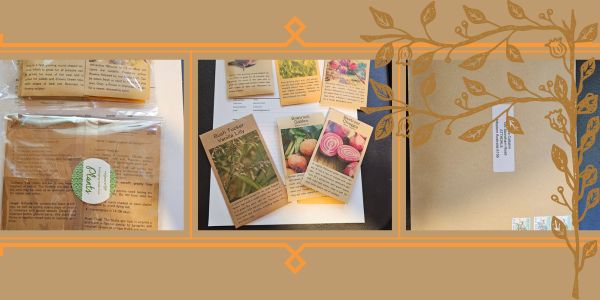
Not only are our seeds packed in recycled paper envelopes, we keep the theme going when we post out website orders. To protect your seeds from moisture and the letter box munchers (snails), we use a very special plastic free material made from plants. They are then put into recycled mailing envelopes. Green all the way ????????
Delivery Guarantee
We take great care to make sure your seeds arrive safely. If your order is lost or damaged in transit, we’ll happily send a replacement. Unfortunately, we can’t replace or refund orders that arrive later than the estimated delivery date, as delays can sometimes occur that are outside our control.
Please note that all dispatch and delivery times listed are estimates only. While we do our best to post promptly, delivery timeframes can vary due to postal service delays, weather events, or other unforeseen circumstances. We’re unable to take responsibility for any loss, damage, or cost that results from a late delivery.
An order is not considered missing until at least 20 business days have passed from the postage date. You’ll receive an email once your seeds have been posted, letting you know they’re on their way. If you don’t see it in your main inbox, please check your Spam or Promotions folders as sometimes our emails like to hide there.
See all our verified customer reviews on our official CusRev profile.