




Cape Gooseberry
$4.95
Physalis Peruviana
- Seed count 250
- Eat Fresh Or As Preserves
- Perennial
In stock
Description
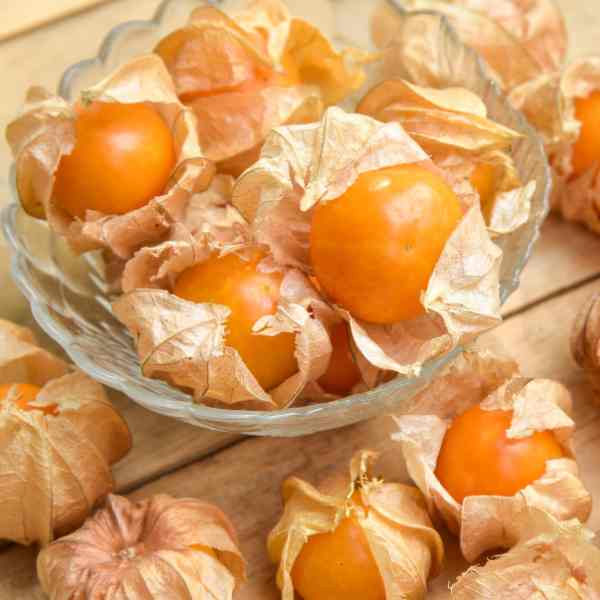
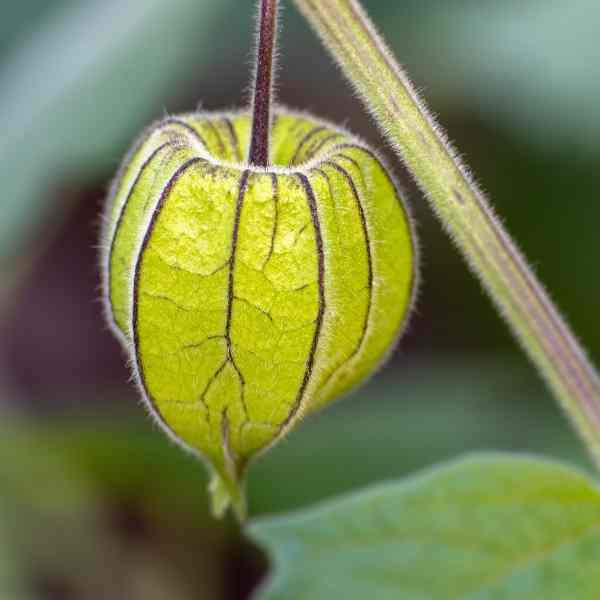
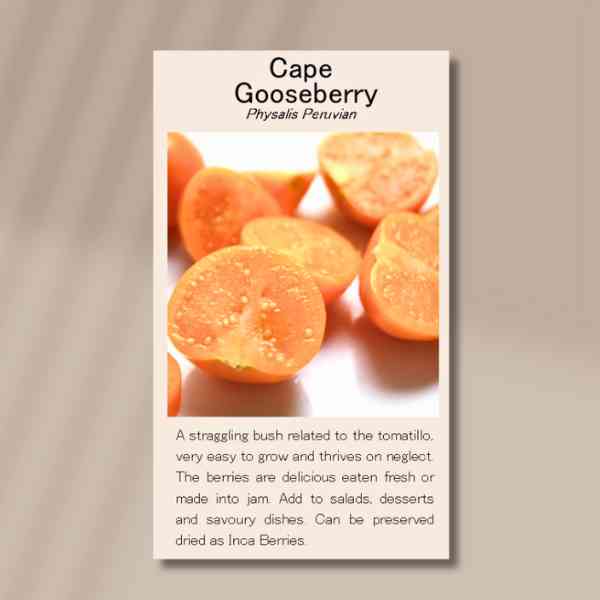
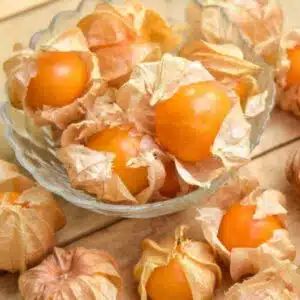
The Cape Gooseberry is a straggly, slightly wild-looking perennial with golden, lantern-like fruits tucked neatly inside their papery husks, glowing like treasure among the green leaves.
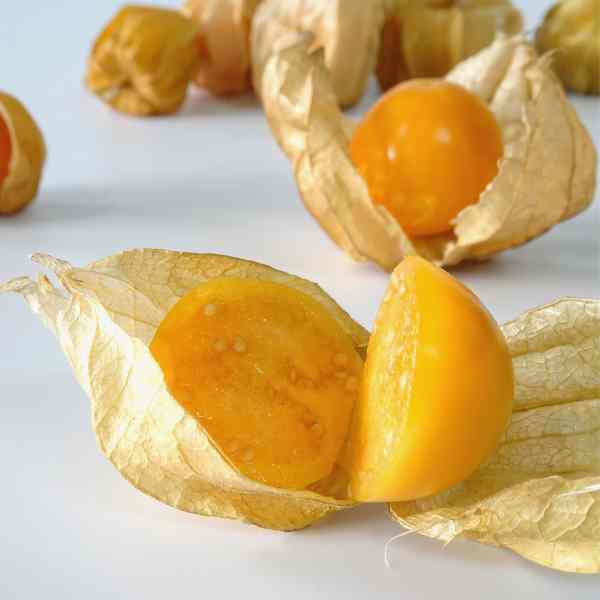
This easy-going perennial is closely related to the tomatillo, as well as the ground cherry and husk tomato, all members of the Physalis genus. Like its relatives, the Cape Gooseberry produces fruit wrapped in a delicate, parchment-like shell that naturally protects it from pests and weather. Inside, you’ll find berries roughly the size of a cherry tomato, bursting with a rich golden-orange colour and a sweet, aromatic flavour that hints at tropical fruit with a touch of tartness.
It thrives on neglect—really, it does. Give it some sunlight, reasonable soil, and space to sprawl, and it will reward you season after season. The Cape Gooseberry is self-pollinating, much like a tomato, so even a single plant will set fruit. Left to its own devices, it will sometimes pop up in unexpected corners of the garden, spread by birds who love the fruits as much as we do. It’s not invasive in most regions of Australia, but it does have a way of making itself at home wherever it’s happy.
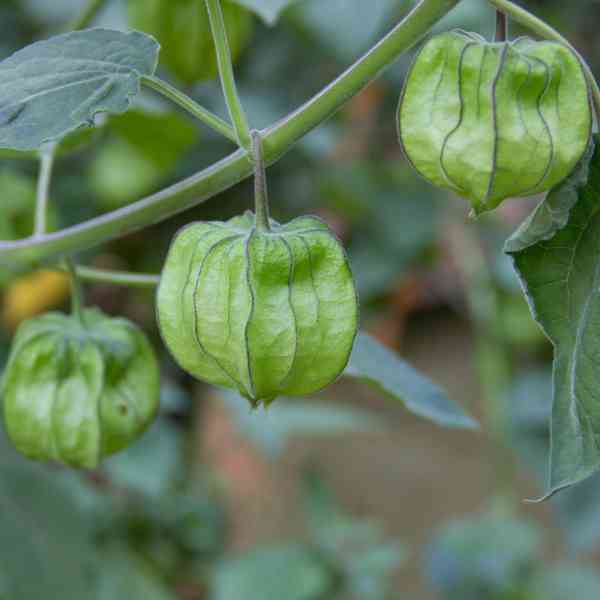
When grown well, the plant forms a sprawling bush up to a metre or so high, with branches that arch and wander. It’s not the most elegant shrub, but that’s part of its charm—it’s rustic and productive, more interested in fruiting than posing for a photo.
The taste of Cape Gooseberry is sweet, tart, and a little tangy, with a flavour somewhere between pineapple, tomato, and mango. That balance of sugar and acidity makes it incredibly versatile in the kitchen. You can eat them fresh, straight from the husk, or scatter them through a fruit salad for a splash of colour and zing. They shine in desserts, especially tarts, crumbles, and pavlovas, where their brightness cuts through rich cream or meringue.
For those who like a bit of kitchen experimentation, Cape Gooseberries are wonderful for making jam or chutney. Their natural pectin means the jam sets beautifully, and the flavour intensifies with cooking. When stewed with apples or rhubarb, the combination is delightful. On the savoury side, the fruit pairs surprisingly well with meat and seafood dishes. Try adding them to a glaze for roast pork, or toss a few through a salsa for grilled fish.
And then there’s the dried version, often sold as ‘Inca Berries.’ Drying concentrates their sweetness, turning them into chewy little nuggets with a tangy bite—something like a cross between a raisin and a cranberry. In this form, they make an excellent addition to muesli, porridge, or trail mix, giving a natural boost of flavour and nutrients. Once you start snacking on them, it’s hard to stop.
| Method: Sow direct | Soil Temp: 10°C - 25°C |
| Cool Mountain: Sep - Nov | Position: Full sun |
| Arid: Aug - Sep | Row Spacing: 150 cm apart |
| Temperate: Aug - Sep | Planting Depth: 3mm |
| Sub Tropical: Jul - Mar | Harvest: 100 days |
| Tropical: Mar - Aug | Plant Height: 1 m |
🍈 Cape Gooseberry Grow Guide
🌱 Overview
Cape gooseberry is a productive fruiting plant grown for its small golden berries enclosed in papery lantern-like husks. The fruit has a sweet, tangy flavour and can be eaten fresh when fully ripe or used in jams, sauces, chutneys, desserts, fruit salads, baking, preserves, and garnishes. The plant is attractive as well as useful, with soft green foliage, small flowers, and decorative husked fruit.
It grows much like a bushy, sprawling relative of tomato and tomatillo, though it is usually easier and more forgiving once established. It enjoys warmth, sun, fertile soil, regular moisture, and good airflow. With the right conditions, it can become quite productive and may continue fruiting for a long period.
Only eat fully ripe fruit. Unripe fruit and other plant parts should not be eaten.
🌱 Sowing in Trays Versus Direct Sowing
Cape gooseberry can be grown either by sowing in trays or by direct sowing, but sowing in trays is usually the best method. The seed is small, and young seedlings benefit from protection while they develop. Tray sowing gives better control over moisture, warmth, pests, and spacing, which usually results in stronger plants.
To sow in trays, fill punnets, cells, or small pots with a fine, free-draining seed raising mix. Scatter the seed thinly over the surface and cover very lightly with fine mix or vermiculite. Water gently with a mist or fine spray, then keep the mix evenly moist but not soggy. Place the tray in a bright, warm position with good airflow.
Once seedlings have several true leaves and are large enough to handle, move them into individual pots. Grow them on until they are sturdy before planting into their final position. Handle seedlings gently by the leaves rather than the stem, and avoid damaging the roots.
Direct sowing can work where soil is warm, fine, weed-free, and protected. Sow shallowly, cover lightly, and keep the surface evenly moist until seedlings establish. The drawback is that small seedlings can be lost to pests, weeds, heavy rain, drying soil, or uneven conditions.
For most gardeners, tray sowing is the more reliable choice, especially when seed is limited or you want strong, well-spaced plants.
🌾 Seed Pre-Treatment
Cape gooseberry seed does not usually require special pre-treatment. There is no need for soaking, chilling, scarifying, or smoke treatment. Fresh seed should germinate well when sown shallowly into a suitable seed raising mix and kept evenly moist.
The main requirement is careful sowing. The seed should not be buried deeply, as a heavy covering can reduce germination. A light dusting of mix is enough. Consistent moisture is important, but the mix should never be waterlogged.
🌞 Soil and Position
Cape gooseberry grows best in a full sun position with good airflow. Strong light encourages sturdy growth, flowering, and sweet fruit. In too much shade, plants may become leafy and sprawling with fewer fruit.
The soil should be fertile, well-draining, and rich in organic matter. Before planting, improve the soil with compost or well-rotted organic matter. The aim is a soil that holds steady moisture but drains freely, as waterlogged roots can weaken plants and cause disease.
Cape gooseberry does not need extremely rich soil, but it does appreciate moderate fertility. Too much nitrogen can encourage leafy growth at the expense of fruit, so avoid heavy feeding with high-nitrogen fertilisers.
Raised beds are helpful where drainage is poor. In sandy soil, add compost to improve moisture and nutrient retention. In heavy clay, improve structure with compost and consider mounded planting to keep the root zone healthier.
Cape gooseberry can also be grown in large containers. Choose a generous pot with drainage holes and use a quality potting mix. Container-grown plants dry out faster and may need more regular watering and feeding than plants grown in the ground.
💧 Care and Maintenance
Water regularly while plants are establishing. Once mature, Cape gooseberry is reasonably resilient, but steady moisture gives better growth and fruit quality. Irregular watering can lead to stress, flower drop, smaller fruit, or splitting fruit.
Water deeply at the base of the plant rather than frequently sprinkling the leaves. This encourages stronger roots and helps reduce leaf disease. Mulch around the base to conserve moisture, suppress weeds, and protect the soil surface. Keep mulch slightly away from the stem to reduce rot risk.
Feed moderately during active growth. A compost-rich soil is usually a good foundation. If plants appear pale or growth slows, apply a balanced liquid fertiliser or side-dress with compost. Avoid overfeeding, as lush soft growth can attract pests and reduce fruiting.
Cape gooseberry can become bushy and sprawling. A light stake, small cage, or support frame can help keep branches off the ground and make harvesting easier. This also improves airflow and reduces fruit contact with damp soil.
Prune lightly if growth becomes too dense. Remove damaged, weak, crossing, or diseased stems. Avoid heavy pruning while the plant is flowering and fruiting, as this can reduce harvest.
Weed around young plants carefully. Once established, the plant can shade some weeds, but early competition slows growth.
🌼 Companion Planting Guide
Cape gooseberry grows well with plants that enjoy sun, moderate fertility, and steady moisture. Good companions include basil, marigold, calendula, nasturtium, chives, parsley, lettuce, radish, beans, capsicum, chilli, and eggplant.
Basil, calendula, marigold, and nasturtium help attract pollinators and beneficial insects. Chives and parsley fit well around the edges of the bed without competing too heavily. Lettuce and radish can be grown nearby as short-term crops while Cape gooseberry plants are still small.
Capsicum, chilli, and eggplant enjoy similar sunny, fertile conditions and can share a productive garden bed if spacing is generous. Beans can be grown nearby, provided they do not climb over or shade the Cape gooseberry.
Avoid planting Cape gooseberry too close to potatoes or other closely related crops in crowded beds, as they may share some pest and disease issues. Also avoid vigorous sprawling plants that smother young seedlings or block airflow around mature plants.
✂️ How to Harvest
Cape gooseberry fruit is ready when the husk turns dry, papery, and straw-coloured, and the berry inside turns golden. Ripe fruit often drops from the plant naturally. Fruit that falls with a dry husk is usually at its best, provided it is clean, undamaged, and not spoiled.
Pick fruit gently by hand or collect freshly fallen ripe fruit from clean ground. If harvesting from the plant, choose only fruit with dry, papery husks and fully coloured berries. Avoid green or underripe fruit.
After harvest, keep the husk on if storing, as it helps protect the fruit. Store in a cool, dry place for short-term use, or refrigerate for longer storage. Remove the husks before eating or cooking.
Cape gooseberries can be eaten fresh, dipped in chocolate, added to salads, cooked into jam, made into chutney, baked into tarts, or used as a tangy sauce for savoury dishes. The flavour is strongest when fruit is fully ripe.
⚠️ Common Issues and Fixes
| Issue | Likely Cause | Fix |
|---|---|---|
| Poor germination | Seed buried too deeply, old seed, mix too wet or dry | Sow shallowly, use fresh seed, keep evenly moist |
| Seedlings collapse | Overwatering, poor airflow, contaminated mix | Use clean seed raising mix, avoid soggy conditions, improve ventilation |
| Weak, stretched seedlings | Not enough light or overcrowding | Move to brighter light and thin or pot on seedlings |
| Lots of leaves but few fruit | Too much nitrogen, not enough sun, immature plant | Reduce high-nitrogen feeding, provide full sun, allow plant to mature |
| Flowers drop | Water stress, heat stress, poor nutrition, lack of pollination | Water consistently, mulch, feed moderately, encourage pollinators |
| Fruit splitting | Irregular watering after dry periods | Keep moisture more even and mulch around plants |
| Yellowing leaves | Nutrient deficiency, overwatering, poor drainage | Check drainage, feed lightly, avoid waterlogging |
| Leaf spots | Poor airflow, overhead watering, damp foliage | Space plants well, water at soil level, remove affected leaves |
| Aphids | Soft new growth attracting sap-sucking insects | Spray off with water, encourage ladybirds and lacewings |
| Whitefly | Warm, sheltered conditions and dense foliage | Improve airflow, use yellow sticky traps, spray leaf undersides if needed |
| Chewed leaves | Caterpillars, beetles, snails, or grasshoppers | Inspect regularly, remove pests by hand, protect young plants |
| Fruit rotting on ground | Fallen fruit sitting in damp soil | Use mulch, support plants, collect ripe fruit regularly |
🌰 Detailed Seed Saving Guide
Saving Cape gooseberry seed is simple, but the fruit must be fully ripe. Choose healthy, productive plants with good flavour, strong growth, and no major disease issues. Select fruit from plants that have produced well and handled local garden conditions strongly.
Allow fruit to ripen completely on the plant. The husk should be dry and papery, and the berry should be golden, soft, and fully mature. Do not save seed from green or underripe fruit.
Remove the husk and place the ripe fruit in a small bowl. Crush the fruit gently with a spoon, then add a little water and stir. The small seeds will separate from the pulp. Let the mixture sit briefly, then pour off floating pulp and poor-quality seed. Add fresh water, stir again, and repeat until the seed is mostly clean.
Pour the cleaned seed through a fine sieve and spread it thinly on a plate, baking paper, coffee filter, or fine mesh screen. Avoid using paper towel if possible, as small seeds can stick to it. Dry the seed in a shaded, airy place until completely dry. Stir or move the seed occasionally so it does not clump.
Once fully dry, store the seed in a labelled paper envelope or airtight container. Include the plant name, fruit colour or notes, and collection date. Keep seed in a cool, dark, dry place. Fresh seed usually germinates best, but well-dried seed can remain useful for several years.
For stronger future plants, save seed from more than one healthy plant where possible. This helps maintain vigour and gives you a better selection of seedlings. If you grow other similar fruiting plants nearby, some variation may occur in future seedlings, though Cape gooseberry generally remains fairly consistent in home gardens.
🌻 Final Thoughts
Cape gooseberry is a rewarding fruiting plant that offers ornamental husks, tangy golden berries, and generous harvests when grown well. It is best started in trays because the small seed and young seedlings benefit from controlled conditions and protection.
Give it full sun, fertile well-drained soil, steady moisture, and enough space to sprawl or be supported. Harvest only fully ripe fruit with dry papery husks, and collect seed from the healthiest, best-producing plants. With simple care and regular picking, Cape gooseberry can become a productive and attractive feature in the edible garden.
5 reviews for Cape Gooseberry

Postage Charge
Orders under $40 attract a $5.50 shipping charge. Orders $35 and above have free shipping.
*** We cannot deliver to Parcel Lockers ***
Order Times
Seed orders are normally dispatched within three business days. You will receive an email when seeds are mailed out.
Postage Days
Seeds are mailed out Tuesday to Friday at 1pm. Except for the Friday of long weekends.
Postage Times
WA 2-3 Days: SA,NT 3-5 Days: NSW, ACT, QLD, VIC: 5-7 Days
Carrier
We use Australia Post Letter Postage for the majority of orders.
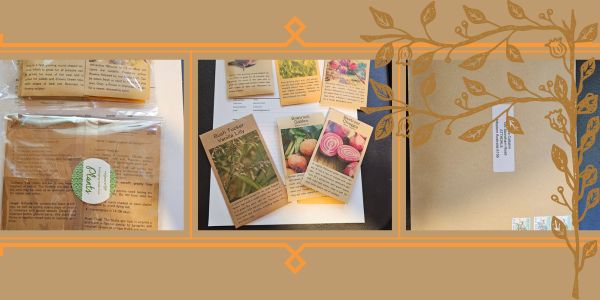
Not only are our seeds packed in recycled paper envelopes, we keep the theme going when we post out website orders. To protect your seeds from moisture and the letter box munchers (snails), we use a very special plastic free material made from plants. They are then put into recycled mailing envelopes. Green all the way ????????
Delivery Guarantee
We take great care to make sure your seeds arrive safely. If your order is lost or damaged in transit, we’ll happily send a replacement. Unfortunately, we can’t replace or refund orders that arrive later than the estimated delivery date, as delays can sometimes occur that are outside our control.
Please note that all dispatch and delivery times listed are estimates only. While we do our best to post promptly, delivery timeframes can vary due to postal service delays, weather events, or other unforeseen circumstances. We’re unable to take responsibility for any loss, damage, or cost that results from a late delivery.
An order is not considered missing until at least 20 business days have passed from the postage date. You’ll receive an email once your seeds have been posted, letting you know they’re on their way. If you don’t see it in your main inbox, please check your Spam or Promotions folders as sometimes our emails like to hide there.
See all our verified customer reviews on our official CusRev profile.
See all our verified customer reviews on our official CusRev profile.
It’s hard to rate when haven’t planted the seeds yet.. looking forward to though.
See all our verified customer reviews on our official CusRev profile.
one of my fav little berries
See all our verified customer reviews on our official CusRev profile.
See all our verified customer reviews on our official CusRev profile.