



Lavender Vera
$4.95
Lavandula Angustifolia
- Seed Count 200
- Drought Tolerant
- Height 120 cm
- Perennial
In stock
Description
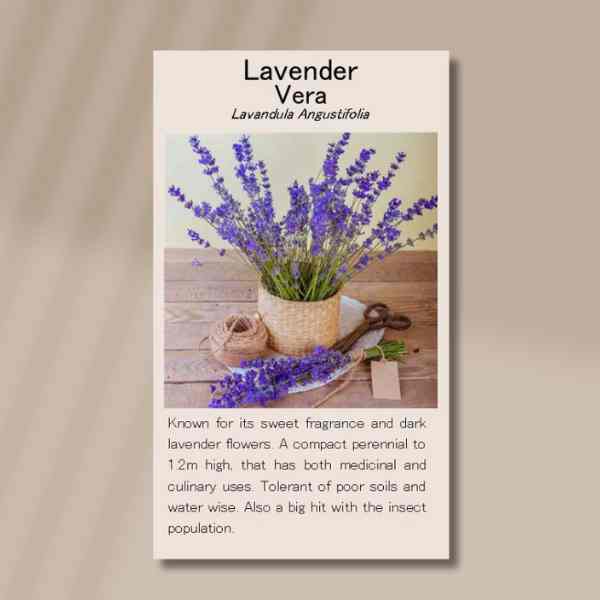
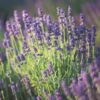
Lavender Vera has long been valued for its sweet fragrance and deep, dark lavender-coloured flowers. This is a compact perennial that has proven itself as both tough and versatile, thriving even in poor soils and standing strong in dry conditions where fussier plants might give up.
It is a no-nonsense worker, blooming freely and generously over a long season, making it a reliable favourite not just for gardeners but for beneficial insects too. Bees, butterflies and other pollinators are irresistibly drawn to its nectar-rich flowers, and once it is in bloom you will notice the hum of garden life intensify around it.
Beyond its role in the garden, it is one of those plants that sits comfortably between the ornamental border, the kitchen, and the medicine cabinet, offering a kind of three-in-one value that few others can match. Herbalists have long turned to lavender for its calming properties, and the flowers are commonly used in remedies for headaches, mild depression, and insomnia. Many households tuck dried lavender into sachets and place them near pillows or in linen cupboards to encourage sleep and keep bedding fresh.
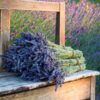
Its sweet and lingering scent, makes it a popular choice in homemade perfumes, soaps, and bath products and even without going to the effort of creating oils or perfumes, simply drying a bunch of Lavender Vera and placing it in a vase will lift the mood of a home and brings a sense of calm.
While lavender might not be the first herb people think of for the kitchen, it has a long tradition of use in both sweet and savoury recipes. The flowers can be infused into soft drinks, adding a subtle floral note that is both refreshing and unique. Bakers often fold lavender into biscuits, shortbread, and cakes, where its delicate flavour complements sugar and butter beautifully. On warm days, the flowers can be used to flavour sorbets or ice creams, creating desserts with a light, perfumed taste that feels just right for summer. Even a small amount goes a long way, lending a sophisticated edge to ordinary recipes. Those who enjoy experimenting in the kitchen will find Lavender Vera a treasure, an ingredient that turns everyday cooking into something memorable.
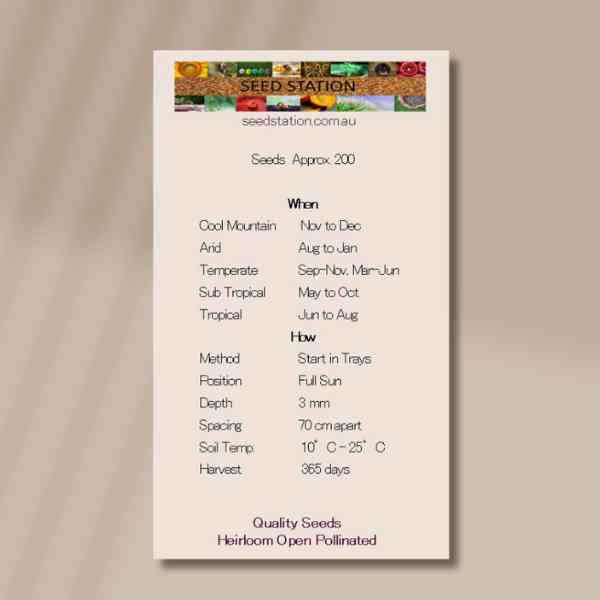
| Method: Raise seedlings | Soil Temp: 10°C - 25°C |
| Cool Mountain: Nov - Dec | Germination: 14 - 21 Days |
| Arid: Aug - Jan | Position: Full sun |
| Temperate: Sep-Nov, Mar-Jun | Row Spacing: 1m apart |
| Sub Tropical: May - Oct | Planting Depth: 3 mm |
| Tropical: Jun - Aug | Harvest: 365 days |
💜 Lavender Grow Guide
🌱 Overview
Lavender is a beautifully fragrant perennial herb grown for its aromatic foliage, purple flower spikes, pollinator appeal, and excellent use in borders, pots, cottage gardens, herb gardens, dry garden beds, and cut flower plantings. It is valued for its calming scent, silvery foliage, long-lasting flowers, and ability to bring structure and softness to sunny garden spaces.
Lavender is not a plant that enjoys rich, wet, heavily fed conditions. Its success depends on sun, sharp drainage, airflow, and restrained watering. Once established, it is fairly tough and drought tolerant, but young plants need careful watering while they settle in. The most common cause of failure is soil that stays too damp around the roots.
🌱 Sowing in Trays Versus Direct Sowing
Lavender can be grown from seed either in trays or by direct sowing, but sowing in trays is the best method. Lavender seed can be slow and uneven to germinate, and seedlings are very small at first. Starting them in trays gives better control over moisture, drainage, light, and protection from pests.
To sow in trays, use a fine, free-draining seed raising mix. Scatter the seed thinly across the surface and cover it very lightly with fine mix or vermiculite. Lavender seed should not be buried deeply. Water gently with a mist or fine spray, then keep the mix lightly moist but never soggy. Good airflow is important, as overly wet trays can cause seedlings to collapse.
Once seedlings are large enough to handle and have developed several true leaves, move them into small individual pots. Grow them on until they are sturdy before planting into their final position. Harden them off gradually before planting outside, especially if they have been raised in a sheltered position.
Direct sowing is possible, but it is usually less reliable. Fine seed can be washed away, dry out, or become overwhelmed by weeds. Young seedlings are also vulnerable to slugs, snails, and heavy rain. Direct sowing is only worth trying in a very well-prepared, free-draining, weed-free bed.
For most gardeners, tray sowing is clearly the better option because lavender seedlings benefit from careful early management.
🌾 Seed Pre-Treatment
Lavender seed often benefits from cold moist treatment before sowing. This can improve germination and make sprouting more even, especially with older seed or seed that has been slow in the past.
To do this, place the seed in a small labelled bag or container with slightly damp seed raising mix, sand, or vermiculite. Keep it in the fridge for several weeks, then sow shallowly into trays. The mix should be barely moist, not wet. Excess moisture can rot the seed.
A simpler method is to place the seed packet in the fridge before sowing, though moist chilling is usually more effective. No smoke treatment is required. Soaking is not usually necessary and can make the tiny seed harder to handle.
Fresh seed may germinate without pre-treatment, but cold moist treatment is recommended for better reliability.
🌞 Soil and Position
Lavender grows best in a full sun position with open airflow. Strong sunlight encourages compact growth, aromatic foliage, sturdy stems, and better flowering. In shade, plants often become stretched, woody, weak, and less fragrant.
The soil should be free-draining, slightly lean, and not overly rich. Lavender dislikes heavy clay, soggy beds, and constantly damp roots. If the soil holds water, improve drainage before planting or grow lavender in raised beds, mounds, rockeries, or containers.
Avoid fresh manure and heavy compost applications around lavender. A small amount of well-aged compost can be used to improve poor soil structure, but the goal is not lush fertility. Gravelly, sandy, or lightly improved soil is often better than rich vegetable garden soil.
In containers, use a free-draining potting mix. Adding coarse sand, fine gravel, or perlite can help improve drainage. Choose a pot with generous drainage holes and never allow the pot to sit in a saucer of water for long periods.
💧 Care and Maintenance
Water young lavender plants regularly while they establish, but allow the soil surface to dry slightly between watering. Once established, lavender prefers less frequent, deeper watering rather than constant moisture. Overwatering is one of the main reasons lavender fails.
Mulch carefully. Avoid thick, damp organic mulch packed around the stem, as this can trap moisture and encourage rot. Gravel, small stones, or a light open mulch are better choices. Keep mulch away from the crown of the plant.
Lavender needs very little feeding. Too much fertiliser, especially high-nitrogen fertiliser, encourages soft leafy growth and reduces fragrance, flowering, and resilience. In most garden soils, feeding is unnecessary. In pots, a very light feed during active growth may be used only if the plant looks weak or pale.
Pruning is important for keeping lavender compact and productive. After flowering, trim back the spent flower stems and lightly shape the leafy growth. Do not cut hard into old bare wood, as lavender may not regrow well from woody stems. Regular light trimming is much better than occasional severe pruning.
Good airflow helps prevent fungal problems. Avoid crowding lavender between dense, thirsty plants. Give each plant enough room for air to move around the foliage and stems.
🌼 Companion Planting Guide
Lavender is an excellent companion for sunny, dry, well-drained gardens. Its flowers attract bees, butterflies, hoverflies, and other beneficial insects, making it useful near vegetable beds, orchards, and pollinator borders.
Good companions include rosemary, thyme, sage, oregano, marjoram, yarrow, salvia, catmint, dianthus, gaillardia, echinacea, marigold, and roses.
Rosemary, thyme, sage, oregano, and marjoram enjoy similar sunny, free-draining conditions and pair well in herb gardens. Yarrow, salvia, catmint, gaillardia, and echinacea create a drought-tolerant pollinator planting with complementary colours and textures. Dianthus suits similar drainage and adds fragrance at a lower level. Roses can grow well nearby, especially where lavender is used as a fragrant border plant and pollinator attractor.
Avoid planting lavender beside moisture-loving herbs and vegetables that need rich, damp soil, such as mint, parsley, coriander, lettuce, and leafy greens. These plants usually require more water and fertility than lavender prefers. Also avoid placing lavender where large leafy plants will shade it or trap humidity around its base.
✂️ How to Harvest
Lavender flowers are best harvested when the flower spikes are coloured and some of the small buds have begun to open. For dried bunches, cut stems before all flowers are fully open, as this helps preserve colour and fragrance.
Use clean, sharp snips and harvest in the cooler part of the day after dew has dried. Cut long stems above a healthy set of leaves, taking care not to cut into old bare wood.
For fresh use, place stems into water soon after cutting. For drying, tie small bunches with string or rubber bands and hang them upside down in a dry, shaded, airy place. Darkness helps preserve colour, while airflow prevents mould.
Once fully dry, the flower buds can be stripped from the stems and stored in an airtight container away from heat, light, and moisture. Dried lavender can be used in sachets, dried arrangements, bath blends, craft projects, potpourri, and carefully in culinary recipes if the plants were grown without unsafe sprays and are suitable for edible use.
⚠️ Common Issues and Fixes
| Issue | Likely Cause | Fix |
|---|---|---|
| Poor germination | Seed dormancy, old seed, seed buried too deeply, mix too wet or dry | Use fresh seed, try cold moist treatment, sow shallowly, keep lightly moist |
| Seedlings collapse | Overwatering, poor airflow, damping off | Use clean free-draining mix, water lightly, improve ventilation |
| Slow seedling growth | Low light, cool conditions, heavy mix | Provide bright light, use free-draining mix, be patient |
| Yellowing leaves | Overwatering, poor drainage, rich wet soil | Reduce watering, improve drainage, move to a drier position |
| Plant wilts despite watering | Root rot from soil staying wet | Check roots, improve drainage, avoid frequent watering |
| Few flowers | Too much shade, excess nitrogen, lack of pruning | Move to full sun, reduce feeding, prune lightly after flowering |
| Plant becomes woody | Age, lack of regular trimming, cutting too late or too hard | Prune lightly after flowering each year and avoid cutting into bare wood |
| Grey mould | Damp crowded growth, poor airflow, wet foliage | Space plants well, remove affected growth, water at soil level |
| Brown lower stems | Moisture trapped around crown or mulch too close | Pull mulch away from stems and improve airflow |
| Leaves look soft and lush but plant flowers poorly | Soil too rich or overfed | Stop feeding and grow in leaner, freer-draining soil |
| Aphids on new growth | Soft fresh tips attracting sap-sucking insects | Spray off with water and encourage beneficial insects |
| Spittlebug foam on stems | Sap-feeding nymphs hiding in frothy patches | Rinse off with water or remove by hand if numbers are high |
🌰 Detailed Seed Saving Guide
Saving lavender seed is possible, although seedlings may vary in flower colour, fragrance, size, and growth habit. For the best results, choose healthy plants with strong scent, good flower colour, compact growth, and no major disease issues.
Allow selected flower spikes to remain on the plant after flowering. The flowers will fade and dry, and small seeds will mature inside the dried flower heads. Wait until the stems and flower heads are dry and papery before collecting. If they are picked too early, the seed may not be fully mature.
Cut the dry flower stems on a dry day and place them upside down in a paper bag. Keep the bag in a dry, shaded, airy place for several more days. As the flower heads dry further, some seed may naturally fall into the bag.
To extract the seed, rub the dried flower heads gently over a clean tray or sheet of paper. Lavender seed is small, dark, and easy to lose, so work slowly. Separate the seed from the dry flower material by hand, with a fine sieve, or by gently blowing away the lighter chaff.
Spread the cleaned seed on paper for several more days to ensure it is fully dry. Once dry, place it in a labelled paper envelope or airtight container. Include the plant name, flower colour, scent notes, and collection date.
Store seed in a cool, dark, dry place. Moisture and heat reduce seed life, so avoid humid cupboards, sunny windowsills, and hot sheds. For better germination, use seed while it is fresh.
If different lavender types are grown close together, seedlings may show variation. This can be enjoyable if you like natural differences, but if you want identical plants, cuttings are more reliable than seed.
🌻 Final Thoughts
Lavender is a classic garden plant with fragrance, beauty, pollinator value, and excellent use in fresh and dried arrangements. It is best started in trays because the seed can be slow and uneven, and young seedlings need careful moisture control.
The keys to success are full sun, excellent drainage, light feeding, good airflow, and careful pruning. Treat lavender more like a dryland herb than a leafy vegetable. Avoid wet feet, avoid heavy feeding, and trim lightly after flowering. With the right care, lavender can become a long-lasting, fragrant feature in pots, borders, herb gardens, and pollinator plantings.
4 reviews for Lavender Vera
Postage Charge
Orders under $40 attract a $5.50 shipping charge. Orders $35 and above have free shipping.
*** We cannot deliver to Parcel Lockers ***
Order Times
Seed orders are normally dispatched within three business days. You will receive an email when seeds are mailed out.
Postage Days
Seeds are mailed out Tuesday to Friday at 1pm. Except for the Friday of long weekends.
Postage Times
WA 2-3 Days: SA,NT 3-5 Days: NSW, ACT, QLD, VIC: 5-7 Days
Carrier
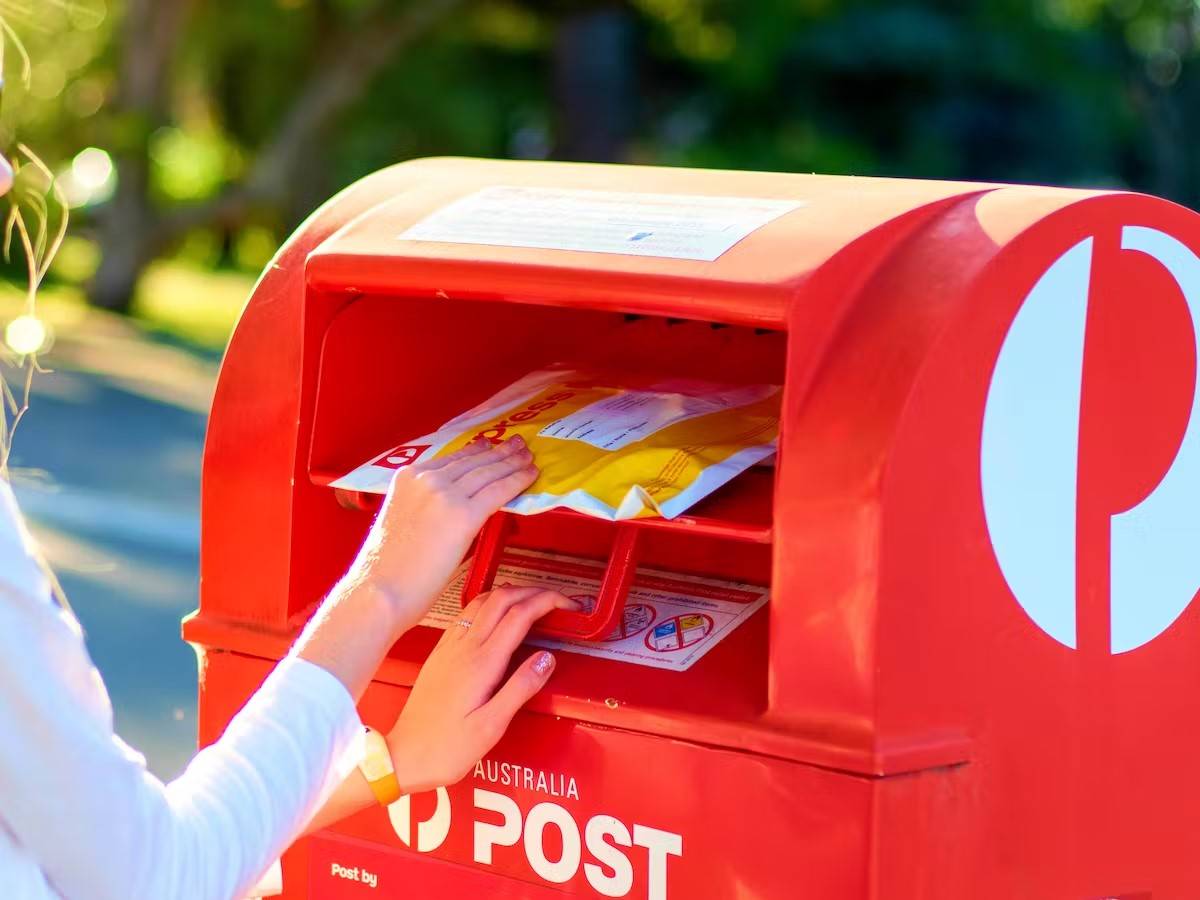
We use Australia Post Letter Postage for the majority of orders.
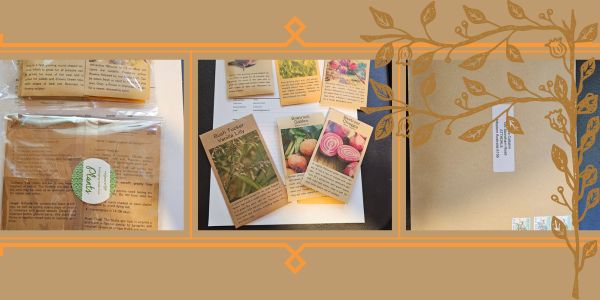
Not only are our seeds packed in recycled paper envelopes, we keep the theme going when we post out website orders. To protect your seeds from moisture and the letter box munchers (snails), we use a very special plastic free material made from plants. They are then put into recycled mailing envelopes. Green all the way ????????
Delivery Guarantee
We take great care to make sure your seeds arrive safely. If your order is lost or damaged in transit, we’ll happily send a replacement. Unfortunately, we can’t replace or refund orders that arrive later than the estimated delivery date, as delays can sometimes occur that are outside our control.
Please note that all dispatch and delivery times listed are estimates only. While we do our best to post promptly, delivery timeframes can vary due to postal service delays, weather events, or other unforeseen circumstances. We’re unable to take responsibility for any loss, damage, or cost that results from a late delivery.
An order is not considered missing until at least 20 business days have passed from the postage date. You’ll receive an email once your seeds have been posted, letting you know they’re on their way. If you don’t see it in your main inbox, please check your Spam or Promotions folders as sometimes our emails like to hide there.
See all our verified customer reviews on our official CusRev profile.
See all our verified customer reviews on our official CusRev profile.
See all our verified customer reviews on our official CusRev profile.
Not planted as yet due to hot weather
See all our verified customer reviews on our official CusRev profile.