




Carnation Enfante de Nice Mix
$4.95
Dianthus Caryophyllus
- Seed Count 100
- Perennial
- Eye Popping Blooms
- Height 50 cm
In stock
Description
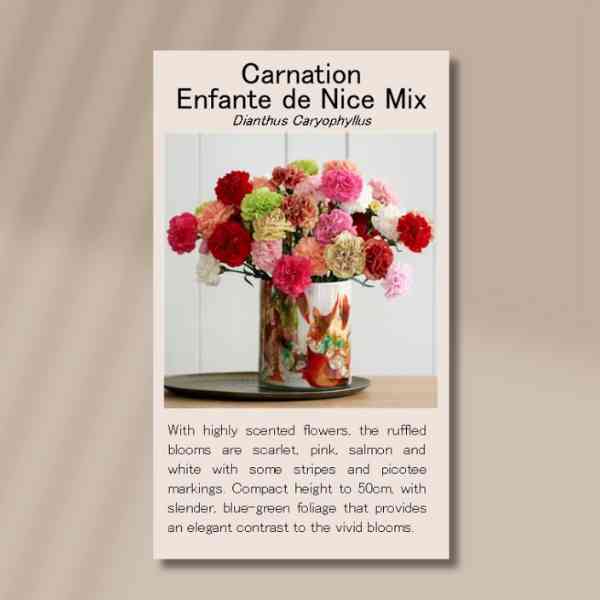
Carnation Enfante de Nice is an old European strain, developed with an emphasis on fragrance, form and cutting quality at a time when flowers were expected to do more than simply look pretty in a border. These carnations were bred to be noticed, admired, and gathered by hand, filling rooms with scent rather than just colour.
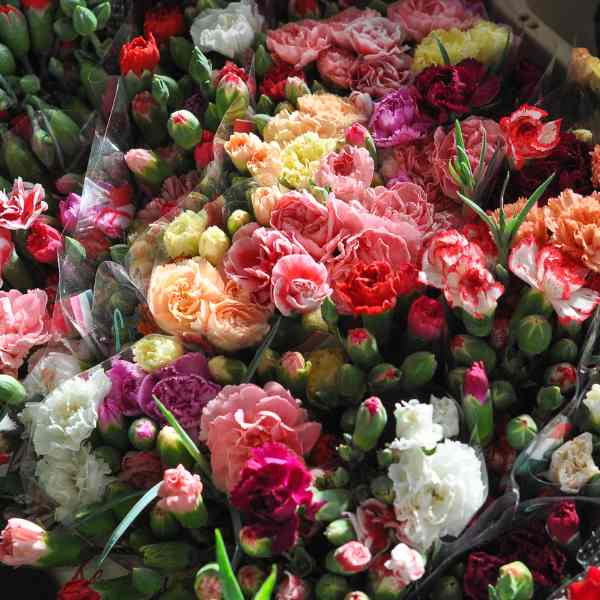
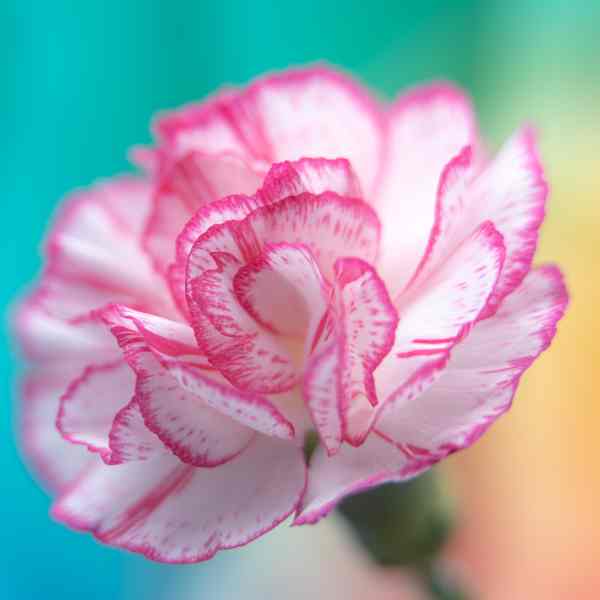
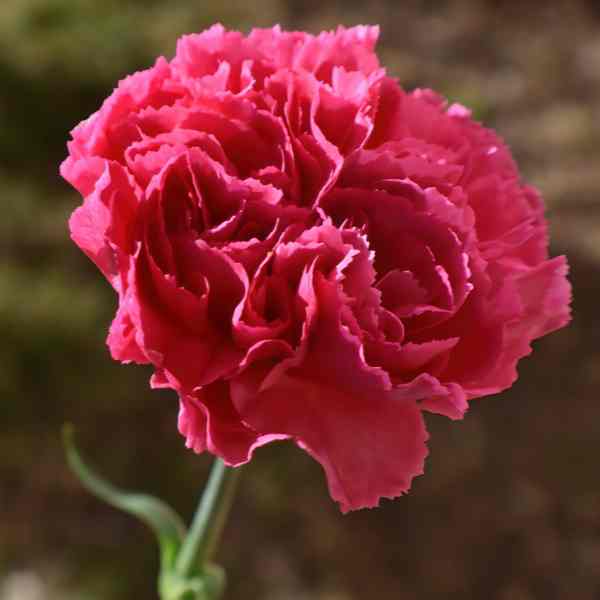
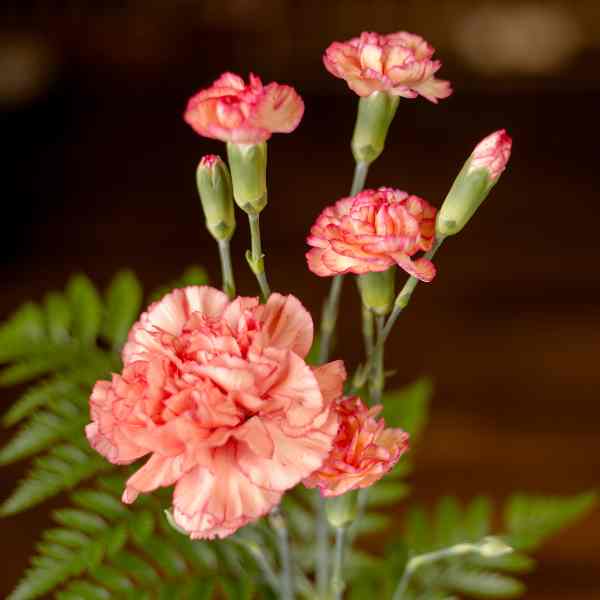
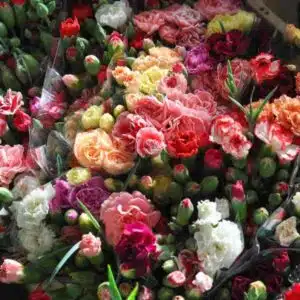
What immediately sets it apart is the richness and diversity of its flowers. The blooms are highly scented, with a classic clove-like fragrance that modern hybrids often lack.. The ruffled petals are produced in a lively mix of scarlet, soft pink, warm salmon and clean white, with many flowers carrying delicate stripes or picotee edging that gives each bloom its own personality. No two plants are exactly alike, and that variation is very much part of the charm.
The plants grow into neat, compact clumps, typically reaching around 50 cm in height. Their slender, blue-green foliage provides an understated backdrop to the vivid flowers, allowing the blooms to take centre stage without looking heavy or crowded. This restrained growth habit gives the plants a tidy, composed look that suits everything from cottage-style plantings to more formal garden layouts. Even when not in flower, the foliage remains attractive and well-mannered, contributing to the overall appeal of the plant.
One of the key reasons Enfante de Nice has remained popular for so long is its generous flowering nature and the flowers are held on sturdy stems, making them particularly well suited to cutting. Once brought indoors, Enfante de Nice carnations are long-lasting, often holding their form and fragrance for up to two weeks in a vase.
Beyond their visual appeal, Carnation Enfante de Nice Mix also offers quieter benefits that are just as important. The nectar-rich blooms are attractive to a range of pollinators, including bees and butterflies. When in flower, the plants often hum with gentle activity, a small but meaningful contribution to the health of local ecosystems.
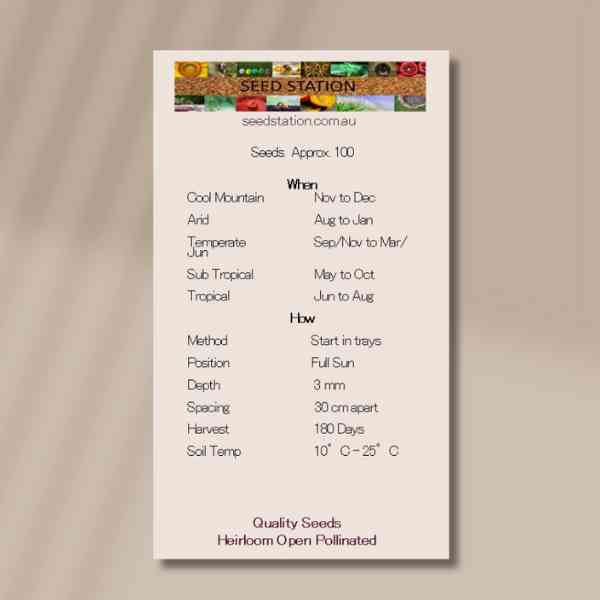
| Method: Start in trays | Soil Temp: 10°C - 25°C |
| Cool Mountain: Nov - Dec | Position: Part sun |
| Arid: Aug - Jan | Row Spacing: 30cm apart |
| Temperate: Sep-Nov, Mar-Jun | Planting Depth: 3 mm |
| Sub Tropical: May - Oct | Harvest: 180 Days |
| Tropical: Jun - Aug | Plant Height: 50cm |
🌸 Carnation Grow Guide
🌱 Overview
Carnations are charming, fragrant flowering plants grown for their ruffled blooms, long vase life, and classic cottage-garden appeal. They are excellent in borders, pots, cutting gardens, and mixed flower beds. Seed-grown carnations can take patience, but they reward careful gardeners with strong plants and beautiful flowers in shades of pink, red, white, yellow, purple, and bicolours.
For the best results, carnations should be raised with steady moisture, bright light, free-draining soil, and good airflow. They dislike soggy roots, heavy clay, overcrowding, and humid still air, so the key to success is growing them slightly on the dry, airy side rather than treating them like thirsty leafy vegetables.
🌱 Sowing in Trays Versus Direct Sowing
Carnation seed is best started in trays, punnets, or small pots rather than sown directly into the garden. While direct sowing is possible, tray sowing gives much better control over moisture, temperature, pests, and early seedling care. Carnation seedlings are fairly fine when young, and they can be outcompeted by weeds or damaged by slugs, snails, heavy rain, drying soil, or crusted garden beds.
To sow in trays, fill a punnet or seed tray with a fine seed-raising mix. Scatter the seed thinly and cover lightly with mix, around 3 to 6 mm deep. Firm the surface gently and water with a fine mist or soft spray so the seed is not washed away. Keep the mix evenly moist, but never wet. Germination is usually best in mild, stable conditions, and seedlings generally appear within about one to two weeks when conditions are suitable.
Once seedlings have developed true leaves and are large enough to handle, transplant them into individual small pots or directly into their final position. Harden them off gradually before planting out by exposing them to outdoor conditions over several days. Space plants about 30 to 40 cm apart, depending on the variety and whether they are being grown for garden display or cut flowers.
Direct sowing can work in a finely prepared, weed-free bed with excellent drainage. Sow shallowly, keep the soil evenly moist, and thin seedlings once they are established. However, for carnations, tray sowing is the better method because it produces stronger, more even plants and reduces early losses.
💧 Seed Pre-Treatment
Carnation seed does not usually require pre-treatment. There is no need for soaking, chilling, scarifying, or special preparation before sowing. Fresh seed, a clean seed-raising mix, gentle moisture, and a warm, bright position are usually enough.
The main thing to avoid is burying the seed too deeply or keeping the mix waterlogged. Fine flower seed often fails because it is either drowned, allowed to dry out completely, or covered so heavily that the seedling cannot push through.
🌞 Soil and Position
Carnations grow best in a sunny, open position with good airflow. They prefer full sun, although in very hot gardens they appreciate protection from harsh afternoon heat. A spot with morning sun and light afternoon shelter can be ideal where summer heat is intense.
The soil should be fertile, free-draining, and slightly alkaline to neutral. Heavy, wet soil is one of the most common reasons carnations fail. If your garden soil is clay-based or slow to drain, improve it with compost, coarse sand, fine gravel, or plant into raised beds or pots. Avoid planting them where water sits after rain.
Before planting, enrich the soil with compost or well-aged manure. Do not overdo rich nitrogen fertiliser, as this can lead to soft leafy growth with fewer flowers and greater disease risk. Carnations often perform well where the soil is improved but not overly lush. A small amount of garden lime or dolomite may be useful where soil is acidic, as carnations generally prefer conditions just above neutral.
For pots, choose a container with excellent drainage holes and use a quality potting mix. A pot at least 20 cm wide and deep is suitable for compact varieties, while taller cutting types benefit from larger containers. Keep pots in bright sun and raise them slightly off hard surfaces if drainage is poor.
🌿 Care and Maintenance
Carnations prefer consistent care rather than heavy intervention. Water deeply when the top few centimetres of soil begin to dry, then allow excess moisture to drain away. Avoid frequent shallow watering, and try not to wet the foliage late in the day, as damp leaves can encourage fungal disease.
Mulch lightly around the plants to conserve moisture and reduce weeds, but keep mulch away from the crown. A buried or damp crown can rot, especially in humid or wet conditions. Fine gravel, straw, sugar cane mulch, or composted bark can all work if used lightly.
Feed carnations with a balanced flower fertiliser during active growth. Avoid high-nitrogen feeding, which can produce weak stems and fewer flowers. A liquid flower fertiliser every couple of weeks or a slow-release fertiliser used according to the label can support strong growth and blooming.
Deadhead regularly by removing spent flowers back to a healthy leaf joint. This keeps plants tidy and encourages more flowering. Tall varieties may need staking, especially if grown for cut flowers or exposed to wind. Good airflow is important, so do not overcrowd plants.
For bushier growth, pinch young plants once they are established. This encourages side shoots and more flowering stems. However, if growing for long straight cut flowers, pinch selectively and remove weak side growth as needed.
🌼 Companion Planting Guide
Carnations fit beautifully into mixed flower gardens and can be grown with plants that enjoy similar sunny, free-draining conditions. Good companions include lavender, rosemary, sage, thyme, alyssum, marigold, calendula, snapdragon, pansy, viola, dusty miller, and ornamental grasses.
Lavender, rosemary, thyme, and sage are especially suitable because they also prefer open sun and soil that does not stay wet. Their aromatic foliage may help confuse some pests while creating a fragrant, drought-tolerant planting scheme. Alyssum and calendula attract beneficial insects, while marigolds add bright colour and can help diversify the garden bed.
Avoid planting carnations beside very thirsty or heavy-feeding plants that need constantly damp soil. They are not ideal companions for plants that create dense shade, trap humidity, or require rich wet conditions. Keep them away from sprawling plants that smother their crowns or restrict airflow.
✂️ How to Harvest
Harvest carnations for the vase when buds are showing colour and beginning to open. For single blooms, cut when the flower is partly open. For spray types, cut when several buds on the stem are beginning to open and the remaining buds are well developed.
Use clean, sharp snips and cut stems low on the plant, just above a healthy node or side shoot. Cutting low encourages new shoots to form from the base. Remove leaves that would sit below the waterline in a vase, then place stems into clean water immediately.
Change vase water regularly and recut the stems every few days. Carnations are known for lasting well as cut flowers, especially when harvested at the right stage and kept in clean water.
⚠️ Common Issues and Fixes
| Issue | Likely Cause | Fix |
|---|---|---|
| Seeds fail to germinate | Old seed, buried too deeply, mix dried out, or waterlogged conditions | Use fresh seed, sow shallowly, keep evenly moist, and use a fine seed-raising mix |
| Seedlings collapse | Damping-off disease from excess moisture or poor airflow | Use clean trays, avoid overwatering, improve airflow, and water early in the day |
| Yellow leaves | Poor drainage, overwatering, nutrient imbalance, or root stress | Check drainage, reduce watering, feed lightly, and avoid soggy soil |
| Plants rot at the base | Crown buried too deeply, wet mulch, or waterlogged soil | Keep crown at soil level, pull mulch back, and improve drainage |
| Few flowers | Too much nitrogen, not enough sun, overcrowding, or lack of deadheading | Move to brighter light, feed with flower fertiliser, space plants properly, and deadhead |
| Weak floppy stems | Low light, rich nitrogen feeding, or lack of support | Increase sunlight, reduce nitrogen, and stake taller varieties |
| Brown or spotted leaves | Fungal disease encouraged by wet foliage and poor airflow | Remove affected leaves, avoid overhead watering, increase spacing, and improve airflow |
| Aphids on new growth | Soft new shoots attracting sap-sucking insects | Spray off with water, encourage ladybirds, or use insecticidal soap if needed |
| Chewed seedlings | Slugs, snails, caterpillars, or earwigs | Protect young plants, remove hiding spots, use traps, and inspect at night |
| Flower buds dry or fail to open | Heat stress, inconsistent watering, or root stress | Water deeply when needed, mulch lightly, and provide afternoon protection in hot sites |
🌾 Detailed Seed Saving Guide
To save carnation seed, choose the healthiest plants with the best flower colour, strong stems, good fragrance, and disease resistance. Seed saved from weak or diseased plants can pass on poor traits, so selection matters. If you are growing several colours or varieties close together, expect some crossing, which may produce seedlings with mixed or unexpected flower forms.
Allow selected flowers to remain on the plant after blooming. Do not deadhead these flowers. As the petals fade and dry, the flower base will begin forming a seed capsule. Leave the capsule on the plant until it turns dry and papery. The seed is ready when the capsule is brown and the small dark seeds inside are firm and dry.
On a dry day, cut the mature seed heads and place them in a paper bag or shallow tray. Keep them somewhere dry and airy for another week or two to finish drying. Once completely dry, gently crush or open the seed heads over a clean sheet of paper. Separate the seeds from the chaff by lightly blowing away the dry plant material or using a fine sieve.
Label the seed with the flower colour, plant habit, and collection date. Store in a paper envelope inside an airtight jar in a cool, dry, dark place. Adding a small food-safe desiccant sachet can help keep moisture low. Avoid storing seed in a humid shed or warm windowsill, as heat and moisture reduce viability.
Before sowing saved seed, remember that plants grown from home-saved seed may not be identical to the parent, especially if other carnations were flowering nearby. This can be part of the fun, as seedlings may produce surprising colours and forms.
🌺 Final Thoughts
Carnations are a rewarding flower for gardeners who enjoy classic blooms, fragrance, and long-lasting cut flowers. They are not difficult, but they do ask for the right balance: bright sun, free-draining soil, steady moisture, good airflow, and careful watering. Starting seed in trays gives the strongest beginning, while regular deadheading and light feeding keep plants productive.
With patience, carnations can become a beautiful feature in pots, borders, cottage gardens, and cutting beds. Their flowers bring colour, scent, and elegance, and saving seed from your best plants allows you to continue improving your own garden-grown strain year after year.
🌸 Carnation Grow Guide
🌱 Overview
Carnation is a classic flowering plant grown for its ruffled blooms, spicy clove-like fragrance, long vase life, and strong value as a cut flower. Flowers may appear in shades of pink, red, white, yellow, peach, purple, cream, green, and many blended or edged colours. Carnations suit cottage gardens, flower borders, pots, edging, raised beds, cutting gardens, and fragrant ornamental displays.
Carnations are often grown for fresh bunches, buttonholes, posies, dried petals, and long-lasting floral arrangements. Some types have edible petals when grown without sprays, although the pale base of each petal can taste bitter and is usually removed. Only use flowers for food if the seed packet or supplier confirms they are suitable for edible use.
This plant is not difficult from seed, but it does reward patient care. Seed-grown carnations can be slower than many annual flowers, and young plants need good light, free-draining soil, steady moisture, and protection from fungal problems. Once established, they are hardy, elegant, and highly rewarding.
🌾 Sowing in Trays Versus Direct Sowing
Carnation is best started in trays or small pots rather than sown directly into the garden. The seed is small, seedlings are fine at first, and early growth is easier to manage in a protected space. Tray sowing gives better control over moisture, spacing, airflow, and protection from slugs, snails, ants, birds, heavy rain, and weeds.
To sow in trays, fill a punnet, cell tray, or small pot with fine seed-raising mix. Moisten the mix first, then scatter the seed thinly over the surface. Cover lightly with fine mix or vermiculite, about 2 to 3 mm deep. Water gently with a mist spray or from below so the seed is not washed into clumps. Keep the mix evenly moist but never soggy.
Direct sowing can work in a finely prepared, weed-free bed, but it is less reliable. Small seedlings are easily lost to pests, drying soil, crusted surface soil, or weed competition. If direct sowing, sow shallowly, press the seed gently into the soil, cover lightly, and water with a very soft spray.
Best method: tray sowing is recommended for carnations because it produces stronger seedlings, better spacing, and a more reliable start.
💧 Seed Pretreatment
Carnation seed does not require pretreatment. No soaking, scarifying, chilling, or smoke treatment is normally needed. Fresh seed, shallow sowing, consistent moisture, and bright conditions are enough.
Avoid soaking the seed, as it is small and can become difficult to handle when wet. The most common causes of poor germination are old seed, seed being buried too deeply, seed mix drying out, or overly wet conditions causing seed or seedling rot.
🪴 Soil and Position
Carnations grow best in full sun with open airflow. Strong light encourages compact growth, sturdy stems, better flowering, and stronger fragrance. Plants grown in too much shade may become stretched, weak, and less floriferous.
The soil should be well drained, slightly firm, and moderately fertile. Carnations dislike soggy roots, so drainage is very important. A light loam, sandy loam, raised bed, or improved garden soil is ideal. If the soil is heavy clay, grow carnations in a raised bed, mound, or container where excess water can drain away freely.
Avoid overly rich soil and heavy nitrogen feeding. Too much lush growth can lead to weak stems, fewer flowers, and more disease. Compost can be added before planting, but it should be well rotted and used moderately.
For pots, choose a container with good drainage holes and use a quality potting mix with added coarse sand, perlite, or fine gravel for extra drainage. Do not leave pots sitting in water.
🌿 Care and Maintenance
Carnations like steady care and good airflow. Keep seedlings evenly moist while they establish, then water more deeply but less often once plants are stronger. Allow the top layer of soil to begin drying between waterings. Avoid constantly wet soil, as carnations are prone to root and crown problems if kept too damp.
Water at the base rather than over the foliage. Wet leaves and crowded stems can encourage fungal issues, especially where airflow is poor.
Mulch lightly around plants to reduce weeds and conserve moisture, but keep mulch away from the crown. A gravel mulch, fine bark, straw, or composted leaf mulch can be used, as long as it does not hold moisture tightly against the stems.
Pinching young plants encourages bushier growth and more flowering stems. Once seedlings are established and growing well, pinch out the main growing tip above a set of leaves. This helps the plant branch rather than producing one tall, weak stem.
Tall varieties may need support. Use small stakes, a flower support ring, or horizontal netting to keep stems upright. Supporting early is easier than trying to rescue plants after they have fallen over.
Deadhead regularly by removing faded flowers down to a healthy leaf joint. This keeps the plant tidy and encourages more blooms. If saving seed, leave a few of the best flowers to mature fully.
Feed lightly during active growth with a mild flower fertiliser or compost-based feed. Avoid strong high-nitrogen fertilisers, as they can reduce flower quality.
🌼 Companion Planting Guide
Carnations combine beautifully with plants that enjoy sun, drainage, and moderate fertility. They work well in cottage gardens, cutting gardens, fragrant borders, and pollinator-friendly beds.
Good companions include alyssum, calendula, cornflower, cosmos, zinnia, marigold, lavender, thyme, oregano, sage, rosemary, salvia, yarrow, chamomile, parsley, dill, coriander, lettuce, kale, tomatoes, capsicum, beans, peas, and strawberries.
Low flowers such as alyssum and calendula help attract beneficial insects while softening the edges of carnation plantings. Herbs such as thyme, oregano, lavender, and sage suit similar drainage and sun conditions. Taller flowers like zinnia, cosmos, and cornflower create a colourful cutting garden mix.
Avoid planting carnations beside plants that need constantly wet soil. Mint in open ground, celery, watercress, and heavily irrigated leafy beds are not ideal neighbours. Also avoid crowding carnations with sprawling plants such as pumpkins, melons, or vigorous sweet potato vines, as they can block light and airflow.
✂️ How to Harvest
Carnations are excellent cut flowers. For fresh arrangements, harvest stems when the buds are showing colour and beginning to open, or when the flower is partly open but still firm. Fully open flowers can also be picked for immediate display.
Harvest in the morning once the foliage is dry. Use clean snips and cut long stems just above a leaf joint. Place stems into clean water straight away. Remove lower leaves so no foliage sits below the waterline.
For the longest vase life, use a clean vase, fresh water, and keep arrangements away from strong heat. Change the water regularly and recut stem ends if needed.
For edible petals, harvest only from plants grown without sprays and confirmed as suitable for edible use. Pull petals from the flower and remove the pale bitter base before using. Petals can be scattered over salads, cakes, desserts, drinks, and herb butters.
For dried petals, pick clean, fragrant flowers and remove the petals. Spread them in a single layer in a dry, shaded, airy place until crisp. Store dried petals in an airtight jar away from light and moisture.
⚠️ Common Issues and Fixes
| Issue | Likely Cause | Fix |
|---|---|---|
| Poor germination | Old seed, deep sowing, dry seed mix, or soggy conditions | Use fresh seed, sow shallowly, keep evenly moist, and avoid overwatering |
| Seedlings collapse | Damping off from excess moisture or poor airflow | Use clean seed mix, water carefully, thin crowded seedlings, and improve ventilation |
| Leggy seedlings | Not enough light or overcrowding | Move to brighter light and thin or pot on early |
| Yellow leaves | Waterlogging, nutrient stress, or old lower foliage | Improve drainage, feed lightly if needed, and remove tired leaves |
| Weak stems | Low light, excess nitrogen, or lack of pinching | Grow in full sun, reduce rich feeding, and pinch young plants |
| Few flowers | Too much shade, overfeeding, or no deadheading | Increase sun exposure, feed lightly, and remove spent blooms |
| Buds fail to open | Stress, dry soil, pest damage, or poor nutrition | Water consistently, inspect buds, and feed gently |
| Flowers rot or brown | Wet weather, overhead watering, or poor airflow | Water at the base, space plants well, and remove damaged blooms |
| Crown rot | Soil too wet or mulch against the crown | Improve drainage, keep mulch away from stems, and avoid overwatering |
| Rust | Humid conditions, wet leaves, or poor airflow | Remove affected leaves, water at soil level, and improve spacing |
| Powdery mildew | Crowding, dry roots, or poor airflow | Space plants well, water deeply, and remove affected growth |
| Aphids | Soft new growth or stressed plants | Hose off gently, encourage ladybirds, and avoid excessive nitrogen |
| Thrips | Pests feeding inside flowers and buds | Remove damaged blooms, improve garden hygiene, and use suitable soft insect control if needed |
| Plants become woody | Age or lack of trimming | Deadhead regularly, trim lightly after flowering, and refresh old plants with younger replacements |
🌰 Detailed Seed Saving Guide
Saving carnation seed is possible and worthwhile if you select carefully. Choose the healthiest plants with strong stems, good fragrance, attractive flower colour, long flowering performance, and no serious pest or disease problems. Avoid saving seed from weak, diseased, badly flopping, or poorly flowering plants.
Leave selected flowers on the plant after blooming. The petals will fade and dry, and the seed capsule will begin to mature at the base of the flower. Do not deadhead the flowers chosen for seed saving.
Allow the seed capsules to dry on the plant until they turn brown, papery, and crisp. Watch them closely, because mature capsules may split and release seed. If wind or rain is a problem, tie a small paper bag or fine mesh bag over the ripening capsule to catch falling seed.
When capsules are dry, cut them from the plant and place them in a paper bag. Keep the bag in a dry, shaded, airy place for several days so the capsules finish drying fully. Do not use plastic, as trapped moisture can cause mould.
Once crisp, gently break open the capsules over a white plate or sheet of paper. The seeds are small, dark, and easy to see against a pale surface. Remove pieces of dry capsule and chaff by hand.
Spread the cleaned seed on a plate for another week to ensure it is completely dry. Store it in a labelled paper envelope inside an airtight jar. Keep it somewhere cool, dark, and dry. Add a silica gel sachet if humidity is an issue.
Label the packet with the plant name, flower colour, fragrance notes, plant height, collection date, and any useful observations such as “strong stems”, “best scent”, “long vase life”, or “compact pot plant”.
Seed-grown carnations may vary in colour, size, fragrance, and flower form, especially if several types grow close together. This can be part of the charm, but for best selection, save seed only from the plants that show the qualities you most want to keep.
🌸 Final Thoughts
Carnation is a beautiful and rewarding flower for gardeners who enjoy fragrance, colour, cutting stems, and old-fashioned charm. It asks for a little patience from seed, but it gives back with elegant blooms, excellent vase life, and strong ornamental value.
For the best results, start seed in trays, sow shallowly, use well-drained soil, grow in full sun, avoid overwatering, pinch young plants for branching, support tall stems, and deadhead regularly. With simple but consistent care, carnations can become a standout feature in pots, borders, cottage gardens, and cut flower beds.

Postage Charge
Orders under $35 attract a $4.95 shipping charge. Orders $35 and above have free shipping.
Order Times
Seed orders are normally dispatched within three business days. You will receive an email when seeds are mailed out.
Postage Days
Seeds are mailed out Tuesday to Friday at 1pm. Except for the Friday of long weekends.
Postage Times
WA 2-3 Days: SA,NT 3-5 Days: NSW, ACT, QLD, VIC: 5-7 Days
Carrier
We use Australia Post Letter Postage for the majority of orders
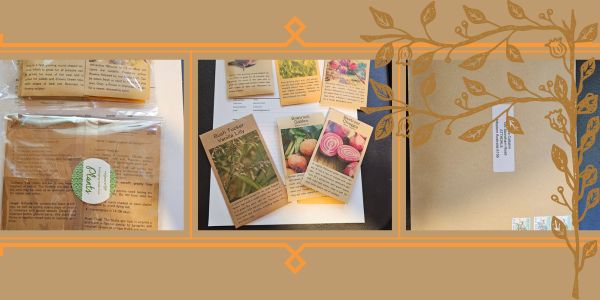
Not only are our seeds packed in recycled paper envelopes, we keep the theme going when we post out website orders. To protect your seeds from moisture and the letter box munchers (snails), we use a very special plastic free material made from plants. They are then put into recycled mailing envelopes. Green all the way ????????
Delivery Guarantee
We take great care to make sure your seeds arrive safely. If your order is lost or damaged in transit, we’ll happily send a replacement. Unfortunately, we can’t replace or refund orders that arrive later than the estimated delivery date, as delays can sometimes occur that are outside our control.
Please note that all dispatch and delivery times listed are estimates only. While we do our best to post promptly, delivery timeframes can vary due to postal service delays, weather events, or other unforeseen circumstances. We’re unable to take responsibility for any loss, damage, or cost that results from a late delivery.
An order is not considered missing until at least 20 business days have passed from the postage date. You’ll receive an email once your seeds have been posted, letting you know they’re on their way. If you don’t see it in your main inbox, please check your Spam or Promotions folders as sometimes our emails like to hide there.
Reviews
There are no reviews yet