




Amsterdam Leaf Celery
$4.95
Apium Graveolens Secalinum
- Seed Count 500
- Wild Celery
- Hardy Biennial
In stock
Description
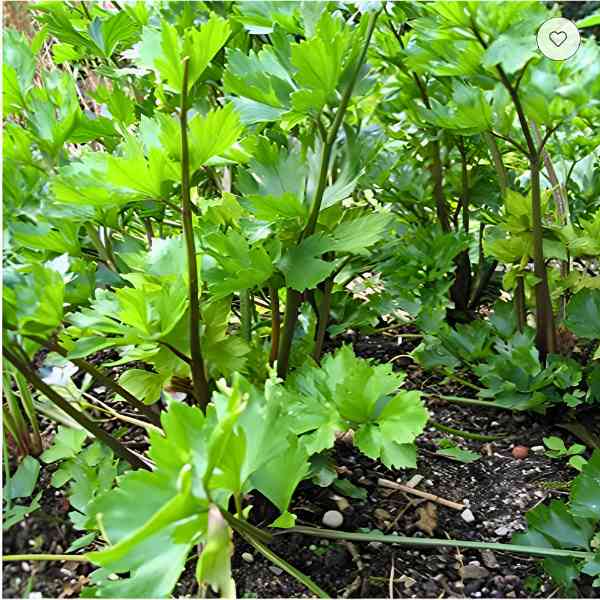
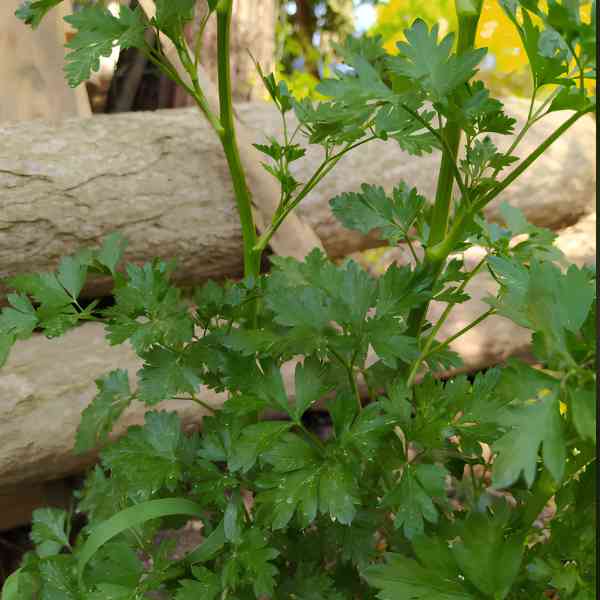
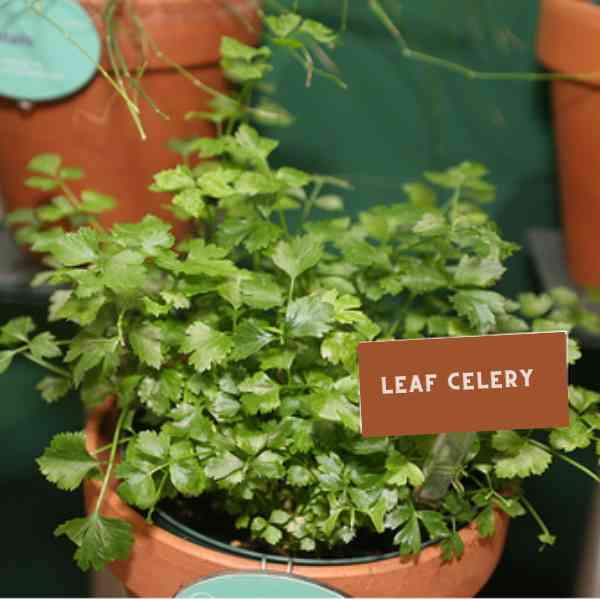
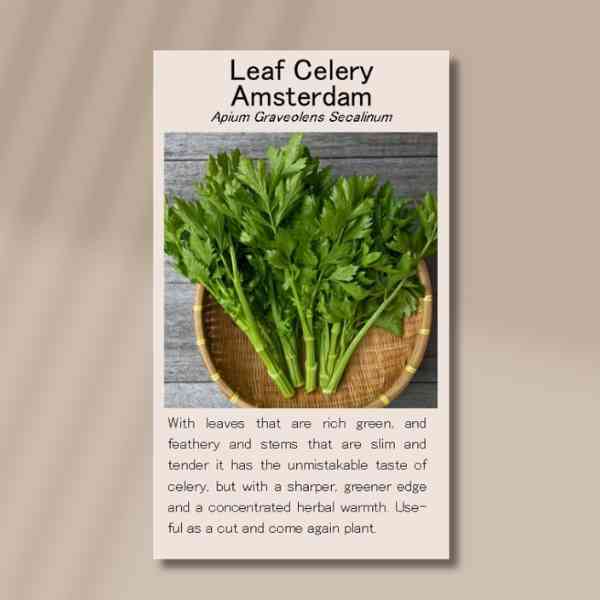
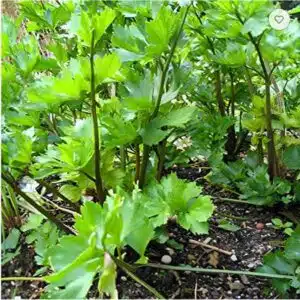
Leaf celery has a long history in European cooking, where it has often been valued more for its aromatic foliage than for thick stems. In that tradition, Amsterdam Leaf Celery carries the familiar savoury character of celery, with leaves that are rich green, and feathery.
One of the real appeals of this variety is how useful it is in a home kitchen. A few sprigs can lift a pot of soup, deepen the flavour of stock, or bring a lovely savoury edge to stews and sauces. Chopped finely, the leaves can be stirred through salads, egg dishes, stuffing, or soft cheese spreads where they give a fresh herbal note that is both bright and earthy. It has the unmistakable taste of celery, but with a sharper, greener edge and a concentrated herbal warmth. It can be a little peppery, a little salty, and deeply aromatic. The stalks are also used for flavouring but are normally discarded before eating as they can become fibrous.
In many ways it bridges the gap between a vegetable and a herb. That is exactly why gardeners often come to prefer it. Instead of waiting for large, heavy stems, they can snip what they need and enjoy a plant that gives over a long period. Visually, the leaves are delicate in shape, almost parsley-like at first glance, though with a richer sheen and a more upright, open form. The stems are slim and tender rather than thick and fleshy, which adds to its usefulness as a cut-and-come-again kitchen plant.
Its appeal in Australia is easy to understand. In many home gardens, there is strong interest in useful herbs and leafy edibles that can be picked fresh as needed rather than harvested all at once. Amsterdam Leaf Celery fits neatly into that way of gardening. It suits gardeners who enjoy stepping outside for a handful of something fragrant and green to finish a dish. It also suits those who appreciate old-fashioned varieties with genuine kitchen value. Whether tucked into a productive patch, mixed into a herb bed, or grown where its fine foliage can be admired up close, it feels at home in the domestic garden.
| Method: Start in Trays | Soil Temp: 12°C - 21°C |
| Cool Mountain: Oct - Mar | Position: Full sun - Part Shade |
| Arid: May - Aug | Row Spacing: 30cm apart |
| Temperate: Mar - May / Aug - Dec | Planting Depth: 2 mm |
| Sub Tropical: Mar - Sep | Harvest: 120 days |
| Tropical: Apr - Jul | Plant Height: 30 - 60 cm |
🌿 Leaf Celery Grow Guide
🌱 Overview
Leaf celery, also called cutting celery, is grown mainly for its aromatic leaves and slender stems rather than thick, blanched stalks. It has a stronger flavour than standard celery and is excellent in soups, stocks, stir-fries, salads, sauces, stews, and herb blends. It is a useful plant for home gardens because you can harvest it repeatedly by cutting leaves as needed, allowing the plant to continue producing fresh growth.
Leaf celery is best treated as a leafy herb rather than a bulky vegetable crop. It rewards steady moisture, fertile soil, and gentle harvesting. While it is not difficult to grow, it does need patience at the seed stage because celery seed is naturally slow and sometimes uneven to germinate.
🌱 Sowing in Trays Versus Direct Sowing
Leaf celery can be grown either by sowing seed into trays or by sowing directly into the garden, but starting in trays is the best method for most gardeners.
Sowing in trays gives better control over moisture, temperature, and seed depth. This is important because leaf celery seed is very small and should not be buried deeply. In trays, the seedlings can be protected while they are young, and weaker plants can be thinned before transplanting. This usually gives a more reliable result than direct sowing.
To sow in trays, fill a seed tray or punnet with a fine seed-raising mix. Scatter the seed thinly across the surface and press it gently into the mix. Cover with only the lightest dusting of fine mix or vermiculite, or leave barely covered, as the seed needs light contact and consistent moisture to germinate well. Mist gently rather than watering heavily, because strong water flow can wash the tiny seed into clumps.
Direct sowing is possible, especially in a well-prepared bed with fine, crumbly soil. However, it is less reliable because the seed can dry out, wash away, be buried too deeply, or be outcompeted by weeds. If sowing direct, make a shallow drill, sprinkle seed thinly, press it into the soil, and keep the area evenly moist until seedlings are established.
Once tray-grown seedlings are large enough to handle and have several true leaves, transplant them carefully into the garden. Space plants about 20 to 30 cm apart, depending on how large you want them to grow. Water them in well and protect them from harsh sun or drying winds for the first few days after transplanting.
💧 Seed Pre-Treatment
Pre-treatment is helpful but not essential. Leaf celery seed can be slow to germinate, so soaking the seed before sowing may improve speed and evenness.
A simple method is to soak the seed in room-temperature water for several hours before sowing. After soaking, drain the seed and sow it carefully on the surface of moist seed-raising mix. Because the seed is tiny, it can be difficult to handle when wet, so some gardeners prefer to mix it with a little dry sand after soaking to help spread it more evenly.
Do not use hot water treatment. The seed is delicate, and excessive heat may reduce viability.
🪴 Soil and Position
Leaf celery grows best in rich, moisture-retentive soil that still drains freely. It dislikes drying out, but it also dislikes sitting in stagnant, waterlogged ground. The ideal soil is fertile, crumbly, and improved with compost or well-rotted organic matter before planting.
A slightly acidic to neutral soil is suitable. If the soil is very sandy, add compost and organic matter to help it hold moisture. If the soil is heavy clay, improve structure with compost and avoid planting in areas where water sits for long periods.
Choose a position with good light and protection from harsh conditions. Leaf celery can grow in full sun where temperatures are mild, but in hotter districts it appreciates some afternoon shade. A position with morning sun and light afternoon protection is often ideal. Shelter from strong drying winds is also useful, as wind stress can make plants tough, bitter, or prone to bolting.
🌿 Care and Maintenance
Leaf celery needs consistent care to produce tender, flavoursome leaves. The most important rule is to keep the soil evenly moist. Irregular watering can lead to tough growth, bitterness, and stress. Mulching around plants with straw, sugarcane mulch, lucerne, or fine compost helps conserve moisture and keeps the root zone cooler.
Feed plants regularly but gently. Leaf celery is a leafy crop, so it responds well to nitrogen-rich organic feeds such as compost tea, seaweed solution, worm tea, or a balanced liquid fertiliser. Avoid overfeeding with strong fertilisers, as this can produce soft, weak growth that attracts pests.
Remove yellowing or damaged leaves as they appear. This improves airflow and keeps the plant productive. Harvesting regularly also encourages fresh new growth. If flower stems begin to form and you are not saving seed, remove them early to keep the plant focused on leaves.
Keep weeds under control, especially while the plants are young. Leaf celery has fine roots near the soil surface, so weed carefully by hand rather than digging deeply around the plant.
🌼 Companion Planting Guide
Leaf celery fits well into mixed vegetable and herb gardens. Its strong scent may help confuse some pests, and its flowers can attract beneficial insects if allowed to bloom.
| Companion | Why It Helps |
|---|---|
| Tomatoes | Leaf celery can grow near tomatoes where moisture and feeding are well managed. |
| Cabbage family crops | Its scent may help diversify plantings and confuse some pests. |
| Beans | Beans improve garden diversity and grow well nearby if not overcrowding the celery. |
| Leeks and onions | Their upright growth habit makes efficient use of space. |
| Lettuce | Both enjoy steady moisture and fertile soil. |
| Parsley | Similar growing needs make them suitable neighbours. |
| Dill, coriander, and alyssum | Their flowers attract beneficial insects and pollinators. |
| Marigold | Adds diversity and may help support beneficial insect activity. |
Avoid planting leaf celery where it will be shaded heavily by large crops. It also does not compete well with aggressive plants that take too much water or root space.
✂️ How to Harvest
Leaf celery can be harvested once the plant has enough growth to recover after cutting. Take the outer leaves and stems first, leaving the central growing point intact. This allows the plant to continue producing.
For regular kitchen use, harvest a few stems at a time. Cut cleanly with scissors or a sharp knife rather than tearing, as tearing can damage the crown. For a larger harvest, cut the plant back lightly, leaving several centimetres of growth at the base so it can regrow.
The leaves are strongest in flavour when fresh. Use them finely chopped in soups, stocks, sauces, omelettes, salads, and savoury dishes. The slender stems can also be used like a stronger version of celery. For storage, place cut stems in a container in the fridge, or chop and freeze them for cooked dishes.
⚠️ Common Issues and Fixes
| Issue | Likely Cause | Fix |
|---|---|---|
| Poor germination | Seed buried too deeply, dry seed mix, old seed, uneven moisture | Sow on the surface or barely cover, keep consistently moist, use fresh seed. |
| Leggy seedlings | Not enough light | Move trays to brighter light and avoid overcrowding. |
| Seedlings collapsing | Damping off from excess moisture and poor airflow | Use clean seed mix, water gently, improve airflow, avoid soggy conditions. |
| Bitter leaves | Heat stress, dry soil, plant stress, old growth | Keep soil evenly moist, mulch well, provide light shade in harsh conditions, harvest younger leaves. |
| Plants bolting | Stress, drying out, root disturbance, temperature swings | Maintain steady moisture, transplant gently, harvest regularly, remove flower stems unless saving seed. |
| Yellow leaves | Nutrient deficiency, waterlogging, old leaves | Feed lightly, improve drainage, remove old foliage. |
| Aphids | Soft new growth attracting sap-sucking pests | Hose off with water, encourage ladybirds and lacewings, use insecticidal soap if needed. |
| Leaf spots | Humid conditions, poor airflow, overhead watering | Water at soil level, space plants well, remove affected leaves. |
| Slugs and snails | Damp mulch and tender seedlings | Use barriers, hand-pick at night, protect young plants. |
| Tough stems | Irregular watering or mature growth | Harvest regularly and keep plants growing steadily. |
🫘 Detailed Seed Saving Guide
Seed saving from leaf celery requires patience because the plant must be allowed to flower and complete its seed cycle. Choose the healthiest, most vigorous plants for seed. The best seed should come from plants with strong flavour, good leaf production, disease resistance, and no early stress-related flowering.
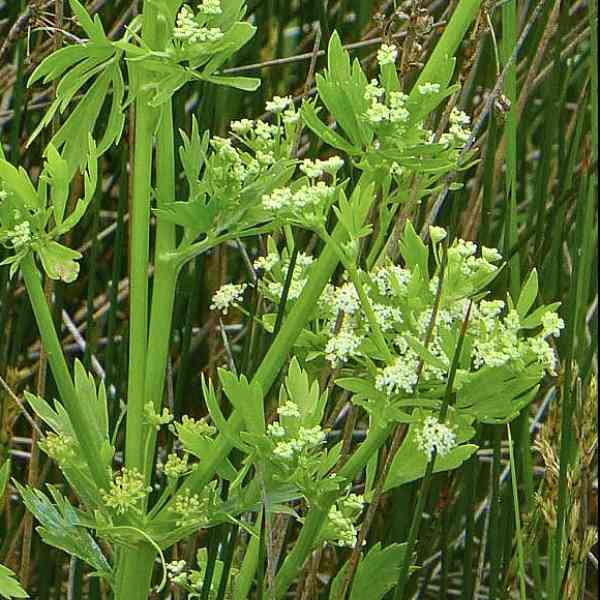
Allow selected plants to send up flower stems. The plant will produce clusters of small flowers, followed by tiny seeds. During this stage, keep the plant watered but avoid overfeeding. Too much lush growth late in the process can delay seed maturity.
Leaf celery can cross with related celery types if they are flowering nearby. For pure seed, grow only one type flowering at a time, or separate different types by a generous distance. In a home garden, this is especially important if nearby gardeners are also allowing celery plants to flower.
As the seed heads mature, they will begin to dry and turn brown. Do not harvest too early, as immature seed may not store or germinate well. When the seed heads are mostly dry, cut them into a paper bag or onto a clean tray. Continue drying them in a warm, dry, airy place out of direct harsh sunlight.
Once fully dry, rub the seed heads gently between your fingers to release the seed. Use a sieve, gentle blowing, or careful hand sorting to remove chaff. Because the seed is very small, work slowly and avoid doing this in a windy place.
Store the cleaned seed in a labelled paper envelope or airtight container. Write the plant name and collection date on the label. Keep the seed somewhere cool, dry, and dark. For best results, use the seed within a few years, as germination usually declines with age.
🌟 Final Thoughts
Leaf celery is a rewarding crop for gardeners who enjoy flavour-packed herbs and cut-and-come-again harvests. It is slower to start than many leafy greens, but once established it becomes a dependable kitchen plant. The key to success is surface sowing, steady moisture, fertile soil, and regular harvesting.
For the most reliable results, start the seed in trays, transplant carefully, mulch well, and keep the plant growing without stress. With good care, leaf celery will provide aromatic leaves for everyday cooking and, if allowed to flower, a useful supply of seed for future planting.
🌿 Celery Grow Guide
Celery is a crisp, aromatic vegetable grown for its crunchy stems, leafy tops, and strong savoury flavour. It is useful in soups, stocks, salads, stir-fries, stews, juices, stuffing, sauces, and pickles. Homegrown celery often has a stronger flavour than supermarket celery, especially if the plant experiences dry stress, so steady moisture is one of the most important parts of growing it well.
Celery is not difficult, but it is more demanding than many vegetables. It needs fertile soil, regular water, good airflow, and patience. The plant has shallow roots and dislikes drying out, so the best results come from consistent care rather than neglect. With good preparation, celery can be a very rewarding crop for garden beds, raised beds, wicking beds, and large containers.
🌱 Sowing in Trays Versus Direct Sowing
Celery can be direct sown, but sowing in trays is usually the best method. The seed is tiny, seedlings are slow at first, and young plants can be easily lost among weeds or damaged by drying soil. Tray sowing gives better control over moisture, spacing, light, and early growth.
To sow in trays, fill a seed tray or small cells with fine seed-raising mix. Scatter the seed thinly over the surface and press it gently into the mix. Do not bury celery seed deeply, as it needs light to germinate well. A very light dusting of fine vermiculite or seed mix is enough, or the seed can be left on the surface if it has good contact with the mix.
Mist gently and keep the surface evenly moist at all times. Celery seed can be slow and uneven, so patience is important. Once seedlings are large enough to handle, pot them on carefully into individual cells or small pots. Handle seedlings by the leaves rather than the stem.
Direct sowing can work in a very fine, weed-free bed, but it is less reliable. The seed can wash away, dry out, become buried too deeply, or be overtaken by weeds. For most gardeners, tray sowing is strongly preferred because celery needs a protected, steady start.
🌾 Seed Pre-Treatment
Celery seed does not require special pre-treatment, but it benefits from careful handling. The most important points are fresh seed, surface sowing, steady moisture, and light.
Because celery seed is small and slow, soaking is usually not necessary. If seed is older, a short soak in room-temperature water for a few hours can help soften it, but this is optional. After soaking, sow promptly and do not leave the seed sitting wet for too long.
Do not cover celery seed heavily. Deep sowing is one of the most common reasons for poor germination. Keep the seed-raising mix moist but not waterlogged, and avoid letting the surface dry out during germination.
🌞 Soil and Position
Celery grows best in full sun to light partial shade. Good light encourages strong growth, but light shade can be helpful in hot or exposed gardens because celery dislikes heat and dry stress.
The soil should be rich, fertile, moisture-retentive, and free-draining. Celery is a hungry, thirsty crop with shallow roots, so soil preparation matters. Before planting, improve the bed with compost, aged manure, worm castings, or well-rotted organic matter. The goal is soil that holds steady moisture without becoming soggy.
Avoid dry, sandy, compacted, or poor soil unless it has been improved well. Dry soil can lead to stringy, bitter, hollow, or tough stems. Waterlogged soil can cause yellowing, root problems, and rot.
Celery can grow well in containers, but the pot must be large enough to hold moisture. Use a deep pot or trough with drainage holes and a premium potting mix. Wicking beds and self-watering containers can work well because celery appreciates consistent moisture.
💧 Care and Maintenance
Celery needs regular watering from seedling stage through to harvest. The soil should remain evenly moist, not dry and not waterlogged. Irregular watering can cause tough stems, bitter flavour, slow growth, splitting, or hollow stalks.
Mulch around plants to conserve moisture, suppress weeds, and keep the root zone cool. Keep mulch slightly away from the crown so the centre of the plant does not rot.
Feed regularly with compost, worm tea, liquid seaweed, fish emulsion, or a balanced vegetable fertiliser. Celery needs steady nutrition to produce thick, juicy stems. Avoid sudden heavy feeding after a long dry spell, as stressed plants can grow unevenly.
Weeding is important because celery has shallow roots and does not compete well. Weed by hand and avoid deep digging around the plants.
Some gardeners blanch celery to make stems paler and milder. This means blocking light from the stems while leaving the leafy tops exposed. You can do this by loosely wrapping the stems with cardboard, paper, or a collar, or by gently mounding soil around the lower stems. Keep soil out of the plant centre and avoid trapping moisture against the crown. Blanching is optional. Unblanched celery is usually greener, stronger flavoured, and more nutritious.
🐝 Companion Planting Guide
Celery grows well with plants that enjoy similar moisture and fertility. It also benefits from nearby flowers and herbs that attract beneficial insects.
Good companions include cabbage, broccoli, kale, cauliflower, lettuce, spinach, silverbeet, leek, spring onion, chives, tomatoes, beans, peas, cucumber, parsley, dill, coriander, calendula, alyssum, marigold, chamomile, yarrow, and nasturtium.
Celery can fit nicely between taller crops if it still receives enough light. Leafy greens make good companions because they enjoy similar rich, moist soil. Flowers such as calendula, alyssum, yarrow, and chamomile help attract hoverflies, bees, and other beneficial insects.
Avoid planting celery beside plants that need dry soil, such as thyme, rosemary, sage, oregano, and lavender. These herbs prefer much drier conditions than celery. Also avoid crowding celery with vigorous groundcovers or large leafy plants that block airflow and make the stems damp.
✂️ How to Harvest
Celery can be harvested by cutting individual outer stalks or by harvesting the whole plant. For a continuous harvest, remove the outer stalks first and leave the centre growing. This allows the plant to keep producing for longer.
Use a clean knife or scissors and cut stalks close to the base without damaging the crown. Choose firm, crisp stalks with healthy leaves. The leaves are edible and full of flavour, so they can be used in stocks, soups, herb mixes, and salads in small amounts.
To harvest the whole plant, cut it at the base just above soil level, or lift the plant and trim the roots. Wash stems well, as soil can collect between them.
Celery is best used fresh for crisp texture. Store harvested stems in the fridge wrapped or standing in a little water. If stems become slightly limp, they can often be refreshed by standing them in cold water.
⚠️ Common Issues and Fixes
| Issue | Likely Cause | Fix |
|---|---|---|
| Poor germination | Seed buried too deeply, old seed, surface dried out | Use fresh seed, surface sow, keep evenly moist |
| Patchy seedlings | Tiny seed clumping, uneven moisture, slow germination | Sow thinly, mist gently, allow extra time |
| Seedlings collapse | Overwatering, poor airflow, fungal disease | Use clean seed mix, avoid soggy conditions, improve ventilation |
| Leggy seedlings | Not enough light or overcrowding | Move to brighter light and thin or pot on early |
| Slow growth | Poor soil, dry stress, low nutrition, root restriction | Improve soil, water consistently, feed lightly but regularly |
| Thin stems | Overcrowding, poor feeding, not enough water | Space plants properly, feed regularly, maintain moisture |
| Bitter flavour | Dry stress, heat stress, old stems | Water evenly, mulch well, harvest before stems become tough |
| Stringy stalks | Irregular watering, slow growth, mature stems | Keep moisture steady and harvest younger stalks |
| Hollow stems | Uneven watering, nutrient imbalance, rapid stress growth | Water consistently and maintain steady feeding |
| Yellowing leaves | Waterlogging, nutrient shortage, old leaves | Improve drainage, feed gently, remove old foliage |
| Brown leaf edges | Dry soil, heat stress, salt build-up in pots | Water deeply, mulch, flush containers occasionally |
| Stems rotting at base | Soil too wet, mulch against crown, poor airflow | Improve drainage, move mulch back, increase spacing |
| Leaf spots | Damp foliage, poor airflow, fungal disease | Water at soil level, remove affected leaves, improve spacing |
| Aphids | Soft new growth attracting sap-sucking insects | Hose off gently, encourage ladybirds and hoverflies |
| Caterpillar damage | Chewed leaves or hidden larvae | Inspect regularly and hand-pick pests |
| Slug or snail damage | Tender seedlings or damp mulch | Protect young plants, check at night, use barriers |
| Leaf miner trails | Larvae feeding inside leaves | Remove affected leaves and use fine insect netting if needed |
| Plant flowers early | Stress, dry soil, root restriction, plant maturity | Keep moisture steady, avoid root-bound seedlings, harvest before quality declines |
🌰 Detailed Seed Saving Guide
Saving celery seed takes patience because celery usually needs to grow through a full life cycle before flowering and setting seed. Choose healthy, strong plants with thick stems, good flavour, upright growth, and no signs of disease. Avoid saving seed from weak plants, bitter plants, or plants that flower too early from stress.
Leave selected plants in the garden instead of harvesting them fully. Over time, they will send up tall flowering stems with clusters of small flowers. These flowers attract beneficial insects and will later form seed.
Celery can cross with closely related celery types flowering nearby. For more predictable seed, allow only one type to flower for seed in the area, or separate different types by a generous distance.
Allow the seed heads to mature on the plant until they turn dry and brown. Watch closely, as seed can shatter and drop once fully mature. When most seed heads are dry but before they scatter, cut the stems and place them upside down in a paper bag.
Label the bag immediately and keep it in a dry, shaded, airy place for one to two weeks so the seed heads finish drying. Once dry, rub the seed heads gently between your fingers over a tray or sheet of paper to release the small seeds.
Separate the seed from the dry flower material as best you can. A fine sieve can help remove larger pieces of chaff. Spread the cleaned seed on paper for several more days to make sure it is completely dry.
Store seed in a labelled paper envelope or small airtight jar. Include the plant name and collection date. Keep seed in a cool, dark, dry place. Celery seed is small, so protect it from moisture and heat. For best results, save seed from several strong plants rather than only one.
🌿 Final Thoughts
Celery is a rewarding but moisture-loving vegetable that needs more attention than many quick crops. It is best started in trays because the seed is tiny, slow, and needs light to germinate. No special pre-treatment is required, but fresh seed, surface sowing, and steady moisture are essential.
Give celery rich soil, consistent water, regular feeding, good airflow, and light shade in harsh positions. Harvest outer stems regularly or cut the whole plant when stems are thick and crisp. With patient seed raising and steady care, celery can provide crunchy stems, flavourful leaves, useful seed, and a strong savoury harvest from the garden.

Postage Charge
Orders under $40 attract a $5.50 shipping charge. Orders $35 and above have free shipping.
*** We cannot deliver to Parcel Lockers ***
Order Times
Seed orders are normally dispatched within three business days. You will receive an email when seeds are mailed out.
Postage Days
Seeds are mailed out Tuesday to Friday at 1pm. Except for the Friday of long weekends.
Postage Times
WA 2-3 Days: SA,NT 3-5 Days: NSW, ACT, QLD, VIC: 5-7 Days
Carrier
We use Australia Post Letter Postage for the majority of orders.
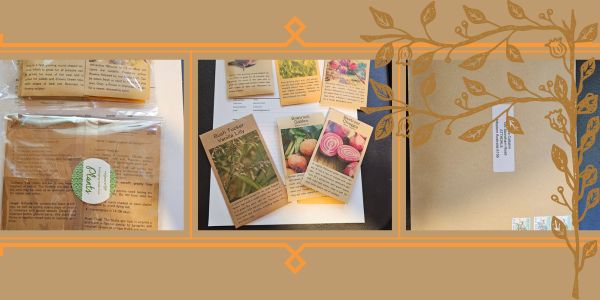
Not only are our seeds packed in recycled paper envelopes, we keep the theme going when we post out website orders. To protect your seeds from moisture and the letter box munchers (snails), we use a very special plastic free material made from plants. They are then put into recycled mailing envelopes. Green all the way ????????
Delivery Guarantee
We take great care to make sure your seeds arrive safely. If your order is lost or damaged in transit, we’ll happily send a replacement. Unfortunately, we can’t replace or refund orders that arrive later than the estimated delivery date, as delays can sometimes occur that are outside our control.
Please note that all dispatch and delivery times listed are estimates only. While we do our best to post promptly, delivery timeframes can vary due to postal service delays, weather events, or other unforeseen circumstances. We’re unable to take responsibility for any loss, damage, or cost that results from a late delivery.
An order is not considered missing until at least 20 business days have passed from the postage date. You’ll receive an email once your seeds have been posted, letting you know they’re on their way. If you don’t see it in your main inbox, please check your Spam or Promotions folders as sometimes our emails like to hide there.
Reviews
There are no reviews yet