Growing a Little Food Security at Home
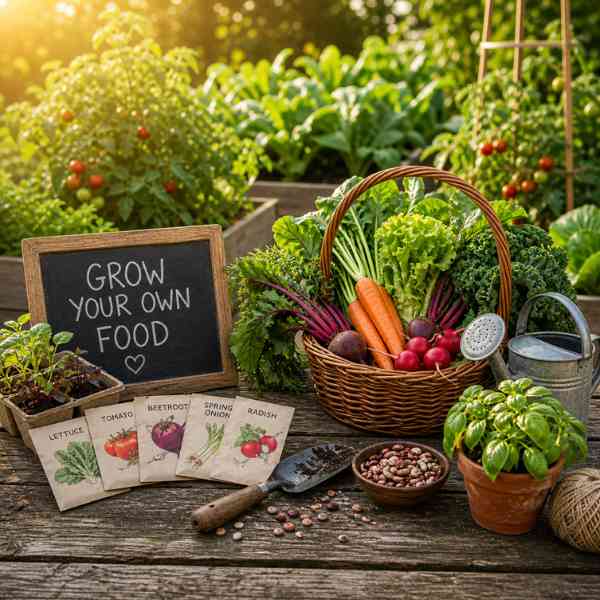
Building Everyday Food Resilience From the Backyard
There is a lot going on in the world at the moment, and while it feels far away from home phrases like “food security” are slipping into everyday conversations. The war involving Iran is one of those things. It might seem like something happening “over there”, until the flow-on effects start showing up in places we all notice, like fuel prices, freight costs, fertiliser supplies and the weekly grocery bill.
This is not a panic post. Not even close. No one needs to start digging up the entire lawn by torchlight or planting potatoes in every spare laundry basket. But it is a gentle nudge. If you have been thinking about growing some of your own food, this is a very good time to begin.
The latest Australian Bureau of Statistics figures show that Australia’s Consumer Price Index rose 4.6% in the 12 months to March 2026, with food and non-alcoholic beverages up 3.1% over the same period. So even before any further pressure flows through from overseas conflict, many households are already feeling the pinch at the checkout. (Australian Bureau of Statistics)
And the big concern with the war involving Iran is not just food itself. It is the things needed to grow and move food, especially fuel, freight and fertiliser. Reuters has reported that the conflict is putting pressure on fertiliser prices and could affect future grain harvests, while the IMF, World Bank and World Food Programme have warned that higher oil, gas and fertiliser prices can push food prices higher. (Reuters)
Growing even a little food at home will not solve every problem in the world, but it can help soften the edges. A few pots of herbs. A patch of silverbeet. Some lettuce tucked into a container. Cherry tomatoes along a fence. Beetroot, radish, spring onions, beans, zucchini, cucumbers, pumpkins, chillies, parsley, basil and coriander all add up over a season.
🌾 Why Fertiliser Shortages Matter
Most of the food we buy has a long journey before it reaches the supermarket shelf. Farmers need seed, fuel, water, labour, machinery, packaging, transport and fertiliser. If one or two of those costs jump, it can affect the price of the final product.
Fertiliser is a big one because modern farming relies heavily on it, especially nitrogen fertiliser for crops such as wheat, corn, rice and many vegetables. Fertiliser production is closely tied to energy costs, particularly natural gas. When energy prices rise or shipping routes become uncertain, fertiliser can become more expensive or harder to access.
Yara, one of the world’s largest fertiliser companies, has warned that the war involving Iran is disrupting fertiliser supply chains, with concerns that poorer countries may be hit hardest if fertiliser becomes scarce or too expensive. (The Guardian)
Now, that does not mean Australia is about to run out of food next week. We are lucky to live in a country with strong agricultural production. But it does mean food may cost more to grow, move and buy. And when the basics rise, households feel it.
That is where home growing becomes quietly powerful. You do not need a global fertiliser supply chain to grow a bowl of lettuce. You do not need a refrigerated truck to move parsley from your back step to your dinner plate. You do not need fancy gear to grow radishes, silverbeet or herbs.
You need seed, soil, water, sunlight and a little bit of patience.
That’s it. That is where it starts.
🌱 Growing From Seed Is Still One of the Cheapest Ways to Grow Food
Seed growing is wonderfully old-fashioned in the best possible way. Generation upon generation of our ancestors were growing their own food because it was a necessity and seeds was the method of choice. Every one saved their seeds and shared and traded with friends and family.
In todays modern economy you can buy seeds by the packet and a single packet of lettuce seed can grow far more than one bag of supermarket salad for the same price and a packet of tomato seed can give you plants for the whole season.
You are not paying for someone else to grow the plant, pot it, label it, water it, transport it and display it at a nursery. You are doing the early part yourself, which is where the savings begin.
And yes, some seeds can be a bit fiddly. Carrots like to be direct sown. Parsley can take its sweet time. Capsicum and eggplant enjoy warmth. Tomatoes can get leggy if they do not have enough light.That’s okay. It is all part of learning.The trick is not to start with everything.
Start with the easy wins. 🌼
🥬 Start With Crops That Give You Quick Rewards
If you are new to growing food from seed, choose varieties that make you feel clever early on. There is nothing quite like seeing the first green shoots pop through the soil. It gives you that little “Oh good, I haven’t killed it yet” feeling. Quick growers are perfect for building confidence.
Radish is one of the fastest. It can be ready in around a month in good conditions, and it is a great crop for kids, impatient gardeners and anyone who needs a quick gardening win.
Lettuce, rocket, mizuna and mustard greens are brilliant because you can harvest them as baby leaves. You do not have to wait for a full head to form. Just snip a few leaves and let the plant keep growing.
Silverbeet is one of those reliable garden friends. It is not fancy, but it works hard. You can pick leaves as needed, and it will keep producing for ages if you look after it.
Spring onions are another quiet achiever. They do not take much space, and once you have them growing, you will wonder why you kept buying bunches from the supermarket.
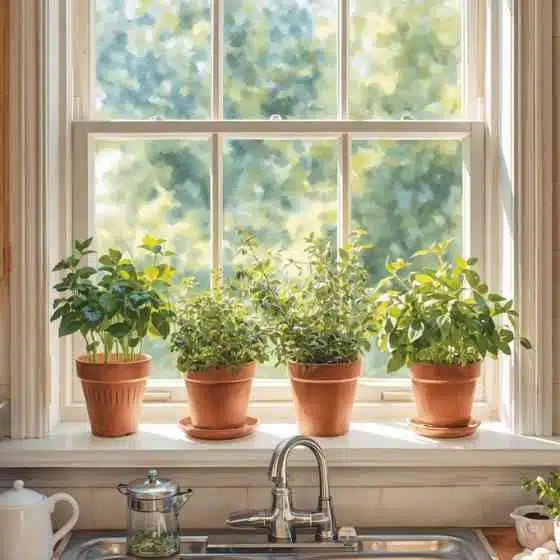
Herbs are worth their weight in gold. A small bunch of fresh herbs at the shops can cost almost as much as a whole packet of seed. Basil, coriander, dill, parsley, chives and thyme can all make everyday food taste better without adding much to the grocery bill.
These are the crops that make you feel like your garden is helping straight away.
🪴 You Don’t Need a Big Garden
One of the biggest myths about growing food is that you need a huge backyard. You really don’t. You can grow a useful amount of food in pots, tubs, raised beds, crates, buckets, old containers or small garden edges. A sunny balcony can grow herbs, salad greens and compact vegetables. A courtyard can grow tomatoes in pots. A front path can hold a few containers of lettuce. A back verandah can become a mini herb garden.
If your space is small, grow things that are expensive to buy, quick to harvest or useful in small amounts.
- Herbs are perfect.
- Salad greens are perfect.
- Chillies are perfect.
- Cherry tomatoes are perfect.
- Asian greens are perfect.
Even a single zucchini plant in the right season can become a full-time personality in the garden.
You can also grow vertically. Beans, peas, cucumbers and climbing tomatoes can be trained up a trellis or frame. This gives you more food from less ground space, which is very handy if your garden is already full, or if the dog believes raised beds are simply luxury sleeping platforms.
🍅 Growing Food Helps You Waste Less
One of the lovely things about growing your own food is that you harvest what you need. At the supermarket, you might have to buy a whole bunch of parsley when you only need a handful. You might buy a bag of lettuce, use half, then find the rest looking sad and slimy in the fridge later in the week.
In the garden, you can pick just enough.
- A few basil leaves for pasta.
- A handful of rocket for a sandwich.
- Two spring onions for fried rice.
- A little coriander for curry.
- A few silverbeet leaves for eggs.
That kind of harvesting saves money because you are not buying more than you need, and you are not throwing as much away. It also makes cooking feel easier. When you have fresh herbs and greens nearby, plain meals become better. Scrambled eggs become herby scrambled eggs. Toasties get a handful of rocket. Soup gets chopped parsley. Rice bowls get spring onions and mizuna.
🌻 Build Soil Without Relying on Expensive Inputs
With fertiliser prices in the news, it is worth remembering that home gardeners have options as we do not have to garden like broadacre farmers. We can feed the soil in slower, gentler ways.
Compost is one of the best places to start. Kitchen scraps, dry leaves, grass clippings, shredded paper, old potting mix, spent plants and garden prunings can all become beautiful soil food over time. Compost improves soil structure, helps hold moisture and feeds the soil life that supports healthy plants.
Worm castings are another lovely addition if you have a worm farm. They are rich, gentle and easy to use around seedlings and leafy greens.
Mulch is your quiet garden helper. It protects soil from drying out, reduces weeds and helps keep soil temperatures steadier. In Australian gardens, especially through dry spells and hot weather, mulch can make a huge difference.
Green manures are worth exploring too. These are crops grown to feed and protect the soil, rather than for harvest. Things like legumes, oats, mustard and other cover crops can help improve soil health when chopped and dropped or dug in before they set seed.
And of course, open-pollinated seeds bring another layer of resilience. When you grow open-pollinated varieties, you can learn to save seed from suitable plants. Not every crop is beginner-friendly for seed saving, but many are very achievable once you understand the basics.
Beans, peas, lettuce, tomatoes and some herbs are good places to begin.
🧺 A Simple Starter Plan for Food Security
If you are starting from scratch, keep it simple. A small successful garden is much better than a giant stressful one.
Choose three to five crops you actually eat as there is no point growing mountains of silverbeet if everyone in the house treats it like a personal attack. Grow what will make your meals easier.
A good beginner mix might be:
🌱 Lettuce or salad greens for quick harvests.
🌱 Silverbeet or kale for reliable leafy greens.
🌱 Spring onions for everyday cooking.
🌱 Parsley, basil or coriander for flavour.
🌱 Radish, beetroot or bush beans for something satisfying and productive.
If you have warm weather coming, add tomatoes, zucchini, cucumber, pumpkin, capsicum, chilli and basil to your planning list.
If you are heading into cooler weather, think about peas, broad beans, broccoli, cabbage, cauliflower, kale, lettuce, spinach, coriander, dill, parsley, beetroot and onions.
The best crop is the one that suits your climate, your season and your plate.
💰 Grow What Costs the Most to Buy
When grocery prices rise, some crops are better value to grow than others. Pumpkins are wonderful if you have space, but they are often cheaper to buy than delicate herbs or salad leaves. That does not mean you should not grow pumpkins, especially if you love them, but if your goal is saving money in a small space, herbs and leafy greens usually give faster savings.
Fresh herbs are one of the best returns. A few pots can replace regular supermarket bunches.
Salad greens are also excellent because they grow quickly and can be harvested over time.
Tomatoes are worth growing because homegrown flavour is hard to beat, and productive plants can give you plenty of fruit through the season.
Beans are generous, especially climbing beans if you have a trellis.
Zucchini can be wildly productive, sometimes too productive. We have all known that gardener who starts offering zucchini to visitors before they have even taken their shoes off.
The goal is not perfection.. rather the goal is usefulness.
📅 Don’t Wait Until Everything Is Expensive
Gardening rewards those who start a little before they need the harvest. That can be frustrating because we are used to buying food instantly. You want lettuce, you buy lettuce. You want tomatoes, you buy tomatoes. Seeds are slower. They ask you to think a few weeks or months ahead.
But that is also the beauty of it. An afternoon now can set you up for harvests later. A few trays of seedlings today can become meals down the track. A handful of seeds can become a habit that supports your household for years. And once you get into the rhythm, it becomes much easier.
You start thinking in seasons. You notice when the soil warms. You learn which crops bolt in the heat and which ones sulk in the cold. You get better at sowing a little and often, rather than planting everything at once and ending up with 47 lettuces ready on the same Tuesday.
Succession sowing is a handy little trick. It simply means sowing small amounts every couple of weeks instead of one big planting. This keeps food coming steadily, especially with lettuce, radish, beetroot, carrots, spring onions and herbs.
Small, steady sowings are one of the easiest ways to keep your garden useful.
🌿 We’ll Help You Keep It Simple
If you are feeling unsure, that is completely normal. Every gardener has had seeds that did not germinate, seedlings that got eaten overnight, tomatoes that looked promising then gave up dramatically, or carrots that came out shaped like tiny orange aliens.
That is gardening. You learn as you go, and you do not need to know everything before you start. At Seed Station, we are here to help make seed growing feel less overwhelming. We choose varieties for real gardens, including heirloom and open-pollinated seeds with history, usefulness and flavour.
We also love sharing the practical tips that make a difference, like when to sow, whether to start in trays or direct sow, how deep to plant, what soil temperature helps germination, and how to troubleshoot common issues.
Because sometimes one small tip saves a whole tray of seedlings and a few simple things can make seed growing much easier:
🌱 Do not bury tiny seeds too deeply.
💧 Keep seed raising mix moist, not soggy.
🪴 Use fresh seed raising mix for better germination.
☀️ Give seedlings enough light so they do not stretch.
🌬️ Harden seedlings off before planting them into the garden.
🐌 Protect young plants from snails, slugs and hungry birds.
🥕 Sow root crops like carrots and radish directly where they are to grow.
🌶️ Start heat-loving crops like tomatoes, capsicum and eggplant when the soil is warm enough.
These are not complicated things, but they make a big difference.
🧡 A Garden Is Not Just About Saving Money
Saving money matters, especially when household budgets are tight. But growing food gives you more than cheaper lettuce.
- It gives you confidence.
- It gives you flavour.
- It gives you a reason to step outside and check on something living.
- It helps children understand where food comes from.
- It gives you a little buffer when prices rise.
- It makes meals feel more connected to the season.
It also brings a quiet kind of satisfaction that is hard to explain until you have picked your first bowl of food from plants you raised yourself. There is something grounding about it. The world can be noisy, prices can shift, headlines can be unsettling, but the garden keeps reminding us to do the next small thing.
- Water the seedlings.
- Add compost.
- Sow another row.
- Pick the lettuce.
- Save the seed.
- Share the surplus.
That is a good way to live, really.
🌼 Start Small, Start Now
If the current news has made you think more seriously about food security, let that be a positive push rather than a source of fear.
You do not need to become self-sufficient overnight. Most of us will still shop. Most of us will still forget to sow something on time. Most of us will still buy the occasional sad supermarket herb bunch because life gets busy. That is okay. Just start with one tray, one pot, one small bed or one sunny corner.
- Grow something easy.
- Grow something you love to eat.
- Grow something that saves you buying it every week.
- A packet of seed is a small thing, but it carries a lot of promise. In uncertain times, that promise feels even more valuable.
And remember, you are not doing it alone. We will be here with growing guides, seed-starting tips, seasonal advice and plenty of encouragement along the way. Because growing from seed should feel exciting, not intimidating.