

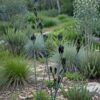


Blood Root
$6.59
Haemodorum Spicatum
- 30 seeds
- Bush Tucker and Natural Dye
- Perennial
In stock
Description
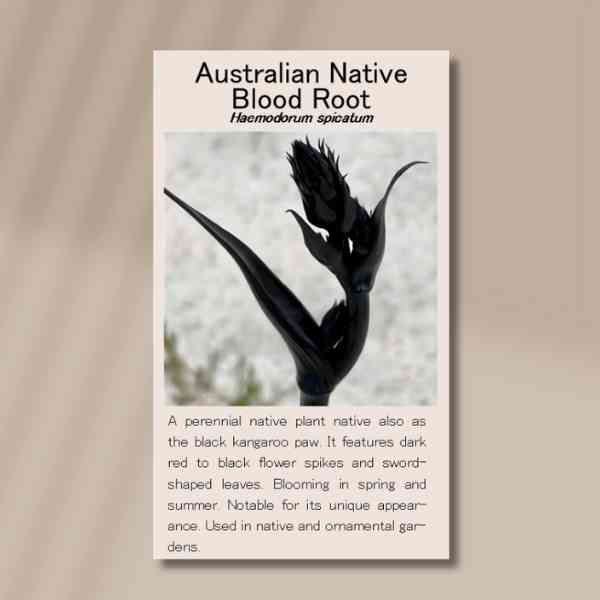
There are some plants that stop you in your tracks the first time you see them, and Blood Root, is one of them. Also known as black kangaroo paw, this striking Australian native carries a depth of colour and history that feels ancient and grounded in our landscape.
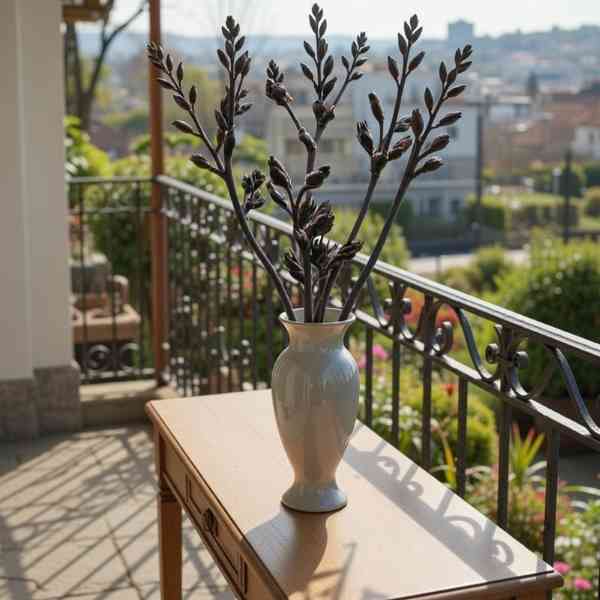
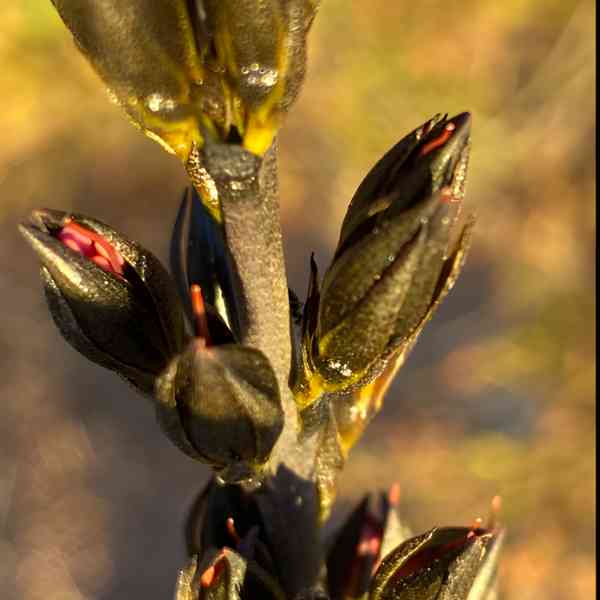
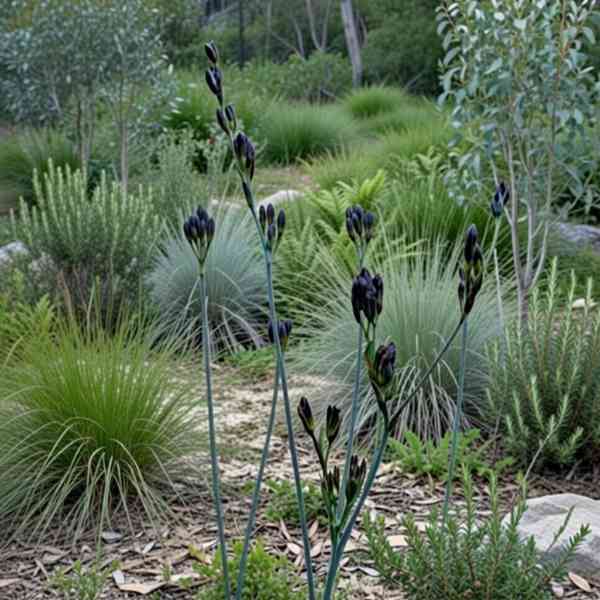
At first glance, it is the flower spikes that draw the eye. Rising above the foliage in spring and summer, they appear in shades of deep red through to near black. The colour is rich and dramatic, yet it sits beautifully within the muted tones of the Australian bush.
The foliage is equally appealing with sword shaped leaves forming a clump at the base, arching gently and creating a strong architectural shape. The leaves are typically green to grey green, offering a clean contrast to the dark flower stems. Even when not in flower, the plant maintains a tidy, sculptural form that suits native plantings and ornamental gardens alike.
In the wild, Haemodorum spicatum is found across parts of southern Australia, particularly in Western Australia. It thrives in full sun and well drained soils, often in sandy or rocky environments where many other plants struggle.
As a perennial, bloodroot returns year after year flowering through spring and summer just as many other natives are also coming into their own. The deep, almost smoky red of the flower spikes pairs beautifully with silver foliage, grasses and other Australian wildflowers.
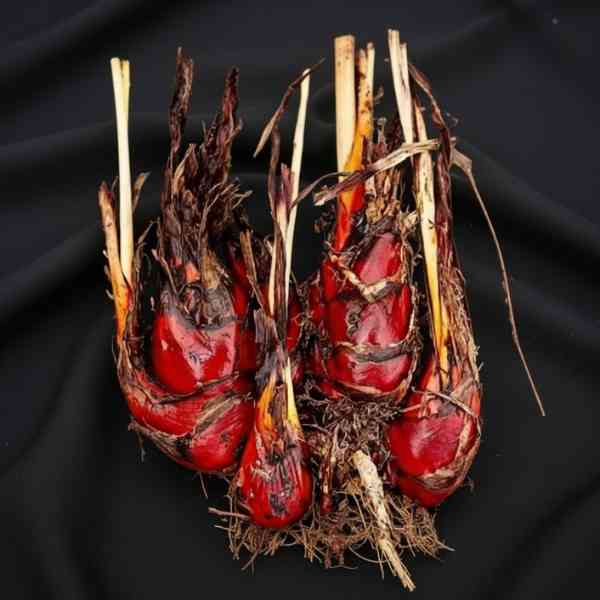
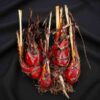
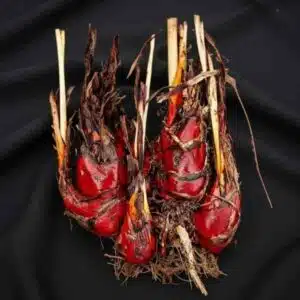
The common name bloodroot comes from the colour found within the plant’s underground parts. The roots and tubers contain strong pigments that have long been recognised and used. For Indigenous Australians, Haemodorum spicatum was more than just a visual feature of the landscape. It held practical value as both a food source and a source of natural dye.
The nickname black kangaroo paw reflects its resemblance at a distance to the more widely known kangaroo paws, though it belongs to a different genus. The dark flower spikes rising above strap like foliage can create a similar silhouette. However, Haemodorum spicatum has its own distinct character. The flowers are smaller and arranged along the spike, creating a fine textured effect rather than the fuzzy paw shape many gardeners are familiar with.
One of the reasons this plant is so valued in native and ornamental gardens is its ability to create contrast. In a palette dominated by greens, greys and soft pastels, those dark spikes provide depth. They anchor lighter plantings and draw the eye across a bed. Used thoughtfully, they can create rhythm through repetition, especially when planted in small groups.
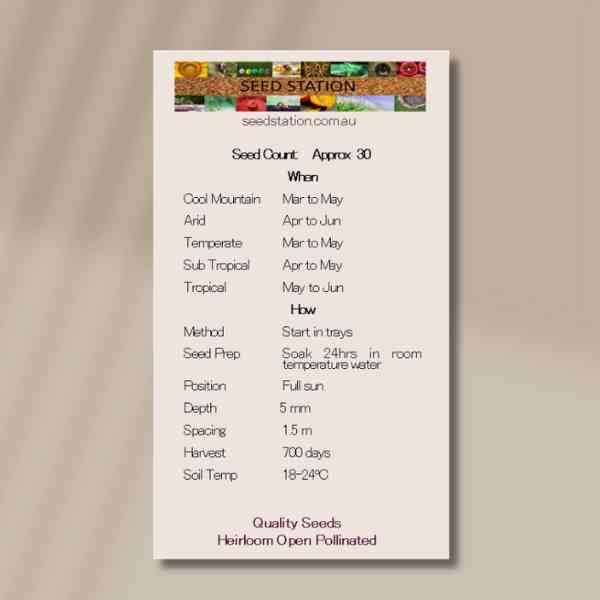
| Method: Sow direct | Soil Temp: 15°C - 00°C |
| Cool Mountain: Mar - May | Position: Full sun |
| Arid: Apr - Jun | Row Spacing: 30cm apart |
| Temperate: Mar - May | Planting Depth: 5mm |
| Sub Tropical: Apr - May | Harvest: 700 days |
| Tropical: May - Jun | Plant Height: 90cm |
🌱 Blood Root Grow Guide
Blood root is a woodland-style perennial grown for its delicate flowers, attractive lobed foliage, and distinctive red-orange sap. It is best treated as a shade-loving ornamental rather than a fast garden crop. It grows slowly from seed, so patience is important, but once established it can form a long-lived clump in the right position.
It prefers a cool, sheltered garden setting with dappled light, humus-rich soil, and steady moisture. It does not enjoy harsh sun, dry exposed sites, or heavy wet soil that stays boggy for long periods.
🌿 Seed Pretreatment
Seed pretreatment is required. Blood root seed usually needs a period of cold, moist stratification before it will germinate well.
Place the seed in a small amount of barely damp seed-raising mix, vermiculite, or sand inside a labelled bag or container. Keep it cold but not frozen for several weeks to a few months. The medium should be moist, not wet. After this treatment, sow the seed into trays or pots and keep it in a shaded, protected position.
Fresh seed performs best. Older seed may germinate poorly or unevenly.
🪴 Sowing in Trays vs Direct Sowing
Blood root is best started in trays or small pots, rather than sown directly into the garden.
Tray sowing gives better control over moisture, shade, pests, and temperature. The seedlings are small and slow, so they can easily be lost among mulch, weeds, or disturbed soil if direct sown. A tray also allows you to protect the seed through its pretreatment and early growth stages.
Direct sowing can work in a very well-prepared woodland bed, but it is less reliable. Seed may be taken by ants or other insects, dry out, rot, or be outcompeted before it establishes.
For best results, sow the seed shallowly into a fine, free-draining seed-raising mix. Cover lightly with mix or fine grit. Keep evenly moist and shaded. Germination can be slow and irregular, so do not discard trays too quickly.
🌳 Soil and Position
Blood root grows best in partial shade to dappled shade, especially beneath deciduous trees or in a protected fernery-style garden. Avoid hot afternoon sun and windy, drying positions.
The soil should be rich, loose, and moisture-retentive but well drained. A good mix includes compost, leaf mould, aged bark fines, and a little coarse sand or fine grit to improve drainage. The aim is to copy a woodland floor: fertile, lightly moist, airy, and full of organic matter.
Heavy clay should be improved before planting. Add compost and leaf mould, and consider planting into a slightly raised mound to prevent waterlogging. Sandy soil should be enriched heavily with compost and mulch so it holds moisture more consistently.
💧 Care and Maintenance
Blood root is not difficult once established, but it dislikes neglect during its early stages. Keep seedlings lightly moist and shaded. Do not allow young plants to dry out completely.
Mulch around established plants with leaf litter, composted bark, or fine organic mulch. Keep mulch away from the crown so the plant does not rot. A thin annual top-dressing of compost helps maintain soil fertility.
Water during dry periods, especially while plants are young or growing in pots. Mature clumps can tolerate short dry spells better, but prolonged dryness may cause stress or early dormancy.
Blood root does not need heavy feeding. Use a gentle organic fertiliser or compost rather than strong synthetic fertilisers. Too much nitrogen can encourage soft growth that is more vulnerable to pests and disease.
Avoid frequent disturbance. Once planted, allow it to settle. Mature clumps can be divided carefully, but division should be done sparingly because the rhizomes are brittle and slow to recover.
🌼 Companion Planting Guide
Blood root suits a shaded, woodland-style planting scheme. Choose companions that enjoy similar conditions: filtered light, humus-rich soil, and moderate moisture.
Good companions include ferns, hellebores, hostas, violets, foamflower, woodland phlox, native violets, Solomon’s seal, coral bells, and shade-tolerant groundcovers. These plants help create a cool root zone and a natural layered effect.
Avoid pairing blood root with aggressive groundcovers, thirsty tree roots, or large plants that smother small perennials. It also struggles beside plants that need full sun, dry soil, or regular digging.
🍃 Harvesting
Blood root is usually grown as an ornamental, not as an edible or household herb. The sap and plant parts can be irritating and toxic, so gloves are recommended when handling it. Do not ingest any part of the plant.
If harvesting is simply for flowers, pick sparingly and avoid removing too much foliage. The leaves feed the underground rhizome, which supports future growth. Cutting too much can weaken the plant.
If collecting seed, allow the seed pods to mature on the plant. Harvest when the pods begin to split or soften, but before the seed drops. Place the pods in a paper bag and allow them to finish opening naturally. Fresh seed should be sown or prepared for stratification soon after collection.
⚠️ Common Issues and Fixes
| Issue | Likely Cause | Fix |
|---|---|---|
| Poor germination | Seed too old, no cold moist treatment, or seed dried out | Use fresh seed and provide cold moist stratification before sowing |
| Seedlings collapse | Mix too wet, poor airflow, fungal disease | Use a free-draining mix, water carefully, improve airflow, avoid overcrowding |
| Leaves scorch or yellow | Too much sun or dry heat | Move to dappled shade and mulch the soil |
| Plant disappears | Natural dormancy, drought stress, or rhizome rot | Check soil moisture and drainage. Mark the planting spot so it is not disturbed |
| Rhizome rots | Heavy wet soil or mulch piled against crown | Improve drainage, plant slightly higher, and keep mulch clear of the crown |
| Slow growth | Normal for young plants, low fertility, or root disturbance | Be patient, top-dress with compost, and avoid moving the plant |
| Pest damage | Slugs, snails, or chewing insects | Use barriers, hand-pick pests, encourage predators, and keep the area tidy |
| Weak flowering | Too much shade, poor soil, or young plant | Provide brighter filtered light, improve soil with compost, and allow the clump to mature |
🌾 Detailed Seed Saving Guide
Seed saving from blood root requires close attention because the seed can drop quickly once mature. Watch the developing pods carefully. When they begin to change texture and show signs of opening, place a small paper bag or fine mesh bag around the seed head. This catches the seed before it falls.
Harvest the pods gently and place them in a labelled paper bag. Keep them somewhere cool, dry, and shaded for a short period while the pods finish opening. Do not leave fresh seed sitting in hot or dry conditions for too long, as viability can decline.
Separate the seed from the pod material by hand. Wear gloves, especially if any sap is present. Remove obvious debris, but do not wash the seed unless necessary. Once cleaned, sow fresh seed promptly or place it into moist stratification.
For storage, blood root seed is not ideal for long dry storage. It is best treated as a fresh seed that prefers not to dry out completely. Mix it with barely damp vermiculite, sand, or seed-raising mix, then place it in a labelled container. Keep it cool until sowing. Check occasionally for mould, excess moisture, or early germination.
When sowing saved seed, use a fine, free-draining mix in trays or pots. Cover lightly and keep shaded. Germination may be staggered, with some seed sprouting much later than expected. Keep the tray protected and labelled for an extended period.
🌺 Final Thoughts
Blood root is a slow but rewarding plant for shaded gardens. It is not the best choice for quick results, but it is excellent for gardeners who enjoy woodland perennials and patient seed raising. The most important steps are using fresh seed, giving it cold moist pretreatment, sowing in trays rather than directly into the ground, and planting it into rich, shaded, well-drained soil.
Once settled, it can become a beautiful, long-lived feature in a quiet shaded corner of the garden.

Postage Charge
Orders under $35 attract a $4.95 shipping charge. Orders $35 and above have free shipping.
Order Times
Seed orders are normally dispatched within three business days. You will receive an email when seeds are mailed out.
Postage Days
Seeds are mailed out Tuesday to Friday at 1pm. Except for the Friday of long weekends.
Postage Times
WA 2-3 Days: SA,NT 3-5 Days: NSW, ACT, QLD, VIC: 5-7 Days
Carrier
We use Australia Post Letter Postage for the majority of orders
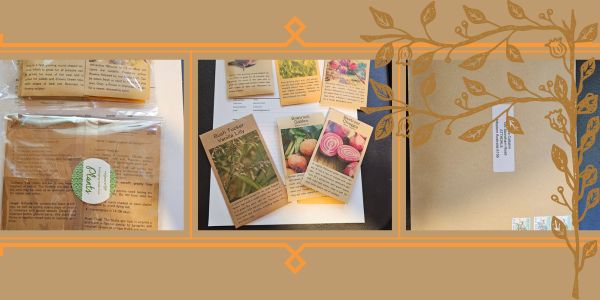
Not only are our seeds packed in recycled paper envelopes, we keep the theme going when we post out website orders. To protect your seeds from moisture and the letter box munchers (snails), we use a very special plastic free material made from plants. They are then put into recycled mailing envelopes. Green all the way ????????
Delivery Guarantee
We take great care to make sure your seeds arrive safely. If your order is lost or damaged in transit, we’ll happily send a replacement. Unfortunately, we can’t replace or refund orders that arrive later than the estimated delivery date, as delays can sometimes occur that are outside our control.
Please note that all dispatch and delivery times listed are estimates only. While we do our best to post promptly, delivery timeframes can vary due to postal service delays, weather events, or other unforeseen circumstances. We’re unable to take responsibility for any loss, damage, or cost that results from a late delivery.
An order is not considered missing until at least 20 business days have passed from the postage date. You’ll receive an email once your seeds have been posted, letting you know they’re on their way. If you don’t see it in your main inbox, please check your Spam or Promotions folders as sometimes our emails like to hide there.
Reviews
There are no reviews yet