
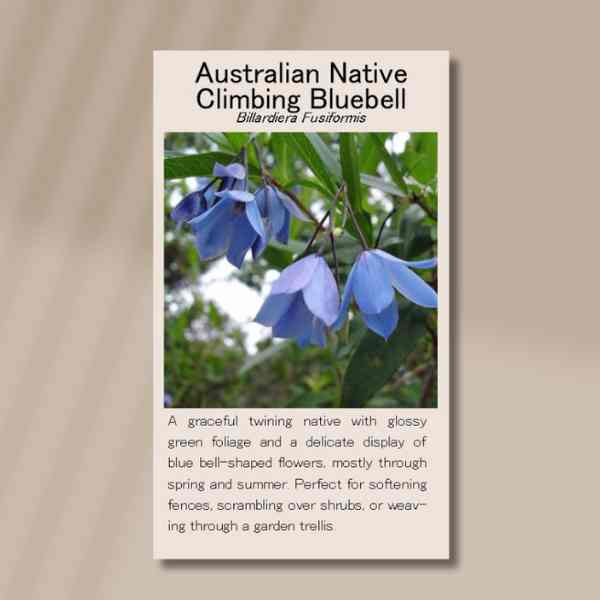

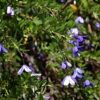
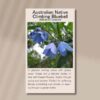

Native Climbing Bluebell
$6.59
Billardiera Fusiformis
- Seed Count 75
- Scrambling Climber
- Perennial
In stock
Description
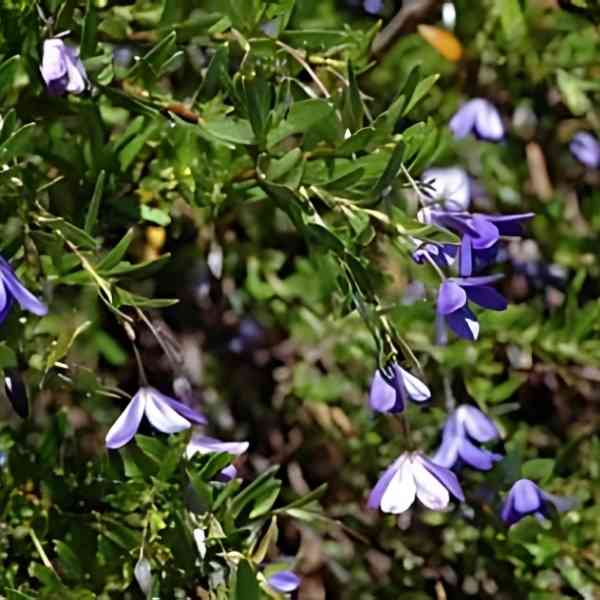
The Native Climbing Bluebell is a climbing perennial from Western Australian. It’s adapted to cope with lean soils, long dry spells, and the seasonal rhythms of Australia’s climate. This isn’t a towering climber that takes over and dominates a garden bed. It’s more of a twining, scrambling beauty. The stems are fine and flexible, making it ideal for weaving through a small trellis or letting it gently spill over a low fence, a rockery, or another plant that can offer it some support. It doesn’t strangle its companions, but it will use them to find its feet and once it does, it rewards you with a cascade of delicate bell flowers.
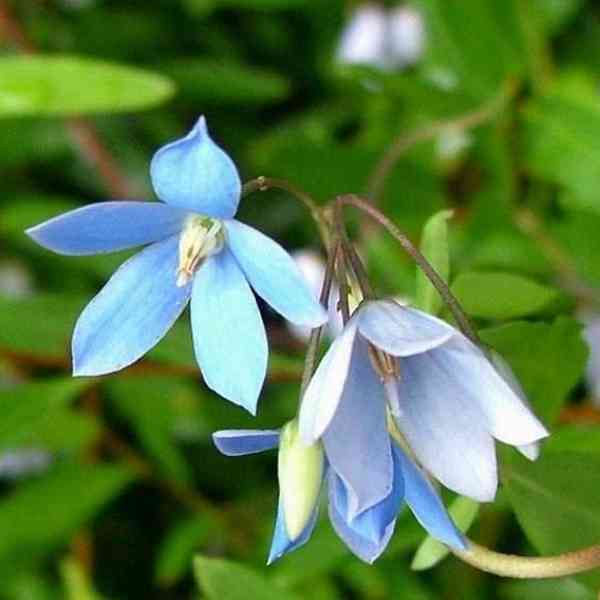
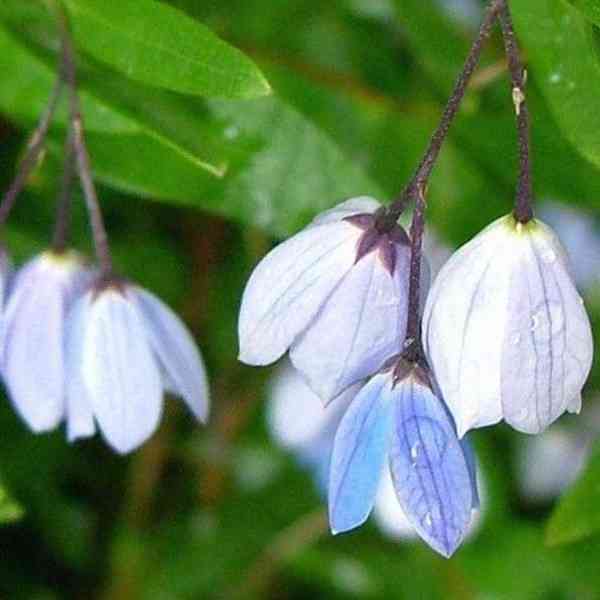
The foliage is one of the first things you’ll notice: soft to touch, a light green that leans toward silvery in the right light, and beautifully glossy. This shine isn’t just for show as it helps reflect heat and sunlight, making it better adapted to bright and sometimes harsh conditions. When not in flower, it’s a graceful, well-behaved green backdrop. The flowers are delicate, nodding bells , blue to violet in colour, hanging lightly from the stems.
In the bush, it is often found trailing through scrubby undergrowth or scrambling over low-growing shrubs. In the garden, it behaves much the same and is happy to climb gently with a bit of support, but also content to spread along the ground if left to its own devices. This makes it incredibly versatile, whether you’re tucking it into a native wildflower patch, letting it spill from a raised bed, or encouraging it up a small arch or wire frame.
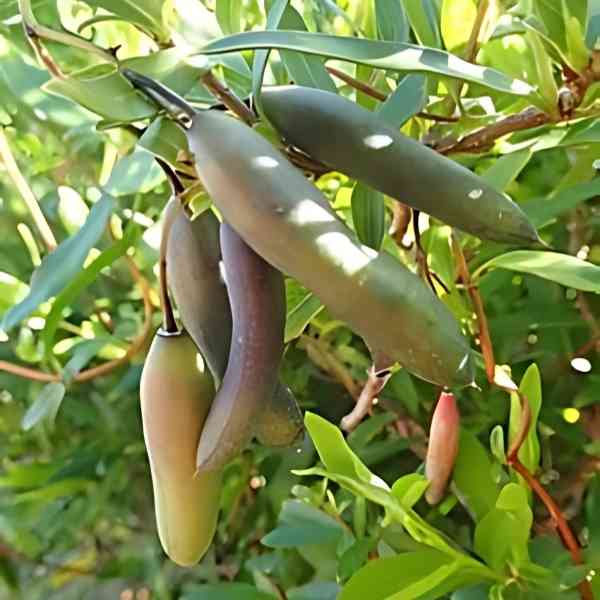
Another lovely surprise comes after the flowering—this plant produces small, sausage-shaped fruits. These start off green and ripen to a dark blue or purple. While they’re not commonly used in home cooking, and certainly not a focus of this plant, they do add a seasonal quirk to the plant’s life cycle. They’re a food source for local birds and insects, which makes this climber even more of a win for gardeners aiming to support native biodiversity.
From a hardiness perspective, it is drought-tolerant once established and a good choice for low-maintenance, water-wise gardens. It doesn’t need constant pampering, and in fact, it prefers a bit of tough love. That said, while it’s happy in lean soils, it really shines in light to medium, well-drained soils with good airflow and sun exposure.
Where it can get a little finicky is with frost. It’s definitely more suited to warm-temperate and Mediterranean-style climates, like Perth and parts of coastal NSW and SA. In areas with the odd light frost, a protected microclimate or warm north-facing wall can make all the difference. But in genuinely frost-prone areas, it may struggle without some intervention. That said, if you’ve got a sunny courtyard, a sheltered balcony, or a well-protected garden bed, this climber might still find a happy home.
In terms of positioning, the Australian Climbing Bluebell doesn’t ask for much beyond good sun. An open, sunny spot will bring out the best flowering. Partial shade is tolerated, especially in hotter climates, but it may reduce flowering slightly. Avoid heavy, boggy soils—this plant doesn’t like wet feet. A raised bed, sloped garden, or rocky nook will serve it well.
| Method: Start in trays | Soil Temp: 18°C - 24°C |
| Cool Mountain: Oct - Dec | Position: Full Sun - Part Shade |
| Arid: Apr - Jun | Row Spacing: 10cm apart |
| Temperate: Mar-May / Aug-Oct | Planting Depth: 1mm |
| Sub Tropical: Mar - May | Harvest: 700 days |
| Tropical: May - Jul | Plant Height: Climber |
💙 Native Climbing Bluebell Grow Guide
🌿 Overview
Native climbing bluebell is a graceful twining plant grown for its soft green foliage, delicate bell-shaped flowers, and attractive climbing habit. It is especially useful where a light climber is wanted rather than a heavy vine. With support, it can be trained over a small trellis, fence, arch, obelisk, or shrub framework, adding colour and movement without the bulk of more aggressive climbers.
This plant is mainly grown as an ornamental and habitat plant. Its flowers attract pollinators, and its climbing growth can provide shelter through mixed native-style plantings. It is well suited to cottage gardens, wildlife gardens, native borders, informal screens, and large pots with support.
Native climbing bluebell can self-seed in favourable conditions, so it is best grown with awareness. In small gardens, regular pruning and removing unwanted fruit will help keep it controlled.
🌱 Sowing in Trays vs Direct Sowing
Native climbing bluebell can be sown directly, but starting seed in trays, tubes, or small pots is usually the best method. The seed is small, seedlings can be delicate at first, and germination may be uneven. Raising plants in a controlled container gives you better success and makes it easier to protect young seedlings from drying out, weeds, slugs, snails, and disturbance.
For tray or pot sowing, use a free-draining native seed-raising mix. Sow the seed shallowly and cover with a very light layer of fine mix, sand, or vermiculite. Keep the mix evenly moist but never soggy. A fine mist or bottom-watering method is best, as heavy watering can wash seed away or bury it too deeply.
Once seedlings are large enough to handle, move them gently into individual tubes or small pots. Give them a small climbing stick or support if they begin to twine early. Plant them into the garden once they have formed a strong root system and are sturdy enough to cope with outdoor conditions.
Direct sowing can work in a clean, prepared site, but it is less reliable. Seeds may dry out, be eaten, wash away, or be smothered by weeds before seedlings are noticed. If direct sowing, prepare the soil finely, sow thinly, cover very lightly, and protect the area until seedlings establish.
For native climbing bluebell, tray, tube, or pot sowing is recommended because it gives stronger plants and better control during the early stages.
💧 Seed Pre-Treatment
Native climbing bluebell seed usually benefits from cleaning and light pre-treatment before sowing. If the seed has been collected from berries, remove all pulp from around the seed before storage or sowing. Fruit pulp can encourage mould and may reduce germination if left on the seed.
A short soak in room-temperature water can help soften and hydrate the seed before sowing. Soaking overnight is usually enough. Do not leave the seed sitting in water for too long, as this can cause rotting.
Smoke treatment may also help improve germination, especially with older seed or seed that has been slow to sprout. This can be done by using smoke water to moisten the seed mix or by covering the seed lightly with smoked vermiculite. This is helpful but not always essential.
After treatment, sow promptly into a free-draining mix. The most important points are shallow sowing, steady moisture, good drainage, and patience.
🌞 Soil and Position
Native climbing bluebell grows best in well-drained soil with a loose, open structure. Sandy loam, loam, gravelly soil, and improved clay can all work if excess water drains away freely. It does not like sitting in heavy, wet ground for long periods.
Choose a position in full sun to light shade. In full sun, plants usually flower more strongly and grow with a denser habit. In light shade, the growth may be softer and more open, but the plant can still perform well. A position with morning sun and some afternoon protection can be useful in hot, exposed gardens.
Before planting, improve poor soil with compost or well-rotted organic matter, but avoid making the soil too rich. This plant generally performs best with moderate fertility rather than heavy feeding. If growing in a pot, use a free-draining native or low-phosphorus potting mix and provide a trellis, tripod, or frame from the beginning.
Good support is important. Native climbing bluebell twines naturally, but young stems may need gentle guiding at first. Use soft ties if needed, and avoid tying stems too tightly.
🌿 Care and Maintenance
Native climbing bluebell is reasonably low-maintenance once established, but young plants need steady care while they settle in. Water regularly during establishment, allowing the soil to drain between watering. Once the roots are established, the plant can handle drier periods, although flowering and fresh growth are better with occasional deep watering.
Mulch around the root zone to conserve moisture and reduce weeds. Keep mulch slightly away from the main stem so the crown does not stay damp. Coarse mulch, leaf litter, or fine gravel can all work well.
Feeding should be light. Use a low-phosphorus native plant fertiliser or a thin layer of compost if growth is weak. Avoid heavy fertiliser, especially high-nitrogen feeding, as this can produce excessive leafy growth with fewer flowers.
Pruning is one of the most important care tasks. Trim after flowering to keep the plant neat, encourage branching, and prevent it from becoming tangled. Remove dead, weak, or overly long stems as needed. If you do not want self-seeding, remove developing berries before they ripen.
In containers, check moisture more often, as pots dry out faster than garden beds. Also check that the plant is not becoming root-bound. If growth slows badly or watering becomes difficult, move it into a larger pot with fresh free-draining mix.
🌼 Companion Planting Guide
Native climbing bluebell combines well with plants that enjoy well-drained soil, moderate feeding, and good light. Good companions include native grasses, scaevola, brachyscome, paper daisies, billy buttons, kangaroo paw, correas, westringia, grevilleas, tea-tree, flax lily, fan flower, everlasting daisies, and small native pea flowers.
In a garden bed, it works beautifully as a light climber behind lower flowers and grasses. Plant it near a small trellis or fence, then surround the base with lower-growing flowering plants that attract bees and beneficial insects. This creates a layered habitat planting with flowers at different heights.
In a pot, pair it with trailing or compact plants that will not smother the base. Small daisies, fan flowers, and fine native grasses can soften the edge of the container while the bluebell climbs upward.
Avoid planting it with very thirsty, heavy-feeding plants that need constant irrigation and rich fertiliser. Also avoid aggressive climbers or dense groundcovers that may overwhelm young plants.
🧺 How to Harvest
Native climbing bluebell is usually harvested for flowers, light ornamental stems, berries for seed, or dried seed material, rather than food. For cut flowers, harvest stems when several flowers are open but some buds remain. Use clean scissors or secateurs and place the stems into water straight away.
For ornamental foliage, take only small amounts from healthy, established plants. Cut just above a leaf joint so the plant can branch again. Avoid stripping too much growth from young plants.
For seed harvest, allow selected berries to ripen fully on the plant. The fruit should be mature, coloured, and softening before collection. Pick by hand and place the berries in a labelled container. If birds or self-seeding are an issue, place a fine mesh bag over ripening fruit clusters so the berries can mature without being lost.
Do not allow unwanted fruit to drop around the garden if you are trying to prevent self-seeding. Remove fruit before it ripens or collect it promptly.
⚠️ Common Issues and Fixes
| Issue | Likely Cause | Fix |
|---|---|---|
| Poor germination | Seed too old, pulp left on seed, seed buried too deeply, dry seed mix | Clean seed well, sow shallowly, keep evenly moist, try smoke treatment |
| Seed rotting | Mix too wet, poor drainage, seed soaked too long | Use free-draining mix, avoid soggy conditions, soak only briefly |
| Seedlings collapsing | Damping off from excess moisture or poor airflow | Use clean seed mix, water gently, improve airflow, avoid overcrowding |
| Slow seedling growth | Low light, cold or wet mix, weak roots | Provide bright light, keep mix moist not wet, pot on carefully when ready |
| Yellowing leaves | Overwatering, poor drainage, nutrient imbalance | Check drainage, reduce watering, use mild native plant fertiliser if needed |
| Few flowers | Too much shade, excess nitrogen, lack of pruning | Increase light, reduce feeding, prune lightly after flowering |
| Leggy tangled growth | Not enough pruning or support | Train stems early, prune after flowering, remove weak tangled growth |
| Plant wilting despite wet soil | Root stress from waterlogging | Improve drainage, reduce watering, repot into a freer mix if container-grown |
| Chewed leaves | Caterpillars, beetles, grasshoppers, slugs or snails | Inspect regularly, hand-remove pests, protect young plants |
| Aphids on soft tips | Lush growth, low beneficial insect activity | Spray off with water, improve airflow, avoid overfeeding |
| Berries spreading seedlings | Fruit left to ripen and drop | Remove berries before they fall, collect seed carefully, weed out unwanted seedlings |
| Poor pot growth | Pot too small, mix too wet, lack of support | Repot into free-draining mix, provide a trellis, water deeply but less often |
🌾 Detailed Seed Saving Guide
Saving seed from native climbing bluebell is simple once the plant begins producing berries. Begin by choosing healthy, vigorous plants with strong flowering, good colour, clean foliage, and a balanced climbing habit. Avoid saving seed from plants that are weak, diseased, badly pest-affected, or overly invasive in your garden.
Allow selected flowers to develop into berries. Let the berries ripen fully on the plant before harvesting. Mature berries should be soft enough to process and should have reached their full colour. Pick them before they drop or are eaten by birds.
Place the ripe berries into a small bowl and gently crush them with a little water. Rub the pulp between your fingers to release the seeds. Add more water, stir, and allow the heavier seed to settle. Pour away floating pulp and debris carefully. Repeat this rinsing process until the seed is mostly clean.
Spread the cleaned seed on a ceramic plate, baking paper, or fine mesh screen in a shaded, airy place. Do not dry seed in a thick clump, as trapped moisture can cause mould. Stir or move the seed occasionally so it dries evenly.
Once the seed is fully dry, store it in a labelled paper envelope or airtight container. Include the plant name, flower colour if known, parent plant notes, and year collected. Keep the seed in a cool, dark, dry place. A small moisture absorber can be placed in the storage jar in humid conditions.
Before sowing saved seed, consider using a short water soak or smoke treatment to improve germination. Sow shallowly into a free-draining mix and be patient, as germination may be uneven.
For better long-term results, save seed from several good plants rather than just one. This helps maintain vigour and gives a stronger range of seedlings for future plantings.
🌟 Final Thoughts
Native climbing bluebell is a charming, light-growing climber that brings soft colour, movement, and habitat value to the garden. It is especially useful where a delicate climbing plant is wanted for a trellis, fence, arch, pot, or mixed native-style border.
The keys to success are tray or tube sowing, clean seed, shallow planting, optional smoke treatment, free-draining soil, light feeding, steady early watering, support for twining stems, and regular pruning after flowering.
With thoughtful care, native climbing bluebell becomes a graceful garden feature that offers flowers for pollinators, attractive climbing growth, seed for saving, and a soft natural look that blends beautifully with grasses, daisies, and other small flowering companions.

Postage Charge
Orders under $35 attract a $4.95 shipping charge. Orders $35 and above have free shipping.
Order Times
Seed orders are normally dispatched within three business days. You will receive an email when seeds are mailed out.
Postage Days
Seeds are mailed out Tuesday to Friday at 1pm. Except for the Friday of long weekends.
Postage Times
WA 2-3 Days: SA,NT 3-5 Days: NSW, ACT, QLD, VIC: 5-7 Days
Carrier
We use Australia Post Letter Postage for the majority of orders
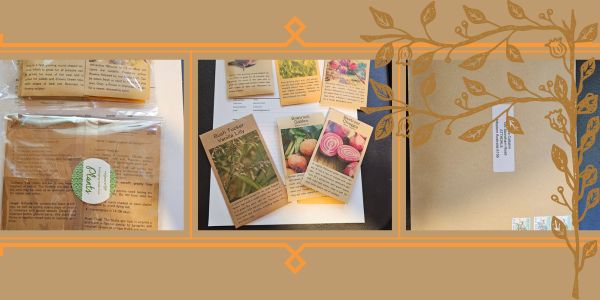
Not only are our seeds packed in recycled paper envelopes, we keep the theme going when we post out website orders. To protect your seeds from moisture and the letter box munchers (snails), we use a very special plastic free material made from plants. They are then put into recycled mailing envelopes. Green all the way ????????
Delivery Guarantee
We take great care to make sure your seeds arrive safely. If your order is lost or damaged in transit, we’ll happily send a replacement. Unfortunately, we can’t replace or refund orders that arrive later than the estimated delivery date, as delays can sometimes occur that are outside our control.
Please note that all dispatch and delivery times listed are estimates only. While we do our best to post promptly, delivery timeframes can vary due to postal service delays, weather events, or other unforeseen circumstances. We’re unable to take responsibility for any loss, damage, or cost that results from a late delivery.
An order is not considered missing until at least 20 business days have passed from the postage date. You’ll receive an email once your seeds have been posted, letting you know they’re on their way. If you don’t see it in your main inbox, please check your Spam or Promotions folders as sometimes our emails like to hide there.

Reviews
There are no reviews yet