
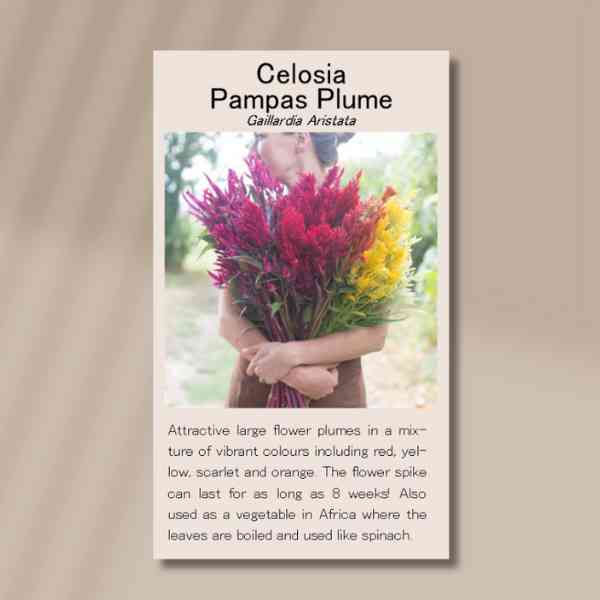







Celosia Pampas Plume
$4.95
Celosia Plumosa
- Seed Count 750
- Long Lasting Cut Flower
- Annual
- Height 1 m
Only 9 left in stock
Description
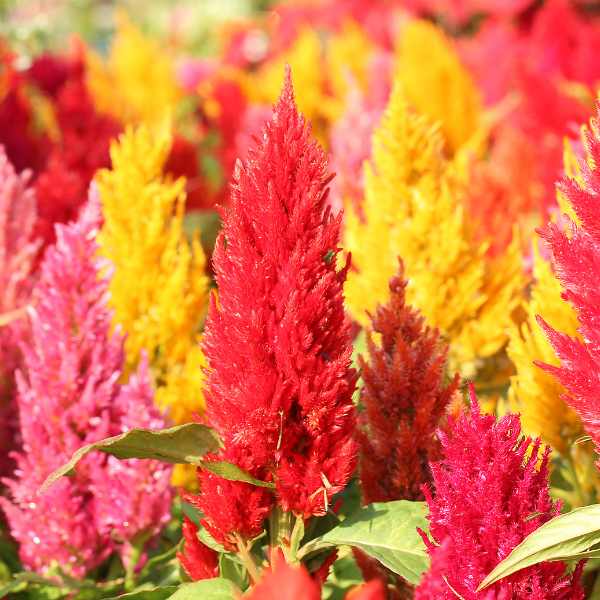
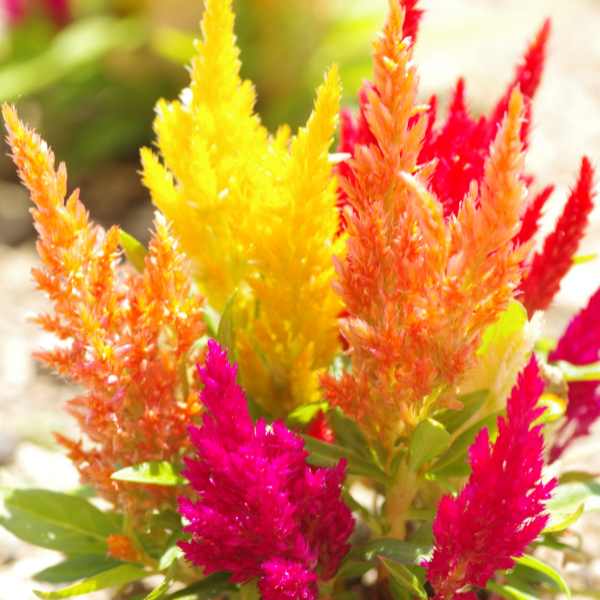
Celosia Pampas Plume with its feathery plumes in scarlet, orange, bright yellow, pink, and soft cream stands tall, colourful, and confident, adding height, texture, and movement wherever it is planted.
The plumes themselves are what most people fall in love with first. Each one rises proudly on stems that can reach up to 100 cm tall, creating a striking vertical element that works beautifully at the back of a flower bed. The feathery texture softens the look of mixed plantings, while the intense colour range ensures it never fades into the background. In a mass planting, the blend of colours creates a painterly effect that feels both lively and harmonious. In smaller numbers, individual plants still make a strong statement, especially when paired with more subdued foliage plants.It develops into a multi-branching plant with a generous, well-balanced form. Rather than producing just a single stem, it branches freely, resulting in multiple flower spikes per plant.
It copes with heat far better than many flowering annuals, holding its colour and form when other plants start to struggle. This makes it especially valuable in Australian gardens, where summer temperatures can be relentless. It is also fairly drought tolerant once established, which adds to its reputation as a dependable choice for gardeners who want strong results without constant fuss. It is a plant that understands resilience, standing tall even during hot, dry spells.
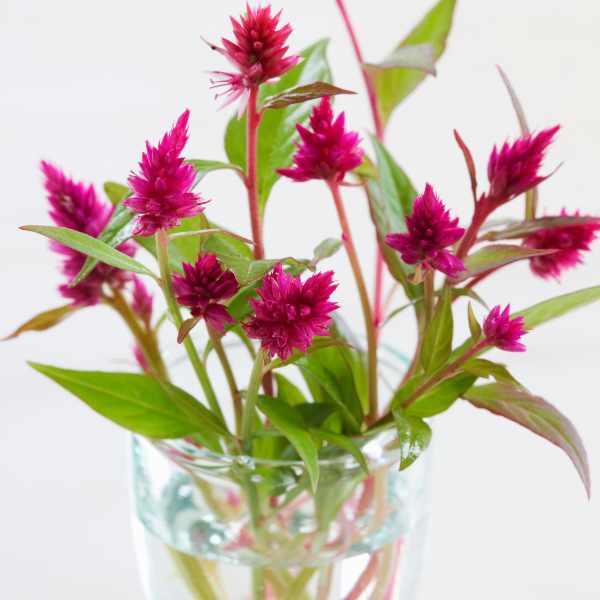
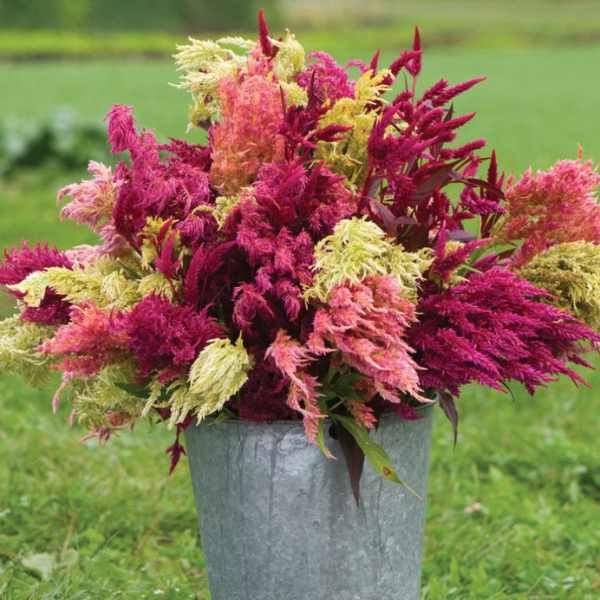
The tall stems and dramatic plumes translate effortlessly into floral arrangements, where they bring both colour and texture. and dried flowers are often used in everlasting arrangements and decorative displays.
In many parts of Africa, Celosia is grown not just for its flowers but also as a leafy vegetable, much like leaf amaranth. The leaves are tender and soften quickly when cooked, developing a flavour that is often compared to spinach. This dual-purpose nature gives the plant a rich cultural significance and reminds us that many ornamental plants have deep roots in traditional food systems.
| Method: Sow direct or seedlings | Soil Temp: 10°C - 25°C |
| Cool Mountain: Nov - Dec | Position: Part sun |
| Arid: Aug - Jan | Row Spacing: 30cm apart |
| Temperate: Sep-Nov, Mar-Jun | Planting Depth: 3 mm |
| Sub Tropical: May - Oct | Harvest: 70 days |
| Tropical: Jun - Aug | Plant Height: 1m |
🌺 Celosia Grow Guide
🌱 Overview
Celosia is a striking warm-season flowering plant grown for its vivid, flame-like flower heads and richly coloured foliage. Depending on the variety, the blooms may appear as soft plumes, crested combs, or upright spikes, making celosia a standout choice for garden beds, borders, pots, cottage gardens, and cut flower patches. It is especially valued for its long-lasting colour, strong visual impact, and usefulness in both fresh and dried floral arrangements.
Celosia is generally easy to grow once established, but it performs best when given warmth, good drainage, full sun, and steady moisture. It dislikes cold, wet soil and can struggle if planted into heavy ground too early or kept overly damp. With the right start, it becomes a low-maintenance and highly rewarding flowering plant.
🌱 Sowing in Trays Versus Direct Sowing
Celosia can be grown either by sowing seed into trays or by sowing seed directly into the garden, but starting in trays is usually the best method. The seeds are quite small, and young seedlings can be delicate, so trays give better control over moisture, temperature, spacing, and early growth. This method also helps protect seedlings from slugs, snails, heavy rain, crusted soil, and weed competition.
To sow in trays, fill seed trays or small pots with a fine, free-draining seed raising mix. Scatter the seeds thinly over the surface and press them gently into the mix. Celosia seed needs light to germinate, so cover only very lightly with fine mix or vermiculite, or leave the seeds barely covered. Mist gently rather than watering heavily, as strong water flow can wash the seed away. Keep the mix evenly moist but never soggy.
Once seedlings have developed a few true leaves and are large enough to handle, they can be potted on or transplanted into their final position. Handle them carefully by the leaves rather than the stem, as the stem can bruise easily.
Direct sowing can also work in finely prepared soil, especially in warm areas with reliable conditions. The soil should be loose, weed-free, and lightly raked before sowing. Because the seed is small, it should be scattered thinly and pressed into the surface rather than buried deeply. Direct sowing is less controlled and may result in uneven germination, so it is best used where conditions are consistently warm and the garden bed can be kept evenly moist.
For most home gardeners, tray sowing is the better and more reliable option.
🌾 Seed Pre-Treatment
Celosia seed does not usually require any special pre-treatment. There is no need for soaking, chilling, scarifying, or other preparation before sowing. Fresh, good-quality seed should germinate well when placed on or near the soil surface with warmth, light, and even moisture.
The most important detail is sowing depth. The seed should not be buried deeply, as this can reduce germination. A very light covering is enough.
🌞 Soil and Position
Celosia grows best in a full sun position with plenty of direct light. Strong sunlight encourages compact growth, bright flower colour, sturdy stems, and abundant blooms. In too much shade, plants may become stretched, weak, and less floriferous.
The soil should be well-draining, fertile, and moderately rich. Celosia dislikes sitting in wet, heavy ground, so drainage is essential. If the soil is clay-based or compacted, improve it before planting by adding compost and organic matter. Raised beds and large containers are also excellent choices where drainage is a concern.
A slightly enriched soil is ideal, but avoid overfeeding with high-nitrogen fertilisers. Too much nitrogen can encourage lush leafy growth at the expense of flowers. A balanced soil with compost worked through before planting is usually enough for strong growth.
Celosia also performs well in pots. Choose a container with drainage holes and use a quality potting mix. Avoid letting pots dry out completely for long periods, as container-grown plants lose moisture faster than those in the ground.
💧 Care and Maintenance
Celosia prefers consistent moisture while establishing, especially during early growth. Water gently and deeply, then allow the top layer of soil to begin drying before watering again. The aim is to keep the plant evenly moist without creating soggy conditions. Overwatering is one of the most common causes of poor growth, yellowing leaves, and root problems.
Mulching around the base of plants can help conserve moisture, reduce weed pressure, and keep soil temperatures more stable. Keep mulch slightly away from the stems to reduce the risk of rot.
Once established, celosia is fairly resilient. Taller varieties may need support if grown in windy areas or very rich soil where growth becomes soft and top-heavy. Shorter bedding types usually remain compact without staking.
Removing spent blooms can encourage a tidier plant and may extend flowering. However, if you want to save seed, leave some mature flower heads on the plant so they can dry naturally.
Feeding should be light to moderate. A compost-enriched bed is often sufficient. If plants appear pale or growth is weak, use a balanced liquid fertiliser at half strength. Avoid frequent heavy feeding, as this may produce leafy growth rather than strong flowering.
Good airflow is important. Space plants well so leaves can dry after rain or watering. Crowded plants are more likely to suffer from fungal issues.
🌼 Companion Planting Guide
Celosia works beautifully among other sun-loving flowers and vegetables. Its bright blooms attract beneficial insects and add height, colour, and texture to mixed plantings.
Good companions include zinnias, marigolds, cosmos, basil, tomatoes, capsicum, eggplant, and amaranth. These plants enjoy similar sunny, warm conditions and pair well visually and practically in the garden.
Marigolds are especially useful nearby because they help attract pollinators and beneficial insects while adding another layer of colour. Basil can be grown nearby in mixed edible and ornamental beds, especially where celosia is used to brighten vegetable gardens. Zinnias and cosmos make excellent floral companions, creating a long-lasting display and supporting insect activity.
Avoid planting celosia beside plants that need very wet soil or heavy shade. It also should not be crowded by vigorous spreading plants that block light or airflow. Celosia prefers room around its stems and foliage, so choose companions that will not smother it.
✂️ How to Harvest
Celosia is excellent as a cut flower. Harvest stems when the flower heads are well developed but still fresh and firm. Use clean, sharp snips and cut stems in the cooler part of the day. Place them into water soon after cutting to reduce wilting.
For fresh arrangements, remove the lower leaves before placing stems in a vase. This keeps the water cleaner and helps flowers last longer. Change vase water regularly and recut stems if needed.
Celosia is also valued as a dried flower. To dry it, harvest stems once the blooms are mature and fully coloured, but before they begin shedding seed. Remove most of the leaves, tie the stems in small bunches, and hang them upside down in a dry, dark, airy place. Darkness helps preserve colour, while airflow prevents mould. Once fully dry, the stems can be used in dried arrangements, wreaths, and craft projects.
⚠️ Common Issues and Fixes
| Issue | Likely Cause | Fix |
|---|---|---|
| Poor germination | Seed buried too deeply, old seed, cold or overly wet mix | Sow on the surface or barely cover, use fresh seed, keep warm and evenly moist |
| Seedlings collapse | Damping off from excess moisture or poor airflow | Use clean seed raising mix, avoid overwatering, improve airflow, water from below where possible |
| Yellowing leaves | Overwatering, poor drainage, nutrient imbalance | Allow soil to dry slightly between watering, improve drainage, feed lightly if needed |
| Weak, stretched growth | Not enough sunlight | Move to a sunnier position with stronger direct light |
| Few flowers | Too much nitrogen, shade, overcrowding | Reduce feeding, provide full sun, space plants properly |
| Wilting despite watering | Root damage, heat stress, or waterlogged soil | Check drainage, water deeply but less often, mulch lightly, avoid soggy conditions |
| Brown or rotting stems | Soil staying too wet around the base | Improve drainage, keep mulch away from stems, avoid overhead watering |
| Aphids | Soft new growth attracting sap-sucking insects | Spray with water, encourage beneficial insects, use insecticidal soap if needed |
| Spider mites | Hot, dry, dusty conditions | Increase humidity around plants, rinse foliage, reduce plant stress |
| Fungal leaf spots | Crowding, overhead watering, poor airflow | Remove affected leaves, water at soil level, increase spacing |
🌰 Detailed Seed Saving Guide
Saving celosia seed is simple and rewarding, especially because one plant can produce a generous amount of seed. To save seed successfully, choose the healthiest and most vigorous plants with the flower shape, colour, height, and growth habit you want to keep.
Allow selected flower heads to remain on the plant after they finish their main display. As the flower head matures, it will begin to dry and fade. The seed forms within the flower head and is usually very small, dark, and shiny when mature.
Wait until the flower head feels dry and papery before harvesting. Cut the stem and place the flower head upside down in a paper bag or on a clean tray. Keep it somewhere dry and airy for several more days to ensure the seed is fully dry.
Once dry, gently rub or shake the flower head over a clean sheet of paper, tray, or bowl. The tiny seeds should fall out along with bits of chaff. Separate the seed by gently blowing away the lighter debris or using a fine sieve. Take care, as the seed is small and easy to lose.
After cleaning, leave the seed spread out for a few more days in a dry, shaded place. This final drying step helps prevent mould in storage. Once fully dry, store the seed in a labelled paper envelope or small airtight container. Write the plant name, colour, and collection date on the label.
Keep stored seed in a cool, dark, dry place. Moisture and heat reduce seed life, so avoid storing seed in humid areas. Properly dried and stored celosia seed can remain viable for several years, although fresher seed usually gives the best germination.
For best results, save seed from plants that have grown well without disease, produced strong flowers, and handled local garden conditions. This gradually helps you select seed better suited to your own garden.
🌻 Final Thoughts
Celosia is a bold, colourful, and highly rewarding flower that brings drama and texture to the garden. It is best started in trays because the small seed and delicate seedlings benefit from controlled conditions. Once transplanted into a sunny, well-drained position, celosia grows strongly with only moderate care.
Its long-lasting flowers make it useful in garden displays, fresh bouquets, and dried arrangements. With sensible watering, good airflow, and careful seed saving, celosia can become a reliable favourite year after year. Grow it where its vivid flower heads can catch the light, and it will reward you with colour, structure, and charm throughout its flowering season.
2 reviews for Celosia Pampas Plume

Postage Charge
Orders under $35 attract a $4.95 shipping charge. Orders $35 and above have free shipping.
Order Times
Seed orders are normally dispatched within three business days. You will receive an email when seeds are mailed out.
Postage Days
Seeds are mailed out Tuesday to Friday at 1pm. Except for the Friday of long weekends.
Postage Times
WA 2-3 Days: SA,NT 3-5 Days: NSW, ACT, QLD, VIC: 5-7 Days
Carrier
We use Australia Post Letter Postage for the majority of orders
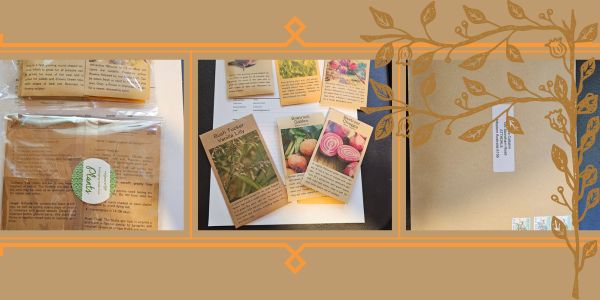
Not only are our seeds packed in recycled paper envelopes, we keep the theme going when we post out website orders. To protect your seeds from moisture and the letter box munchers (snails), we use a very special plastic free material made from plants. They are then put into recycled mailing envelopes. Green all the way ????????
Delivery Guarantee
We take great care to make sure your seeds arrive safely. If your order is lost or damaged in transit, we’ll happily send a replacement. Unfortunately, we can’t replace or refund orders that arrive later than the estimated delivery date, as delays can sometimes occur that are outside our control.
Please note that all dispatch and delivery times listed are estimates only. While we do our best to post promptly, delivery timeframes can vary due to postal service delays, weather events, or other unforeseen circumstances. We’re unable to take responsibility for any loss, damage, or cost that results from a late delivery.
An order is not considered missing until at least 20 business days have passed from the postage date. You’ll receive an email once your seeds have been posted, letting you know they’re on their way. If you don’t see it in your main inbox, please check your Spam or Promotions folders as sometimes our emails like to hide there.

See all our verified customer reviews on our official CusRev profile.
See all our verified customer reviews on our official CusRev profile.