

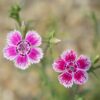


Dianthus Sweet William
$4.95
Dianthus Barbatus
- Seed Count 500
- Cottage Garden Favourite
- Biennial
- Height 60 cm
Out of stock
Email when stock available
Description
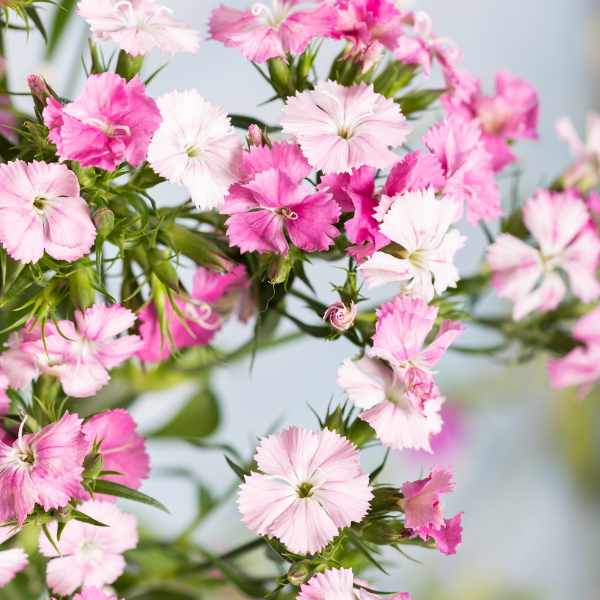
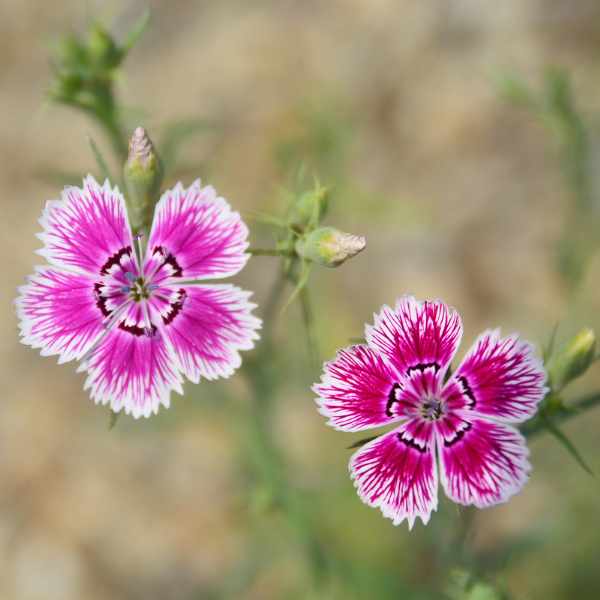
Dianthus Sweet William is one of those lovely old-fashioned flowers.
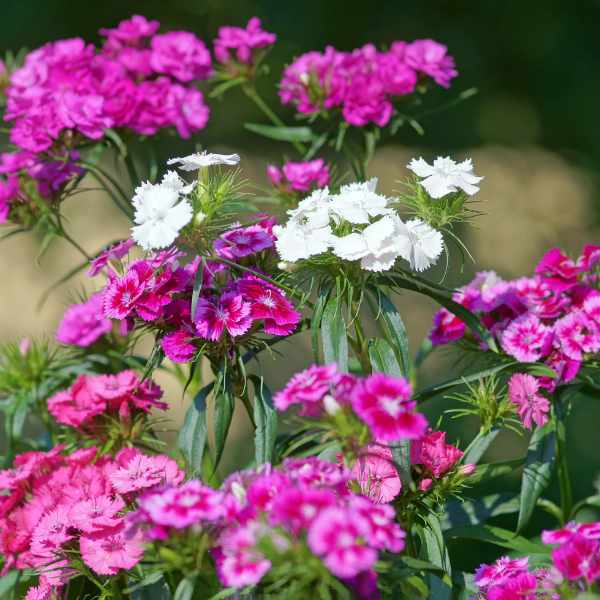
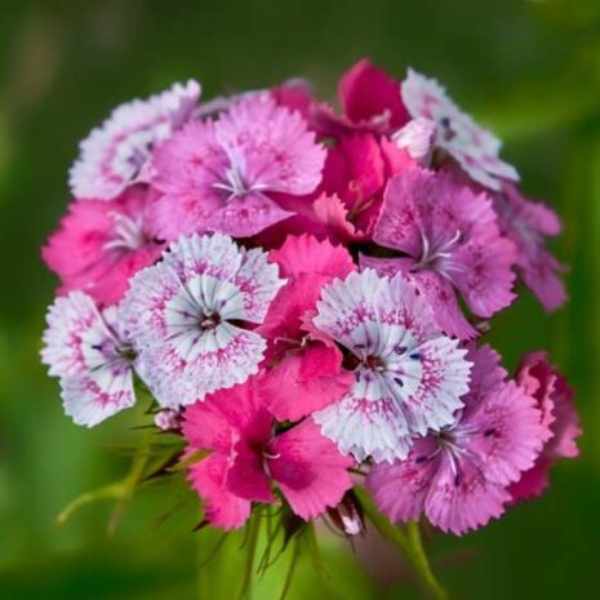
An easy to grow traditional cottage garden plant with edible blooms that come in a wide array of colours from white to red.
The vivid blossoms rise on stiff, erect stems with rosettes of pale green stems.
Sweet Williams make a long-lasting, cut flower, and are an excellent choice for dried flower arrangements.
Best of all, they are intensely fragrant, with a delicious, rich perfume. Growing to around 60cm tall they belong in the middle ground of the flower border.
They are also a wonderful plant for containers, mass plantings and meadows.
Dianthus barbatus are short lived perennials that are often grown as a biennial.
They will grow in most soils and grow equally well in full sun or part shade.
Insects and diseases do not frequent the plants. Everybody can grow them to perfection.
| Method: Sow direct or seedlings | Soil Temp: 10°C - 25°C |
| Cool Mountain: Nov - Dec | Position: Part sun |
| Arid: Aug - Jan | Row Spacing: 30 cm |
| Temperate: Sep-Nov, Mar-Jun | Planting Depth: 3 mm |
| Sub Tropical: May - Oct | Harvest: 140 Days |
| Tropical: Jun - Aug | Plant Height: 60 cm |
🌸 Dianthus Grow Guide
🌱 Overview
Dianthus is a charming flowering plant grown for its colourful blooms, neat growth, clove-like fragrance, and excellent use in borders, pots, cottage gardens, edging, rockeries, and cut flower patches. Depending on the type, flowers may be single, semi-double, or frilled, often appearing in shades of pink, red, white, rose, burgundy, lavender, or bicolour patterns.
It is generally easy to grow when given good drainage, strong light, and moderate care. Dianthus dislikes heavy wet soil, overcrowding, and excessive feeding. It is happiest in a bright, open position where the soil drains freely and air can move around the foliage. Once established, it is a rewarding plant that can flower generously and bring fragrance, colour, and pollinator value to the garden.
🌱 Sowing in Trays Versus Direct Sowing
Dianthus can be grown by sowing in trays or by direct sowing, but sowing in trays is usually the best method. The seed is small, seedlings are easier to manage under controlled conditions, and tray sowing allows you to plant out strong, evenly spaced young plants.
To sow in trays, fill punnets, cells, or small pots with a fine, free-draining seed raising mix. Scatter the seed thinly over the surface, then cover very lightly with fine mix or vermiculite. Water gently with a mist or fine spray so the seed is not washed into clumps. Keep the mix evenly moist but never soggy. Place the tray in bright light with good airflow.
Once seedlings develop several true leaves and are sturdy enough to handle, move them into individual pots or plant them into their final position. Handle seedlings by the leaves rather than the stem, as damaged stems can fail easily. Harden plants off gradually before planting them into open garden conditions.
Direct sowing can also work in finely prepared, weed-free soil. Sow shallowly, cover lightly, and keep the surface moist until seedlings appear. The drawback is that small seedlings may be lost to weeds, slugs, snails, heavy rain, or drying soil. Direct sowing suits gardeners with prepared beds and reliable protection, but it is usually less controlled than tray sowing.
For most home gardeners, tray sowing is the more reliable method.
🌾 Seed Pre-Treatment
Dianthus seed does not usually require special pre-treatment. There is no need for soaking, chilling, scarifying, or smoke treatment. Fresh seed should germinate well when sown shallowly into a suitable seed raising mix.
The most important points are to use a fine mix, avoid deep sowing, and keep the seed raising medium evenly moist without waterlogging. A light covering is enough. If seed is buried too deeply or kept too wet, germination may be poor.
🌞 Soil and Position
Dianthus grows best in a sunny, open position. Strong light encourages compact plants, sturdy stems, good flowering, and brighter colour. In very hot or harsh positions, light afternoon protection can help keep flowers looking fresh, but deep shade should be avoided because it can cause weak, stretched growth and fewer blooms.
The soil should be well-draining, moderately fertile, and slightly on the lean side rather than overly rich. Dianthus dislikes heavy, wet ground, especially around the crown of the plant. Poor drainage can lead to yellowing foliage, crown rot, and plant collapse.
Before planting, improve heavy soil with compost and coarse material to open the structure. Raised beds, rockery edges, mounds, and containers are excellent options if drainage is uncertain. Avoid fresh manure and heavy nitrogen feeding, as these can encourage soft leafy growth rather than compact, flower-rich plants.
For containers, use a quality potting mix with excellent drainage. Choose pots with drainage holes and avoid letting pots sit in saucers of water for long periods.
💧 Care and Maintenance
Water young plants regularly while they establish. Once established, dianthus prefers moderate watering and should not be kept constantly wet. Water deeply when needed, then allow the top layer of soil to dry slightly before watering again. Water at soil level where possible to keep foliage and flowers drier.
Mulch can be used lightly, but keep it away from the crown of the plant. A thick, damp mulch packed around the base can encourage rot. Fine gravel, small stones, or a light open mulch can work well in free-draining beds.
Deadheading is one of the best ways to keep dianthus flowering and tidy. Remove spent blooms by cutting the flower stem back to a leaf joint or healthy side shoot. This encourages fresh growth and can extend the flowering display.
Feed lightly. A small amount of compost before planting is often enough in garden beds. In pots, use a balanced liquid fertiliser at reduced strength during active growth if plants appear hungry. Avoid strong, frequent feeding, especially with high-nitrogen products.
Good airflow is important. Space plants so foliage does not remain damp for long after rain or watering. Trim away old, yellowing, or diseased leaves to keep clumps healthy. After a major flowering flush, plants can be lightly sheared to refresh their shape and encourage new growth.
🌼 Companion Planting Guide
Dianthus pairs well with other sun-loving plants that enjoy good drainage and moderate fertility. Good companions include lavender, thyme, sage, rosemary, salvia, yarrow, catmint, alyssum, snapdragon, cornflower, calendula, and marigold.
Lavender, thyme, sage, and rosemary suit similar open, free-draining conditions and create a fragrant garden combination. Salvia, yarrow, catmint, calendula, and marigold help attract pollinators and beneficial insects. Alyssum works well as a low edging plant, while snapdragon and cornflower add height and colour variation nearby.
Avoid planting dianthus beside moisture-loving plants that need constantly damp soil. It should also not be crowded by vigorous groundcovers or large leafy plants that trap moisture around the crown. Good spacing is important for healthy growth and long flowering.
✂️ How to Harvest
Dianthus flowers can be harvested for small fresh arrangements, posies, and fragrant indoor displays. Cut stems when flowers are partly to fully open and still fresh. Use clean, sharp snips and harvest in the cooler part of the day.
Place stems into water soon after cutting. Remove any leaves that would sit below the waterline, as submerged foliage can spoil the water and shorten vase life. Change the water regularly and recut stems if needed.
For edible use, only use flowers from plants that are correctly identified and grown without unsafe sprays. Remove the bitter white heel at the base of the petals before using. Petals can be used sparingly for decoration, salads, desserts, and drinks. Do not eat flowers from florist plants or treated nursery plants unless you know they were grown for edible use.
⚠️ Common Issues and Fixes
| Issue | Likely Cause | Fix |
|---|---|---|
| Poor germination | Seed sown too deeply, old seed, mix too wet or too dry | Sow shallowly, use fresh seed, keep evenly moist but not soggy |
| Seedlings collapse | Damping off from excess moisture or poor airflow | Use clean seed raising mix, avoid overwatering, improve ventilation |
| Weak, stretched seedlings | Not enough light or overcrowding | Move to brighter light and thin or pot on seedlings |
| Few flowers | Too much shade, excess nitrogen, lack of deadheading | Provide more sun, reduce feeding, deadhead regularly |
| Yellowing leaves | Overwatering, poor drainage, nutrient stress | Improve drainage, water less often, feed lightly only if needed |
| Crown rot | Wet soil or mulch packed against the base | Keep crown dry, improve drainage, move mulch away from stems |
| Brown leaf tips | Drying winds, irregular watering, salt build-up in pots | Water consistently, flush pots occasionally, protect from harsh exposure |
| Powdery mildew | Poor airflow, crowded plants, stressed foliage | Space plants well, remove affected leaves, water at soil level |
| Aphids | Soft new growth attracting sap-sucking insects | Spray off with water, encourage beneficial insects, use insecticidal soap if needed |
| Slug or snail damage | Damp sheltered conditions around young plants | Protect seedlings, remove hiding places, use traps or barriers |
| Plants become woody | Ageing clumps or lack of trimming | Trim after flowering, refresh with new plants or cuttings if needed |
🌰 Detailed Seed Saving Guide
To save dianthus seed, choose healthy plants with strong growth, appealing flower colour, good fragrance, compact habit, and no major disease issues. Avoid saving seed from weak or unhealthy plants.
Leave some flowers on the plant after they fade. The petals will dry and the seed capsule will form where the flower was. Allow the capsule to mature fully on the plant until it turns dry and papery. Watch closely, as ripe capsules can split and release seed.
When capsules are dry, cut the stems and place them upside down in a paper bag or over a clean tray. Keep them in a dry, airy, shaded place for several days so they finish drying. Once fully dry, gently crush or shake the capsules to release the seed.
Dianthus seed is small and dark. Separate it from the dry chaff by hand, with a fine sieve, or by gently blowing away the lighter debris. Work slowly so the seed is not lost.
Spread the cleaned seed on paper for several more days to ensure it is completely dry before storage. Store it in a labelled paper envelope or airtight container. Include the plant name, flower colour, and collection date.
Keep seed in a cool, dark, dry place. Moisture and heat shorten seed life, so avoid storing seed in humid cupboards, hot sheds, or sunny positions. Fresh seed usually gives the best germination.
If several dianthus colours or types are grown close together, seedlings may vary in colour, height, or flower form. This can be enjoyable in a cottage garden, but for more consistent results, save seed from isolated plants with the traits you want most.
🌻 Final Thoughts
Dianthus is a beautiful, fragrant, and versatile flowering plant that suits garden beds, edging, pots, and cut flower patches. It is best started in trays because small seedlings benefit from controlled moisture, protection, and easy spacing.
Give dianthus sun, excellent drainage, moderate feeding, and good airflow. Deadhead regularly, avoid soggy soil, and keep mulch away from the crown. With these simple habits, dianthus can reward you with neat growth, bright flowers, and a lovely old-fashioned fragrance.
1 review for Dianthus Sweet William

Postage Charge
Orders under $35 attract a $4.95 shipping charge. Orders $35 and above have free shipping.
Order Times
Seed orders are normally dispatched within three business days. You will receive an email when seeds are mailed out.
Postage Days
Seeds are mailed out Tuesday to Friday at 1pm. Except for the Friday of long weekends.
Postage Times
WA 2-3 Days: SA,NT 3-5 Days: NSW, ACT, QLD, VIC: 5-7 Days
Carrier
We use Australia Post Letter Postage for the majority of orders
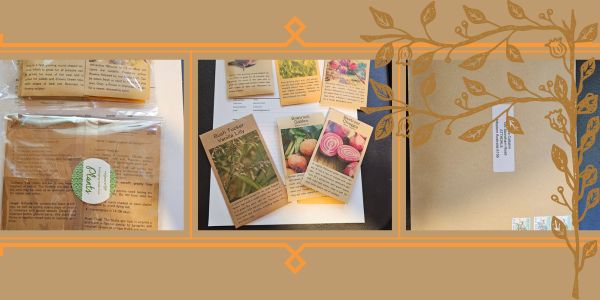
Not only are our seeds packed in recycled paper envelopes, we keep the theme going when we post out website orders. To protect your seeds from moisture and the letter box munchers (snails), we use a very special plastic free material made from plants. They are then put into recycled mailing envelopes. Green all the way ????????
Delivery Guarantee
We take great care to make sure your seeds arrive safely. If your order is lost or damaged in transit, we’ll happily send a replacement. Unfortunately, we can’t replace or refund orders that arrive later than the estimated delivery date, as delays can sometimes occur that are outside our control.
Please note that all dispatch and delivery times listed are estimates only. While we do our best to post promptly, delivery timeframes can vary due to postal service delays, weather events, or other unforeseen circumstances. We’re unable to take responsibility for any loss, damage, or cost that results from a late delivery.
An order is not considered missing until at least 20 business days have passed from the postage date. You’ll receive an email once your seeds have been posted, letting you know they’re on their way. If you don’t see it in your main inbox, please check your Spam or Promotions folders as sometimes our emails like to hide there.
Haven’t planted as I’m moving house.
See all our verified customer reviews on our official CusRev profile.