



Cat Grass
$4.95
Dactylis Glomerata
- Seed Count 5000
- Can Be Grown Indoors
- Digestive Tonic For Cats
In stock
Description
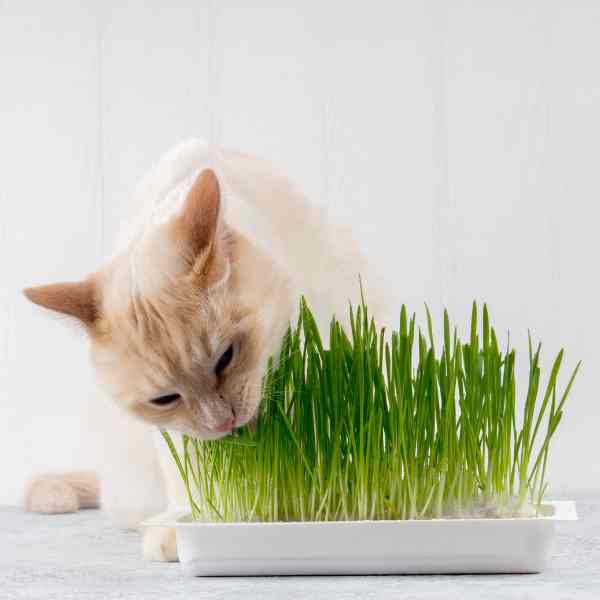
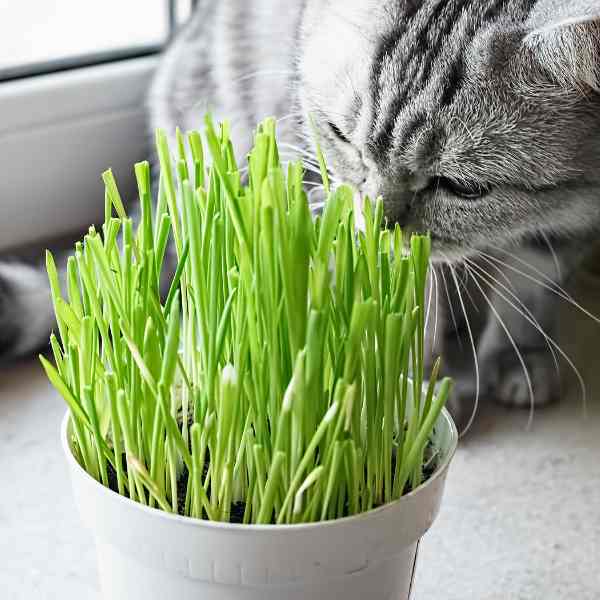
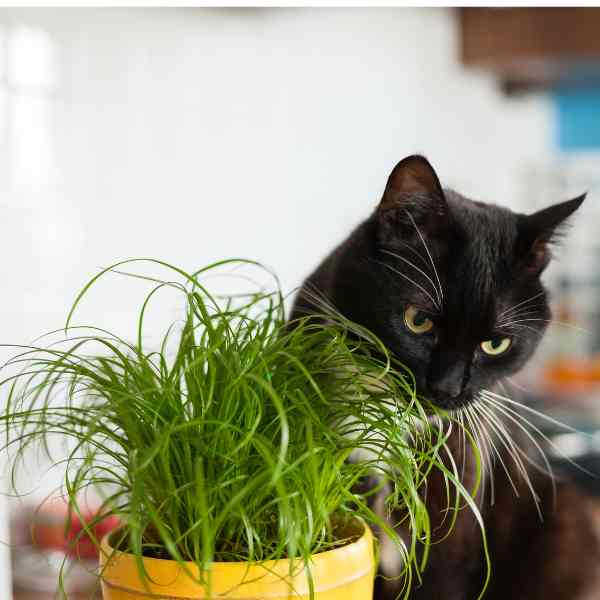
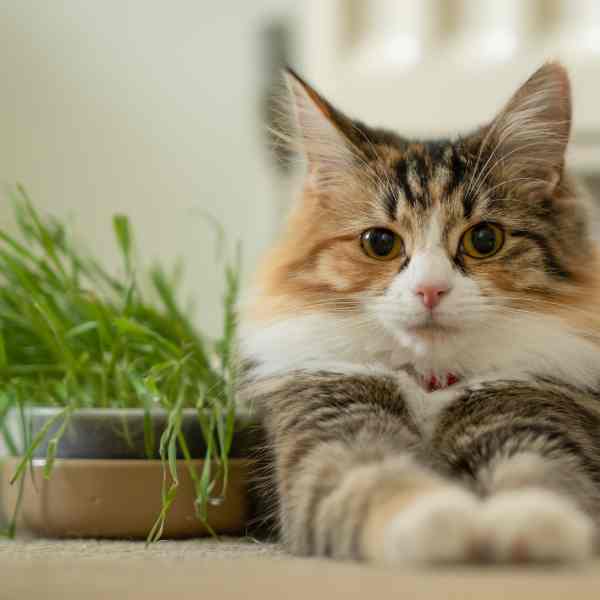
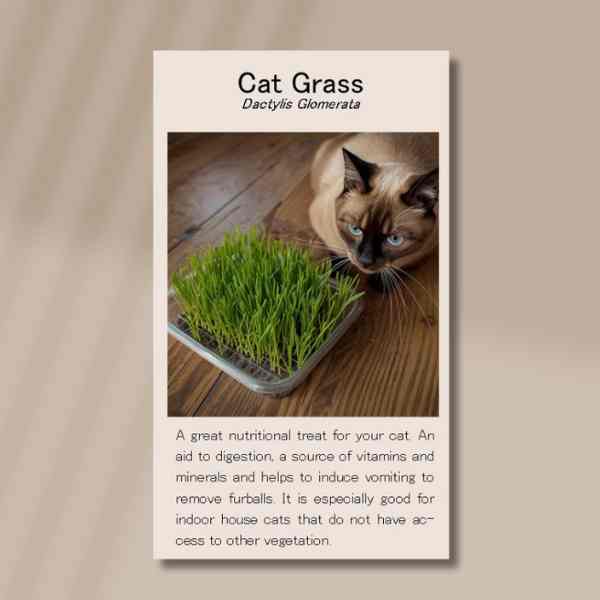
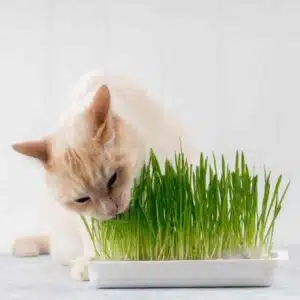
There’s something quietly endearing about the sight of a cat crouched over a pot of fresh, green grass, chewing with the kind of concentration that tells you it’s not just a passing curiosity, but a genuine need. It brings a touch of the outdoors into a cat’s life, especially for those that live entirely inside. It’s one of those plants that may not look like much to the casual eye, but to your cat, it can make a world of difference.
Cat Grass is, in essence, a nutritional treat with a purpose. It’s not the same as the grass you’d find covering the back lawn. It’s a kind of grass that supports feline health in a few clever ways. First, it aids digestion. Although cats are carnivores, they benefit every now and then with a little greenery. Chewing on Cat Grass helps keep their digestive tract moving smoothly and provides roughage that assists in breaking down and moving food along properly.
Second, it’s a natural helper when it comes to one of the least pleasant feline issues, furballs. Cats spend a good part of their waking life grooming, and with every lick they swallow a bit of loose fur. Most of it passes without trouble, but sometimes it builds up in the stomach. Cat Grass can help induce vomiting when needed, allowing cats to clear out those troublesome furballs in the most natural way possible. It’s a self-medicating instinct that domestic cats have retained from their wild ancestors, and providing them with Cat Grass simply gives them a safe, healthy way to do what their bodies already know to do.
Beyond those physical benefits, Cat Grass is also a fine source of vitamins and minerals, contributing small but valuable nutrients to your cat’s diet. It contains chlorophyll, which can help freshen breath and support overall well-being, as well as folic acid, a vitamin that assists with blood oxygenation and energy production. Many pet owners notice that their cats seem livelier and more content once Cat Grass becomes a regular part of their routine. It’s a simple addition that can make a real difference in your cat’s comfort and health.
For indoor cats, Cat Grass is almost essential. Cats that live exclusively inside rarely have access to vegetation, and it’s not uncommon to find them nibbling on houseplants in an attempt to satisfy that craving for greens. Unfortunately, many household plants are toxic to cats. Growing Cat Grass provides a safe alternative, something lush and appealing that they can nibble without any risk.
Dactylis glomerata, also known as Orchard Grass, is the species most commonly used for this purpose. It’s a hardy, tufted perennial that’s been grown for centuries as a pasture grass for livestock, valued for its rapid growth and dense clumping habit. It is vigorous and generous, quick to sprout, and ready for use in just a few weeks. It grows to around 45 centimeters tall, forming fine, bright green blades that look fresh and appealing to cats. It will tolerate part shade, so it’s well suited to life indoors near a sunny window or outdoors in a sheltered corner.
It’s worth noting that while Cat Grass can be grown directly in the garden, it has a tendency to spread when left unchecked. It’s a robust grower, and in the right conditions it can easily take over a patch of soil. For that reason, most people prefer to grow it in a pot or tray, where it can be refreshed regularly and contained neatly. A simple pot on a kitchen windowsill or balcony will do just fine, and it keeps everything tidy and easy to manage.
| Method: Sow in Trays | Soil Temp: 20°C - 30°C |
| Cool Mountain: Sep - May | Position: Indoors/Part Shade |
| Arid: Sep - May | Row Spacing: 1 mm |
| Temperate: Jan - Dec | Planting Depth: 1 mm |
| Sub Tropical: Jan to Dec | Harvest: 30 days |
| Tropical: Jan - Dec | Plant Height: 45 cm |
🐾 Cat Grass Grow Guide
🌱 Overview
Cat grass is a fast-growing edible green usually grown for cats to nibble, chew, and enjoy indoors or in a protected outdoor spot. It is commonly made up of cereal grass seed such as oat, wheat, barley, or rye grass, and it produces soft, tender blades rather than a long-lived lawn-style plant. It is simple, quick, and very suitable for pots, shallow trays, windowsills, balconies, patios, and pet-friendly garden areas.
The main goal with cat grass is to produce clean, fresh, young growth. It is not usually grown as a permanent plant. Instead, it is best treated as a repeat-sown crop, where a new tray is started regularly so your cat always has access to fresh, healthy blades. Because cats may chew directly from the pot, it is important to grow it without unsafe sprays, treated seed, artificial chemical residues, or contaminated soil.
🌱 Sowing in Trays Versus Direct Sowing
Cat grass can be grown in trays, pots, or directly in the ground, but sowing in trays or shallow pots is the best method. Trays are cleaner, easier to move, easier to keep near your cat, and simpler to replace once the grass becomes tired. They also allow better control over soil quality, moisture, and hygiene.
To sow in trays, choose a shallow container with drainage holes. Fill it with a clean seed raising mix or quality potting mix, then firm the surface gently. Scatter the seed thickly across the surface, as cat grass is normally grown as a dense mat rather than as individual spaced plants. Cover with a light layer of mix, press gently, and water with a fine spray. Keep the tray evenly moist but not soggy.
A shallow tray is usually better than a deep pot because cat grass has a short growing life and does not need much root depth. Wide, stable containers are ideal because cats may tug at the grass while chewing. A heavy ceramic pot, low planter, or tray placed inside a decorative outer pot can help prevent tipping.
Direct sowing outdoors can work, but it is usually less practical. Outdoor sowing exposes the grass to soil pests, digging, rain splash, contamination, and trampling. It can also be harder to make sure the grass remains clean and suitable for pets. Direct sowing is only useful if you want a small pet-safe patch in a protected garden area.
For most homes, tray sowing is clearly the best choice because it gives the cleanest, freshest, and most manageable result.
🌾 Seed Pre-Treatment
Cat grass seed does not require special pre-treatment, but pre-soaking is helpful. Soaking the seed in clean water for several hours or overnight can speed up germination and produce more even growth. After soaking, drain the seed well before sowing.
Do not leave seed sitting in water for too long, as it can sour or rot. The seed should be plump and damp, not fermenting. If the water smells unpleasant, discard the seed and start again with fresh seed.
No chilling, scarifying, or smoke treatment is required. The most important points are to use fresh, untreated seed, sow it thickly, and keep the growing mix evenly moist without waterlogging.
🌞 Soil and Position
Cat grass grows best in a bright position with gentle direct light or strong indirect light. A sunny windowsill, bright kitchen bench, enclosed patio, balcony, or sheltered outdoor table can work well. Indoors, it should be placed where there is enough light to keep the blades green and upright. In poor light, the grass may become pale, weak, and floppy.
The growing medium should be clean, free-draining, and moisture-retentive. A seed raising mix is ideal because it is fine-textured and easy for young roots to enter. A quality potting mix also works well, especially if it is not too coarse. Avoid garden soil in indoor trays, as it may contain pests, weed seeds, pathogens, or contaminants.
Drainage is important. Cat grass likes steady moisture, but soggy mix can cause mould, sour smells, root rot, and seed failure. Always use a container with drainage holes, and empty any saucer after watering.
For cats, cleanliness matters as much as growth. Use only clean containers, fresh mix, and seed sold for edible or pet-safe growing. Avoid seed intended for lawns or pasture unless you know it has not been chemically treated.
💧 Care and Maintenance
Keep the seed tray evenly moist while the seed germinates. A fine mist or gentle watering is best, especially just after sowing. Strong watering can move the seed into clumps or expose it on the surface.
Once the grass is growing, water whenever the top of the mix begins to dry. The aim is moist roots and fresh blades, not a wet, smelly tray. If the tray feels heavy, smells sour, or develops mould, reduce watering and improve airflow.
Good airflow helps keep cat grass healthy. Avoid covering the tray for too long once growth begins. If using a humidity cover to help germination, remove it as soon as shoots appear.
Turn indoor trays every few days so the grass grows evenly toward the light. If the blades become long, pale, and floppy, move the tray to a brighter position.
Cat grass is usually not fertilised. It is harvested young, and the seed itself contains enough energy for early growth. Fertilising is generally unnecessary and may be undesirable for a pet crop. If using potting mix that already contains fertiliser, make sure it is suitable for edible plants and use common sense with pet access.
Start a new tray before the old one declines. Cat grass is best while young, clean, and tender. Once it becomes yellow, chewed down, mouldy, dry, or root-bound, compost it and replace it with a fresh sowing.
🌼 Companion Planting Guide
Cat grass is usually grown alone in its own tray, which is the cleanest and safest method. However, it can sit near other pet-safe plants or herbs to create a small indoor green area.
Good nearby companions include catnip, catmint, parsley, chives, lemon balm, mint, wheatgrass trays, and pet-safe ornamental grasses. Catnip and catmint can add enrichment for cats, while parsley and lemon balm suit a bright herb area. Mint should be kept in its own pot because it spreads strongly.
Avoid growing cat grass in the same container as plants that may be toxic to cats. Also avoid placing it near plants treated with sprays, systemic chemicals, slug pellets, or fertilisers that could be harmful if your cat chews nearby foliage.
Because cats may nibble, paw, dig, or roll near the plants, it is best to keep cat grass in a dedicated container that is easy to clean, replace, and monitor.
✂️ How to Harvest
Cat grass is usually harvested by the cat directly. Once the blades are several centimetres tall and soft, the tray can be offered for supervised nibbling. Place it somewhere stable so it will not tip over while your cat pulls at the grass.
You can also cut small handfuls with clean scissors and offer them loose or mixed lightly with food, but most cats prefer chewing from the tray. If cutting, trim above the base so the grass may regrow lightly.
The best quality grass is young, green, and upright. Remove the tray once the grass becomes yellow, slimy, mouldy, sour-smelling, or heavily chewed. Do not allow your cat to chew mouldy or spoiled grass.
Some cats vomit after eating grass. This can be occasional and not unusual, but frequent vomiting, distress, loss of appetite, or sudden behaviour change should be discussed with a vet.
⚠️ Common Issues and Fixes
| Issue | Likely Cause | Fix |
|---|---|---|
| Poor germination | Old seed, treated seed, dry mix, seed buried too deeply | Use fresh untreated seed, sow shallowly, keep evenly moist |
| Seed smells sour | Seed soaked too long or tray kept too wet | Soak for less time, drain well, improve airflow, avoid waterlogging |
| White fuzzy mould | Too much moisture, poor airflow, seed sown too thickly | Reduce watering, increase airflow, use clean containers, sow slightly less densely |
| Grass turns yellow | Low light, old tray, exhausted seed reserves, overwatering | Move to brighter light, start a fresh tray, water only as needed |
| Grass flops over | Not enough light, too much heat, overly dense growth | Provide brighter light, rotate tray, sow slightly thinner |
| Tray dries out quickly | Shallow mix, warm indoor position, small container | Water more regularly, use a slightly deeper tray, move from hot windows |
| Cats pull grass out by roots | Loose mix, shallow roots, grass offered too early | Let roots establish longer, firm mix gently, use a heavier container |
| Cat tips tray over | Container too light or narrow | Use a heavy, wide pot or place tray inside a stable outer container |
| Grass grows patchy | Uneven seed coverage, uneven watering, old seed | Scatter seed evenly, press gently, mist consistently |
| Small flies around tray | Overly wet mix or decaying roots | Let surface dry slightly, improve drainage, replace old trays sooner |
| Cat ignores it | Individual preference, grass too young or too old, poor placement | Offer at a fresh tender stage and place near familiar cat areas |
| Cat eats too much | Overenthusiastic grazing | Offer for short supervised periods and remove between sessions if needed |
🌰 Detailed Seed Saving Guide
Cat grass is not usually grown for seed at home because it is harvested young and replaced often. To save seed, the plants would need to grow far beyond the tender grass stage, form tall mature stems, flower, and dry fully. This takes much longer than normal cat grass production and requires more space, deeper soil, and outdoor conditions.
If you want to try saving seed, grow a dedicated patch or large container away from your cat so the plants are not chewed. Sow the seed more thinly than usual, as crowded trays grown for nibbling will not mature well. Use a deeper pot or garden bed with fertile, well-drained soil and keep the plants watered while they establish.
Allow the plants to grow naturally until seed heads form. As the seed heads mature, they will dry and change colour. Wait until the seed heads are dry, firm, and papery before harvesting. Cut the stems on a dry day and place them upside down in a paper bag or on a clean tray in a dry, airy place.
Once fully dry, rub the seed heads gently to release the seed. Separate the seed from the dry husks by hand or with a sieve. Spread the cleaned seed on paper for several more days to make sure it is completely dry before storage.
Store the seed in a labelled paper envelope or airtight container. Include the plant name and collection date. Keep it in a cool, dark, dry place.
For most pet owners, buying fresh untreated cat grass seed is easier and more reliable than saving seed. Seed saving is only worthwhile if you enjoy the process or have space to grow a mature cereal seed crop safely away from pets.
🌻 Final Thoughts
Cat grass is one of the easiest and most useful pet-friendly greens to grow. It is best sown in shallow trays or sturdy pots because this keeps it clean, movable, and easy to replace. Pre-soaking the seed can help it germinate quickly, but no special treatment is required.
Use fresh untreated seed, clean mix, bright light, gentle watering, and good airflow. Offer the grass while it is young and tender, then replace the tray once it becomes tired. With regular repeat sowing, cat grass can provide simple indoor enrichment, fresh chewing material, and a safe green patch for curious cats.
1 review for Cat Grass

Postage Charge
Orders under $35 attract a $4.95 shipping charge. Orders $35 and above have free shipping.
Order Times
Seed orders are normally dispatched within three business days. You will receive an email when seeds are mailed out.
Postage Days
Seeds are mailed out Tuesday to Friday at 1pm. Except for the Friday of long weekends.
Postage Times
WA 2-3 Days: SA,NT 3-5 Days: NSW, ACT, QLD, VIC: 5-7 Days
Carrier
We use Australia Post Letter Postage for the majority of orders
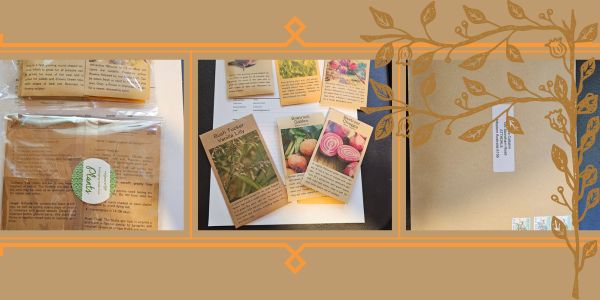
Not only are our seeds packed in recycled paper envelopes, we keep the theme going when we post out website orders. To protect your seeds from moisture and the letter box munchers (snails), we use a very special plastic free material made from plants. They are then put into recycled mailing envelopes. Green all the way ????????
Delivery Guarantee
We take great care to make sure your seeds arrive safely. If your order is lost or damaged in transit, we’ll happily send a replacement. Unfortunately, we can’t replace or refund orders that arrive later than the estimated delivery date, as delays can sometimes occur that are outside our control.
Please note that all dispatch and delivery times listed are estimates only. While we do our best to post promptly, delivery timeframes can vary due to postal service delays, weather events, or other unforeseen circumstances. We’re unable to take responsibility for any loss, damage, or cost that results from a late delivery.
An order is not considered missing until at least 20 business days have passed from the postage date. You’ll receive an email once your seeds have been posted, letting you know they’re on their way. If you don’t see it in your main inbox, please check your Spam or Promotions folders as sometimes our emails like to hide there.
See all our verified customer reviews on our official CusRev profile.