

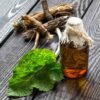
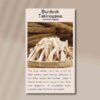

Burdock Takinogawa
$4.95
Arctium Lappa
- Seed Count 25
- Culinary & Medicinal
- Biennial
Out of stock
Email when stock available
Description
Burdock has been grown and appreciated for centuries across Europe and Asia, but the Japanese strain known as Burdock Takinogawa is a cut above. Developed for consistent root shape, tender texture, and mild flavour, it’s become a favourite in kitchens and herbal gardens alike.
It grows beautifully in our climate, especially if you’ve got some deep, loose soil to work with. But even in raised beds or containers, this root crop can reward the patient grower with rich, nutritious, and surprisingly versatile roots. It’s a plant for those who love growing with purpose whether that’s food, medicine, or both.
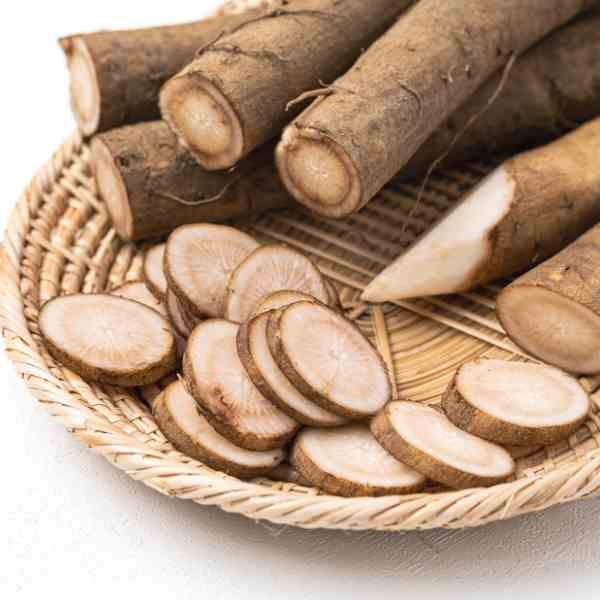
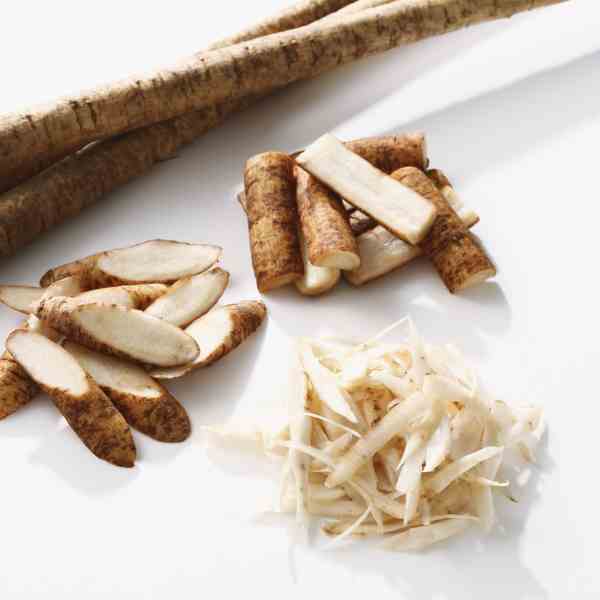
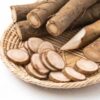
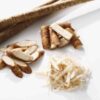
The roots are long and slender, sometimes reaching up to 90cm in loose soil, with a creamy brown skin and crisp, white flesh. When freshly harvested, they carry a mild, earthy aroma that hints at the deep mineral content stored within. Flavour-wise, you get a balance of nutty sweetness with just a whisper of bitterness.
It’s popular pickled, either in sweet vinegar or salty brine. Once pickled, burdock root develops an almost artichoke-like character, that is incredibly moreish. In broths and stews, the root adds a rich undertone that grounds and deepens the overall flavour. It’s lovely paired with mushrooms, miso, daikon, seaweed, or beef. The young leaves can also be used like spinach.
You can even dry and grind the root into powder for a shelf-stable pantry staple that can be stirred into soups, smoothies, or baking. The powdered root is especially handy for those who want to access its nutritional and medicinal qualities outside the harvest season.
While the culinary world celebrates Burdock Takinogawa for its flavour and texture, herbalists have long admired burdock for its wellness potential. If you’re into herbal skincare or DIY salves, burdock can also be infused into oils or decocted into washes for topical use.
The root is also rich in inulin, a type of prebiotic fibre that feeds the beneficial bacteria in the gut. Inulin not only aids digestion but also supports immune health and may help regulate blood sugar levels.
As a tea herb, dried burdock root has an earthy, roasted flavour not unlike dandelion or chicory root. You can brew it solo or combine it with other classic allies like nettle, cleavers, or licorice root.
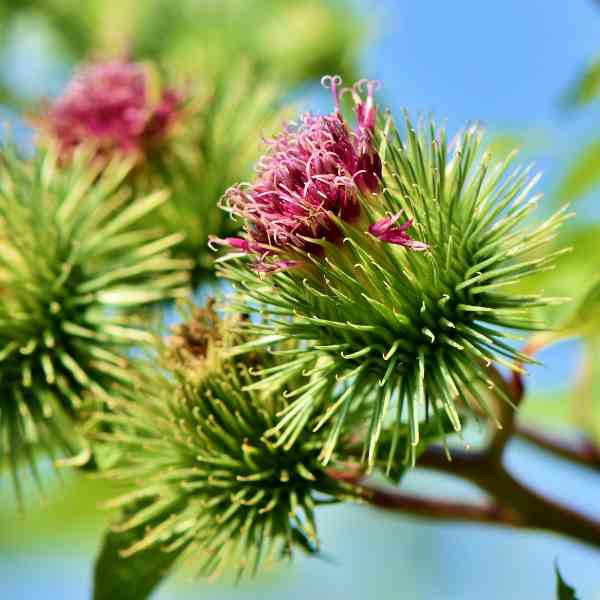
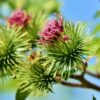
Burdock Takinogawa may be grown mainly for its root, but it has above-ground charm, too. In its second year, the plant sends up tall, striking flower stalks with velvety purple-pink blooms surrounded by prickly green bracts.
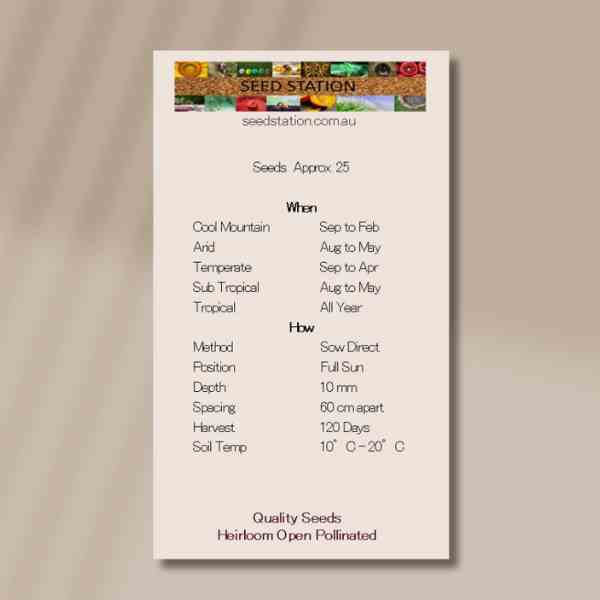
| Method: Direct Sow | Soil Temp: 10°C - 20°C |
|---|---|
| Cool Mountain: Sep - Feb | Position: Full sun |
| Temperate: Sep - Apr | Planting Depth: 10mm |
| Sub Tropical: Aug - May | Row Spacing: 10 cm |
| Arid: Aug - May | Harvest: 120 Days |
| Tropical: Apr - Jul | Plant Height: 2 m |
🌿 Burdock Grow Guide
🌱 Overview
Burdock is a hardy, deep-rooted plant grown mainly for its long edible taproot, tender young leaf stems, and useful seed. It is a strong, old-fashioned vegetable and herb garden plant with large leaves, sturdy growth, and round burr-like seed heads that cling easily to clothing, fur, and garden gloves.
The main harvest is the young root, which has an earthy, slightly sweet flavour when cooked. It is commonly used in stir-fries, soups, braises, pickles, teas, and slow-cooked dishes. Young leaf stalks can also be peeled and cooked, but older leaves become coarse and bitter.
Burdock is a generous plant, but it needs thoughtful placement. It forms a long taproot and can self-seed readily if burrs are left to mature and drop. Grow it where the soil is deep, loose, and easy to dig, and keep seed heads under control if you do not want volunteer plants.
🌱 Sowing in Trays vs Direct Sowing
Burdock can be started in trays, but direct sowing is strongly recommended. This plant develops a long taproot early, and transplanting can cause forked, twisted, or stunted roots. Since the root is the main harvest, avoiding root disturbance is very important.
For direct sowing, prepare the soil deeply before planting. Remove stones, hard clods, and old roots so the burdock root can grow straight down. Sow the seed into loose, moist soil, cover lightly, and water gently. Keep the soil evenly moist until seedlings establish. Once the seedlings are large enough to handle, thin them to allow each plant enough room to form a strong root.
Tray sowing is only useful if pests are severe or garden space is not ready. If using this method, sow into deep individual tubes or pots, not shallow trays. Transplant while seedlings are still very young, before the taproot reaches the bottom of the container. Handle the root ball carefully and do not tease the roots apart.
For burdock, direct sowing is best because it produces straighter, stronger roots and avoids transplant shock.
💧 Seed Pre-Treatment
Burdock seed does not always require pre-treatment, but germination can sometimes be slow or uneven. Fresh seed often germinates well when sown into moist, well-prepared soil.
A short soak in room-temperature water for several hours can help older or very dry seed absorb moisture more evenly. Do not soak for too long, as overly wet seed can rot before germination.
If seed is stubborn, a brief cold moist period can help improve germination. This is optional rather than essential. For most home gardeners, the simplest method is to sow fresh seed directly into prepared soil and keep the seedbed evenly moist.
🌞 Soil and Position
Burdock grows best in deep, loose, fertile, well-drained soil. The soil should be worked thoroughly before sowing because compacted ground, stones, and heavy clay can cause the roots to fork, twist, or become difficult to harvest.
A sandy loam or improved loam is ideal. Heavy soil can still be used if it is loosened deeply and improved with compost. Avoid adding fresh manure directly before sowing, as this can encourage forked roots and overly leafy growth. Well-rotted compost is a better choice.
Choose a position in full sun to light shade. Full sun encourages strong growth, while light shade can be useful where conditions are harsh. Burdock is a large plant, so give it enough room and avoid placing it where its broad leaves will shade smaller crops.
A deep container can be used, but it must be much deeper than a standard pot. Shallow containers are not suitable because the root needs room to grow down.
🌿 Care and Maintenance
Burdock is fairly easy once established, but root quality depends on steady growth. Water regularly so the soil stays evenly moist, especially while the root is developing. Dry stress can make roots woody, tough, or split. At the same time, avoid waterlogged soil, as this can cause root rot.
Mulch around plants once they are established. Mulch helps conserve moisture, reduce weeds, and keep the soil surface loose. Keep mulch slightly away from the crown of the plant so the base does not stay damp.
Weed control is important while plants are young. Burdock seedlings can be slow at first, and weeds may compete for moisture and nutrients. Remove weeds carefully by hand so you do not disturb the developing taproot.
Feed moderately. Compost worked into the soil before sowing is usually enough. If growth is weak, apply a gentle balanced organic feed. Avoid heavy nitrogen feeding, as this can produce large leaves at the expense of better root development.
Remove flower stalks if you are growing burdock mainly for roots and do not want seed. Once the plant puts energy into flowering, the root becomes tougher and less suitable for eating.
🌼 Companion Planting Guide
Burdock grows well with plants that do not compete heavily with its deep root and broad leaves. Good companions include lettuce, spring onion, chives, garlic, beetroot, calendula, chamomile, dill, parsley, coriander, marigold, nasturtium, and alyssum.
Flowers such as calendula, alyssum, marigold, and nasturtium help attract beneficial insects and add diversity around the bed. Herbs such as dill, parsley, and coriander can support hoverflies, ladybirds, and other helpful insects when allowed to flower nearby.
Because burdock grows large, it is best placed at the edge or back of a bed. Small leafy crops can grow nearby while burdock is young, but they may become shaded as the plant matures.
Avoid planting burdock beside shallow-rooted crops that dislike competition, or beside plants that need frequent digging and disturbance. Also avoid placing it too close to paths, pet areas, or clothing lines if seed heads are allowed to form, as the burrs cling easily.
🧺 How to Harvest
Burdock root is best harvested while it is still young and tender, before the plant becomes too mature and woody. The root is long and can snap easily, so harvest carefully.
Water the soil the day before harvesting if it is dry. This softens the ground and makes lifting easier. Use a garden fork to loosen the soil deeply beside the plant, then gently lift and ease the root out. Avoid pulling hard from the top, as the root may break.
After harvest, wash the root well and scrub away soil. The skin can be lightly scraped if needed, but much of the flavour is close to the surface. Cut roots can discolour, so place them in water with a little lemon juice or vinegar if you are preparing them ahead of cooking.
Young leaf stalks can also be harvested. Choose tender stems, peel away the fibrous outer layer, and cook before eating. Older leaves are usually too coarse and bitter to be useful.
If harvesting seed, allow selected flower heads to mature into dry burrs, then collect them before they scatter.
⚠️ Common Issues and Fixes
| Issue | Likely Cause | Fix |
|---|---|---|
| Poor germination | Old seed, dry soil, seed buried too deeply | Use fresh seed, sow shallowly, keep soil evenly moist |
| Forked roots | Stones, compacted soil, fresh manure, transplant damage | Prepare soil deeply, remove stones, direct sow, use well-rotted compost |
| Short or twisted roots | Shallow soil, hardpan, container too small | Grow in deep loose soil or very deep containers |
| Tough woody roots | Plant too mature, dry stress, flowering started | Harvest younger roots, water consistently, remove flower stalks |
| Excessive leaf growth | Too much nitrogen | Reduce rich feeding, use balanced compost-based soil |
| Yellowing leaves | Water stress, poor drainage, nutrient shortage | Check soil moisture, improve drainage, feed lightly if needed |
| Root rot | Waterlogged soil or poor drainage | Improve drainage, avoid overwatering, grow on raised beds if needed |
| Seedlings disappearing | Slugs, snails, birds, or chewing insects | Protect young seedlings, check at night, use barriers if needed |
| Holes in leaves | Caterpillars, beetles, grasshoppers, slugs or snails | Inspect regularly, hand-remove pests, protect young plants |
| Aphids on new growth | Soft growth, crowding, low beneficial insects | Spray off with water, improve airflow, encourage beneficial insects |
| Plants becoming invasive | Seed heads left to mature and drop | Remove burrs before they scatter, harvest seed carefully |
| Burrs sticking to clothes or pets | Mature seed heads not controlled | Cut seed heads promptly, plant away from paths and pet areas |
| Root difficult to harvest | Soil too dry, root very long, heavy ground | Water before harvest, loosen deeply with a fork, harvest before roots get too large |
🌾 Detailed Seed Saving Guide
Saving burdock seed is easy, but it must be done carefully because mature seed heads form burrs that cling strongly and can spread around the garden. Begin by choosing healthy, vigorous plants with strong growth, good root quality, and no serious pest or disease problems.
Allow selected plants to flower and form seed heads. The flowers mature into burrs containing seed. Let the burrs dry on the plant, but do not leave them so long that they fall, scatter, or attach to animals and clothing.
Wear gloves when collecting seed heads, as the burrs can be prickly and cling firmly. Cut mature burrs into a paper bag or bucket. Place them somewhere dry, shaded, and airy until they are fully crisp.
Once dry, break the burrs apart carefully to release the seed. This can be messy, so work over a tray and wear gloves. Separate the seed from the dry plant material by hand or with a sieve. Good seed should be firm, dry, and well-formed. Discard shrivelled, damaged, mouldy, or insect-chewed seed.
Spread the cleaned seed on a plate or tray for several more days to ensure it is completely dry. Store it in a labelled paper envelope or airtight jar. Include the plant name, parent plant notes, and year collected. Keep the seed in a cool, dark, dry place.
For better future crops, save seed from several strong plants rather than just one. This helps maintain vigour and gives a better selection of seedlings. Only allow seed to mature if you are prepared to manage it carefully, because burdock can self-seed readily.
🌟 Final Thoughts
Burdock is a useful, hardy, and interesting crop for gardeners who enjoy deep-rooted vegetables and traditional edible plants. It is not difficult to grow, but it rewards preparation. The quality of the harvest depends heavily on direct sowing, deep loose soil, steady moisture, moderate feeding, and careful harvest timing.
Give burdock enough space, keep the soil free of stones and compaction, and control seed heads before they spread. With thoughtful care, it can provide earthy edible roots, useful young stems, seed for future crops, and a strong presence in the garden.
2 reviews for Burdock Takinogawa

Postage Charge
Orders under $35 attract a $4.95 shipping charge. Orders $35 and above have free shipping.
Order Times
Seed orders are normally dispatched within three business days. You will receive an email when seeds are mailed out.
Postage Days
Seeds are mailed out Tuesday to Friday at 1pm. Except for the Friday of long weekends.
Postage Times
WA 2-3 Days: SA,NT 3-5 Days: NSW, ACT, QLD, VIC: 5-7 Days
Carrier
We use Australia Post Letter Postage for the majority of orders
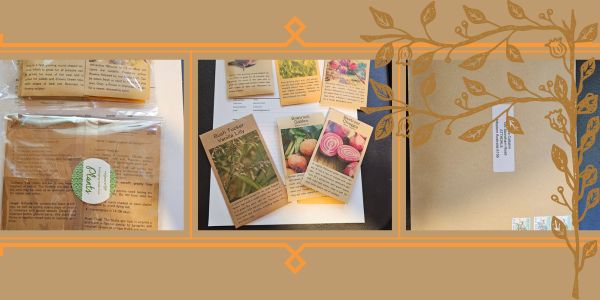
Not only are our seeds packed in recycled paper envelopes, we keep the theme going when we post out website orders. To protect your seeds from moisture and the letter box munchers (snails), we use a very special plastic free material made from plants. They are then put into recycled mailing envelopes. Green all the way ????????
Delivery Guarantee
We take great care to make sure your seeds arrive safely. If your order is lost or damaged in transit, we’ll happily send a replacement. Unfortunately, we can’t replace or refund orders that arrive later than the estimated delivery date, as delays can sometimes occur that are outside our control.
Please note that all dispatch and delivery times listed are estimates only. While we do our best to post promptly, delivery timeframes can vary due to postal service delays, weather events, or other unforeseen circumstances. We’re unable to take responsibility for any loss, damage, or cost that results from a late delivery.
An order is not considered missing until at least 20 business days have passed from the postage date. You’ll receive an email once your seeds have been posted, letting you know they’re on their way. If you don’t see it in your main inbox, please check your Spam or Promotions folders as sometimes our emails like to hide there.
See all our verified customer reviews on our official CusRev profile.
See all our verified customer reviews on our official CusRev profile.