

Cauliflower Phenomenal Early
$4.95
Brassica Oleracea Botrytis
- Seed Count 100
- Large Heads
- Annual
Out of stock
Email when stock available
Description
Cauliflower Phenomenal Early is a an easy to grow variety producing large, firm, snow white cauliflower heads within 4 months.
Great for hot and humid climates. A versatile vegetable where the leaves can also be used either cooked or raw.
Cauliflower has a particular merit, in that it remains in tip top condition over long periods. It is perfect for storing to use in meal.
| Method: Sow direct | Soil Temp: 10°C - 30°C |
| Cool Mountain: Jul - May | Position: Full sun |
| Temperate: Feb - Jun | Planting Depth: 5 mm |
| Sub Tropical: Mar - Jun | Harvest: 80 Days |
| Arid: Feb - Jun | Row Spacing: 60cm apart |
| Tropical: Apr - Jul | Plant Height: 30 cm |
🥦 Cauliflower Grow Guide
🌱 Overview
Cauliflower is a rewarding vegetable grown for its firm, edible head, known as the curd. It is prized in the kitchen for roasting, steaming, soups, gratins, curries, stir-fries, pickles, rice-style dishes, and creamy purées. A well-grown cauliflower has a dense, clean head with a mild flavour and tender texture.
Cauliflower is more demanding than many leafy brassicas. It needs steady growth from start to finish, with fertile soil, even moisture, good spacing, and protection from pests. Stress can lead to small heads, loose heads, premature flowering, or poor curd formation. For best results, aim to keep plants growing strongly and consistently without checks in growth.
🌱 Sowing in Trays Versus Direct Sowing
Cauliflower can be grown by direct sowing or by starting seed in trays, but sowing in trays is usually the best method. Tray sowing gives better control over germination, early watering, pest protection, and spacing. Cauliflower seedlings are often targeted by slugs, snails, birds, and caterpillars, so raising them in trays helps protect them until they are strong enough to plant out.
To sow in trays, use a clean, free-draining seed raising mix. Sow the seed shallowly, cover lightly with fine mix, and water gently. Keep the mix evenly moist but not soggy. Place the trays in bright light with good airflow so seedlings grow sturdy rather than stretched.
Once seedlings have several true leaves and are strong enough to handle, transplant them into their final position. Handle seedlings by the leaves rather than the stem, and plant them firmly into prepared soil. Cauliflower dislikes being held too long in trays, so plant seedlings out while they are young and actively growing.
Direct sowing can work in a well-prepared garden bed, but it is less reliable. Seeds must be sown shallowly into fine soil and kept evenly moist. Seedlings will need early protection from pests and thinning to the correct spacing. Direct sowing is most useful where pest pressure is low and the bed can be monitored closely.
For most home gardeners, tray sowing is the most reliable choice because cauliflower benefits from a protected, steady start.
🌾 Seed Pre-Treatment
Cauliflower seed does not require special pre-treatment. There is no need for soaking, chilling, scarifying, or smoke treatment. Fresh seed should germinate well when sown shallowly into moist seed raising mix.
The most important points are to use fresh seed, avoid sowing too deeply, and keep moisture consistent. Seedlings should not be allowed to dry out, but the mix should also not stay wet and stagnant. Clean trays and fresh mix help reduce early disease problems.
🌞 Soil and Position
Cauliflower grows best in a sunny, open position with fertile soil and good airflow. Strong light supports leafy growth, which is needed to form a good head. In too much shade, plants may become weak, slow, and less productive.
The soil should be rich, firm, moisture-retentive, and well-draining. Cauliflower needs steady nutrition, but it does not like sitting in waterlogged soil. Before planting, enrich the bed with compost, well-rotted manure, or aged organic matter. The soil should hold moisture evenly while still draining freely after watering or rain.
A slightly firm soil is better than loose, fluffy soil. If the ground is too loose, plants may rock in the wind and fail to establish strongly. After planting, firm the soil gently around each seedling.
Cauliflower prefers a soil that is not too acidic. If the soil is known to be acidic, adding garden lime before planting can help support healthy growth and reduce some root disease problems. Lime should be mixed in ahead of planting rather than applied heavily around young seedlings.
In containers, cauliflower needs a large pot or tub because it is a hungry plant with a substantial root system. Use a quality potting mix, water consistently, and feed regularly. Small pots usually lead to stressed plants and small heads.
💧 Care and Maintenance
Cauliflower needs consistent care. Water regularly so the soil stays evenly moist. Dry spells can interrupt growth and cause small, loose, or poorly formed heads. Water deeply at the base of the plant rather than giving light surface watering. Avoid wetting the leaves unnecessarily, especially in crowded plantings.
Mulch around plants once they are established. Mulch helps conserve moisture, reduce weeds, and keep the root zone stable. Keep mulch slightly away from the stem so the base does not remain damp.
Feed cauliflower steadily. A compost-rich bed gives the plants a strong start, but they often benefit from additional feeding during active growth. A balanced vegetable fertiliser, compost tea, liquid feed, or side-dressing of compost can help maintain strong leaf growth. Avoid overdoing nitrogen late in growth, as excessive leafy growth can delay or reduce head quality.
Good spacing is essential. Crowded plants compete for light, moisture, and nutrients, and they are more likely to develop disease. Give each plant enough room to form a broad leaf canopy.
Protect plants from pests early. Fine insect netting is one of the best tools for cauliflower because it helps prevent caterpillar damage and reduces pressure from other brassica pests. Check the undersides of leaves often for eggs and small caterpillars.
Some white cauliflower types benefit from blanching. This means gently folding the outer leaves over the developing head to protect it from strong light, helping keep the curd pale and clean. Secure the leaves loosely with soft twine or simply tuck them over the head. Coloured types may not need blanching.
🌼 Companion Planting Guide
Cauliflower grows well with plants that support beneficial insects, make good use of space, or help create a diverse vegetable bed. Good companions include dill, coriander, chamomile, calendula, marigold, nasturtium, lettuce, spinach, beetroot, onion, garlic, and celery.
Dill, coriander, calendula, chamomile, and marigold attract pollinators and beneficial insects when flowering. Nasturtium can be useful nearby as a sacrificial plant for some pests, but it should be managed so it does not smother young cauliflower plants. Lettuce and spinach can be grown nearby as short-term leafy crops while cauliflower plants are still small.
Onion, garlic, and celery fit well in mixed vegetable beds and use space differently from cauliflower. Beetroot can grow nearby if spacing is generous and the cauliflower leaves do not shade it too heavily.
Avoid planting cauliflower too close to other heavy-feeding brassicas such as broccoli, cabbage, kale, Brussels sprouts, and Asian greens in tight spaces, as they compete for similar nutrients and attract similar pests. Also avoid crowding it with sprawling crops that block airflow or make pest inspection difficult.
✂️ How to Harvest
Harvest cauliflower when the head is firm, compact, and fully formed, but before the curd begins to loosen, separate, or flower. The head should feel dense and tight. Waiting too long can result in a grainy, loose, or open head.
Use a sharp knife to cut the head from the plant. Leave a few surrounding leaves attached to protect the curd during handling and storage. Harvest in the cooler part of the day for best quality.
After harvest, cauliflower can be stored in the fridge for short-term use. Keep it dry and cool. It can also be cut into florets and frozen after blanching. For best flavour and texture, use fresh heads soon after harvest.
If a plant produces a small head, harvest it anyway once it is firm. Leaving it longer rarely makes it much better, and it may quickly become loose or flower.
⚠️ Common Issues and Fixes
| Issue | Likely Cause | Fix |
|---|---|---|
| Poor germination | Old seed, seed sown too deeply, dry or soggy mix | Use fresh seed, sow shallowly, keep evenly moist |
| Seedlings collapse | Damping off from overwatering or poor airflow | Use clean mix, avoid soggy conditions, improve ventilation |
| Weak, leggy seedlings | Not enough light or overcrowding | Move to brighter light, thin seedlings, pot on promptly |
| Small heads | Stress, poor fertility, crowding, dry soil, late transplanting | Feed steadily, water consistently, space well, plant seedlings while young |
| No head forming | Immature plant, too much stress, insufficient nutrients or light | Improve feeding, provide full sun, keep growth steady |
| Loose or ricey curds | Heat stress, water stress, uneven growth, delayed harvest | Maintain moisture, harvest promptly, avoid growth checks |
| Yellowing leaves | Nitrogen shortage, waterlogging, old leaves, compacted soil | Feed lightly, check drainage, remove old leaves |
| Purple tint on leaves | Cold stress, nutrient imbalance, slow growth | Keep plants growing steadily and feed if needed |
| Caterpillar damage | Cabbage white butterfly or moth larvae | Use insect netting, inspect leaves, remove eggs and caterpillars |
| Aphids in heads | Dense growth attracting sap-sucking insects | Check early, spray off small colonies, encourage beneficial insects |
| Clubroot | Soil-borne disease in acidic or infected soil | Improve soil pH, rotate crops, avoid moving infected soil |
| Root rot | Poor drainage or overwatering | Improve drainage, avoid waterlogging, plant in raised beds if needed |
| Heads discolour | Sun exposure, rain splash, pests, delayed harvest | Blanch white heads, harvest promptly, keep plants clean and protected |
🌰 Detailed Seed Saving Guide
Saving cauliflower seed is possible, but it requires patience and space. Cauliflower is a biennial crop, meaning it forms its edible head first and later sends up flowers and seed. To save seed, choose the healthiest plants with strong growth, good head formation, and no serious pest or disease problems.
Do not save seed from plants that formed tiny heads, loose heads, weak growth, or flowered too early. These traits may appear again in future plants. Select only the best plants that show the qualities you want to keep.
Instead of harvesting the whole head for eating, leave selected plants in the ground. The head will eventually loosen and send up flowering shoots. These shoots produce yellow flowers followed by slender seed pods. The plant may need staking as the flowering stems become tall and top-heavy.
Allow the seed pods to mature on the plant until they turn dry and brown. Watch them closely, as fully dry pods can split and drop seed. If wet weather threatens, cut the stems when most pods are mature and hang them upside down in a paper bag in a dry, airy place.
Once the pods are fully dry, rub or gently crush them over a clean tray to release the seeds. Separate the seed from the chaff using a sieve or by careful hand sorting. Spread the cleaned seed on paper for several more days to make sure it is completely dry before storage.
Store the seed in a labelled paper envelope or airtight container. Include the plant name and collection date. Keep it in a cool, dark, dry place. Properly dried seed stores well, though fresher seed usually gives stronger germination.
Cauliflower can cross-pollinate with closely related brassica crops that are flowering at the same time, including cabbage, broccoli, kale, Brussels sprouts, and some other related vegetables. For seed that remains true to type, grow only one related seed crop at a time or isolate flowering plants by a generous distance. For casual home seed saving, some variation may occur if related crops flower nearby.
🌻 Final Thoughts
Cauliflower is a satisfying vegetable to grow, but it asks for more consistency than many garden crops. It is best started in trays because seedlings benefit from protection and careful early management before being planted into rich, firm soil.
The keys to success are fertile soil, full sun, steady moisture, good spacing, pest protection, and uninterrupted growth. Keep plants well fed, water evenly, and harvest the heads while they are still tight and firm. With patient care, cauliflower can reward you with beautiful, dense heads that are far better than anything picked too late or stored too long.eed Starting in Detail
Seed Trays
Starting in seed trays is often the easiest way to get cauliflower off to a healthy start. Fill your trays with a quality seed-raising mix that drains well but also holds moisture. Cauliflower seeds are tiny, so you only need to sow them about 1 cm deep. Plant one or two seeds per cell—this way, you can thin to the strongest seedling later.
Keep the soil lightly moist, not soggy, and place the trays in a warm spot. Ideal germination temperatures are around 18–22°C. In most parts of Australia, indoor windowsills, heated propagators, or shaded verandahs work well. Seedlings usually appear in 7–10 days, and you’ll notice tiny green leaves unfurling—the first signs that your careful attention is paying off.
Once the seedlings develop 4–6 true leaves, they’re ready for transplanting. Harden them off for a week first: gradually introduce them to outdoor conditions, starting with a few hours of morning sun and sheltered conditions, increasing daily. This reduces transplant shock and helps them establish faster in the garden.
Direct Seeding
Direct seeding into the garden is straightforward and can save a step, but it does leave young plants exposed to the elements. Sow seeds about 1 cm deep in prepared soil, spacing them roughly 30 cm apart in rows that are 40 cm apart. Once seedlings have developed a few leaves, thin them to 40–50 cm apart. This ensures each plant has enough room to grow, prevents overcrowding, and reduces disease risk.
Direct seeding works best when soil temperatures are warm enough to encourage quick germination. In cooler areas, starting in trays and transplanting is often a safer bet to avoid slow germination or loss to pests.
Seed Pre-Treatment
Most cauliflower seeds don’t require pre-treatment; simply sow them directly. However, if your soil is cool or you want to speed up germination, soaking seeds in warm water for 4–6 hours can help soften the seed coat and encourage faster sprouting. Avoid leaving them too long, as seeds can rot if over-soaked.
???? Soil & Position
Cauliflower thrives in rich, fertile soil. Choose a sunny spot that receives at least 6 hours of light per day. The soil should be deep and well-draining, enriched with compost or well-rotted manure. A slightly acidic to neutral soil pH of 6.5–7.0 is ideal. Before planting, work the soil thoroughly to remove stones and improve structure. Spacing is important—allow 40–50 cm between plants to give them plenty of room for their heads to develop and air to circulate.
???? Care & Maintenance
Cauliflower plants need consistent care. Keep the soil evenly moist, especially during dry spells. Mulching with organic material such as sugarcane mulch or straw helps retain moisture, suppress weeds, and keep roots cool. Feed plants with a balanced fertilizer every 2–3 weeks. Once the curds begin forming, switch to a fertilizer higher in potassium and calcium to support healthy head development and prevent discolouration.
To maintain bright white curds, fold the outer leaves over the head as it grows. This process, called blanching, shields the curd from sunlight and prevents yellowing.
???? Companion Planting
Cauliflower enjoys being near certain plants that boost growth or deter pests. Good companions include onions, dill, chamomile, and celery. These can improve flavour, attract beneficial insects, and keep pests at bay. Avoid planting cauliflower near other brassicas like cabbage, broccoli, or kale to reduce competition and minimize shared pests and diseases.
???? Harvesting
Cauliflowers are typically ready to harvest 12–14 weeks after transplanting or direct sowing. The heads should be firm, compact, and around 20 cm across. Cut with a sharp knife, leaving a few protective leaves attached. Regularly check your plants so you can harvest at peak firmness before the curds start loosening.
???? Common Issues & Fixes
| Issue | Cause | Solution |
|---|---|---|
| Buttoning | Stress from cold, heat, or irregular watering | Keep watering consistent, avoid overcrowding, and protect seedlings during extreme weather |
| Leggy Seedlings | Insufficient light or overcrowding | Start seeds in a bright spot, use grow lights if necessary, and thin seedlings |
| Curd Discolouration | Nutrient imbalance or too much sun | Fertilise appropriately and use blanching to protect curds |
| Pest Infestation | Aphids, caterpillars, whiteflies | Use organic pesticides or introduce beneficial insects like ladybugs |
???? Seed Saving Guide
Saving your own cauliflower seeds is easy with a bit of planning.
- Select Healthy Plants – Choose the strongest, healthiest plants with fully developed heads.
- Allow to Flower – Let the selected plants bolt and flower. Cauliflower is biennial, so you may need to overwinter the plant or store it until the next season.
- Harvest Seeds – Once flowers produce seed pods and they dry on the plant, collect them.
- Dry and Store – Ensure seeds are fully dry before storing in an airtight container in a cool, dry spot.
- Label Clearly – Note the variety and year to keep your seed collection organised.
???? Final Thoughts
Growing cauliflower from seed in Australia can be both rewarding and fun. The key is starting your seeds well—whether in trays or direct in the garden—providing rich soil, adequate sunlight, and consistent care. Keep an eye out for pests, maintain moisture, and don’t be afraid to experiment with companion planting. With patience and attention, you’ll enjoy a bountiful harvest of crisp, homegrown cauliflower that’s worth every minute of care.

Postage Charge
Orders under $35 attract a $4.95 shipping charge. Orders $35 and above have free shipping.
Order Times
Seed orders are normally dispatched within three business days. You will receive an email when seeds are mailed out.
Postage Days
Seeds are mailed out Tuesday to Friday at 1pm. Except for the Friday of long weekends.
Postage Times
WA 2-3 Days: SA,NT 3-5 Days: NSW, ACT, QLD, VIC: 5-7 Days
Carrier
We use Australia Post Letter Postage for the majority of orders
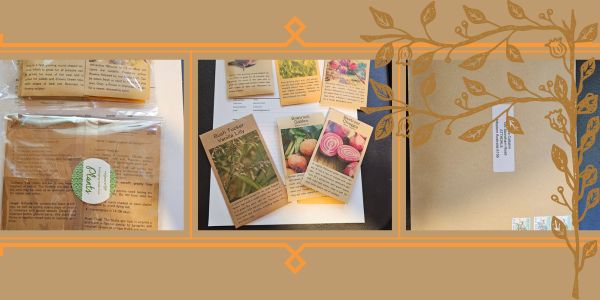
Not only are our seeds packed in recycled paper envelopes, we keep the theme going when we post out website orders. To protect your seeds from moisture and the letter box munchers (snails), we use a very special plastic free material made from plants. They are then put into recycled mailing envelopes. Green all the way ????????
Delivery Guarantee
We take great care to make sure your seeds arrive safely. If your order is lost or damaged in transit, we’ll happily send a replacement. Unfortunately, we can’t replace or refund orders that arrive later than the estimated delivery date, as delays can sometimes occur that are outside our control.
Please note that all dispatch and delivery times listed are estimates only. While we do our best to post promptly, delivery timeframes can vary due to postal service delays, weather events, or other unforeseen circumstances. We’re unable to take responsibility for any loss, damage, or cost that results from a late delivery.
An order is not considered missing until at least 20 business days have passed from the postage date. You’ll receive an email once your seeds have been posted, letting you know they’re on their way. If you don’t see it in your main inbox, please check your Spam or Promotions folders as sometimes our emails like to hide there.
Reviews
There are no reviews yet