Growing Fresh Food Indoors And Starting Seeds For Spring
Winter does not have to mean the growing season is over. Even when the garden beds are cold, wet, shady or resting, there is still plenty you can grow close to the house. A sunny windowsill, a warm kitchen bench, a bright laundry, a sheltered balcony or a patio out of the wind can all become useful little growing spaces.
You can grow food to eat now, such as leafy greens, herbs, microgreens and sprouts. You can also start seeds indoors later in winter so you have healthy seedlings ready to move outside in spring. It is a lovely mix of practical food growing and quiet seasonal planning.
You do not need a fancy greenhouse or a big backyard. Start with what you have. A few pots, some good seed raising mix, a tray of microgreens and a packet of seeds can be enough to get you going. If you have a balcony or patio, even better. Pots near a warm wall or under cover can become a very productive mini winter garden.
The trick is to keep it simple. Choose the right seeds, give them as much light as possible, water carefully, and don’t expect summer growth in the middle of winter. Everything grows a little more slowly when the days are short, and that is okay. You are still growing fresh food, keeping your hands in the soil and setting yourself up for the seasons ahead.
🏡 Indoor, Balcony And Patio Growing In Winter
One of the best things about winter food gardening is that you can bring it close to the house. This makes it easier to care for your plants and easier to harvest little bits for the kitchen.
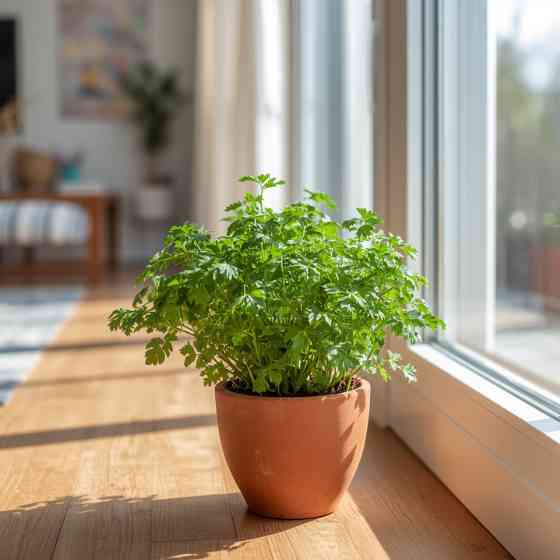
A north-facing windowsill is often the best indoor spot because it catches the most winter sun. East-facing windows can also work well, especially for herbs and leafy greens. If your house is a bit dark, a simple LED grow light can make a big difference.
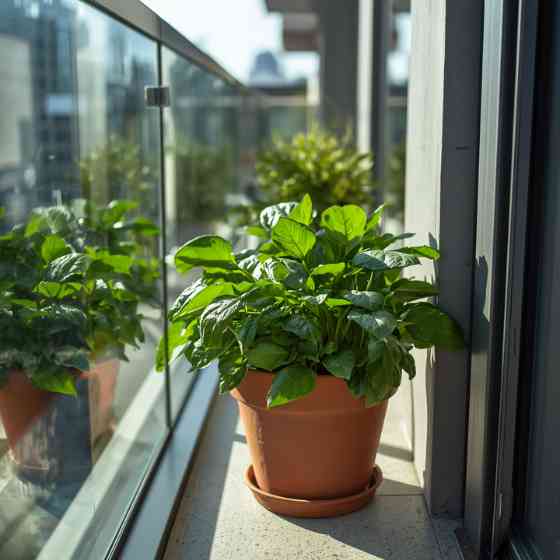
On a balcony or patio, look for the warmest, brightest and most protected spot. Pots tucked near a brick wall, under a verandah or beside a glass door often do better than pots sitting out in the open. These spots create a small microclimate, which just means the area is a little warmer or more sheltered than the rest of the garden.
Your winter growing space needs four main things:
- Light so plants can grow strong and green.
- Moisture so the roots stay evenly damp, but not soggy.
- Airflow so mould and fungal problems are less likely.
- Warmth or at least protection from the worst cold, wind and frost.
If you can get those things roughly right, you can grow a surprising amount of food through winter. It may not be a huge harvest, but it can give you fresh herbs, salad leaves, microgreens, pea shoots and seedlings ready for spring.
For small spaces, think in layers. A windowsill can hold herbs. A shelf can hold seed trays. A patio tub can grow lettuce. A shallow tray can grow microgreens. A jar on the kitchen bench can grow sprouts. It all adds up.
🥬 Food To Grow And Eat Indoors During Winter
The best crops for growing food indoors during winter are quick, useful and happy in cooler conditions. Leafy greens, herbs, microgreens and sprouts are the easiest place to begin.
Lettuce is a great winter crop for pots and trays. Loose-leaf varieties are especially handy because you can pick the outer leaves and let the plant keep growing. This is called cut-and-come-again harvesting, and it is perfect when you only want a handful of leaves for sandwiches, wraps or a quick salad.
Rocket is another easy one. It grows quickly, has a lovely peppery bite and does well in cooler weather. Grow it in a shallow tray or pot and harvest it young for the best flavour.
Asian greens are wonderful for winter growing. Bok choy, Pak Choy, Mizuna, Mustard Greens and Tatsoi are all useful in the kitchen and many of them grow happily in cool conditions. Pick the leaves young for stir-fries, soups, noodle bowls and salads.
Spinach, Silverbeet and Kale are also worth growing in pots. They need a little more space than microgreens, but they can give you steady leaves for weeks. Kale is especially handy if you pick the smaller leaves rather than waiting for large mature ones.
🌿 Herbs To Grow Near The Kitchen
Herbs are perfect for indoor and patio winter growing because you do not need a huge amount to make a meal taste better. A few pots near the kitchen can be surprisingly useful.
Parsley is one of the most reliable winter herbs. It is hardy, useful and happy in cool weather. It can be slow to germinate, so don’t give up too quickly. Soaking parsley seed overnight before sowing can help speed things along.
Coriander often grows better in winter than summer in many parts of Australia. In hot weather it bolts quickly, which means it rushes to flower and seed. In cooler weather, it usually stays leafy for longer. Grow it in a pot and keep it close for curries, soups, salads and rice dishes.
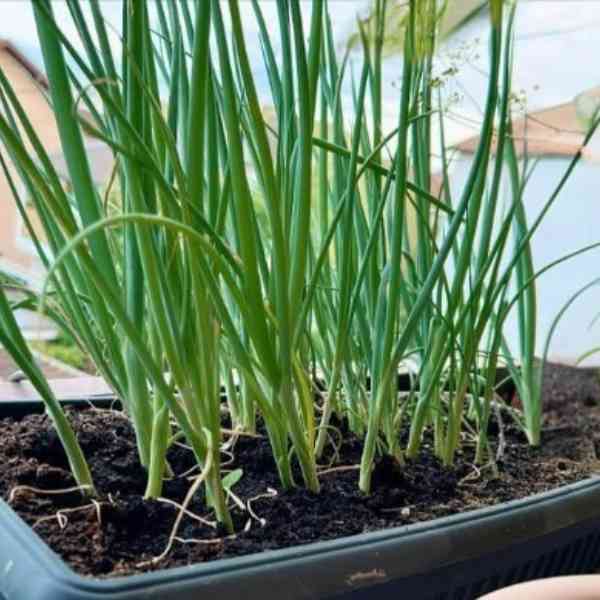
Chives are easy, compact and very handy. Snip them over eggs, potatoes, soups and salads. Garlic chives are lovely too, with a mild garlic flavour.
Dill is beautiful in winter if you can give it enough light. It has soft feathery leaves and works well with potatoes, eggs, fish, pickles and salads.
Mint can grow well in a pot indoors or outside in a protected spot. Keep mint in its own container, though, because it can take over if planted straight into the garden.
Basil is a little fussier in winter because it loves warmth. If you have a warm sunny window or a grow light, you can try it indoors. In cooler homes, it may sulk until spring, so don’t be disappointed if it is slower than your parsley or coriander.
🌾 Microgreens And Sprouts: Fast Fresh Food For Winter
Microgreens and sprouts are some of the quickest and most cost-effective foods you can grow indoors in winter. They are perfect for small spaces, and you do not need a garden at all.
Sprouts are grown in a jar or sprouting tray without soil. You soak the seed, rinse and drain it regularly, and in a few days you have fresh crunchy sprouts ready to eat.
Good sprouting choices include alfalfa, broccoli, radish, mung bean, lentils and fenugreek. Always use seed sold specifically for sprouting, as it is intended for edible sprout production.
Microgreens are grown in a shallow tray with seed raising mix or another suitable growing medium. They are harvested when the first leaves appear, usually in 7 to 21 days depending on the variety.
Good microgreen seeds include radish, mustard, broccoli, kale, mizuna, pea shoots, sunflower, beetroot, buckwheat and coriander. Each one brings something different. Radish and mustard are spicy, pea shoots are sweet, sunflower is nutty and crunchy, and broccoli is mild and fresh.
The speed is one of the best things about them. When the garden outside is slow, a tray of radish microgreens can be ready in about a week. Sprouts can be even faster. That quick result is very encouraging, especially if you are new to growing.
They are also good value. A small amount of seed can produce a generous harvest, and because you cut them fresh, there is very little waste. No sad bags of greens going slimy in the fridge. Just snip what you need.
The best way to keep a steady supply is succession sowing. This simply means sowing a new tray or jar every few days instead of planting everything at once. That way you get fresh food regularly through winter.
Use microgreens and sprouts in sandwiches, wraps, soups, salads, omelettes, rice bowls, noodle bowls and on top of roasted vegetables. They add colour, crunch and fresh flavour when winter meals can start to feel a bit heavy.
🍅 Later In Winter: Seeds To Start Indoors For Spring
While you are growing food to eat through winter, you can also start thinking about the next season. Later in winter is a good time to start certain seeds indoors so they are ready to move into the garden when spring warms up.
This is where starting seeds indoors for spring planting becomes really useful. You are giving your plants a protected head start while the outdoor soil is still too cold.
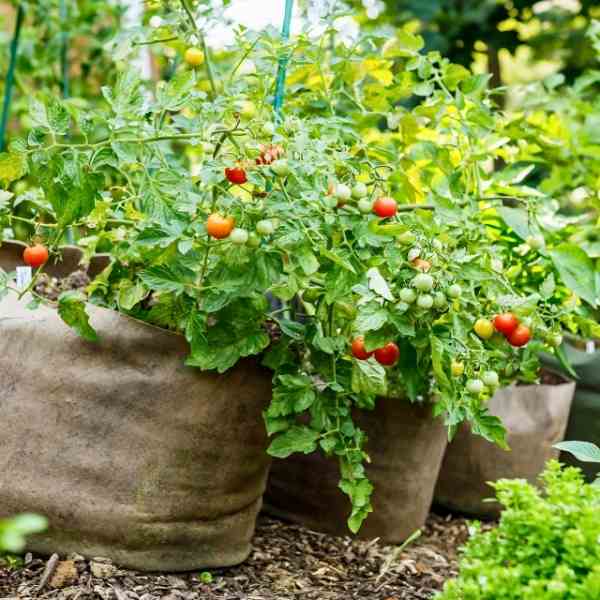
Warm-season vegetables are the main ones to think about. These include tomatoes, capsicum, chilli, eggplant and basil. They all need warmth to germinate and grow strongly, so starting them indoors can be a big help.
Tomatoes are a favourite because they grow so well from seed. Sow them in seed raising mix, keep them warm and bright, and pot them on once they have a few true leaves. Do not leave them on a cold windowsill overnight if the glass gets chilly.
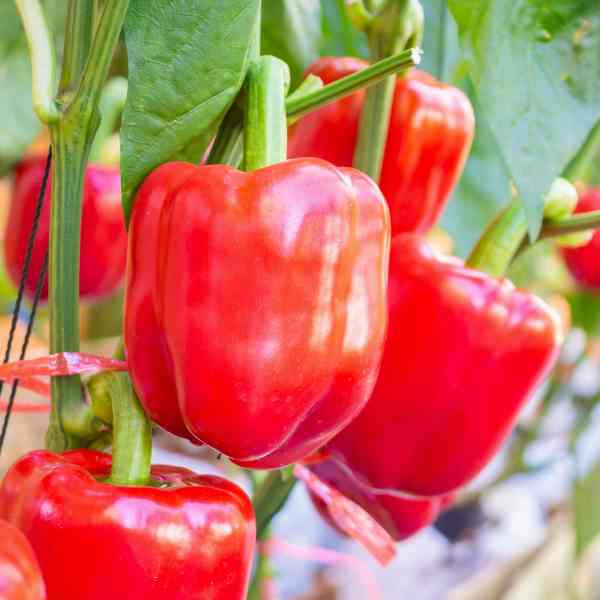
Chillies and capsicums are slower than tomatoes and often need more warmth. A heat mat can be very helpful, especially in cooler parts of Australia. Be patient with them. They can take their time.
Eggplant also likes warmth. In colder areas, wait until later in winter and give it your warmest, brightest indoor spot.
Basil should not be rushed. It dislikes cold, wet conditions and can sulk badly if planted outside too early. Start it indoors in warmth, then wait until nights are mild before moving it out.
Fast-growing crops like zucchini, cucumber, pumpkin and melons do not need as much of a head start. They grow quickly and can become stressed if stuck in small pots for too long. Sow these closer to spring, just a few weeks before planting out.
You can also start flowers indoors for spring colour. Calendula, alyssum, pansies, snapdragons, sweet peas, cosmos, zinnia, marigold and nasturtium are all worth considering, depending on your climate and the season. Flowers are not just pretty. They also bring in pollinators and beneficial insects, which helps the vegetable garden too.
🌤️ Moving Indoor Seedlings Outdoors In Spring
When spring arrives, don’t rush your indoor seedlings straight into the garden. Seedlings grown indoors are soft. They have not dealt with wind, direct sun, cold nights or outdoor pests.
They need to be hardened off first. This simply means helping them adjust slowly to outdoor conditions.
Start by placing seedlings outside in a sheltered, shady spot for a couple of hours during the day. Bring them back inside or under cover at night. After a few days, increase the time outside. Then slowly introduce morning sun. Avoid harsh afternoon sun at first, especially in warmer parts of Australia.
After a week or two, your seedlings should be stronger and ready to plant out. Choose a mild, cloudy day if you can. Water the seedlings before transplanting, plant them gently, and water them in well.
A diluted seaweed solution can help reduce transplant shock. Mulch around outdoor plants once they are settled, but keep mulch away from the stems so they do not rot.
In frost-prone areas, wait until the risk of frost has passed before planting warm-season crops outside. Tomatoes, basil, capsicum, chilli, eggplant, cucumber and zucchini can all be damaged by cold nights.
📅 A Simple Winter Growing Plan
If you are not sure where to begin, keep it simple.
Early winter: Sow leafy greens, parsley, coriander, chives, pea shoots, microgreens, sprouts, calendula and alyssum. Start small and get your setup working.
Mid-winter: Keep sowing microgreens and leafy greens every couple of weeks. Start slower flowers like pansies, violas and snapdragons if they suit your climate.
Late winter: Start tomatoes, capsicum, chillies, eggplant and basil indoors with warmth and good light. Use a heat mat if your house is cold.
Early spring: Harden off cool-season seedlings and move them outside. Keep warm-season seedlings protected until nights are mild.
Mid to late spring: Plant tomatoes, basil, chillies, capsicum, eggplant, zucchini and cucumbers into garden beds or larger pots when the weather is warm enough.
This little rhythm keeps fresh food coming in winter while quietly preparing you for a productive spring garden.
🌻 Keep Growing Through Winter
Winter does not have to be a waiting season. It can be a season of small harvests, fresh green shoots, seed trays on the windowsill and herbs growing close to the kitchen.
Start with something easy. A jar of sprouts. A tray of radish microgreens. A pot of parsley. A few lettuce seedlings on the patio. That is enough to begin.
As your confidence grows, you can add more leafy greens, herbs, flowers and warm-season seeds for spring. Some seeds will germinate quickly. Some will take their time. A few may not come up at all. That is all part of gardening.
The most important thing is to keep sowing, keep noticing and keep learning. Growing vegetables, herbs and flowers indoors during winter is not about having a perfect setup. It is about making the most of the space you have and enjoying fresh homegrown food, even in the cooler months.
By the time spring arrives, you will already have food on the bench, herbs by the window, seedlings ready for the garden and that lovely feeling that the growing season is well underway.